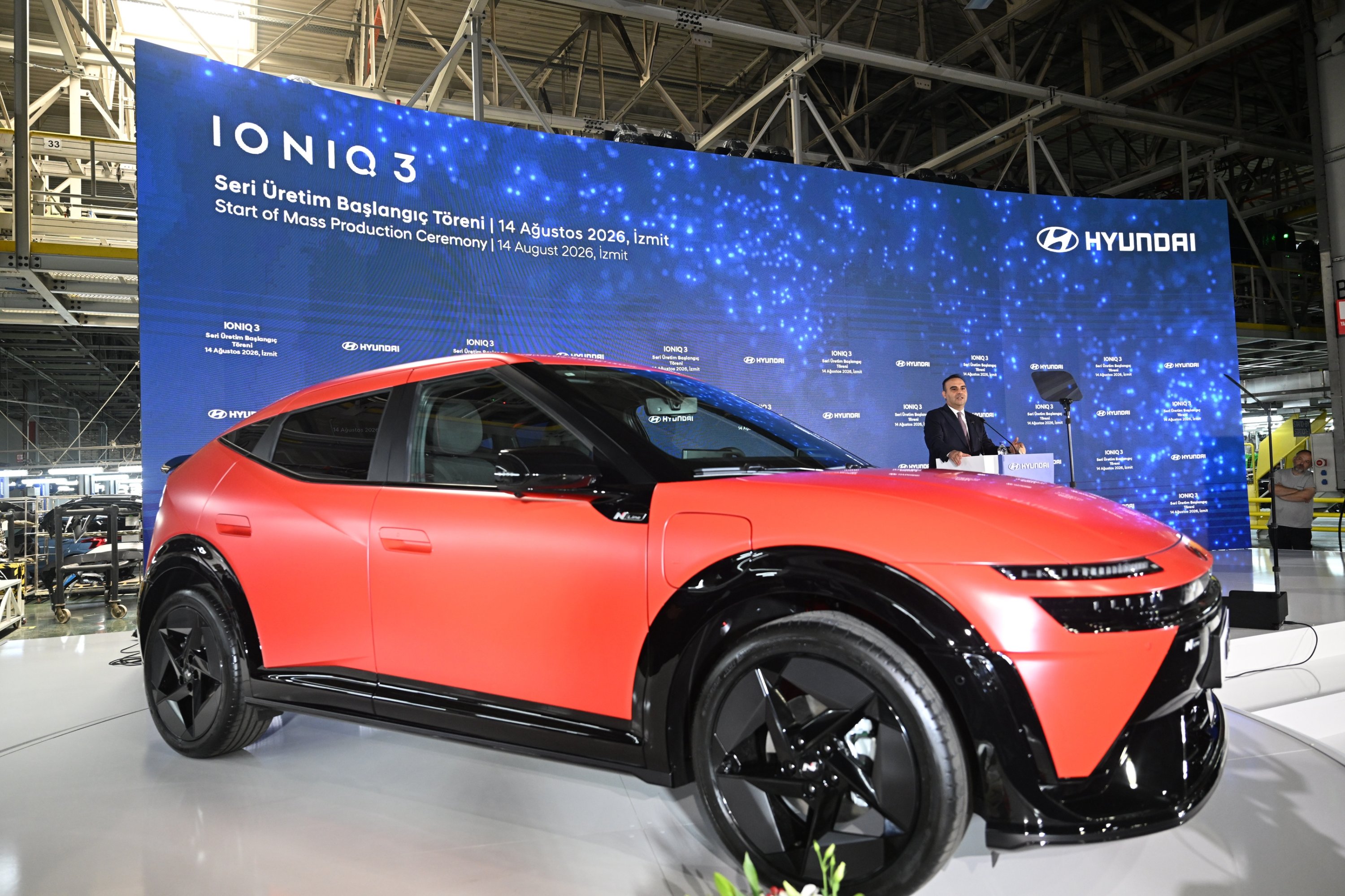
South Korean automaker Hyundai on Friday started mass production of its new all-electric IONIQ 3 model at a factory in Türkiye's northwestern Kocaeli province.
It makes Hyundai the first foreign automaker to manufacture battery-powered passenger cars in Türkiye and also marks the company's first EV production in Europe.
The launch represents a significant step in Türkiye's strategy to position itself as a regional production hub for electric vehicles and battery technologies while attracting new investments in next-generation mobility.
Industry and Technology Minister Mehmet Fatih Kacır said the investment demonstrates growing international confidence in Türkiye's manufacturing capabilities and industrial ecosystem.
"The investment is one of the most concrete outcomes of our vision to make Türkiye one of the leading countries in next-generation mobility technologies," Kacır told the start-of-production ceremony at Hyundai Motor Türkiye's Izmit plant.
In June, Hyundai also announced it would build a new 55 million euros ($63.8 million) battery assembly facility that it says will strengthen the investment in the production of the IONIQ 3.
The facility will assemble battery packs using automated systems in cooperation with Hyundai Mobis.
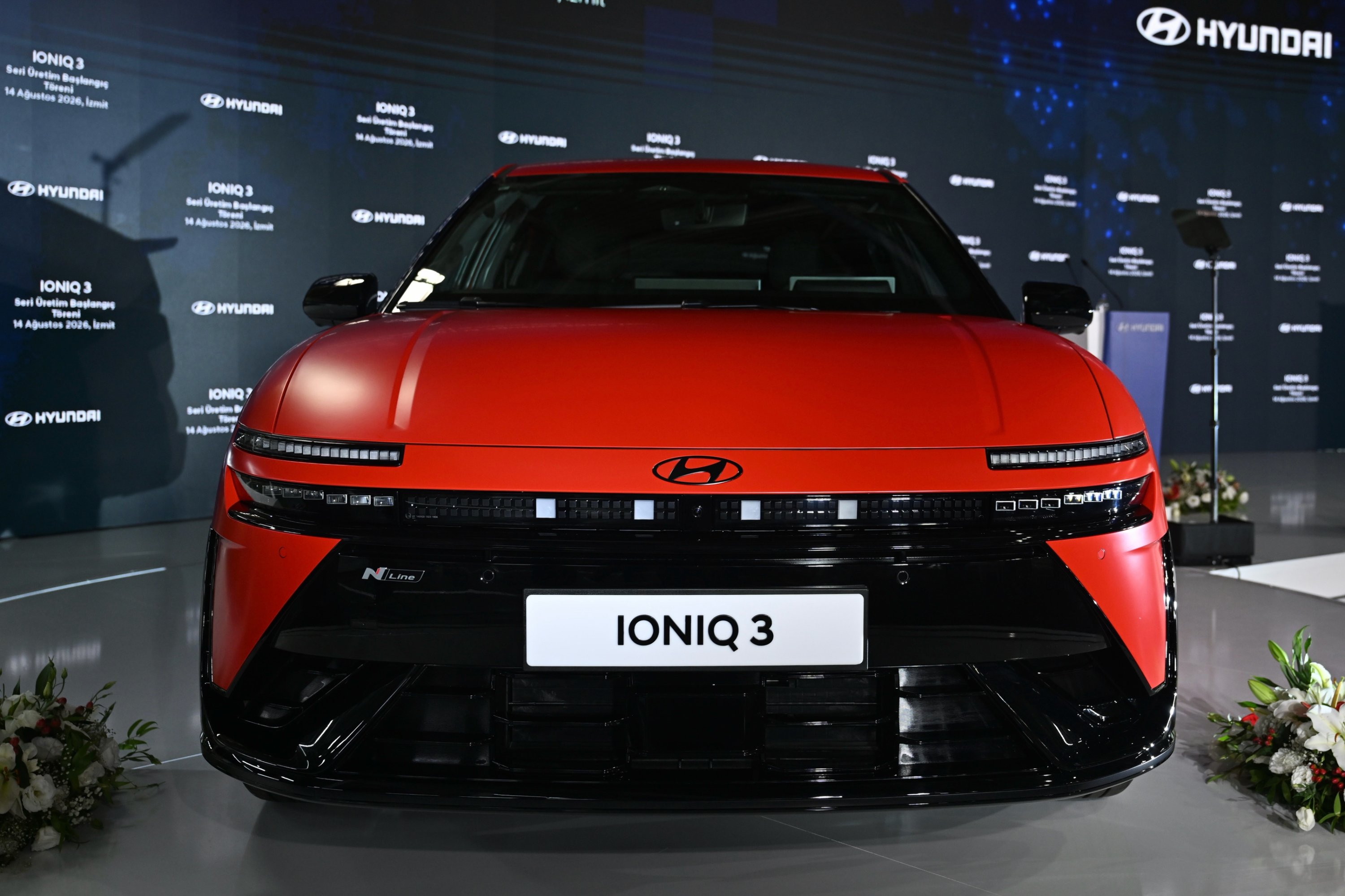
"An international automaker is producing a fully electric passenger vehicle in our country for the first time," said Kacır.
"The accompanying battery investment demonstrates that Türkiye has crossed an important threshold in its goal of becoming a global production hub for electric vehicles and battery technologies."
Hyundai is investing approximately 250 million euros in the project and will initially produce 30,000 IONIQ 3 vehicles annually at the Izmit facility.
The plant has operated in Türkiye for nearly three decades and is Hyundai's first and longest-running overseas manufacturing facility outside South Korea.
It has produced 13 different models and about 3.3 million vehicles since operations began in 1997. The Izmit plant currently produces the i20 and Bayon models.
Government investment incentives have helped expand the factory's annual production capacity from 50,000 vehicles in 2002 to 230,000 today.
Hyundai Motor Group plans to invest $90 billion globally by 2030, launching 21 fully electric and 13 hybrid models.
Kacır said the automotive industry has become one of the main pillars of Turkish manufacturing, increasing annual production from 357,000 vehicles to 1.5 million over the past 23 years.
Automotive exports have risen to $41.5 billion from $4.8 billion in 2002.
The sector directly employs around 60,000 workers in vehicle manufacturing and nearly 250,000 in the supplier industry.
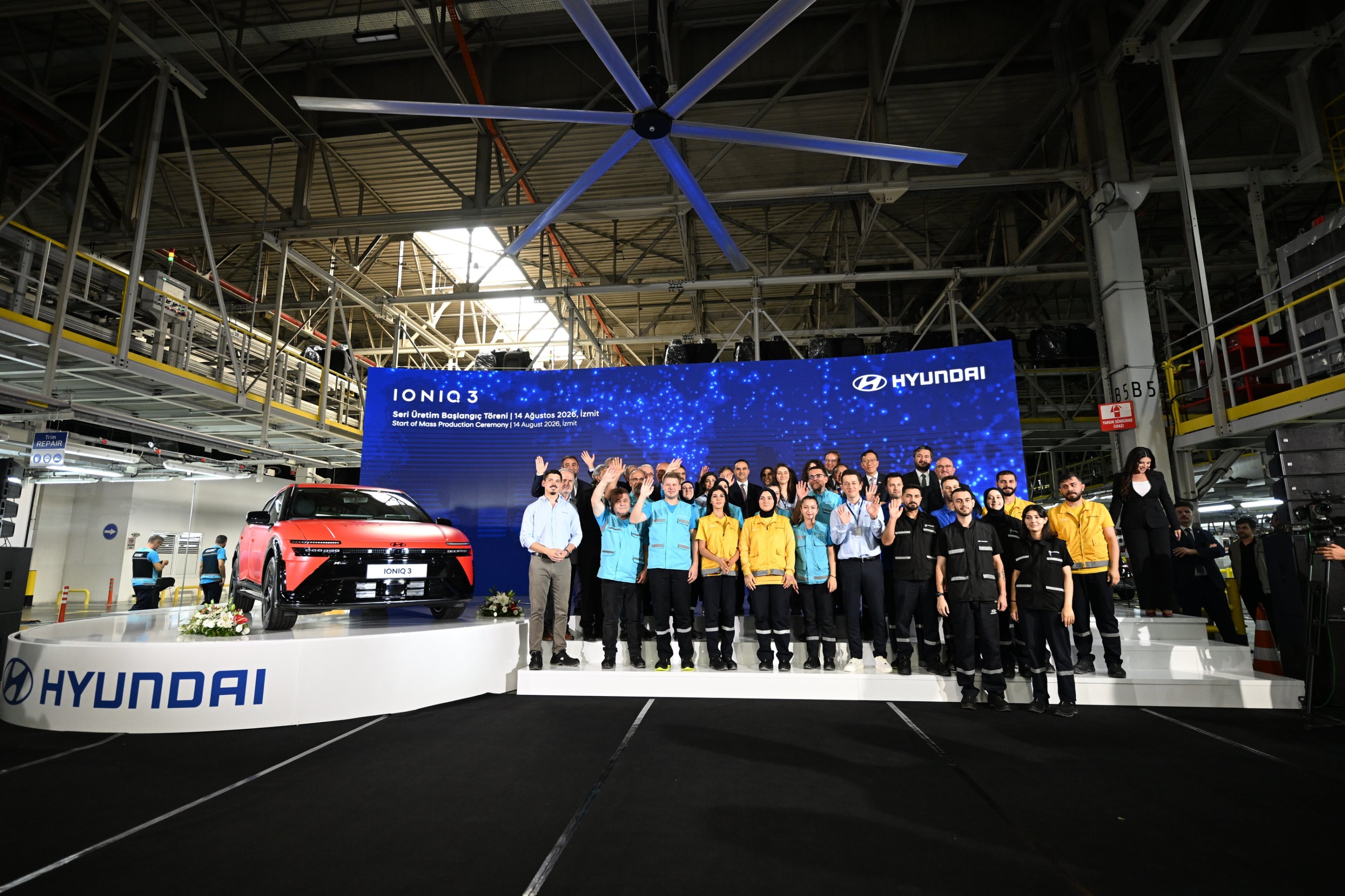
Kacır said the government views the global shift toward electrification, connected vehicles and autonomous driving technologies as an opportunity to strengthen Türkiye's industrial competitiveness.
He reiterated that the domestically developed Togg electric vehicle project was conceived not only as a car brand but as the foundation of a broader mobility ecosystem encompassing battery technologies, software, power electronics and charging infrastructure.
"The success of our new mobility vision depends on expanding the transformation initiated by Togg across the entire automotive industry," he said.
"It is therefore extremely important that global manufacturers already producing in Türkiye direct their next-generation mobility investments to our country."
Türkiye's domestic electric vehicle market has also grown rapidly.
Kacır said more than 450,000 electric vehicles are currently on Turkish roads, while fully electric models account for more than 17% of local vehicle sales this year.
The government expects the number of electric vehicles in circulation to exceed 1.5 million by 2030.
Kacır said Türkiye offers international investors significant advantages, including a large domestic market of 86 million people, a $1.6 trillion economy, an extensive supplier network and logistics infrastructure, as well as preferential access to around one billion consumers through the customs union with the European Union and free trade agreements.
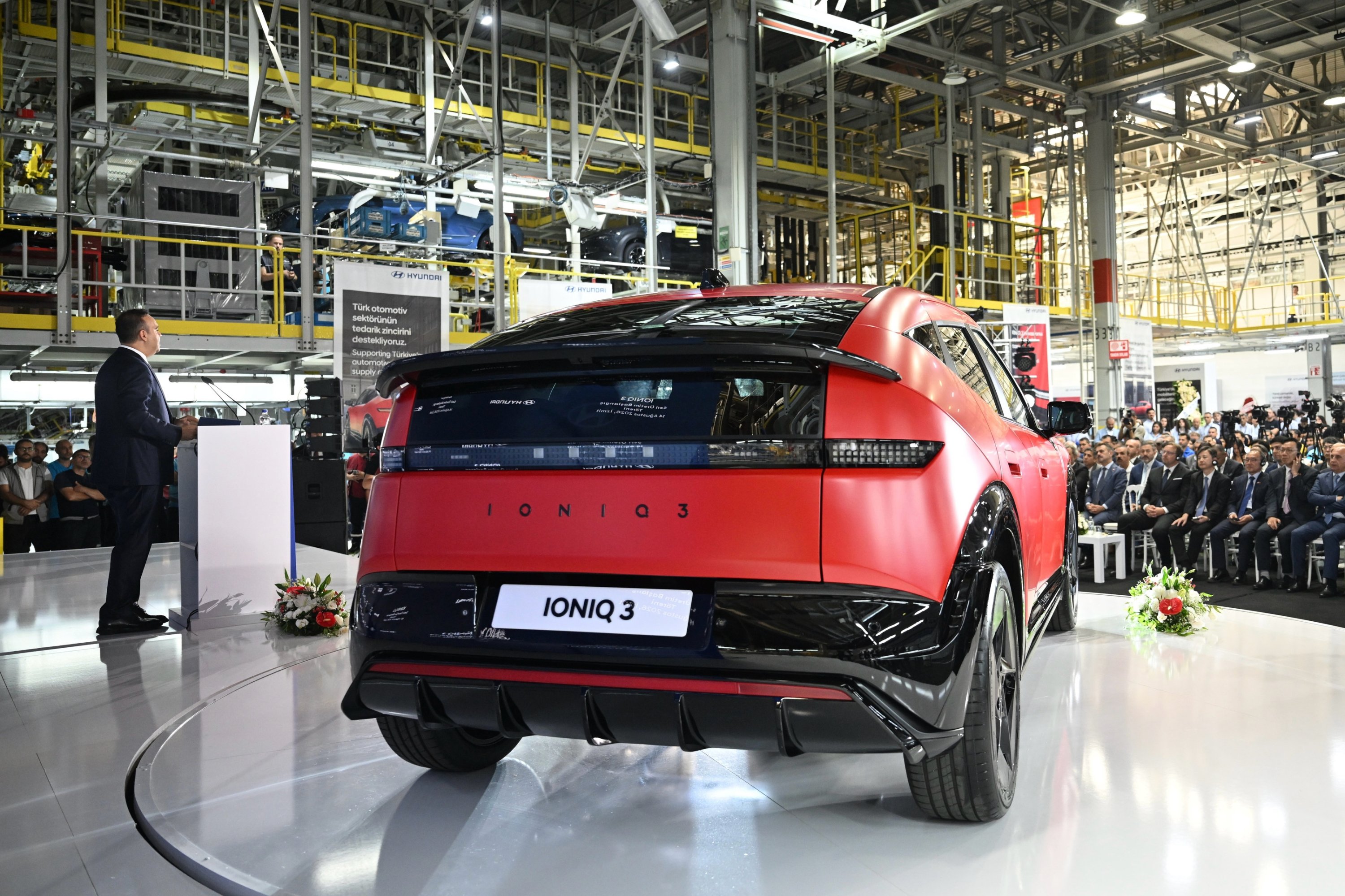
Kacır said Hyundai's investment is expected to encourage additional next-generation mobility projects and attract further foreign investment, particularly from South Korean companies.
"We hope Hyundai's investment decision will serve as an example for other South Korean companies," he said.
"Türkiye will continue to support all investors who produce, develop technology, create qualified employment and strengthen our position in global value chains."