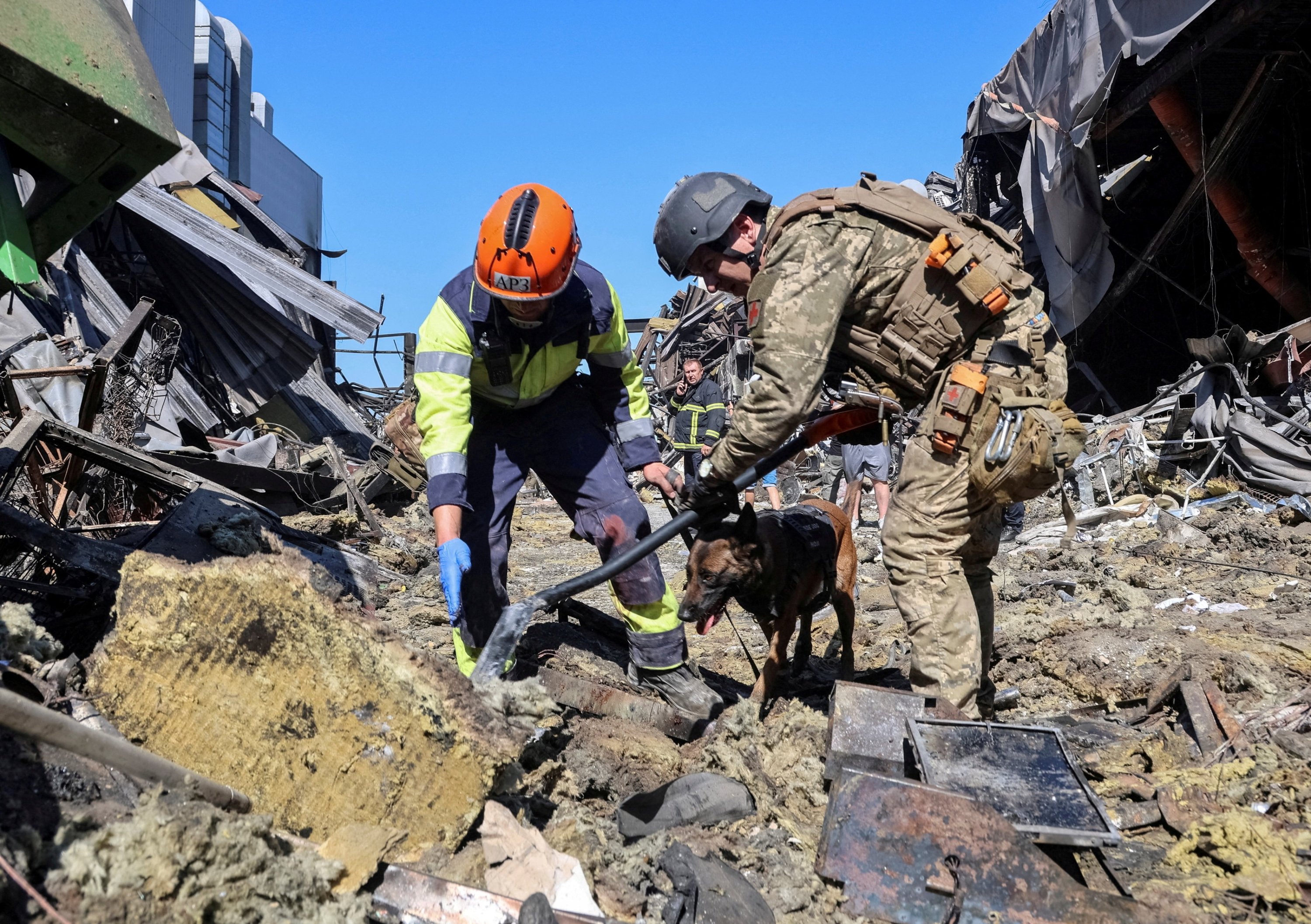
Kryvyi Rih, the hometown of Ukrainian President Volodymyr Zelenskyy, is struggling to survive. Russian airstrikes have brought the city's huge steel plant and mines to a standstill, dragging the local economy to its knees.
Mayor Oleksandr Vilkul said the sprawling industrial city – which stretches along the banks of the Inhulets River – was doing everything possible to ensure its hospitals remain open, the lights remain on in kindergartens and schools, and buses keep running.
"In Kryvyi Rih, the situation is actually worse than anywhere else, apart from the front line itself," Vilkul, 52, a former mining executive, said in a video address.
The financial squeeze on the city of about 600,000 people underlines the challenges facing Ukraine as the government navigates its biggest budget crisis since Russia's full-scale invasion in 2022.
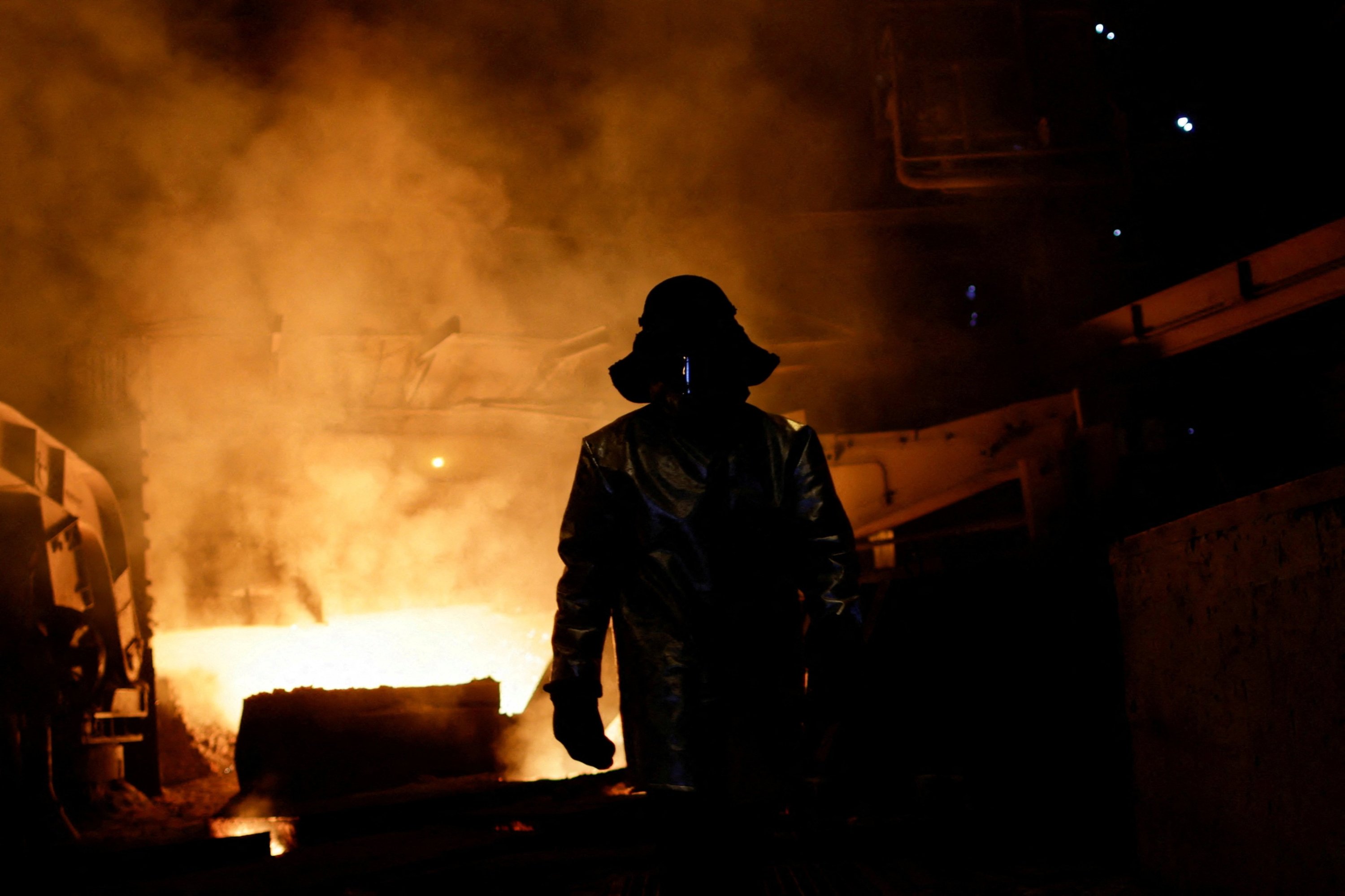
Last month, the city's largest employer – ArcelorMittal's hulking mining and steelmaking complex – suspended its operations following a series of Russian ballistic missile strikes that darkened its furnaces.
The prospects for next year, Vilkul said, are bleak.
"It's about survival. Right now, we need to survive," he said.
It's a scene played out across Ukraine's once-mighty steel industry, which accounted for a tenth of economic output before the war. Giant mills in Zaporizhzhia in the southeast and other industrial cities stand silent and exports have stopped.
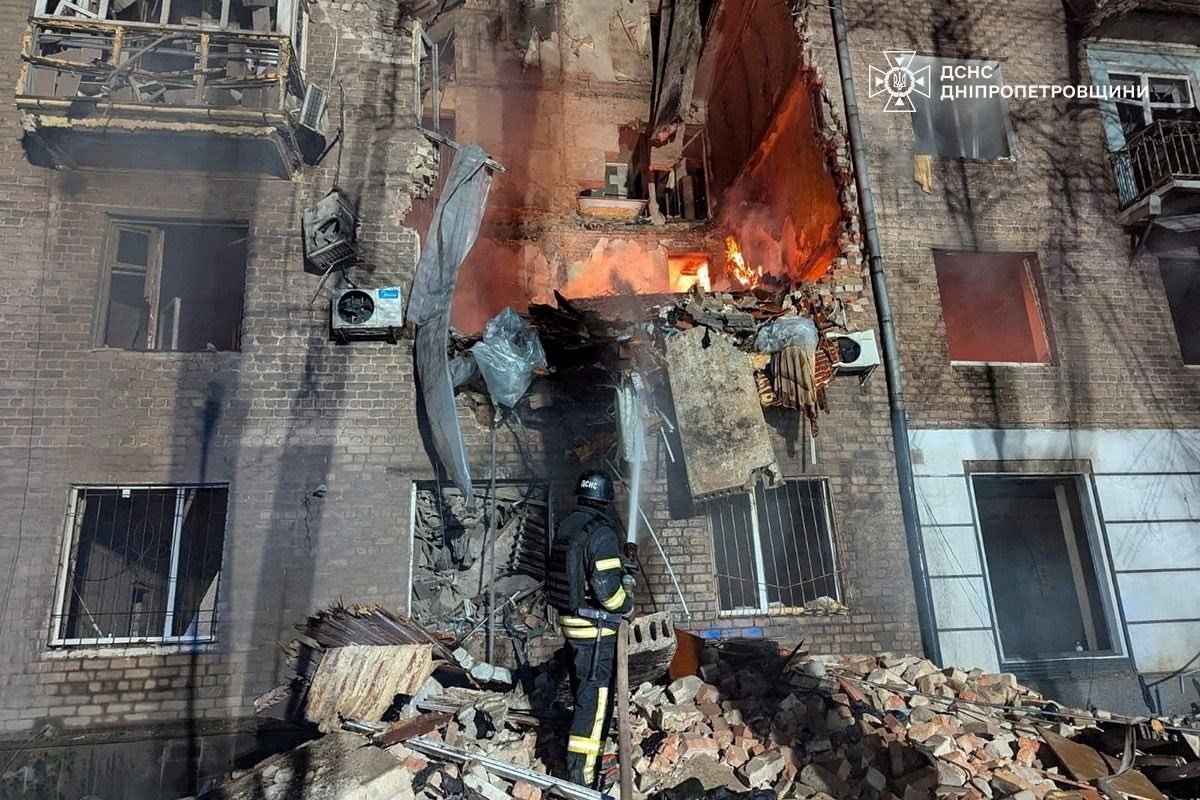
An escalation in Russia's drone and missile strikes this summer destroyed factories and warehouses across Ukraine, damaged ports and railways, and forced shops and businesses to close, slowing the growth of the economy and tax revenue.
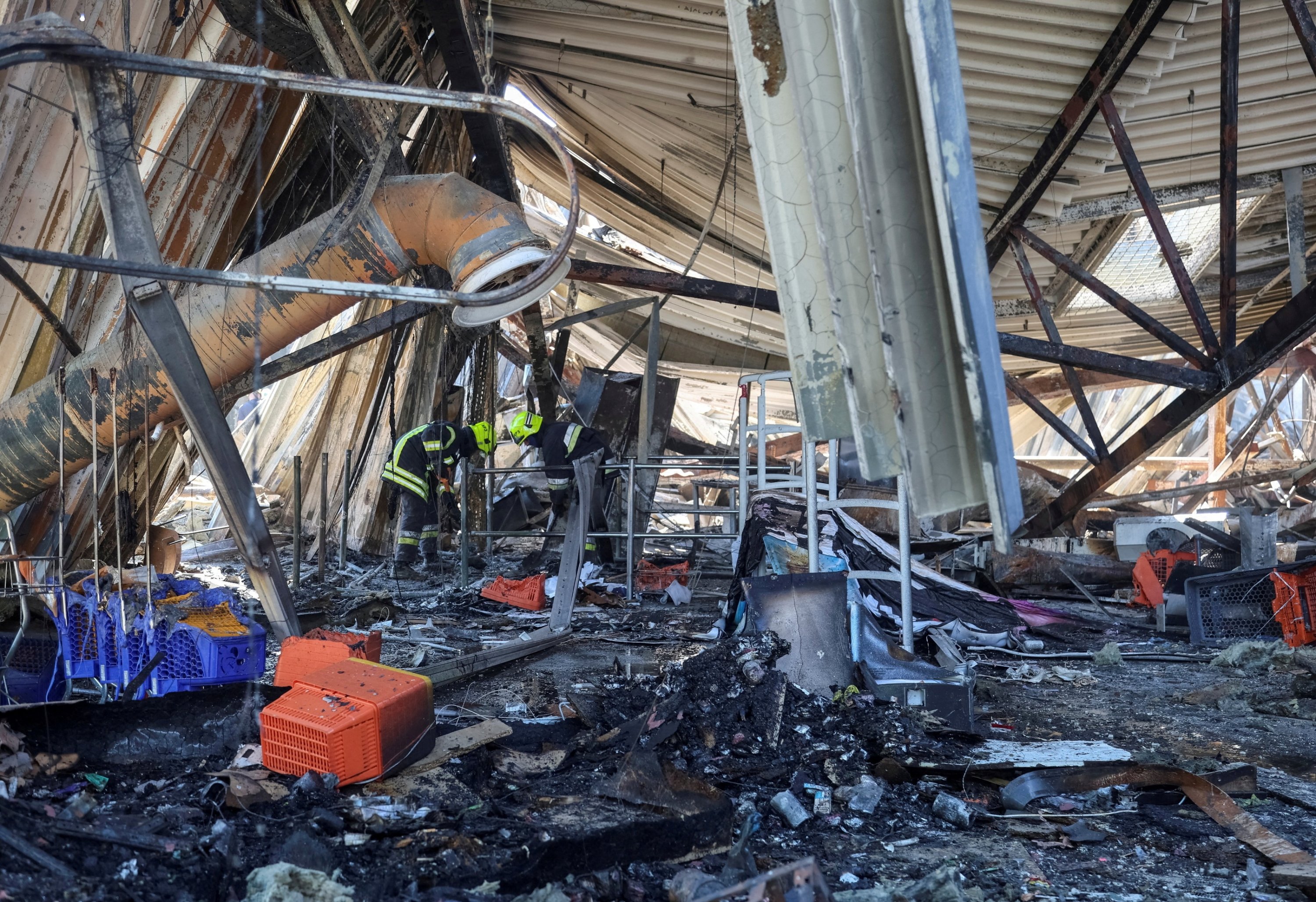
Meanwhile, the technology-driven war is becoming ever more expensive for Ukraine to fight.
Billions of euros in foreign loans have been delayed by failure to pass bills including unpopular tax reforms and anti-corruption legislation demanded by Ukraine's Western allies, leaving a gaping hole in state coffers.
Ukraine needs $56 billion to fund that gap this year – equivalent to about a quarter of its economic output. Of that, $27 billion is military spending.
To bridge the shortfall, Ukrainian officials met European partners in Brussels last week to discuss bringing forward disbursements due next year under a 90-billion-euro ($101-billion) EU loan. The European Commission and Ukraine said they had identified funds to close the gap this year.
But three sources familiar with the talks said accelerating these payments risked increasing budget pressure next year – at a time when looming election campaigns in European allies including France and Poland could erode support for Kyiv.
Prime Minister Sergii Koretskyi acknowledges the situation is "challenging." The government has been forced to freeze nonessential spending – including reconstruction of damaged buildings and infrastructure – to prioritize military spending, public sector wages and pensions.
"All resources should be channeled into critically important areas," Koretskyi told reporters.
Two years ago, a single day of fighting cost Ukraine $140 million, but that figure has jumped to $190 million, according to Roksolana Pidlasa, the head of parliament's budget committee. And that does not include direct military support to Kyiv from its Western allies.
Rising costs are driven partly by the need for expensive medium- and long-range weapons capable of striking Russia's oil refineries and military factories to reduce Moscow's ability to continue its war.
Plus, the wage bill for an expanded army is higher than ever before, and the state must support a growing number of military families of disabled or deceased soldiers.
"Expenditure will continue to rise," Pidlasa told a conference in Kyiv. "This is one more pragmatic reason why the U.S. and Europe need to act faster to force (Russia) to end this war."
In the first nine months of this year, Ukraine spent more than $44 billion on defense alone, data showed. That does not include in-kind military support from allies.
In the same period, the government was able to raise only about $42 billion in tax revenue as the economy slowed.
Pidlasa said that in the first nine months of this year, Ukraine's budget lost over 49.5 billion hryvnias ($1.1 billion) in tax revenue because of Russian attacks that not only damaged property and goods, but disrupted logistics and shut shops and businesses for hours at a time.
By the end of the year, the cumulative losses could rise to 70 billion hryvnias, the government estimates.
"We have not a temporary but a structural problem with the revenues at the very time when spending really requires resources," said Oleksandra Myronenko, an economist at the Center for Economic Strategies, a Kyiv-based think tank.
Some Ukrainian businesses have started to scale back operations. Others have put capital expenditure on hold as the country braces for a difficult winter. Business sentiment and economic expectations are darkening.
Vasyl Khmelnytskyi, founder of an industrial park in the city of Bila Tserkva near Kyiv, said he had scrapped plans to build three new factories.
"The risks are simply too great right now - both for the business and for the people," he said in a Facebook post.
Ukraine's agricultural sector – its largest source of export revenues – has been particularly hard hit. Russian attacks on Ukraine's Black Sea ports led to a 36.6% fall in grain exports year-over-year in September.
About $40 billion in export revenue is at risk this year as a result of the blockade, Economy Minister Oleksandr Kravchenko said.
Even with tens of billions of euros in foreign support, Ukraine's economy is expected to grow only between 0.5% and 1.5% this year, economists say – down from 1.8% in 2025.
During more than four years of intense fighting, Ukraine has been able to maintain macroeconomic and financial stability thanks to fiscal support from its Western partners, receiving nearly $200 billion since Russia's invasion.
But $29.5 billion in foreign aid is now at risk this year because of delays in passing reforms, Koretskyi said. The government has postponed about $900 million of capital spending until December, in the hope the legislation will be passed.
The aim is to pass all the required legislation in parliament by Oct. 15, Koretskyi said.
"Only then we will get all the money," Koretskyi said. "This is absolutely vital. It needs to be done as soon as possible."
Legislators are now discussing the budget for next year. The government has proposed record defense budget spending of $110 billion. This figure does not include direct military aid.
Finance Minister Sergii Marchenko has estimated that the unfunded budget gap for the next year is already more than $32 billion.
Part of the solution, Marchenko said, is to use frozen Russian assets in Europe to fund Ukraine's budget. EU countries immobilized some 210 billion euros of Russian central bank assets after Moscow invaded Ukraine.
"Ukraine continues to mobilize domestic resources, but the scale of Russia's war puts clear limits on our capacity," Marchenko said on the social media platform X.