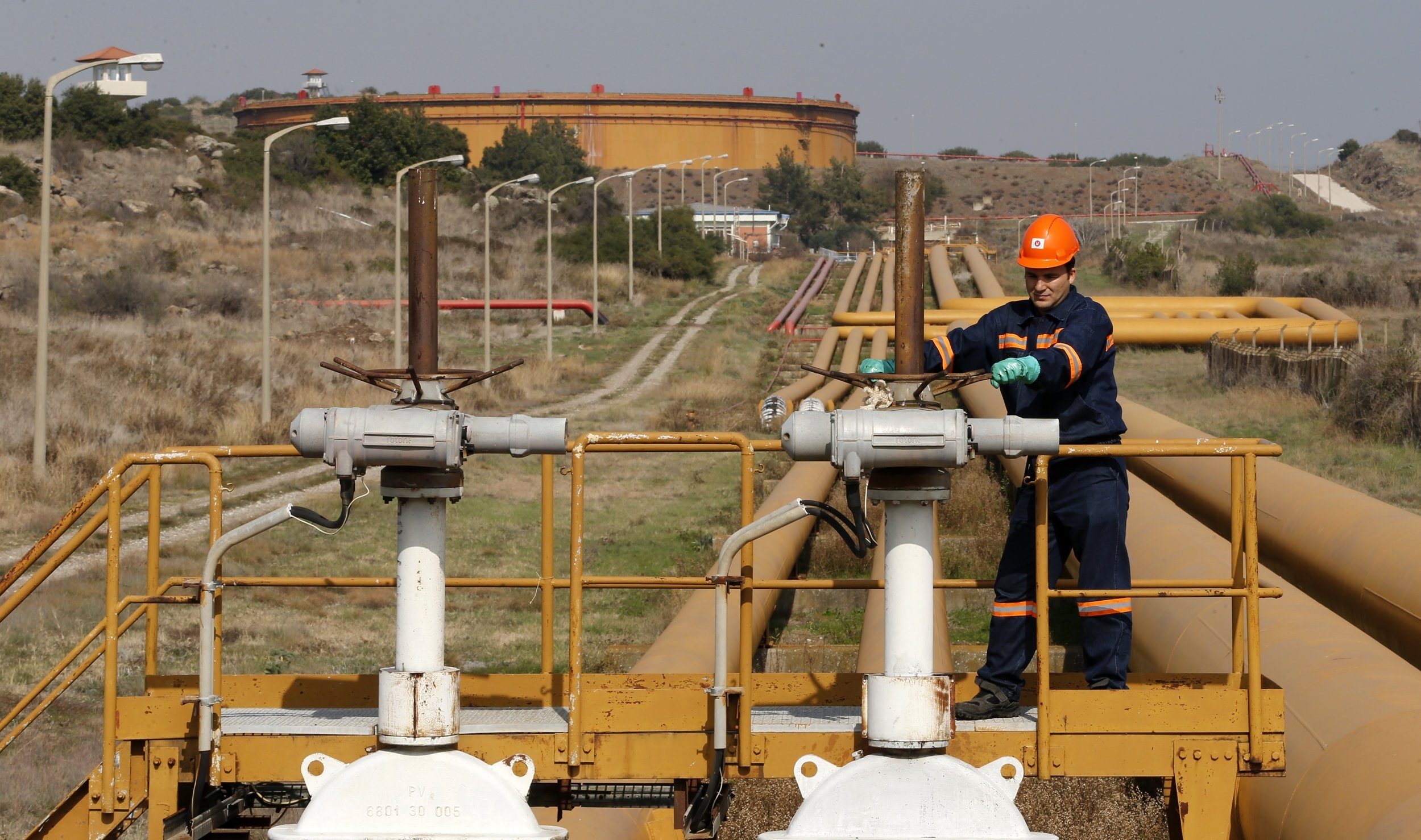
Discussions aimed at expediting the restart of oil exports from the Kurdistan Regional Government (KRG) region in northern Iraq have been postponed to Thursday amid disagreements over terms between oil companies and the Iraqi Oil Ministry, according to a report.
The meeting had been scheduled for Tuesday but initial talks on Sunday ended without agreement on key issues including how foreign companies operating in the region would be paid, forcing the two-day postponement.
The meeting was called after repeated statements by Iraqi Oil Minister Hayan Abdel-Ghani and his government, which said that the Iraq-Türkiye pipeline, which has been shut for two years, would resume exports soon.
But the Association of the Petroleum Industry of Kurdistan (APIKUR), which groups eight companies representing 60% of production from the region, said last Friday that there had been no formal approach offering any clarity on commercial agreements and guarantees of payment for past and future exports.
Iraq has come under U.S. pressure to allow KRG oil exports via Türkiye, thereby boosting supply to the global market at a time when Washington wants to reduce Iranian oil exports as part of efforts to curb Tehran's nuclear program.
Seven sources told Reuters a meeting had taken place on Sunday with no agreement made and that one of the main sticking points had been written guarantees on payment for past and future exports.
An Iraqi Oil Ministry source said that oil companies had demanded clarification on how debts accumulated between 2022 and 2023 would be repaid but were told that the meeting was held to discuss future exports and not past payments.
Other sticking points included pricing and payment mechanisms, the sources said.
The exports were halted by Türkiye in March 2023 following an arbitration ruling by the International Chamber of Commerce (ICC). The ICC ordered Ankara to pay Baghdad damages of $1.5 billion over what it said were unauthorized exports by the KRG between 2014 and 2018.
Türkiye, on the other hand, said the body had recognized most of Ankara's demands.
In October 2023, Türkiye said the pipeline was ready for operations and that it was up to Iraq to resume flows. The federal and regional governments in Iraq have been negotiating ever since over the production and transport costs payable to the region and its commercial partners.
Once the oil shipments resume, Iraq will export 185,000 barrels per day (bpd) from KRG oilfields through the pipeline with Türkiye, according to Abdel-Ghani. The quantity currently available for export from KRG oilfields is 300,000 bpd, part of which is allocated for domestic use, while the remaining 185,000 barrels will be designated for export, he has said.
Flows go through a KRG pipeline to Fish-Khabur on the northern Iraqi border, where the oil enters Türkiye and is pumped to the port of Ceyhan.
A resumption is expected to ease economic pressure in the KRG, where the halt has led to salary delays for public sector workers and cuts to essential services.
The Sunday meeting, which took place at the Oil Ministry headquarters in Baghdad, included the international oil companies operating in KRG and regional energy officials.
Oil companies and the Kurdish officials will confer with the Kurdistan Regional Government before relaying their final position to Baghdad, said one official briefed about the meeting.
Another key lingering issue is companies seeking guarantees over their contracts, the seven sources said. Reuters reported last week that the Iraqi government had made a fresh attempt to deem all Kurdish production-sharing oil contracts illegal through filings to a Baghdad court.