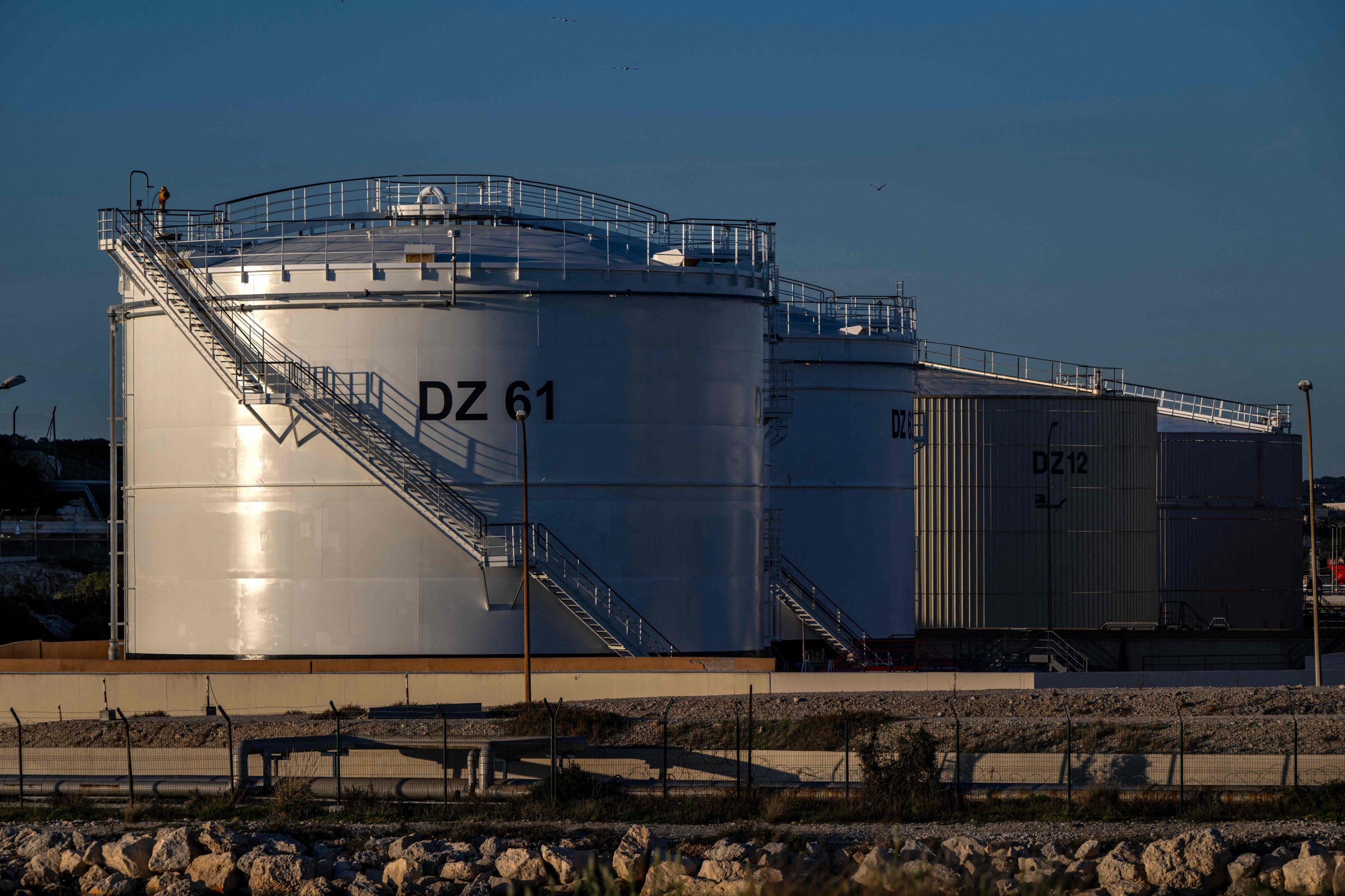
The recent decision by G-7 countries to release oil and diesel reserves may provide motorists with only short-term relief from high fuel prices, an economist at a leading German institute said.
"It can cushion the impact for a while, but the underlying problem remains," Samina Sultan of the German Economic Institute (IW) told Deutsche Presse-Agentur (dpa).
Sultan said the effect on motorists would also depend on how much diesel was included in the release, something the G-7 statement did not specify.
Disruption in the Strait of Hormuz has restricted crude oil exports and cut important refineries off from the global market.
G-7 countries agreed on Friday to release 100 million barrels of crude oil and diesel from emergency reserves over four months amid rising fuel prices. The move is part of a measure coordinated by the International Energy Agency (IEA).
The G-7 also said it would discuss possible further diesel releases.
Sultan said a lasting normalization of energy prices would require the Strait of Hormuz to reopen.
Tankers have again come under fire there in recent days, according to the United Kingdom Maritime Trade Operations (UKMTO).
"If we simultaneously see a further escalation in the Strait of Hormuz ... and nothing can get through, then the reserves will only be a drop in the ocean," Sultan said.
The U.S. government had previously called on Europe to release more diesel onto the market and had also considered restricting diesel exports.
The G-7 statement, however, explicitly said its members would refrain from imposing such restrictions.