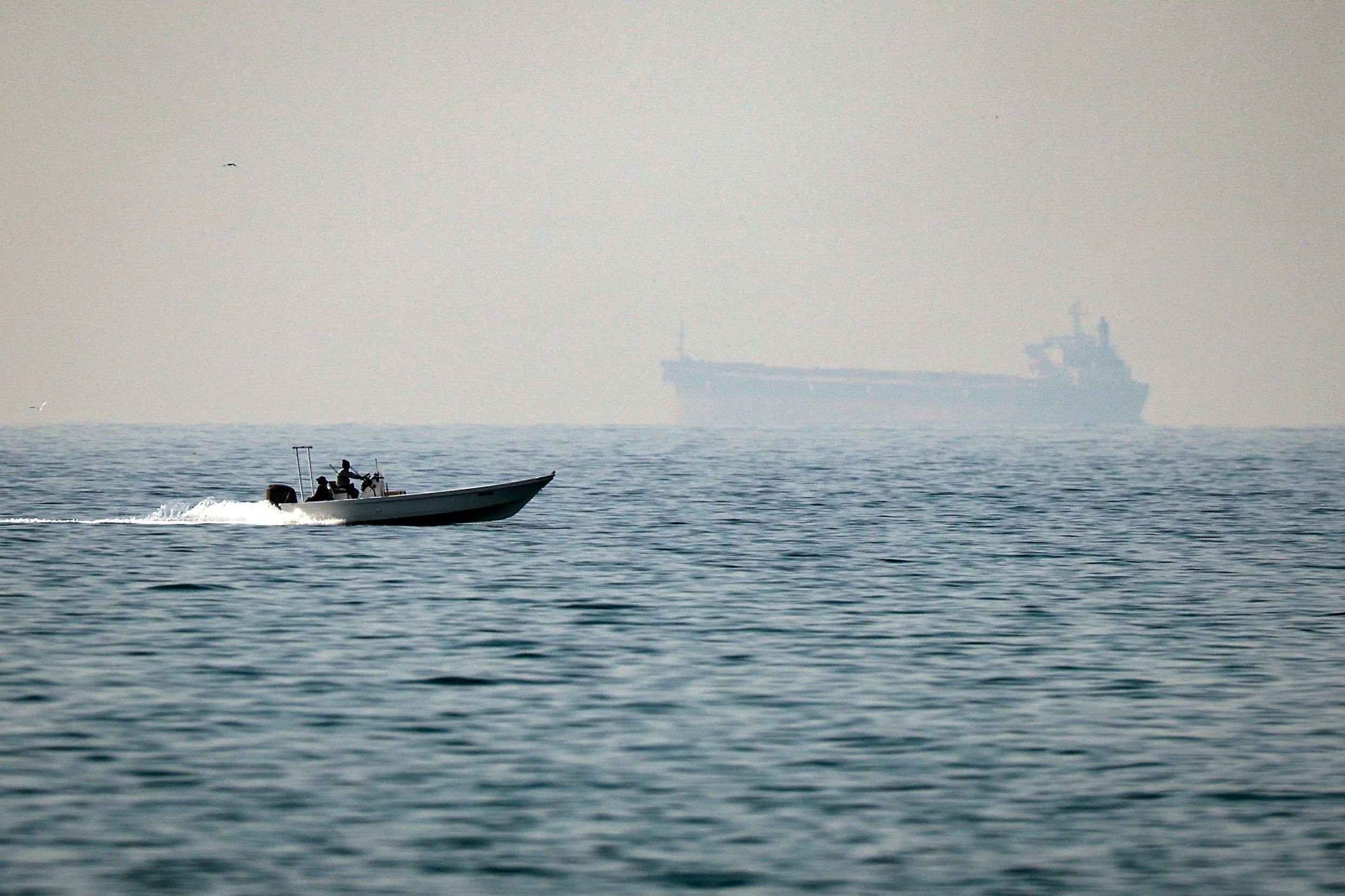
Oil prices saw fresh gains early on Tuesday to climb above $110 a barrel as a U.S.-imposed deadline loomed for Iran to open the critical Strait of Hormuz or be "taken out," with U.S. President Donald Trump threatening to order attacks on Iranian bridges and power plants.
Brent crude futures rose $1.44, or 1.3%, to $111.21 a barrel by 7 a.m. GMT, while U.S. West Texas Intermediate (WTI) crude futures were up $2.32, or 2.1%, at $114.73.
Trump has threatened to rain "hell" on Tehran if it fails to comply with his deadline of 8 p.m. EDT on Tuesday (12 a.m. GMT Wednesday) to reopen the strait, through which about a fifth of global oil supply is normally shipped, if a deal is not reached.
Responding to a U.S. proposal through mediator Pakistan, Tehran rejected a cease-fire and said a permanent end to the war was necessary, and pushed back against pressure to reopen the strait.
Iran's rejection of the U.S. cease-fire proposal has kept tensions elevated and left diplomacy hanging by a thread, said Priyanka Sachdeva, senior market analyst at Phillip Nova.
"Oil is holding its gains because the battlefield risk is no longer theoretical. Attacks on energy and shipping assets continue, and traders fear that even if the war ends, damage to infrastructure could sideline barrels for months, not days," she said.
Exports from several Gulf producers have already collapsed due to restricted flows through the Strait of Hormuz.
Iranian forces effectively shut the strait after U.S. and Israeli attacks began on Feb. 28.
"Clock-watching is now playing almost as big a role in oil markets as the fundamentals themselves in the run-up to Trump's ultimatum deadline," said Tim Waterer, chief market analyst at KCM Trade.
"The potential for a cease-fire deal offers some counterweight and could spark a relief move lower if it gains traction, but persistent supply worries from the Hormuz chokepoint and damaged energy facilities are keeping the floor under prices."
The U.N. Security Council is expected to vote on Tuesday on a resolution to protect commercial shipping in the Strait of Hormuz, but in a significantly watered-down form after veto-wielding China opposed authorizing force, diplomats said.
Attacks in the region continued with explosions heard in the Syrian capital, Damascus, and the surrounding countryside on Tuesday that were caused by the Israeli interception of Iranian missiles, Syrian state TV reported.
Saudi Arabia said on Tuesday it intercepted and destroyed seven ballistic missiles launched towards its Eastern Region, with debris falling near energy facilities.
The conflict has squeezed global crude supply, sending spot premiums for U.S. WTI crude surging to record highs as Asian and European refiners scramble to secure replacement supplies amid disrupted Middle Eastern flows.
Saudi Arabia's state oil company Aramco raised the official selling price of its Arab Light crude to Asia for May delivery, setting a record premium of $19.50 a barrel above the Oman/Dubai average.
Adding to supply concerns, Russia on Monday said Ukrainian drones attacked the Caspian Pipeline Consortium's terminal on the Black Sea, which handles 1.5% of global oil supply. Russia reported damage to loading infrastructure and storage tanks.
OPEC+ bloc agreed on Sunday to lift oil output quotas by 206,000 barrels per day (bpd) in May, though the increase will be largely notional as key members cannot boost production because the strait closures are curbing exports.