Daily Sabah logo

Politics
Diplomacy Legislation War On Terror EU Affairs Elections News Analysis
TÜRKİYE
Istanbul Education Investigations Minorities Expat Corner Diaspora
World
Mid-East Europe Americas Asia Pacific Africa Syrian Crisis Islamophobia
Business
Automotive Economy Energy Finance Tourism Tech Defense Transportation News Analysis
Lifestyle
Health Environment Travel Food Fashion Science Religion History Feature Expat Corner
Arts
Cinema Music Events Portrait Reviews Performing Arts
Sports
Football Basketball Motorsports Tennis
Opinion
Columns Op-Ed Reader's Corner Editorial
PHOTO GALLERY
JOBS ABOUT US RSS PRIVACY CONTACT US
© Turkuvaz Haberleşme ve Yayıncılık 2025

Daily Sabah - Latest & Breaking News from Turkey | Istanbul

  • Politics
    • Diplomacy
    • Legislation
    • War On Terror
    • EU Affairs
    • Elections
    • News Analysis
  • TÜRKİYE
    • Istanbul
    • Education
    • Investigations
    • Minorities
    • Expat Corner
    • Diaspora
  • World
    • Mid-East
    • Europe
    • Americas
    • Asia Pacific
    • Africa
    • Syrian Crisis
    • Islamophobia
  • Business
    • Automotive
    • Economy
    • Energy
    • Finance
    • Tourism
    • Tech
    • Defense
    • Transportation
    • News Analysis
  • Lifestyle
    • Health
    • Environment
    • Travel
    • Food
    • Fashion
    • Science
    • Religion
    • History
    • Feature
    • Expat Corner
  • Arts
    • Cinema
    • Music
    • Events
    • Portrait
    • Reviews
    • Performing Arts
  • Sports
    • Football
    • Basketball
    • Motorsports
    • Tennis
  • Gallery
  • Opinion
    • Columns
    • Op-Ed
    • Reader's Corner
    • Editorial
  • TV
  • Business
  • Automotive
  • Economy
  • Energy
  • Finance
  • Tourism
  • Tech
  • Defense
  • Transportation
  • News Analysis

Türkiye's southeast solar potential can unlock clean energy goals

by Anadolu Agency

LONDON Apr 05, 2023 - 2:04 pm GMT+3
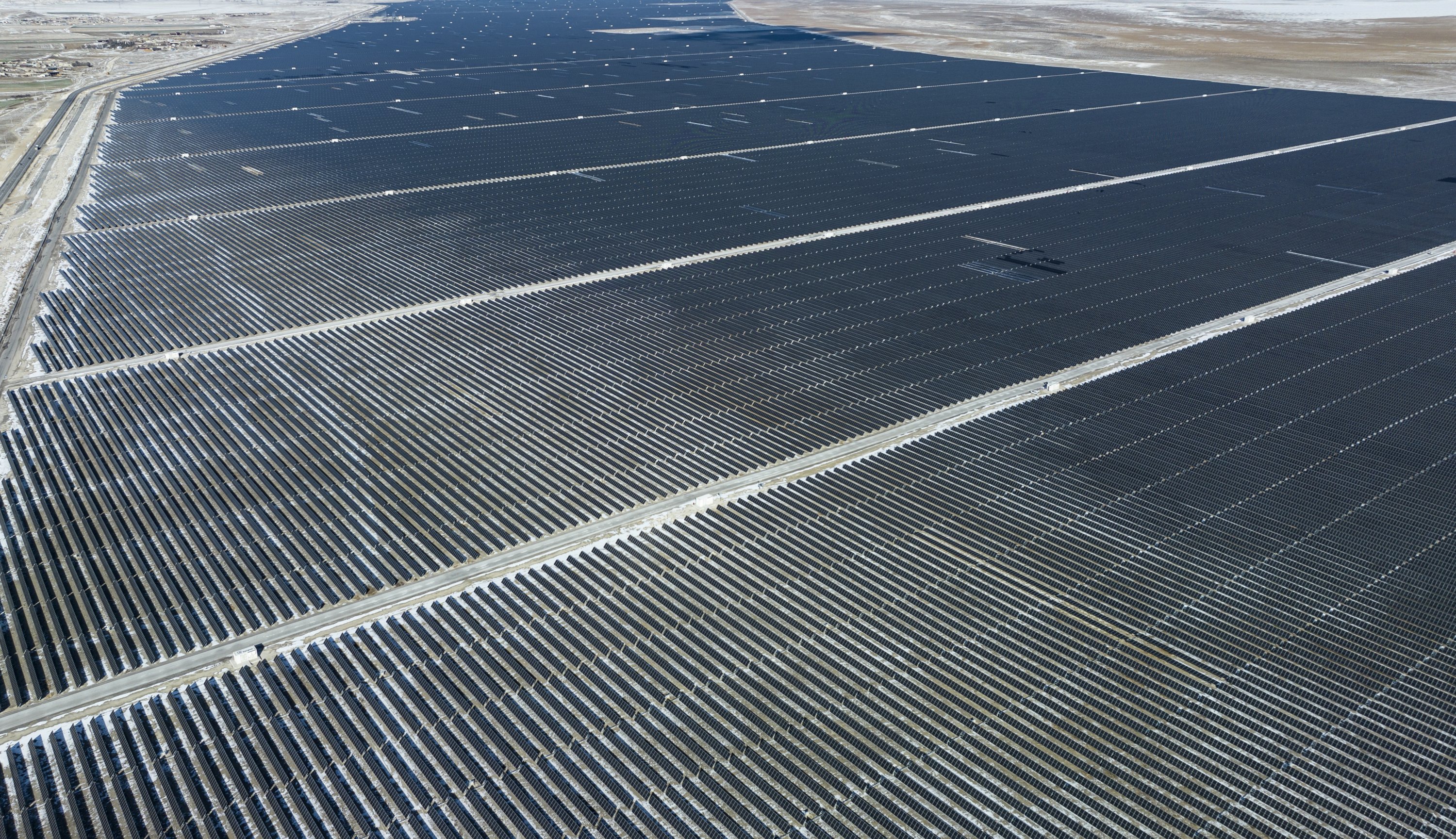
A photo taken with a drone shows the Kalyon PV Karapınar Solar Power Plant in Konya, Türkiye, Feb. 2, 2023. (EPA Photo)
by Anadolu Agency Apr 05, 2023 2:04 pm

The high solar potential in Türkiye's earthquake-hit southeastern region can help the country meet its clean energy targets by providing consistent growth in renewable electricity, according to a new analysis released Wednesday by London-based energy think tank Ember.

The analysis depicts changes in the country's clean energy generation from province to province between 2018 and 2022, emphasizing the need for increased solar deployment.

Currently, hydropower is the main source of renewable electricity in Türkiye, although this source is volatile for a renewable generation due to droughts.

Hydroelectric generation dropped by 39% in the key provinces of southeastern Şanlıurfa, Diyarbakır and eastern Elazığ from 2020 to 2021.

Türkiye compensated for the fall in hydrogeneration by increasing electricity production from natural gas, leading to higher imports.

'Türkiye relies on expensive imported gas to make up for hydro deficits. Accelerated wind and solar deployment would end this risky dependence,' Ember said in the analysis.

Türkiye generated 11% of its electricity from wind and 4.7% from solar last year.

According to the report, the country has made remarkable progress in wind and solar over the last few years. Untapped solar potential in the country's southern and southeastern provinces makes meeting clean energy targets more difficult.

Under the national energy plan, solar capacity is aimed to become Türkiye's largest energy source by 2035, rising from 9.4 gigawatts in 2022 to 32.9 gigawatts by 2030 and 52.9 gigawatts by 2035.

However, Ember says that annual solar capacity additions will need to triple from current levels to achieve this target, which is critical to unlocking the solar potential in southern provinces where potential and actual solar generation are mismatched.

Last year, only ten provinces accounted for half of the solar generation, with Konya accounting for the largest share at 21%. The shares of high-potential provinces like Antalya and Van are only 3% and 2%, respectively.

According to the analysis, 'Türkiye will need to incentivize solar in its underutilized southern and southeastern provinces to reach its goal of 3–4 GW of added solar capacity per year.'

Among the provinces with the highest solar potential are Kahramanmaraş, Adıyaman, Malatya, Gaziantep, Şanlıurfa, Mardin, Kilis and Van in the southeast, while Mersin, Karaman, Niğde, Aksaray, Antalya, Burdur and Muğla rank among the highest solar potential provinces in the country.


  • shortlink copied
  • KEYWORDS
    solar energy renewables
    The Daily Sabah Newsletter
    Keep up to date with what’s happening in Turkey, it’s region and the world.
    You can unsubscribe at any time. By signing up you are agreeing to our Terms of Use and Privacy Policy. This site is protected by reCAPTCHA and the Google Privacy Policy and Terms of Service apply.
    No Image
    Deadly landslide in Brazil's Petropolis leaves devastation behind
    PHOTOGALLERY
    • POLITICS
    • Diplomacy
    • Legislation
    • War On Terror
    • EU Affairs
    • News Analysis
    • TÜRKİYE
    • Istanbul
    • Education
    • Investigations
    • Minorities
    • Diaspora
    • World
    • Mid-East
    • Europe
    • Americas
    • Asia Pacific
    • Africa
    • Syrian Crisis
    • İslamophobia
    • Business
    • Automotive
    • Economy
    • Energy
    • Finance
    • Tourism
    • Tech
    • Defense
    • Transportation
    • News Analysis
    • Lifestyle
    • Health
    • Environment
    • Travel
    • Food
    • Fashion
    • Science
    • Religion
    • History
    • Feature
    • Expat Corner
    • Arts
    • Cinema
    • Music
    • Events
    • Portrait
    • Performing Arts
    • Reviews
    • Sports
    • Football
    • Basketball
    • Motorsports
    • Tennis
    • Opinion
    • Columns
    • Op-Ed
    • Reader's Corner
    • Editorial
    • Photo gallery
    • DS TV
    • Jobs
    • privacy
    • about us
    • contact us
    • RSS
    © Turkuvaz Haberleşme ve Yayıncılık 2021