Top U.S. and Iraqi officials on Tuesday discussed Iranian influence in the region, the need for Iraq to be energy independent and U.S. business investments, the State Department said in a statement.
U.S. Secretary of State Marco Rubio and Iraqi Prime Minister Mohammed S. Al Sudani "agreed on the need ... to quickly reopen the Iraq-Türkiye Pipeline, and to honor contractual terms for U.S. companies working in Iraq to attract additional investment," State Department spokesperson Tammy Bruce said in a statement.
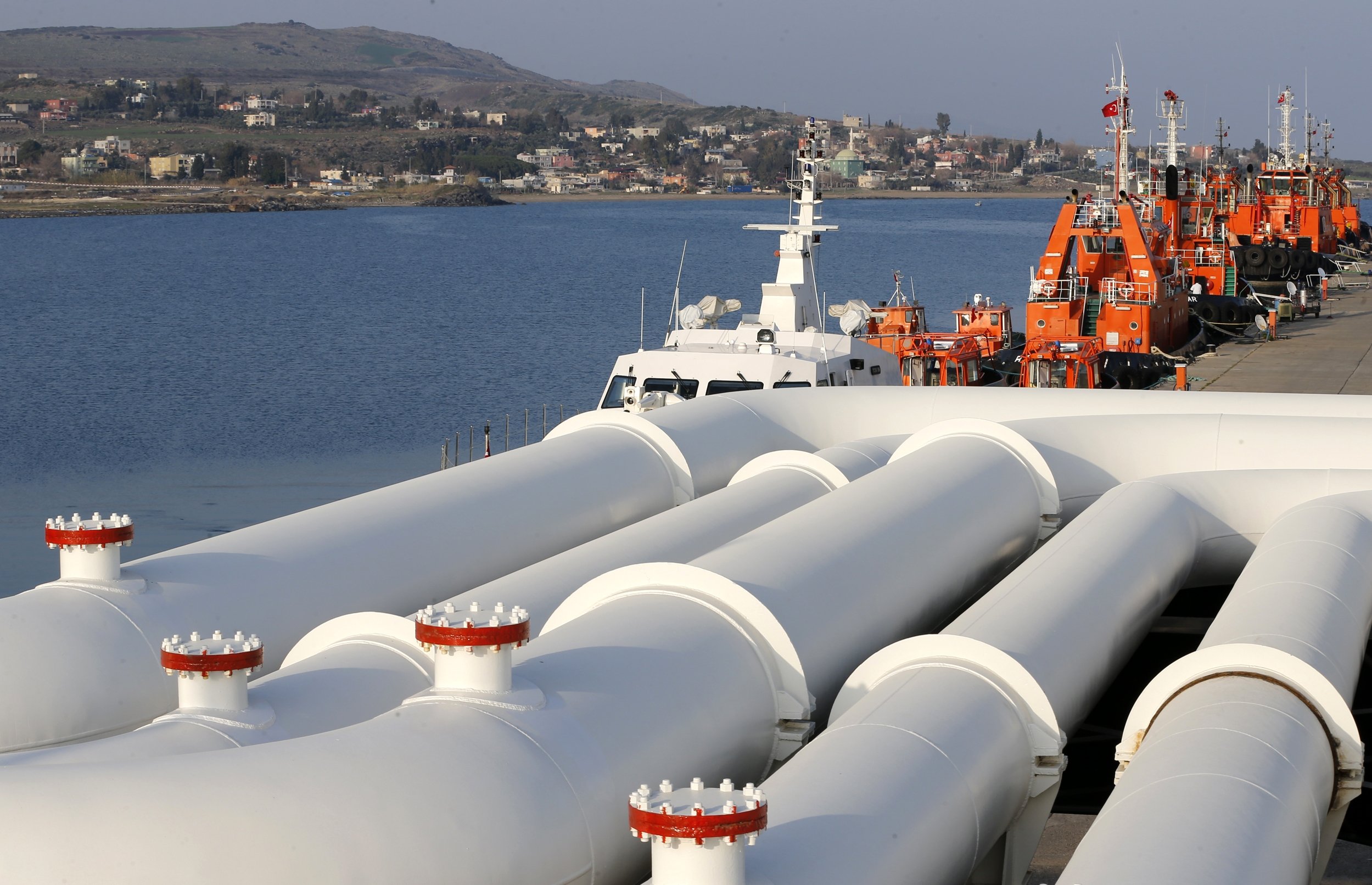
The talk came as Baghdad is waiting for Ankara's approval to restart oil exports from the Kurdistan Regional Government (KRG) region and officials have said all procedures had been completed to allow the resumption of flows via a pipeline linked to the port of Ceyhan on Türkiye's Mediterranean coast.
The exports could start within days, according to officials, resolving a nearly two-year dispute that has disrupted crude flows as ties between Baghdad and Irbil improve.
The exports were halted by Türkiye in March 2023 following an arbitration ruling by the International Chamber of Commerce (ICC). The ICC ordered Ankara to pay Baghdad damages of $1.5 billion over what it said were unauthorized exports by the KRG between 2014 and 2018.
Türkiye, on the other hand, said the body had recognized most of Ankara's demands.
In October 2023, Türkiye said the pipeline was ready for operations and that it was up to Iraq to resume flows. The federal and regional governments in Iraq have been negotiating ever since over the production and transport costs payable to the region and its commercial partners.
Once the oil shipments resume, Iraq will export 185,000 barrels per day (bpd) from KRG oilfields through the pipeline with Türkiye, Iraqi Oil Minister Hayan Abdel-Ghani said earlier this week. The quantity currently available for export from KRG oilfields is 300,000 bpd, part of which is allocated for domestic use, while the remaining 185,000 barrels will be designated for export, he said.
Flows go through a KRG pipeline to Fish-Khabur on the northern Iraqi border, where the oil enters Türkiye and is pumped to the port of Ceyhan.
A resumption is expected to ease economic pressure in the KRG, where the halt has led to salary delays for public sector workers and cuts to essential services.
Iraq's KRG authorities have agreed with the federal oil ministry to restart flows based on available volumes, the regional government said on Sunday.
U.S. President Donald Trump's administration has been putting pressure on Iraq to allow KRG oil exports to restart or face sanctions alongside Iran, sources have told Reuters.
An Iraqi official later denied pressure or the threat of sanctions.
Rubio and Al Sudani also discussed the U.S.-Iraq strategic partnership and the importance of Iraq's stability and sovereignty as well as reducing Iran's influence and the fight against the Daesh terrorist group, Bruce said.
During the call, Rubio also "reaffirmed the importance of Syria not becoming a haven for terrorism or posing a threat to its neighbors," according to the statement.
A statement from Al Sudani's office said the two agreed to enhance communication and deepen cooperation between their countries and reviewed progress in joint efforts across various sectors.