Daily Sabah logo

Politics
Diplomacy Legislation War On Terror EU Affairs Elections News Analysis
TÜRKİYE
Istanbul Education Investigations Minorities Expat Corner Diaspora
World
Mid-East Europe Americas Asia Pacific Africa Syrian Crisis Islamophobia
Business
Automotive Economy Energy Finance Tourism Tech Defense Transportation News Analysis
Lifestyle
Health Environment Travel Food Fashion Science Religion History Feature Expat Corner
Arts
Cinema Music Events Portrait Reviews Performing Arts
Sports
Football Basketball Motorsports Tennis
Opinion
Columns Op-Ed Reader's Corner Editorial
PHOTO GALLERY
JOBS ABOUT US RSS PRIVACY CONTACT US
© Turkuvaz Haberleşme ve Yayıncılık 2026

Daily Sabah - Latest & Breaking News from Turkey | Istanbul

  • Politics
    • Diplomacy
    • Legislation
    • War On Terror
    • EU Affairs
    • Elections
    • News Analysis
  • TÜRKİYE
    • Istanbul
    • Education
    • Investigations
    • Minorities
    • Expat Corner
    • Diaspora
  • World
    • Mid-East
    • Europe
    • Americas
    • Asia Pacific
    • Africa
    • Syrian Crisis
    • Islamophobia
  • Business
    • Automotive
    • Economy
    • Energy
    • Finance
    • Tourism
    • Tech
    • Defense
    • Transportation
    • News Analysis
  • Lifestyle
    • Health
    • Environment
    • Travel
    • Food
    • Fashion
    • Science
    • Religion
    • History
    • Feature
    • Expat Corner
  • Arts
    • Cinema
    • Music
    • Events
    • Portrait
    • Reviews
    • Performing Arts
  • Sports
    • Football
    • Basketball
    • Motorsports
    • Tennis
  • Gallery
  • Opinion
    • Columns
    • Op-Ed
    • Reader's Corner
    • Editorial
  • TV
  • Business
  • Automotive
  • Economy
  • Energy
  • Finance
  • Tourism
  • Tech
  • Defense
  • Transportation
  • News Analysis

Over $18 trillion wiped off world stocks since beginning of 2020

by Daily Sabah with Agencies

ISTANBUL Apr 05, 2020 - 1:35 pm GMT+3
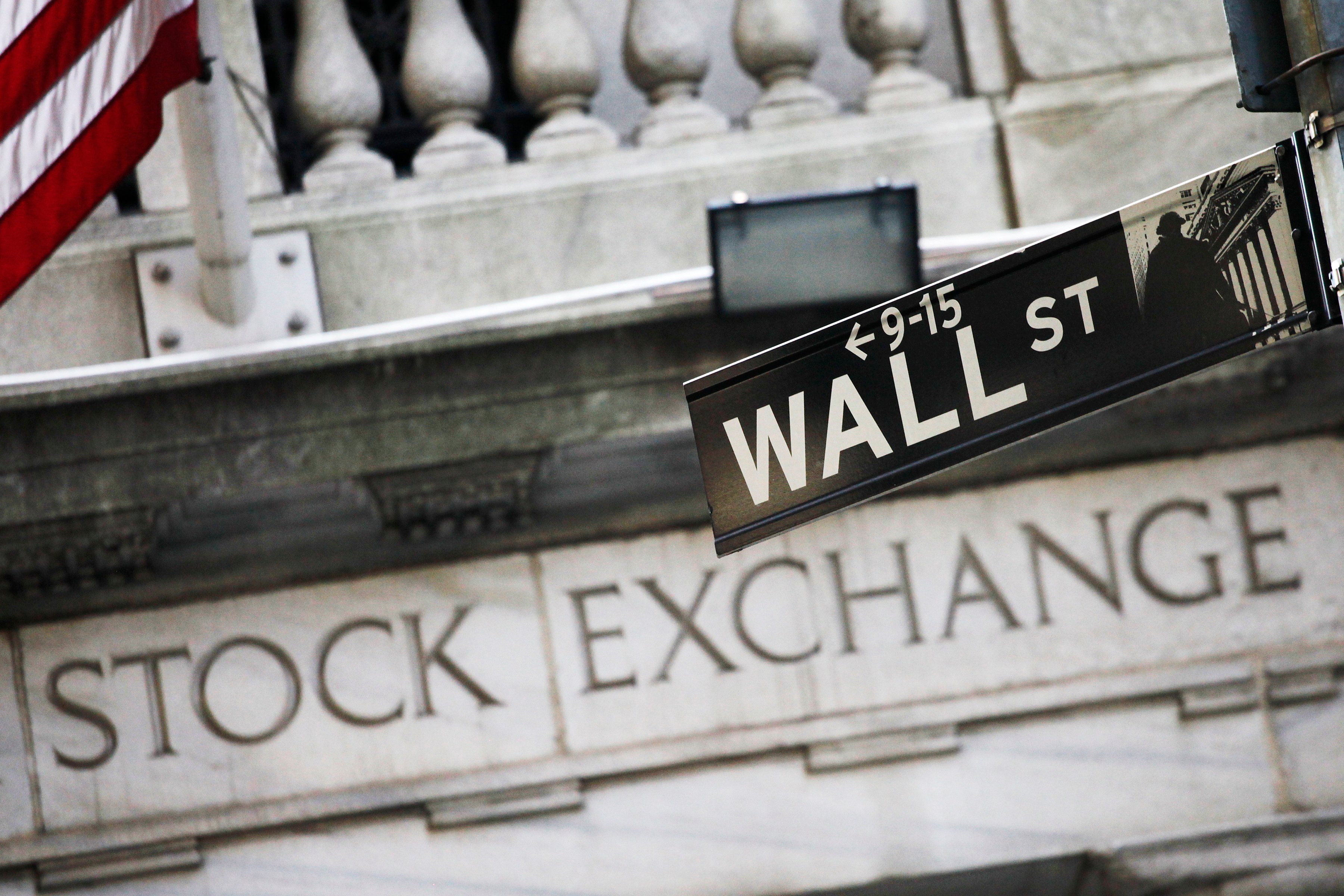
This July 16, 2013, file photo shows a street sign for Wall Street outside the New York Stock Exchange in New York, U.S. (AP Photo)
by Daily Sabah with Agencies Apr 05, 2020 1:35 pm

Central Banks and governments’ aggressive monetary and fiscal policy responses helped markets bounce back over the past two weeks but many investors expect markets to remain incredibly volatile for some time

The coronavirus pandemic wiped more than $18 trillion (TL 121 trillion) off global equities from the beginning of 2020 to date as investors look for signals, from infection counts to more traditional indicators, for clues on when the prolonged uncertainty would end.

The Institute of International Finance (IIF) said in its weekly report published Friday that the pandemic has caused a 20% decline in the world’s stock market capitalization to under $70 trillion since the beginning of the year.

It added that the prospect of an imminent recovery was low as cross-asset volatility remains at very high levels despite aggressive monetary and fiscal policy responses over the past two weeks. G-20 governments have promised a $5 trillion revival effort, major central banks have cut rates and restarted asset purchases, which caused a temporary rally more than a week ago.

“With both retail and institutional investors hoarding cash at an exceptional pace, lack of visibility on corporate earnings and anticipated job losses is undermining investor appetite for risk assets – particularly for stocks,” the report said.

To underline the extent of economic disruption expected in upcoming months, the IIF said the corporate earnings predictions for 2020 are being slashed much faster than they were during the 2008-09 global financial crisis. Analysts cut this year’s corporate earnings estimates by over 10%, varying from 12% in Europe, 8% in the U.S., 5% in China to over 25% in Latin America.

Volatility and corporate borrowing market stress were also exacerbated on worries that whole sectors could go bust, airlines have had half their value vaporized while cratering economies risk a new wave of government debt crises.

Meanwhile, investors looking for a shelter pushed sit-on-your-sofa-suited stocks like Netflix and Amazon to 14.5% and 6.5% respectively and some specialist medical equipment companies have also surged. Ultra-safe U.S. government bonds have returned 12% as the Federal Reserve cut U.S. interest rates to effectively zero, leading a charge of around 62 interest rate cuts globally.

Sovereign debt stress adds pressure on emerging markets and low-income countries

The IIF said more countries receiving virus-related emergency financing from International Monetary Fund (IMF) has increased the cost of insuring sovereign bonds against default for many emerging and low-income countries, especially energy-exporting countries like Angola, Ecuador, Nigeria, and Zambia.

“With outstanding public and publicly guaranteed long-term external debt of over 25% of GDP (gross domestic product), many low and lower-middle-income countries now face much higher debt servicing costs than a decade ago,” the report said.

With nearly 65% of public external debt is denominated in the U.S. dollar, the strengthening of the USD due to the global high demand puts additional pressure on low and low-middle income countries, the report said.

The risk of collapsing economies is especially real for already heavily indebted African economies, which are responsible for nearly half of the total loans and borrowings of low and low-middle income countries that will mature this year.

The International Monetary Fund on March 25 said it had received requests for emergency financing from close to 20 African countries, with requests from another 10 or more likely to follow. The IMF has since approved credit facilities for at least two West African nations – Guinea and Senegal – facing virus-related economic disruption.


  • shortlink copied
  • KEYWORDS
    covid-19 outbreak stock markets international monetary fund coronavirus
    The Daily Sabah Newsletter
    Keep up to date with what’s happening in Turkey, it’s region and the world.
    You can unsubscribe at any time. By signing up you are agreeing to our Terms of Use and Privacy Policy. This site is protected by reCAPTCHA and the Google Privacy Policy and Terms of Service apply.
    Soil brought from the countryside for use in pottery production is first processed in the large mixer at the factory to separate out stones in the Menemen district, where approximately 30 companies operate in pottery production, Izmir province, western Turkey.
    Centuries-old tradition: Journey of soil to pot in Turkey's Izmir
    PHOTOGALLERY
    • POLITICS
    • Diplomacy
    • Legislation
    • War On Terror
    • EU Affairs
    • News Analysis
    • TÜRKİYE
    • Istanbul
    • Education
    • Investigations
    • Minorities
    • Diaspora
    • World
    • Mid-East
    • Europe
    • Americas
    • Asia Pacific
    • Africa
    • Syrian Crisis
    • İslamophobia
    • Business
    • Automotive
    • Economy
    • Energy
    • Finance
    • Tourism
    • Tech
    • Defense
    • Transportation
    • News Analysis
    • Lifestyle
    • Health
    • Environment
    • Travel
    • Food
    • Fashion
    • Science
    • Religion
    • History
    • Feature
    • Expat Corner
    • Arts
    • Cinema
    • Music
    • Events
    • Portrait
    • Performing Arts
    • Reviews
    • Sports
    • Football
    • Basketball
    • Motorsports
    • Tennis
    • Opinion
    • Columns
    • Op-Ed
    • Reader's Corner
    • Editorial
    • Photo gallery
    • DS TV
    • Jobs
    • privacy
    • about us
    • contact us
    • RSS
    © Turkuvaz Haberleşme ve Yayıncılık 2021