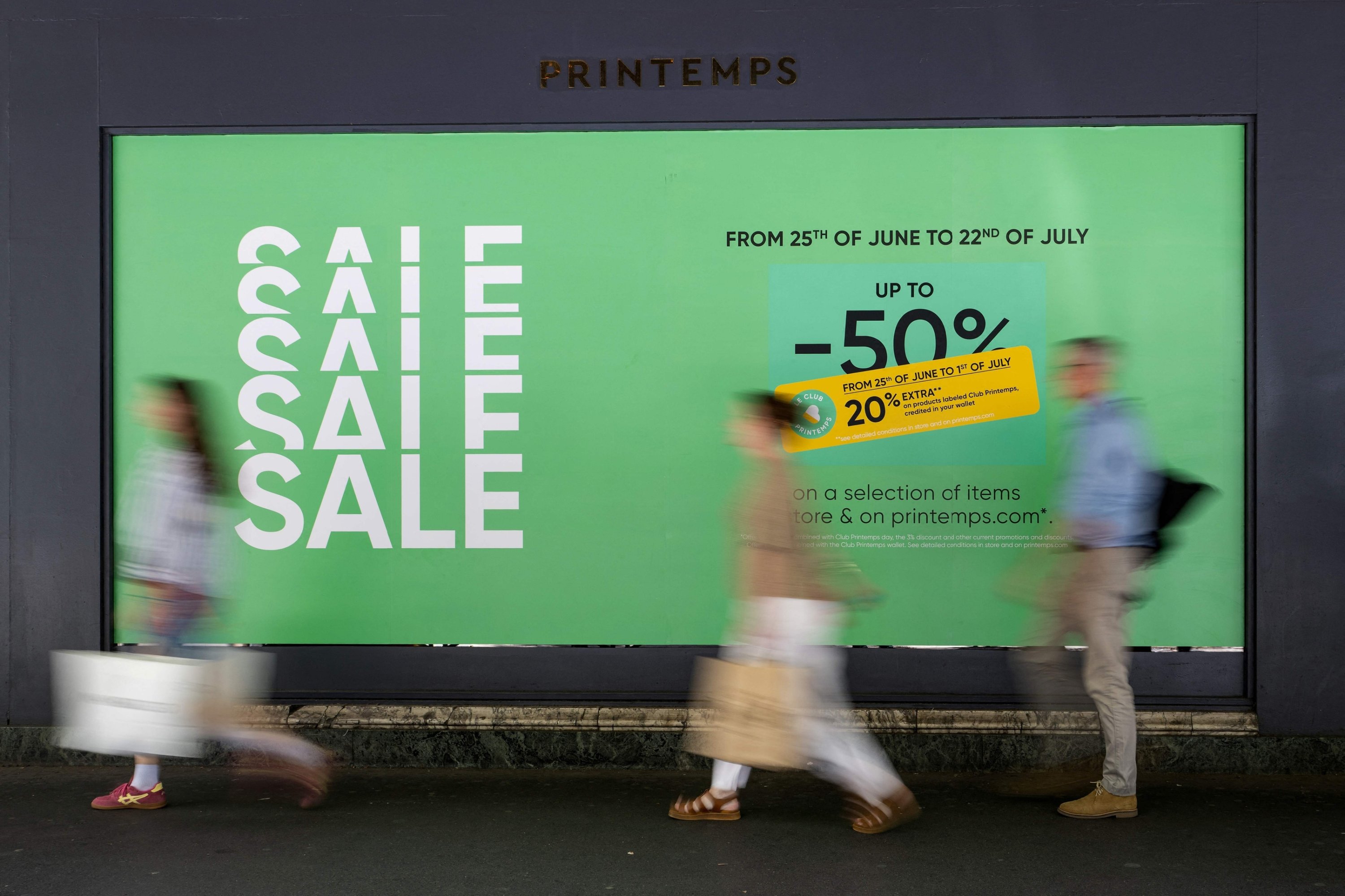
Germany has joined France and the Netherlands in calling for tougher measures to curb the environmental impact of ultra-fast fashion, adding momentum to efforts to tighten European regulations on the rapidly growing industry.
"We can see that this is placing an enormous strain on the environment," said German State Secretary for the Environment Jochen Flasbarth on Thursday.
"The consumption of resources is enormous. Ultimately, these textiles are produced only to end up in the bin, and we want to curb that," Flasbarth said on the sidelines of a meeting of EU environment ministers in Luxembourg.
The term ultra-fast fashion refers to businesses that mass-produce low-quality clothing sold mainly online, quickly adapting to trends, often by using algorithms and data analytics.
The three European Union countries leading the initiative are calling for additional measures on the use of recycled materials as well as improved recyclability and repairability of textiles.
"Ultimately, the aim is to strengthen producer responsibility," Flasbarth said.
"In other words: those who are foreseeably producing increasing volumes of waste must also contribute to its disposal and bear a share of the costs," he said.