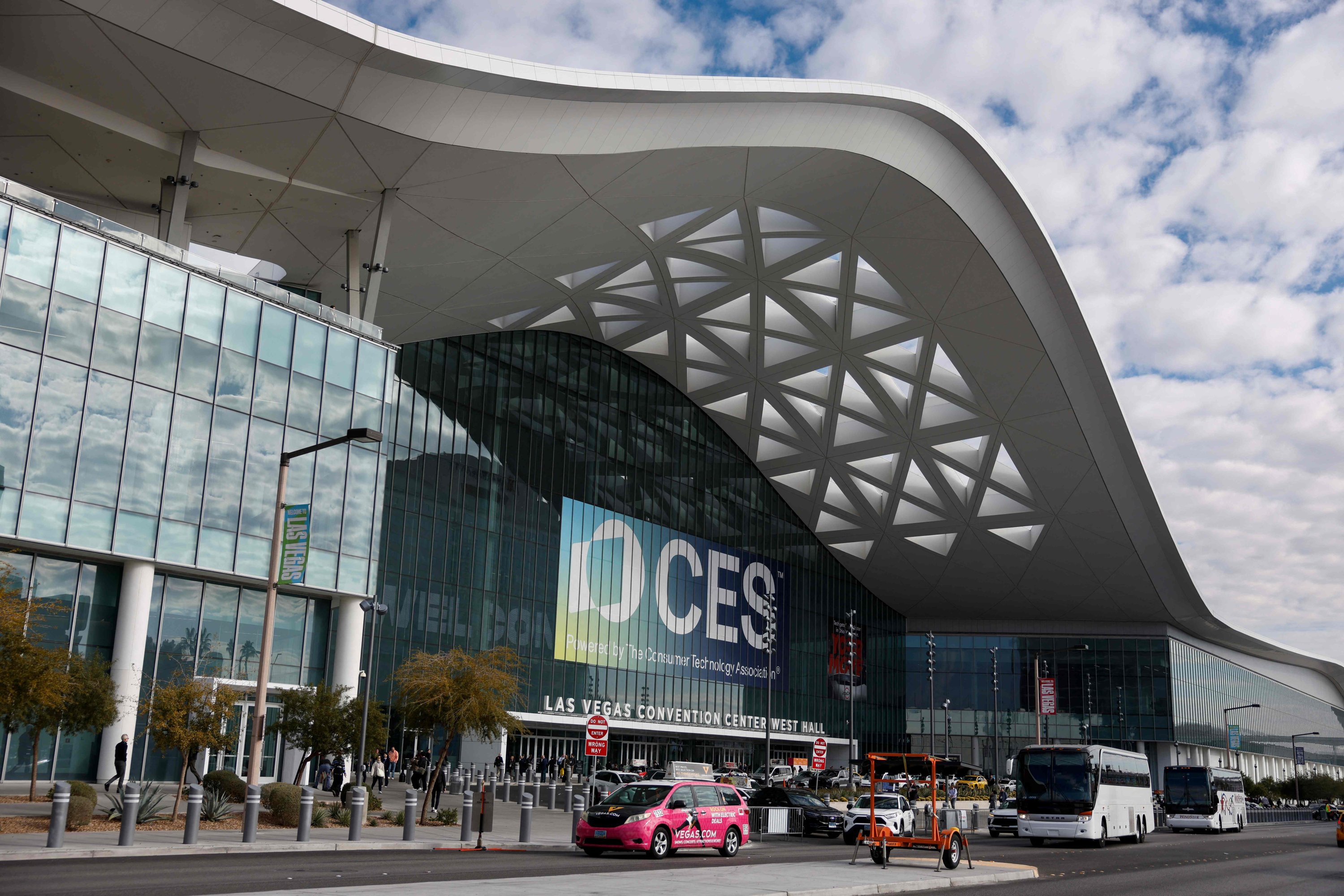
Once seen as experimental, artificial intelligence technologies are now appearing in cars, consumer electronics, smart home systems and next-generation robotics solutions.
And the world's largest technology fair, CES, has become the event where AI's integration into daily life reached an entirely new depth.
As this year's edition opened its doors in Las Vegas, one of the most attention-grabbing figures onstage was Nvidia founder and CEO Jensen Huang.
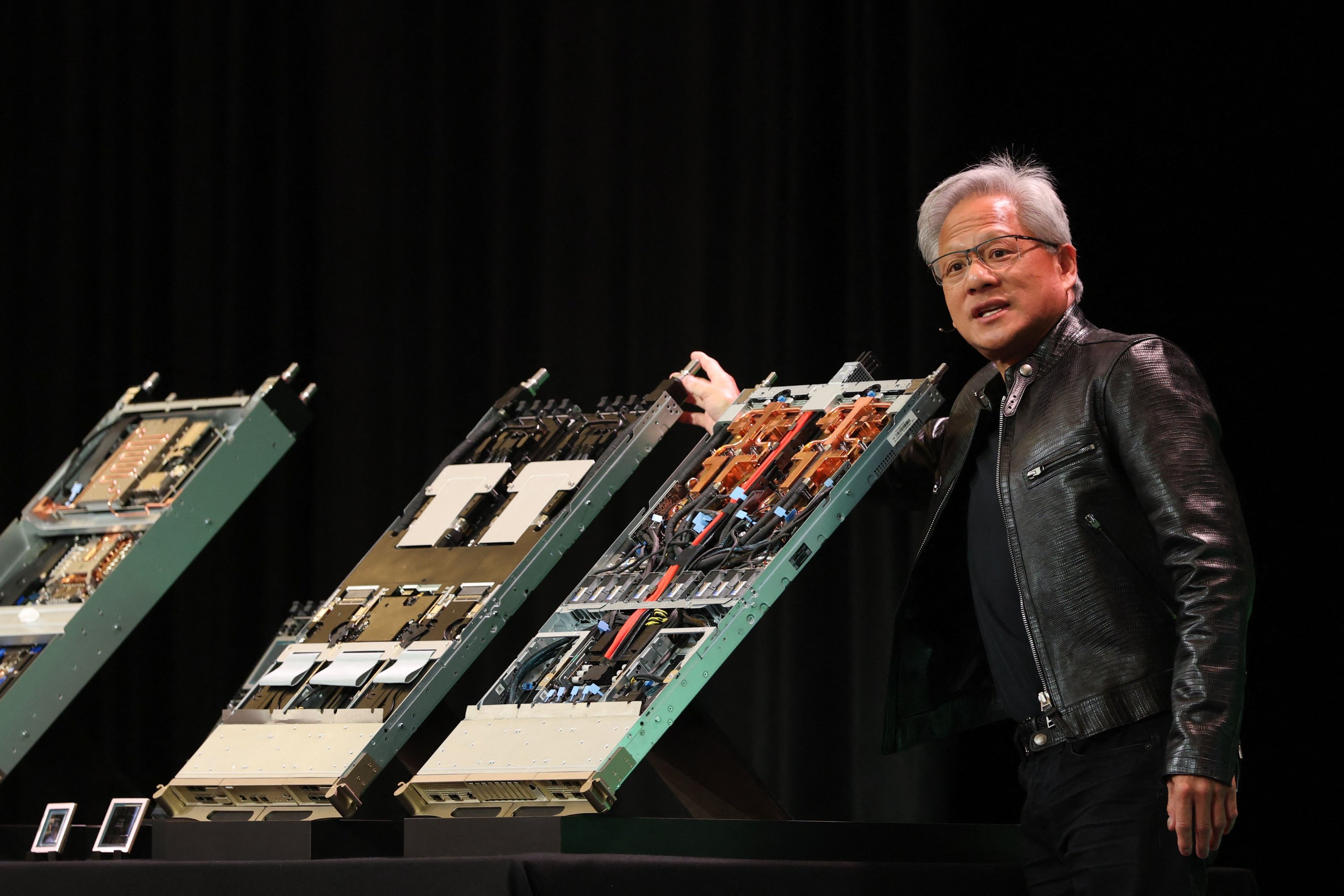
In his keynote address, Huang laid out his company's comprehensive vision for the transformation of artificial intelligence and computing.
He highlighted the concept of "physical AI," emphasizing that artificial intelligence has entered a phase where it no longer operates solely in the virtual world but actively enables machines to move, interact with and understand their physical environments.
Within this vision, Huang said Nvidia is repositioning itself from being merely "a chip company" to becoming a full-scale AI systems provider.
One of the most striking moments of the presentation was the announcement that the company's next-generation AI platform, Vera Rubin, has entered full-scale production.
Promising five times faster processing performance than previous-generation systems, along with significant cost advantages, the platform aims to make AI training and inference far more efficient.
Huang also introduced a new AI model called "Alpamayo," designed to enable autonomous vehicles not only to process environmental data but also to make decisions in complex traffic situations using human-like reasoning and cognitive abilities.
As part of a collaboration with Mercedes-Benz, the first vehicles powered by Alpamayo are expected to appear on U.S. roads in the near future.
During his speech, the Nvidia CEO also detailed the company's strategic vision for how artificial intelligence will become more deeply embedded across sectors, from automotive to heavy industry, through training infrastructures for robots, advanced simulation systems and industrial AI platforms.
At the fairgrounds, technology enthusiasts are not limited to Nvidia's announcements alone; artificial intelligence has emerged as the year's hottest trend, alongside robotics, autonomous vehicles, health technologies and smart devices reshaping everyday life.
Türk Telekom, which plays a leading role in Türkiye's digital transformation, continues to strengthen its support for the entrepreneurship ecosystem on a global scale through TT Ventures.
For more than a decade, its venture capital arm has contributed to the development of startup and innovation culture in Türkiye, helping innovative business models scale both locally and internationally.
With its office in San Francisco and strong global connections, TT Ventures aims to bring Turkish startups onto the world stage.
As part of this strategy, it has joined the Investor Partnership Program of CES 2026, one of the most important meeting points in the technology world.
By participating in the program ahead of CES, held in Las Vegas between Jan. 6-9 under the theme "AI Everywhere," TT Ventures has strategically expanded its global investor network.
Through exclusive meetings organized at CES under the Investor Partnership Program, startups in the TT Ventures portfolio gained direct access to international investment funds and technology leaders.
At the same time, the platform helps connect Türkiye's innovative startups and technology investment ecosystem with global investors, making the country's capabilities in the technology sector more visible worldwide.
The artificial intelligence-driven transformation of the automotive industry turned out to be one of the standout themes at this year's edition of the CES trade show.
Automakers are moving beyond software-defined vehicles (SDVs) toward platforms increasingly defined by artificial intelligence. Here, real-time perception, prediction and split-second decision-making are emerging as core capabilities.
This shift is being accelerated both by drivers demanding more context-aware driver assistance systems and by smart cities seeking safer and more efficient mobility solutions.
We will see this transformation clearly reflected in the new autonomy stacks now entering the market. For example, Rivian's in-house autonomy platform, built around a custom chip developed on Arm's computing architecture, aims to enable a broad range of advanced autonomy capabilities across future vehicles and other autonomous systems.
Tesla's next-generation AI5 chip, based on Arm's computing platform, delivers up to 40 times higher AI performance compared to its predecessor. This leap underscores how efficiency and scalability have become central as physical AI expands beyond traditional driver-assistance systems.
Meanwhile, Nvidia's Arm-based DRIVE Thor platform powers Lenovo's HPC 3.0 system behind WeRide's Level 4 robotaxi model GXR.
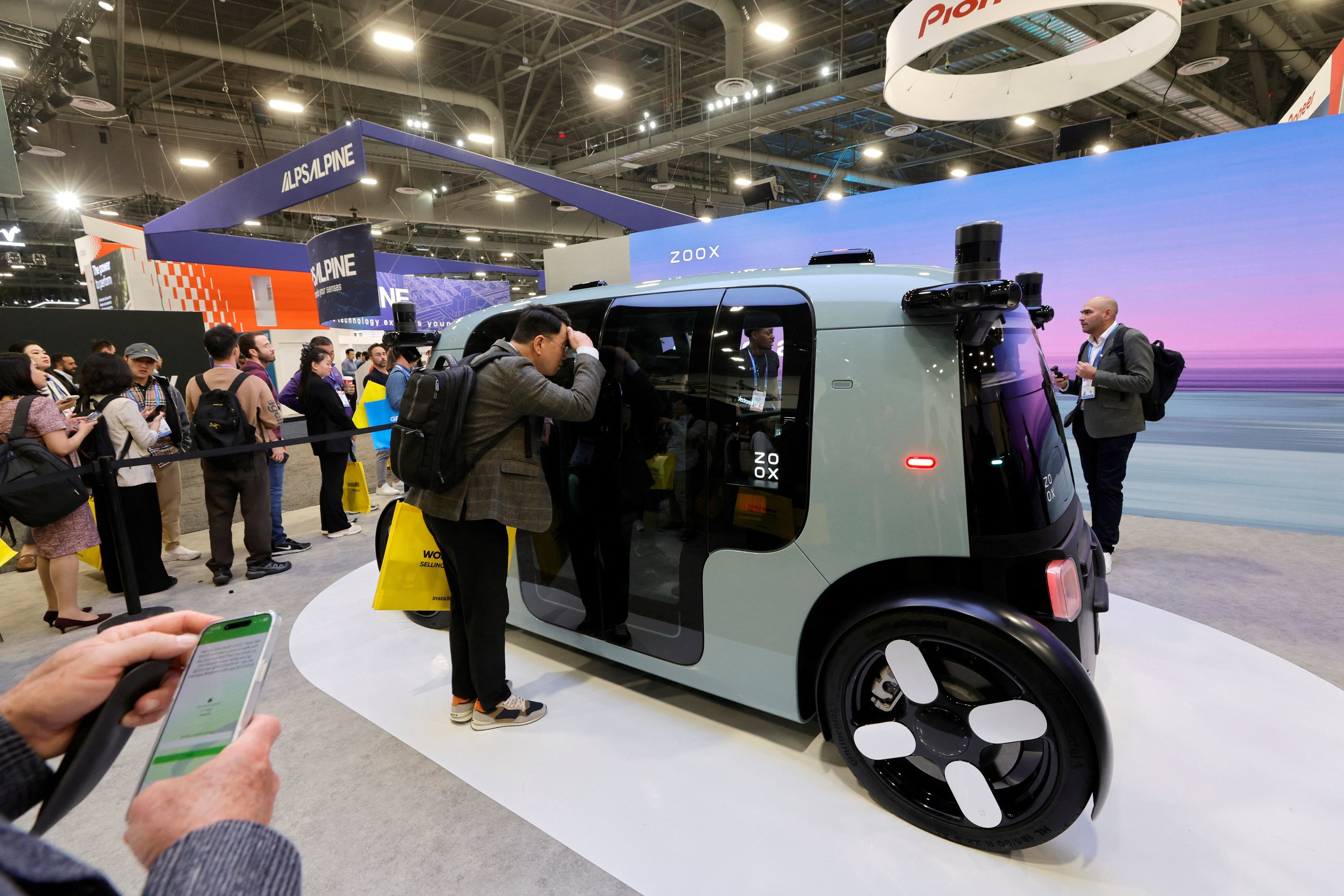
Autonomous mobility players such as Nuro, Wayve and Zoox continue to refine and scale their services within defined operational domains, bringing fully autonomous transportation closer to everyday life.
Extended reality (XR) tools are becoming training grounds for physical artificial intelligence. Robots are learning from their digital twins. Wearable devices are beginning to anticipate needs in advance. Devices can now adapt themselves in real time.
Throughout this process, Arm's computing platform carries the heavy load behind the intelligence that enables machines to perceive, reason and take action.
At CES 2026, TCL showcased not only its display technologies but also a broad portfolio of AI-powered smart home solutions designed to make everyday life smarter.
Among the products introduced were the TCL FreshIN 3.0 Air Conditioner, the GeniusFresh Refrigerator, the AmeraClassic washer and dryer series and the TCL AI SuperDrum washer-dryer combo.
In addition, TCL smart locks offer advanced biometric security, AI-powered access, and seamless smart home control, while TCL Smart Home Energy Solutions aim to reduce energy costs, boost efficiency and support a low-carbon lifestyle through an end-to-end, AI-driven energy ecosystem covering power conversion, batteries and energy management.
Robot services are no longer confined to factories. They are increasingly being used in homes and care facilities, particularly to support the elderly and assist with patient care. In other words, robots are entering our lives in ways tailored to our personal needs.
Robotic assistants are now stepping in to handle many daily household tasks. Brands such as Samsung and SwitchBot (with its new Onero H1 model) showcased home robots capable of everything from making coffee to folding laundry.
These robots also work seamlessly with smart home devices. At CES, Samsung highlighted innovations that combine AI-personalized care features with powerful hardware performance to enhance life at home. This year, Samsung is expanding its Bespoke AI home appliance lineup with smarter fabric care, intuitive temperature control and more effortless cleaning experiences.
These developments are designed to adapt to users' lifestyles through fluid synergy between devices.
Standout innovations include the upgraded Bespoke AI AirDresser, the Bespoke AI Washer Dryer, the Bespoke AI WindFree Pro Air Conditioner and the flagship Bespoke AI Jet Bot Steam Ultra robot vacuum.
The dream of a zero-effort home is rapidly becoming a reality. LG's humanoid robot CLOiD was introduced as part of its "Zero Labor Home" vision, designed to take over household chores. AI-optimized services are now becoming the centerpiece of smart home living.
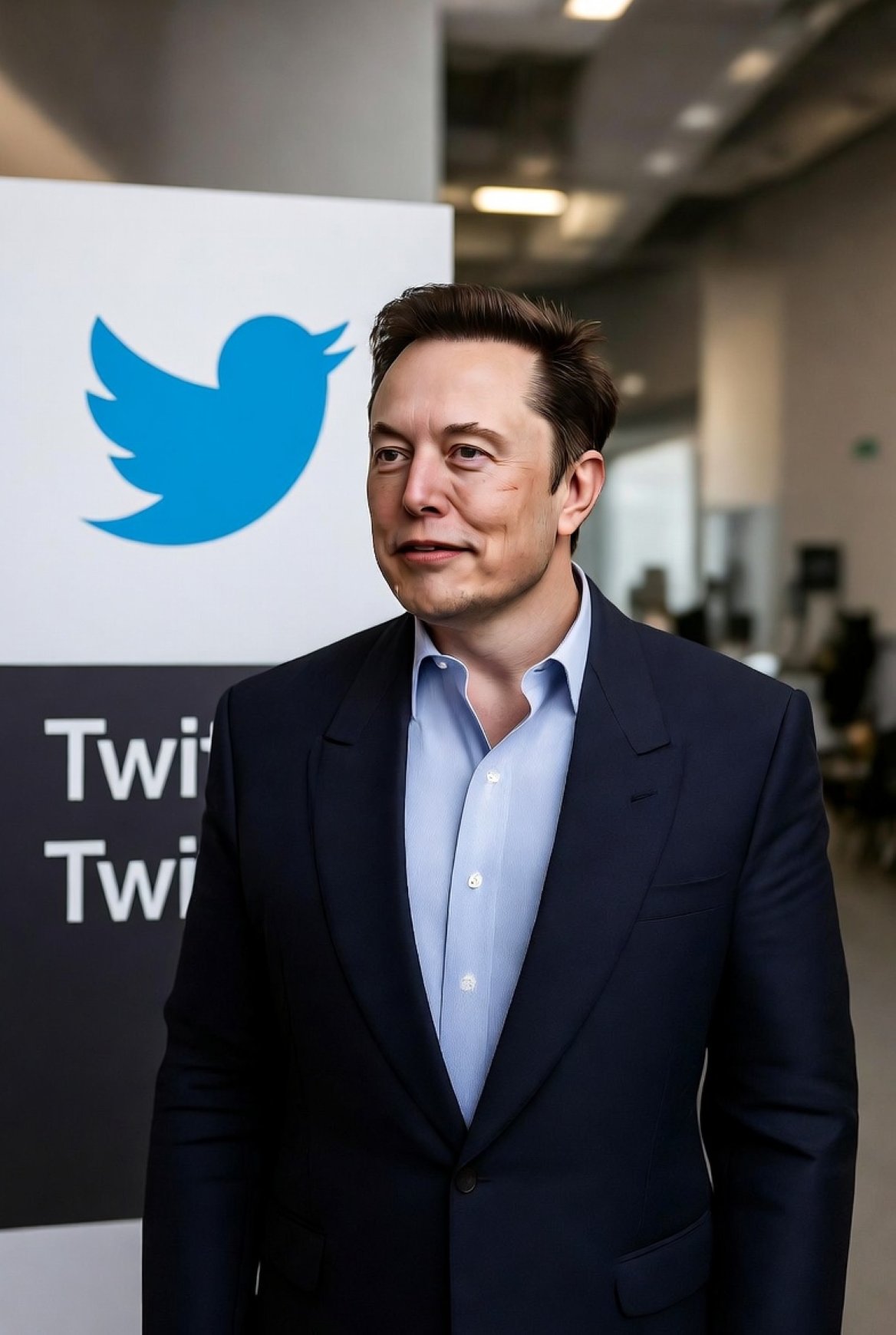
Elon Musk's artificial intelligence startup xAI's ability to raise $20 billion in its Series E round with a relatively small team has reshaped how many now view the acquisition of Twitter.
"Elon Musk didn't pay $40 billion for Twitter," an increasing number of voices argue. "He bought the fastest-growing user gateway of the AI era."
When Musk acquired Twitter, the most common question was: "Is a social media platform really worth that much?" With advertising revenues falling, users drifting away, and headlines dominated by chaos, the skepticism seemed justified. But today, xAI's $20 billion Series E round has moved that debate onto entirely different ground. It is now becoming clear that Musk never saw Twitter merely as a social media company, but as one of the most strategic infrastructures of the AI age.
In the world of artificial intelligence, competition is no longer defined solely by bigger models, more powerful chips, or better algorithms. The real battleground is now about who can reach users faster, and with more authentic, real-time data.
The reason X's built-in AI chatbot, Grok, has gained global recognition so quickly, captured the agenda "live," and evolved at such speed lies in X's real-time data flow.
We are talking about a system that constantly feeds on what millions of people are discussing, reacting to, and how they communicate, moment by moment.
And all of this is being achieved without the massive teams Silicon Valley is used to. xAI has built a leaner structure with relatively few employees, one that makes faster decisions and moves with greater agility. For investors, this sends a clear message: this is not just an AI company, but a highly efficient scaling model.
Looking back from today, the Twitter acquisition no longer appears to be an "expensive mistake," but rather a long-term technology play. In Musk's hands, X has transformed from a social network into a global platform where AI systems are trained, tested and directly connected with users.
Other key milestones reached by the company include:
Around 600 million monthly active users across the X and Grok applications.
Grok Voice: A low-latency, real-time voice communication feature now serving millions of users through Tesla vehicles and mobile apps.
Grok Imagine: Lightning-fast image and video generation models offering multimodal understanding and editing capabilities.
The massive funding secured will be used to advance xAI's mission to "understand the universe," accelerate infrastructure development and build transformative AI products that can reach billions of users.
With Grok 5, currently in training, and other innovative offerings, the company aims to reshape the way people work, live and are entertained.
At the same time, xAI is continuing an aggressive hiring drive to attract talent eager to create technologies with the potential to transform humanity's future.