Artificial intelligence startups founded by Turkish entrepreneurs are emerging as success stories, with companies such as fal.ai and Periodic Labs surpassing the $1 billion valuation threshold through recent funding rounds.
According to the 2025 Turkish Artificial Intelligence Ecosystem and Global Impact Report, Turkish AI entrepreneurship has evolved into an international ecosystem.
The report estimates that 1,188 active AI startups currently operate within Türkiye. Including companies founded overseas by Turkish entrepreneurs, the total exceeds 1,400 startups.
The ecosystem remains relatively young, with most companies established after 2020. Between 2024 and 2025, around 180 AI startups secured early-stage funding.
One of the report's central conclusions is that Türkiye's AI ecosystem can no longer be measured solely within its borders.
Data from industry monitor startups.watch treats startups founded in Istanbul alongside companies established in global technology hubs such as San Francisco by Turkish founders, offering a more comprehensive picture of the country's entrepreneurial footprint.
Some of the ecosystem's most prominent success stories are now emerging from Silicon Valley.
Founded in San Francisco in 2021 by Turkish engineers Burkay Gür and Görkem Yurtseven, fal.ai provides developers with APIs for deploying AI models that generate images, video and audio.
In December 2025, the company raised $140 million in a Series D funding round backed by investors including Sequoia Capital and Nvidia, lifting its valuation to $4.5 billion. Its customer base includes technology companies such as Perplexity, Canva and Quora. The founders have indicated that an eventual U.S. public listing is among the company's long-term objectives.
Another standout example is Periodic Labs, founded by former Google DeepMind researcher Ekin Doğuş Çubuk together with former OpenAI vice president Liam Fedus.
The company combines artificial intelligence with automated robotics laboratories to accelerate materials science research. Although founded only last year, Periodic Labs raised $300 million in seed funding at a $1.3 billion valuation in September 2025. By March this year, its valuation had reportedly increased more than fivefold to approximately $7 billion, bringing it closer to decacorn status.
Ipek Çeliksöz, founder of CatalystX Global and investor, says Türkiye has seen the biggest surges in its history in the gaming sector since 2020.
"I think the chances of a startup that doesn't use AI surviving within five years are very low. In the U.S., 86% of startup investments in the first half of 2026 went to AI startups," said Çeliksöz.
She said the trend is accelerating in Türkiye as well, stressing that the number of AI startups founded annually has increased by 137% since 2021, and the number of active startups has reached 1,500.
"Any startup that is global from day one and solves the customer's real problem in the most agile way using its own models and agents will become the 'Peak' of AI in its category."
Data from startups.watch shows that although the number of AI investment deals worldwide declined during 2025, the total value of funding reached a record high.
The trend suggests venture capital firms are becoming increasingly selective, concentrating larger investments in companies viewed as potential market leaders rather than spreading capital across numerous early-stage startups.
As of November 2025, there were 326 AI unicorns globally, with the overwhelming majority based in North America. Europe and Asia, meanwhile, are emerging as rapidly growing but increasingly competitive secondary hubs.
One of Türkiye's leading telecoms and technology companies, Türk Telekom, is expanding its efforts to help Turkish startups that have developed expertise in next-generation technologies and possess global growth potential reach global markets.
Through its venture capital arm TT Ventures, the company has taken artificial intelligence and cloud-focused ventures to Silicon Valley for a program featuring training in the arena where AI startups are growing the fastest.
TT Ventures launched the two-week program focused on "Scaling and Globalization" in San Francisco in cooperation with Stanford University's School of Engineering Global and Online Education Center.
The effort is part of Türk Telekom's vision of bolstering the national technology initiative.
Nine startups from the TT Ventures portfolio participated in workshops, mentoring sessions and networking events led by Stanford academics while also taking part in meetings and events across Silicon Valley and presenting their businesses during a Demo Day.
Thanks to TT Ventures' strong global connections, the startups also had the opportunity to connect with an international network of investors and leaders from the world's leading technology companies.
Startups participating in the program included Refabric, Priam AI, Homster, Zuzzuu, Werover, Milvus and Macellan Super App, all of which develop AI-based solutions.
The international program serves as an extension of TT Ventures Pilot, the accelerator that Türk Telekom has been running for over 10 years.
Under the Pilot program, startups receive mentoring, cash and investment support, office and infrastructure support and access to a broad customer network. They are also provided with comprehensive support ranging from strategic management consulting to business development.
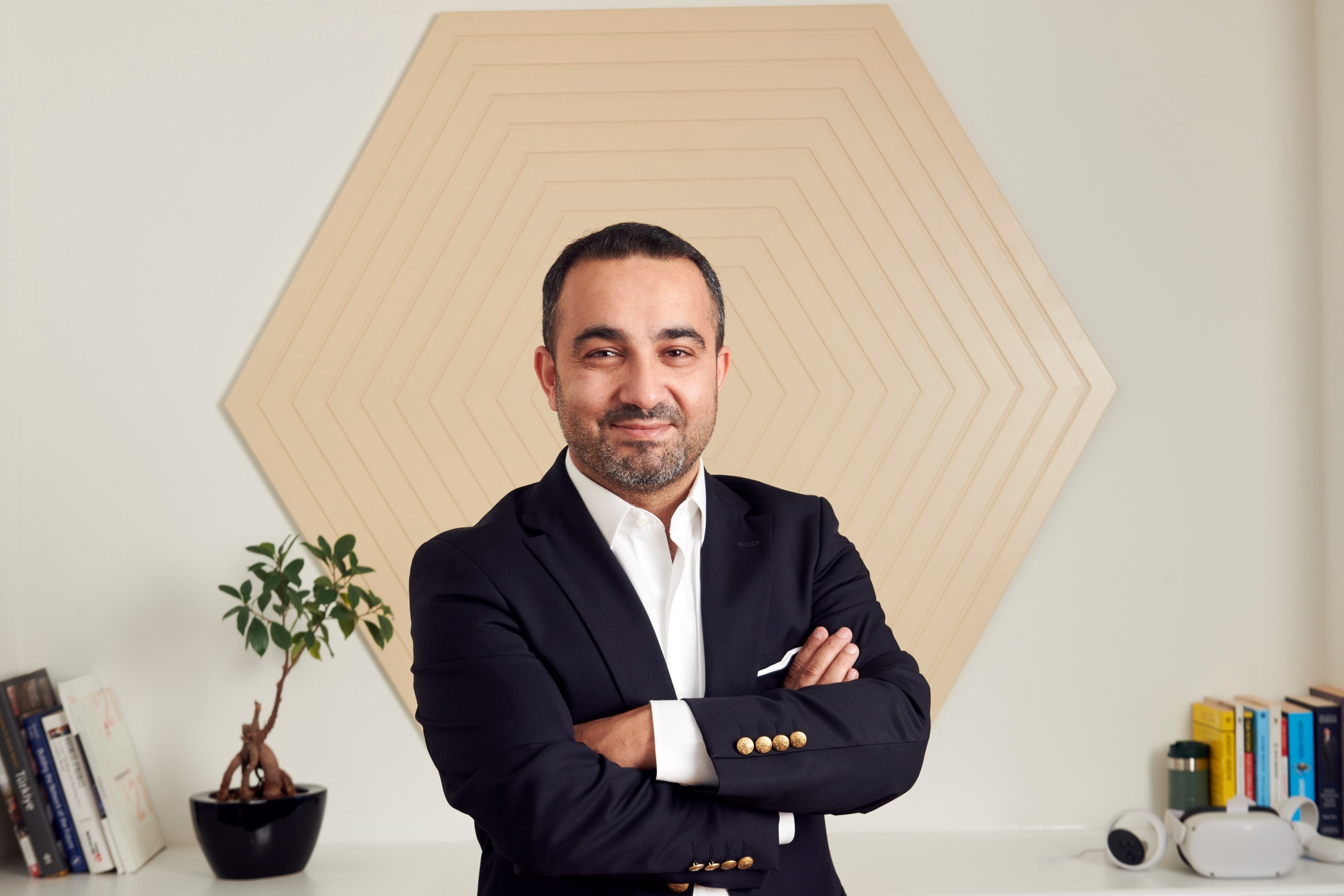
TT Ventures General Manager Muhammed Özhan said they not only invest in startups but also take strategic steps to help them gain a foothold on the global stage.
Özhan noted that the program they designed in collaboration with Stanford is of great importance for the growth of these startups and their ability to create value on a global scale.
Türk Telekom's efforts in this area are yielding tangible results.
The total portfolio value of startups that have graduated from the Pilot program has exceeded $600 million.
It demonstrates that the program has made a significant contribution to the company’s vision of transforming Türkiye into a country that produces and exports high-tech products.
Planning a trip these days means juggling ride-sharing apps, airlines, and online travel agencies. This usually takes place across numerous tabs and devices, all while rushing to make sure you don’t miss out on the best offers.
It is precisely this sense of urgency, combined with trust in familiar brands and heavy cross-platform traffic, that creates the perfect opportunity for cybercriminals to mimic legitimate transportation and travel services and offer phishing pages, fake apps and scam-oriented deals.
Researchers from cybersecurity company Kaspersky examined threats spread by exploiting the names of leading transportation brands.
Between the second quarter of 2025 and the first three-month period of 2026, Kaspersky detected 262,663 cyber incidents associated with these brands. Attacks impersonating the Emirates brand ranked first, accounting for 61% of all detections in the transportation category, followed by Uber at 37%.

The fact that the overwhelming majority of activity observed in this category was carried out through these two industry-leading brands indicates that attackers are focusing their efforts on well-known services with large user bases and high payment traffic.
Among files and objects associated with transportation brands, the most commonly detected threat type was Trojans (30.5%), followed by Banking Trojans (22.5%). This malware is designed specifically to steal banking login credentials and payment data.
In other words, cybercriminals impersonating transportation brands are not just after reservation details; in the vast majority of cases, they are directly targeting the user’s bank account.
One of the fraud methods identified by Kaspersky researchers is a classic scam scenario in which the scammers impersonate Irish low-cost carrier Ryanair and tell victims they are "entitled to compensation."
Victims receive a message stating that they are eligible for a compensation payment due to their flight. They are then asked to enter their account information or pay a small "processing fee" to receive the payment. The scam creates a strong sense of urgency to pressure victims into taking action, giving the impression that the so-called offer will expire in just a few seconds.
This kind of extreme time pressure is a major red flag. Legitimate compensation claims are not time-limited in a way that forces people to make decisions within seconds, and airlines do not charge fees in advance for reimbursement.
In addition to transportation, Kaspersky also examined threats that impersonate travel and accommodation platforms.
In the aforementioned period, 5,414 attack attempts associated with these brands were detected. The most commonly distributed threats under the guise of these services were once again Trojan horses, accounting for 54.6%.
Travel platform accounts have become attractive targets because they often contain payment details, personal information, booking histories and conversations with hotels or service providers.
Attackers use counterfeit booking sites, malicious attachments and fake applications to steal login credentials, compromise payment information, install additional malware or gain remote access to victims' devices.