Türkiye's startup ecosystem saw $211 million raised across 91 funding rounds in the first half of 2025, according to data released by the industry monitor startups.watch at an event held at Istanbul Technical University (ITÜ) ARI Teknokent Magnet.
The numbers highlighted a still uneven investment landscape, with financial technology, or fintech, gaming and artificial intelligence leading the way in capital attraction.
Fintech startups attracted the lion's share of investment, raising $97.1 million, followed by gaming ($72.4 million) and AI ($12.6 million). However, 93% of the fintech total was captured by just two startups – Sipay and Fimple.
That points to a lack of diversification within the sector, while in contrast, gaming investments were more evenly distributed across multiple companies.
Among the largest investment deals in the first half of 2025 were Sipay's $85 million round, Good Job Games' $78 million, Bigger Games' $25 million and a final $23 million round. These major deals accounted for a significant portion of the total investment volume.
The longstanding challenge for the Turkish startup ecosystem – transitioning from seed to Series A and beyond – persisted in the first half of 2025. Data reveals that the lack of post-early-stage investment continues to limit the ecosystem’s growth potential.
Compared to Europe, the average seed investment amount in Türkiye is less than half, indicating that startups struggle to secure sufficient resources to reach Series A. This also explains the tendency of entrepreneurs to relocate their startups abroad after Series B.
No new corporate venture capital (CVC) funds were announced in the first half of the year, with the total number holding steady at 92. However, 45 new venture capital investment funds (VCIF) were authorized, bringing the total to 499, with 478 currently active after excluding closed funds.
One of the major developments of the period was Revo Capital's third fund completing its first close and starting new investments.
Although the increase in minimum fund size requirements for VCIFs seems to have slowed the formation of new funds, it is expected to contribute to the creation of a more sustainable fund economy.
While the participation rate of foreign investors appears to have risen, this is due to a drop in the total number of funding rounds.
In reality, foreign investors took part in only 17 rounds. Seven of these were in the gaming sector, indicating continued international confidence in Türkiye's gaming industry.
Meanwhile, equity-based crowdfunding continued its slow but steady pace. Türkiye now hosts 28 crowdfunding platforms, 12 of which are active and two have closed. Just 11 successful crowdfunding campaigns were completed in the first half of 2025, resulting in a total investment of $9.6 million.
Representation of female co-founders remained relatively stable, similar to previous years. Among funded startups, the share with female founders stood at 19%, while the proportion among newly established startups was recorded at 12%.
The total volume of acquisitions and secondary transactions reached $864 million, but 81% of this amount came solely from the Trendyol Go acquisition, indicating that the overall M&A market remains low in volume.
Other notable transactions included n11, Burgeon, Ideasoft, Ticimax and Fineksus.
Data from the first half of 2025 reveals both opportunities and challenges in Türkiye’s startup ecosystem.
High interest rates, rising inflation and global developments have negatively impacted seed-stage investments, causing a 43% decline. However, Istanbul's strong rankings in international reports, the continued strong performance of the gaming sector and the launch of new investments by major funds are seen as promising signals.
The most critical need for sustainable growth in the ecosystem is to fill the post-seed investment gap and strengthen support mechanisms that enable entrepreneurs to reach later stages domestically.
Among the startups backed by TT Ventures, FinSmart AI has stood out as a venture focused on providing small and medium-sized enterprises (SMEs) with the financial expertise they need through a digital agent solution.
The partnership between Türk Telekom's venture capital arm and FinSmart AI presents a compelling case from both a technological and strategic investment perspective.
Speaking at the "Türkiye Startup Ecosystem Q2 2025 Event" hosted by startups.watch, FinSmart AI executive Akgün Karlıbel explained how their AI-powered CFO services address critical financial management needs for SMEs and startups.
Karlıbel described FinSmart AI as a structure that "offers AI agent and CFO services to startups and SMEs," emphasizing that they deliver a digitized version of a real CFO as a service.
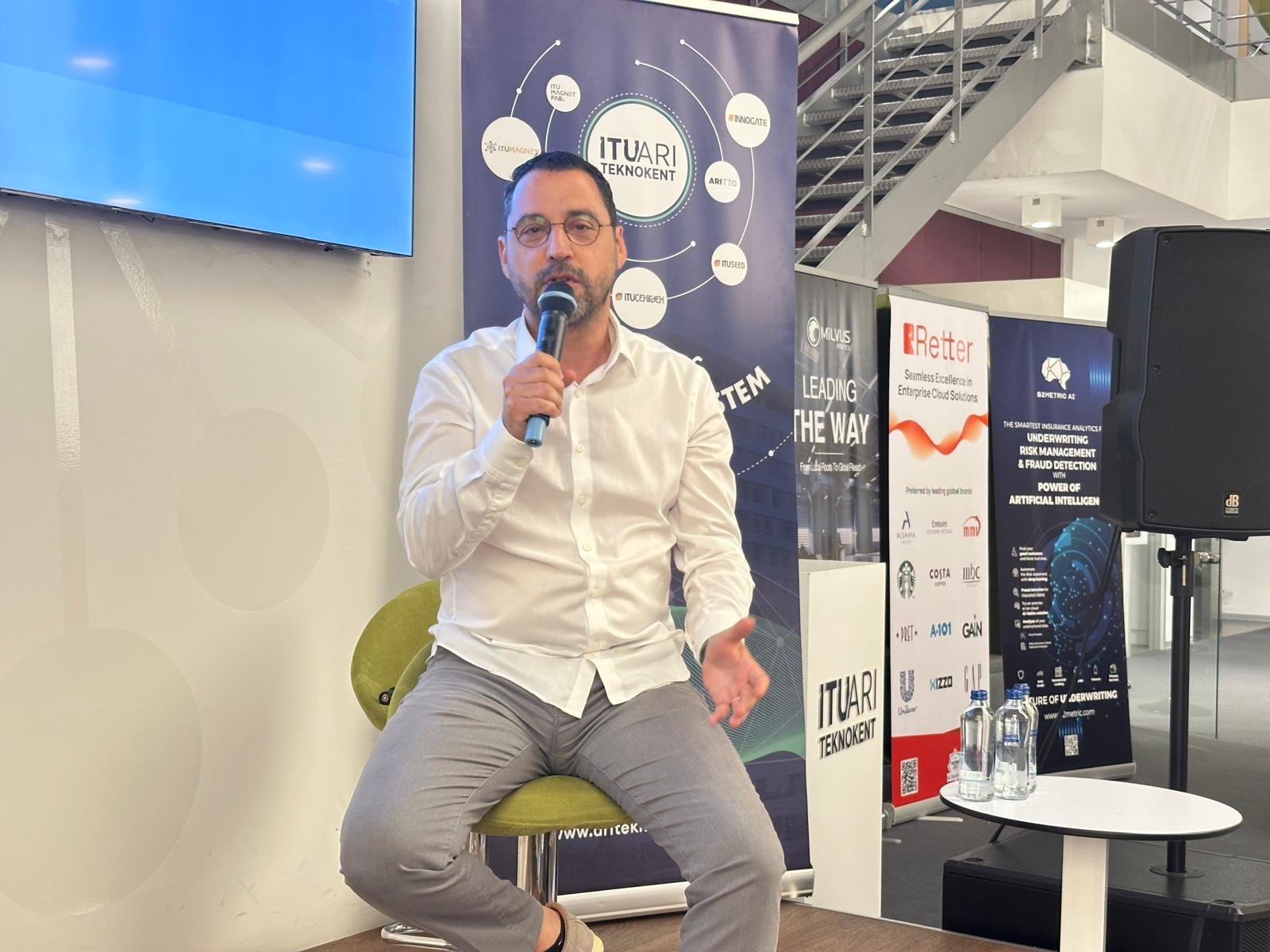
He noted that financial literacy doesn't have to be at the same level for everyone, and FinSmart AI supports all ventures and SMEs that either cannot afford a CFO or lack sufficient financial literacy.
While describing FinSmart AI’s development process, Akgün Karlıbel shared the experience of founder CEO Suat, who has nearly 20 years in finance and the last six years as a CFO.
The journey began with Suat's realization that he was spending most of his time reporting, which led first to automating macros in Excel and then to productizing the solution.
"We cloned our founding CEO Suat and the system – essentially creating a Suat within the system using AI," Karlıbel stated.
Karlıbel emphasized that creating a "dataroom" is a key task for startups seeking investment, and FinSmart AI provides significant value in this process through accurate and reliable reporting.
He added that venture capital funds using FinSmart AI can monitor the financial performance of their portfolio companies on a single platform.
Addressing the role of artificial intelligence and machine learning in the financial sector, Karlıbel stated that new developments occur daily and that they stay up to date by working with experts in the field.
He explained that while AI currently offers "static" recommendations, their future vision is a "24/7 CFO" that remains alert at all times.
This vision aims to create a platform where, through proactive AI, founders can engage in interactive conversations – even in the middle of the night –to find solutions to any question that comes to mind.
Istanbul has climbed to claim third place globally in the Emerging Startup Ecosystem category, marking a 10-spot leap compared to 2024, according to a recent report by Startup Genome.
This success was also praised during the "Türkiye Startup Ecosystem Q2 2025 Event" hosted by startups.watch.
In his keynote, Istanbul Technical University (ITÜ) ARI Teknokent General Manager Atila Dikbaş underscored Istanbul's rapid rise on the global stage.
"According to the Global Startup Ecosystem Report published by Startup Genome in June 2025, Istanbul ranked third globally in the 'Emerging Ecosystems' category. This achievement marks a jump of 10 places compared to 2024," Dikbaş said.
In the recently released Dealroom Global Tech Ecosystem Index 2025, Istanbul also ranked second worldwide, another sign of its increasing global competitiveness. As frequently emphasized by Minister of Industry and Technology Fatih Kacır, Türkiye’s startup ecosystem has climbed to the No. 3 spot globally.
With six unicorns – Getir, Peak, Dream Games, Trendyol, Hepsiburada, and Insider – Istanbul has emerged as a regional leader.
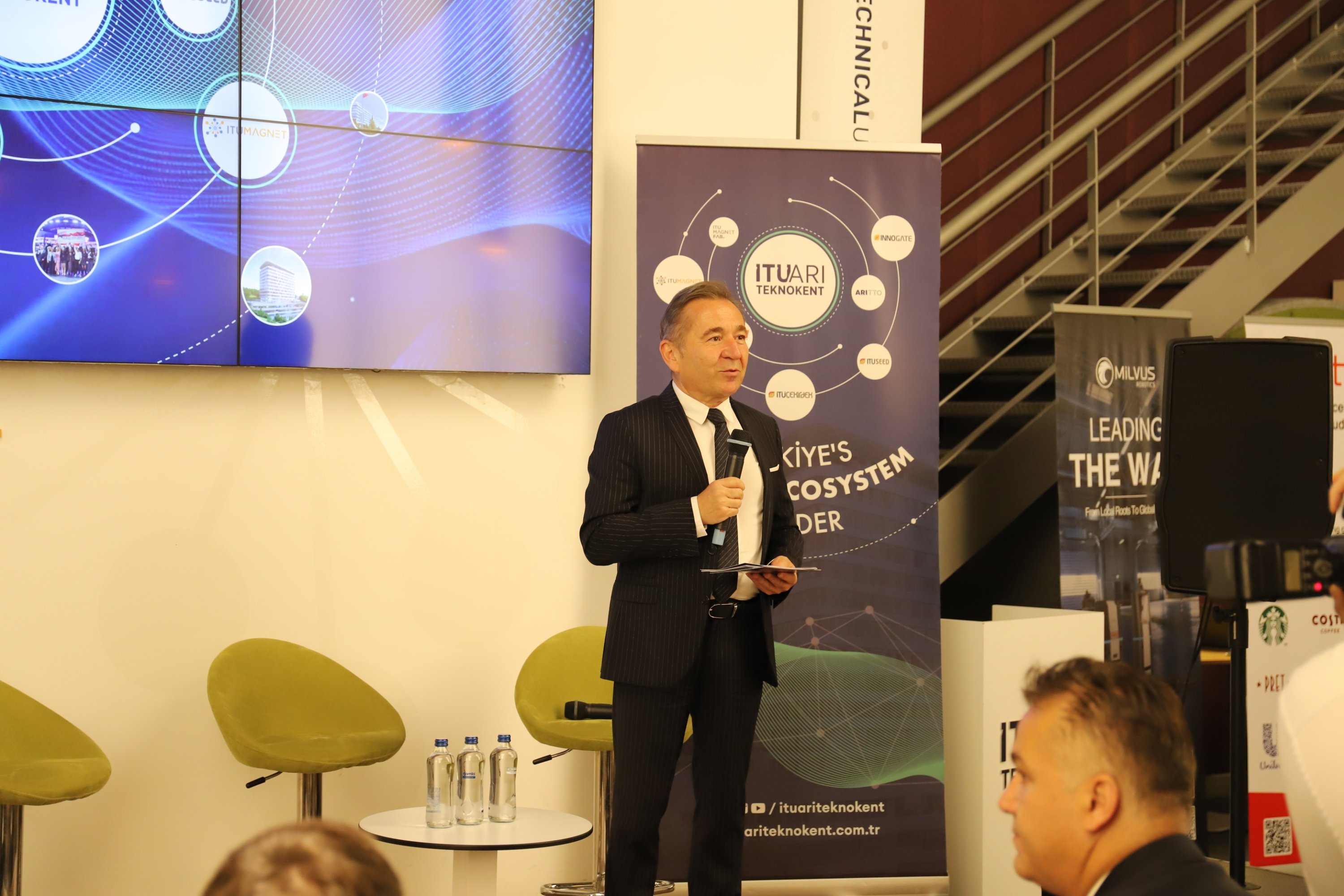
The city's ecosystem value has reached $12.9 billion, reinforcing its regional appeal, according to Dikbaş. Over the past four years, total venture capital investment has exceeded $6.4 billion, surpassing the global average, he noted. The city scored an impressive 8 out of 10 in early-stage investment growth. Startups in Istanbul reach an exit in an average of 9.3 years, demonstrating the city’s rapid scalability potential.
Dikbaş also announced the launch of the ITÜ ARI Teknokent Venture Capital Investment Fund, which will debut in September 2025 with an initial size of $25 million.
A second investment vehicle is planned for 2026.
Among other notable developments, it was announced that in the past three months, ITÜ Teknokent has conducted acceleration programs with 14 startups in Germany and 12 in London, and is also working on an AI acceleration program in collaboration with Stanford University.
Founded in 2011, ITÜ Çekirdek, one of Türkiye's premier early-stage incubators, has made a remarkable global leap in recent years, with participation from 95 countries, according to Dikbaş.
"According to the Startup Blinking Global Startup Ecosystem Index 2025, the Middle East and surrounding regions have outperformed the global average by 21%, with a regional growth rate exceeding 28%. Over the past three years, we've been offering 24/7 services under the name 'Innogate Always On,' operating in five hubs – four in Europe and one in Dubai," he noted.
ITÜ Çekirdek's international acceleration programs have been bringing international startups to Türkiye since 2022. "To date, we've received over 1,000 applications from 95 countries and supported more than 140 foreign startups," said Dikbaş.
Hasan Önal, head of the E-Export and Next-Generation Technologies Department at the Trade Ministry's Directorate General for Exports, shared insights into Türkiye's rising software export volume, government support programs and evolving trends in global trade.
Speaking during the "Türkiye Startup Ecosystem Q2 2025 Event," Önal stated that the journey has come a long way since the days in 2009 when software exports were measured using floppy disks, noting that software exports, which stood at $412 million in 2012, have approached $5 billion as of 2024.
He emphasized the importance of the Trade Ministry's support for the software ecosystem in driving this growth. Under the "Service Sector Support" scheme, the government offers a wide range of assistance, from market research and corporate identity development to participation in the Turquality program, employment incentives and international trade fairs.
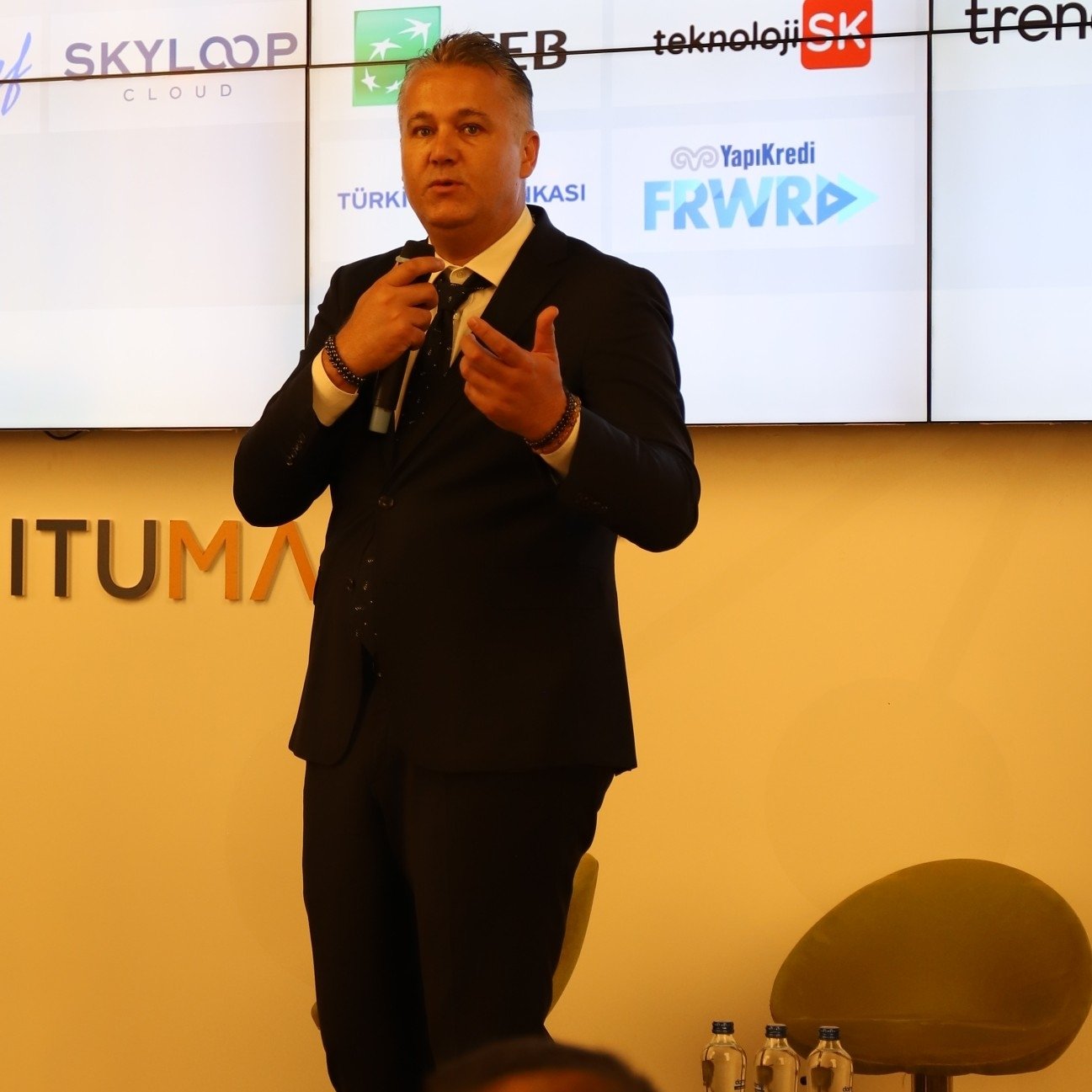
Önal expressed regret that, despite allocating TL 3.2 billion (about $80 million) to the software sector last year, these supports are still not widely known by the public.
Önal also highlighted that the ministry has taken significant steps in the field of e-export, highlighting that the "Easy Export Platform," launched at the end of 2020, utilizes an AI-supported model specifically for B2B.
He emphasized that the platform provides information on customs tariff statistical positions and, notably, on countries' business cultures. He added that a newly formed team, introduced in August 2024 for B2C, offers insights into foreign marketplaces, youth demographics, spoken languages, social media usage habits and influencer data.
Önal also noted that the AI-powered "Team Expert Intelligence" chatbot featured on these platforms allows users to access information without having to navigate manually. He expressed satisfaction at engaging directly with developers and affirmed the ministry's commitment to ongoing dialogue with the ecosystem.