Daily Sabah logo

Politics
Diplomacy Legislation War On Terror EU Affairs Elections News Analysis
TÜRKİYE
Istanbul Education Investigations Minorities Expat Corner Diaspora
World
Mid-East Europe Americas Asia Pacific Africa Syrian Crisis Islamophobia
Business
Automotive Economy Energy Finance Tourism Tech Defense Transportation News Analysis
Lifestyle
Health Environment Travel Food Fashion Science Religion History Feature Expat Corner
Arts
Cinema Music Events Portrait Reviews Performing Arts
Sports
Football Basketball Motorsports Tennis
Opinion
Columns Op-Ed Reader's Corner Editorial
PHOTO GALLERY
JOBS ABOUT US RSS PRIVACY CONTACT US
© Turkuvaz Haberleşme ve Yayıncılık 2025

Daily Sabah - Latest & Breaking News from Turkey | Istanbul

  • Politics
    • Diplomacy
    • Legislation
    • War On Terror
    • EU Affairs
    • Elections
    • News Analysis
  • TÜRKİYE
    • Istanbul
    • Education
    • Investigations
    • Minorities
    • Expat Corner
    • Diaspora
  • World
    • Mid-East
    • Europe
    • Americas
    • Asia Pacific
    • Africa
    • Syrian Crisis
    • Islamophobia
  • Business
    • Automotive
    • Economy
    • Energy
    • Finance
    • Tourism
    • Tech
    • Defense
    • Transportation
    • News Analysis
  • Lifestyle
    • Health
    • Environment
    • Travel
    • Food
    • Fashion
    • Science
    • Religion
    • History
    • Feature
    • Expat Corner
  • Arts
    • Cinema
    • Music
    • Events
    • Portrait
    • Reviews
    • Performing Arts
  • Sports
    • Football
    • Basketball
    • Motorsports
    • Tennis
  • Gallery
  • Opinion
    • Columns
    • Op-Ed
    • Reader's Corner
    • Editorial
  • TV

US-China trade war puts future economic order in question

by Kılıç Buğra Kanat

Aug 26, 2019 - 12:11 am GMT+3
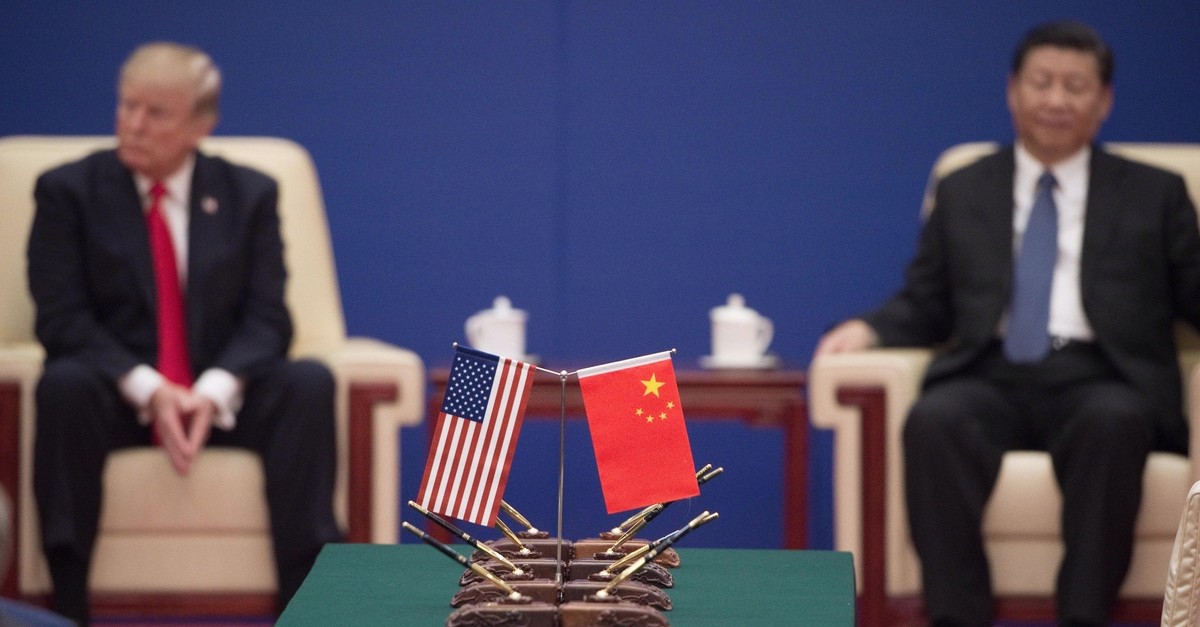
U.S. President Donald Trump (L) and China's President Xi Jinping attend a business leadersu2019 event inside the Great Hall of the People in Beijing, Nov. 9, 2017.
by Kılıç Buğra Kanat Aug 26, 2019 12:11 am

The complicated trade war between the U.S. and China poses a danger for the entire global economic order, causing ripples across the whole international system

The trade war between the U.S. and China was the topic in this column two weeks ago. Despite the postponement of tariffs for $300 billion worth of commodities, optimism must be cautious.

Competition and disputes between the U.S. and China in various areas are hard to resolve given changes in the balance of power between the two countries. Soon after the U.S. announcement, China announced its own retaliatory steps, and authorities in Beijing said that China would impose tariffs on $75 billion worth of American imports.

U.S. President Donald Trump's reaction to this Chinese step demonstrated the determination of his administration to take this issue all the way to the end. Trump, in a series of tweets, accused Chinese authorities of being unwilling to reach an agreement with the U.S. and announced additional steps that he will take against China.

First, in his tweets he said the issue is more than the trade deficit that the U.S. experiences in trade relations with China. President Trump added "intellectual property theft and much more" as issues to be dealt with. Second, as he has been doing since beginning of his campaign, Trump criticizes the previous administration for "negligence" in its dealings with China, costing the U.S. billions of dollars because of the constantly rising trade deficit with China. Third, Trump plans to use his tariff weapon one more time against China: "Starting Oct. 1, the $250 billion of goods and products from China, currently being taxed at 25%, will be taxed at 30%. Additionally, the remaining $300 billion of goods and products from China, that was being taxed from Sept. 1 at 10%, will now be taxed at 15%."

Escalating fears among many rose after these actions, while China published a statement calling the U.S. actions "unilateral and bullying trade practices" and warned the U.S. of more retaliatory strikes.

It will be hard for the two countries to reach a deal despite intense negotiations and large business groups that support the resolution of the disputes between the two countries that might endanger already concerned markets in the international system.

What makes the situation more complicated is the existence of various disputes between the two countries. So far, the countries have resisted any links between trade disputes and other issues pertaining to their bilateral ties; however, the presence of these issues risks further deterioration in bilateral relations.

In the last few weeks, developments in regards to arms sales to Taiwan and some accusations against the U.S. from China because of the protests in Hong Kong demonstrate the possibility of increasing the number of minefields in relations.

Considering the presence of issues like the South China Sea dispute and the difficulty of resolving them, this increase in the number of areas can generate a rather complicated picture for the future of bilateral relations.

At a certain point, it is possible to see linkages between these issue areas that may lead to further intractability in existing problems. This situation will also influence the state of the international system and superpower alignments in coming years.

International markets have already been impacted by the ups and downs between the two biggest economies in the world. Today, there is every reason to believe that the rather complicated competition and disputes between the two giant, interdependent economies will be the most important determinants of the future international system. Every country will more or less become susceptible to the state of their relations.


About the author
Kılıç Buğra Kanat is Research Director at SETA Foundation at Washington, D.C. He is an associate professor of Political Science at Penn State University, Erie.
  • shortlink copied
  • KEYWORDS
    opinion
    The Daily Sabah Newsletter
    Keep up to date with what’s happening in Turkey, it’s region and the world.
    You can unsubscribe at any time. By signing up you are agreeing to our Terms of Use and Privacy Policy. This site is protected by reCAPTCHA and the Google Privacy Policy and Terms of Service apply.
    No Image
    Brave children of Gaza cry out: 'We are dying of hunger'
    PHOTOGALLERY
    • POLITICS
    • Diplomacy
    • Legislation
    • War On Terror
    • EU Affairs
    • News Analysis
    • TÜRKİYE
    • Istanbul
    • Education
    • Investigations
    • Minorities
    • Diaspora
    • World
    • Mid-East
    • Europe
    • Americas
    • Asia Pacific
    • Africa
    • Syrian Crisis
    • İslamophobia
    • Business
    • Automotive
    • Economy
    • Energy
    • Finance
    • Tourism
    • Tech
    • Defense
    • Transportation
    • News Analysis
    • Lifestyle
    • Health
    • Environment
    • Travel
    • Food
    • Fashion
    • Science
    • Religion
    • History
    • Feature
    • Expat Corner
    • Arts
    • Cinema
    • Music
    • Events
    • Portrait
    • Performing Arts
    • Reviews
    • Sports
    • Football
    • Basketball
    • Motorsports
    • Tennis
    • Opinion
    • Columns
    • Op-Ed
    • Reader's Corner
    • Editorial
    • Photo gallery
    • DS TV
    • Jobs
    • privacy
    • about us
    • contact us
    • RSS
    © Turkuvaz Haberleşme ve Yayıncılık 2021