
Daily Sabah logo

Politics
Diplomacy Legislation War On Terror EU Affairs Elections News Analysis
TÜRKİYE
Istanbul Education Investigations Minorities Expat Corner Diaspora
World
Mid-East Europe Americas Asia Pacific Africa Syrian Crisis Islamophobia
Business
Automotive Economy Energy Finance Tourism Tech Defense Transportation News Analysis
Lifestyle
Health Environment Travel Food Fashion Science Religion History Feature Expat Corner
Arts
Cinema Music Events Portrait Reviews Performing Arts
Sports
Football Basketball Motorsports Tennis
Opinion
Columns Op-Ed Reader's Corner Editorial
PHOTO GALLERY
JOBS ABOUT US RSS PRIVACY CONTACT US
© Turkuvaz Haberleşme ve Yayıncılık 2025

Daily Sabah - Latest & Breaking News from Turkey | Istanbul

  • Politics
    • Diplomacy
    • Legislation
    • War On Terror
    • EU Affairs
    • Elections
    • News Analysis
  • TÜRKİYE
    • Istanbul
    • Education
    • Investigations
    • Minorities
    • Expat Corner
    • Diaspora
  • World
    • Mid-East
    • Europe
    • Americas
    • Asia Pacific
    • Africa
    • Syrian Crisis
    • Islamophobia
  • Business
    • Automotive
    • Economy
    • Energy
    • Finance
    • Tourism
    • Tech
    • Defense
    • Transportation
    • News Analysis
  • Lifestyle
    • Health
    • Environment
    • Travel
    • Food
    • Fashion
    • Science
    • Religion
    • History
    • Feature
    • Expat Corner
  • Arts
    • Cinema
    • Music
    • Events
    • Portrait
    • Reviews
    • Performing Arts
  • Sports
    • Football
    • Basketball
    • Motorsports
    • Tennis
  • Gallery
  • Opinion
    • Columns
    • Op-Ed
    • Reader's Corner
    • Editorial
  • TV

White storks nest in western Turkey’s Bursa on annual migration

by Daily Sabah

ISTANBUL Apr 16, 2018 - 12:00 am GMT+3
No Image
by Daily Sabah Apr 16, 2018 12:00 am

Hundreds of white storks have begun nesting in Turkey's western Bursa province, a key stop on their annual migration route.

The storks – whose migration range stretches from northern Europe to southern Africa and from northwestern Africa to southwestern Asia – arrive in Turkey each spring to raise offspring before heading to hotter regions in the fall.

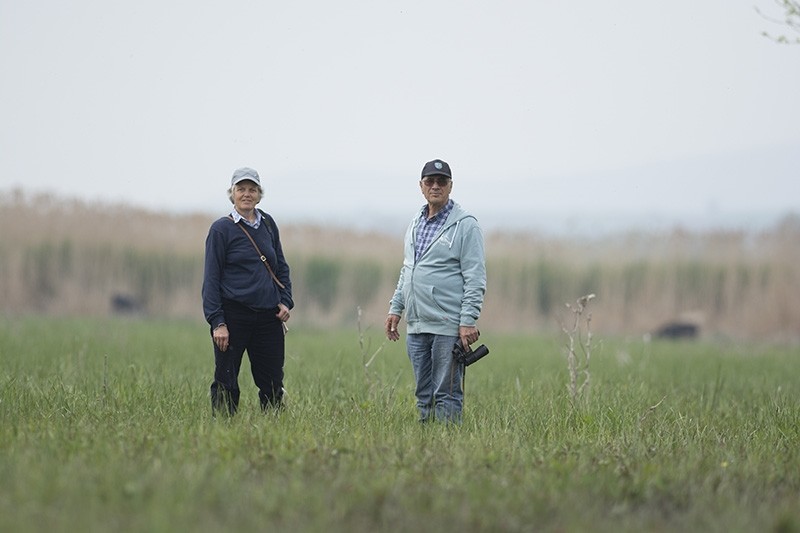
Of all the Bursa locals who eagerly await the annual arrival of the storks, Ismet and Fransizka Arıcı may be the most devoted.
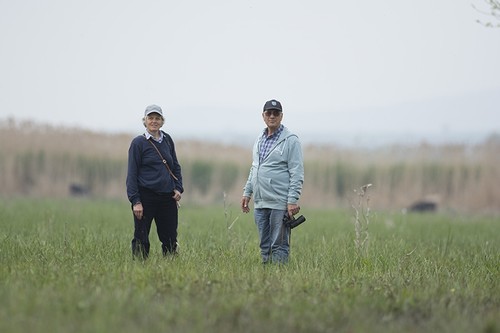
Nicknamed "the stork parents," the couple have tracked the migration of the birds at Uluabat Lake and its surrounding areas for over a decade.

They founded the Stork-Friendly Village Project in 2004 to encourage local communities to support the white stork populations in their neighborhoods and avoid practices that could harm the annual visitors.

Thanks to conservation projects, "the number of storks we have hosted in the villages has increased," Fransizka Arıcı told Anadolu Agency.
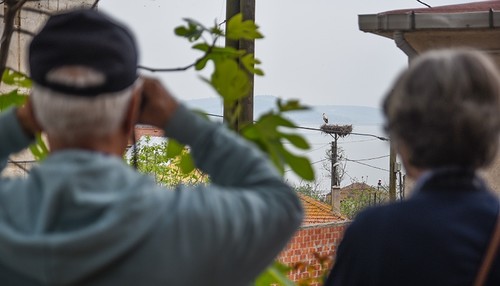
Arıcı said 160 nesting platforms have been built in 12 villages around Uluabat Lake, with electrical lines covered by protective cabling to protect roosting storks from electrocution, a main cause of death.

"However, it is not enough to prevent the death of the storks. Nutritious areas [for the birds] also need to be improved," Arıcı said.

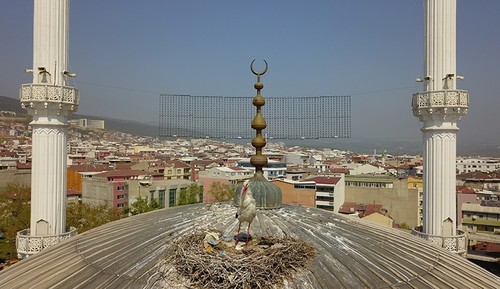
While most storks opt for natural nesting spots, some have become city birds, with one pair settling on a prominent mosque dome in Bursa's city center.

Noting that the storks usually arrive at the end of March, local tradesman Aytaç Civek says he has seen the pair roost on the mosque roof every year.
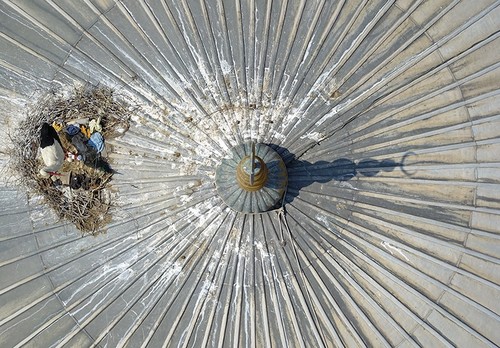
"They lay eggs, raise their offspring and then they leave," he told AA.

This year's guests have four eggs, he said. One stork parent guards the nest while the other looks for food.

"Since the mosque was built [in 2000], the storks have been nesting, and when they come, we understand that spring is coming. We find peace of mind when they arrive. We are as thrilled as the storks, especially when their offspring begin to fly," local Adem Yazıcı said.
Each year in May, Bursa's Karacabey Municipality holds an annual Stork Festival, the only one of its kind in Turkey. While Bursa is a favorite spot of the migrators, white storks can be spotted across Turkey, from the Black Sea region to central Anatolia.


  • shortlink copied
  • Last Update: Apr 16, 2018 3:19 pm
    KEYWORDS
    life
    The Daily Sabah Newsletter
    Keep up to date with what’s happening in Turkey, it’s region and the world.
    You can unsubscribe at any time. By signing up you are agreeing to our Terms of Use and Privacy Policy. This site is protected by reCAPTCHA and the Google Privacy Policy and Terms of Service apply.
    Lycian Way
    Best trekking routes in Turkey
    PHOTOGALLERY
    • POLITICS
    • Diplomacy
    • Legislation
    • War On Terror
    • EU Affairs
    • News Analysis
    • TÜRKİYE
    • Istanbul
    • Education
    • Investigations
    • Minorities
    • Diaspora
    • World
    • Mid-East
    • Europe
    • Americas
    • Asia Pacific
    • Africa
    • Syrian Crisis
    • İslamophobia
    • Business
    • Automotive
    • Economy
    • Energy
    • Finance
    • Tourism
    • Tech
    • Defense
    • Transportation
    • News Analysis
    • Lifestyle
    • Health
    • Environment
    • Travel
    • Food
    • Fashion
    • Science
    • Religion
    • History
    • Feature
    • Expat Corner
    • Arts
    • Cinema
    • Music
    • Events
    • Portrait
    • Performing Arts
    • Reviews
    • Sports
    • Football
    • Basketball
    • Motorsports
    • Tennis
    • Opinion
    • Columns
    • Op-Ed
    • Reader's Corner
    • Editorial
    • Photo gallery
    • DS TV
    • Jobs
    • privacy
    • about us
    • contact us
    • RSS
    © Turkuvaz Haberleşme ve Yayıncılık 2021