Daily Sabah logo

Politics
Diplomacy Legislation War On Terror EU Affairs Elections News Analysis
TÜRKİYE
Istanbul Education Investigations Minorities Expat Corner Diaspora
World
Mid-East Europe Americas Asia Pacific Africa Syrian Crisis Islamophobia
Business
Automotive Economy Energy Finance Tourism Tech Defense Transportation News Analysis
Lifestyle
Health Environment Travel Food Fashion Science Religion History Feature Expat Corner
Arts
Cinema Music Events Portrait Reviews Performing Arts
Sports
Football Basketball Motorsports Tennis
Opinion
Columns Op-Ed Reader's Corner Editorial
PHOTO GALLERY
JOBS ABOUT US RSS PRIVACY CONTACT US
© Turkuvaz Haberleşme ve Yayıncılık 2025

Daily Sabah - Latest & Breaking News from Turkey | Istanbul

  • Politics
    • Diplomacy
    • Legislation
    • War On Terror
    • EU Affairs
    • Elections
    • News Analysis
  • TÜRKİYE
    • Istanbul
    • Education
    • Investigations
    • Minorities
    • Expat Corner
    • Diaspora
  • World
    • Mid-East
    • Europe
    • Americas
    • Asia Pacific
    • Africa
    • Syrian Crisis
    • Islamophobia
  • Business
    • Automotive
    • Economy
    • Energy
    • Finance
    • Tourism
    • Tech
    • Defense
    • Transportation
    • News Analysis
  • Lifestyle
    • Health
    • Environment
    • Travel
    • Food
    • Fashion
    • Science
    • Religion
    • History
    • Feature
    • Expat Corner
  • Arts
    • Cinema
    • Music
    • Events
    • Portrait
    • Reviews
    • Performing Arts
  • Sports
    • Football
    • Basketball
    • Motorsports
    • Tennis
  • Gallery
  • Opinion
    • Columns
    • Op-Ed
    • Reader's Corner
    • Editorial
  • TV

US winter wiped out 38% of honeybee colonies: survey

by Associated Press

WASHINGTON Jun 20, 2019 - 12:46 am GMT+3
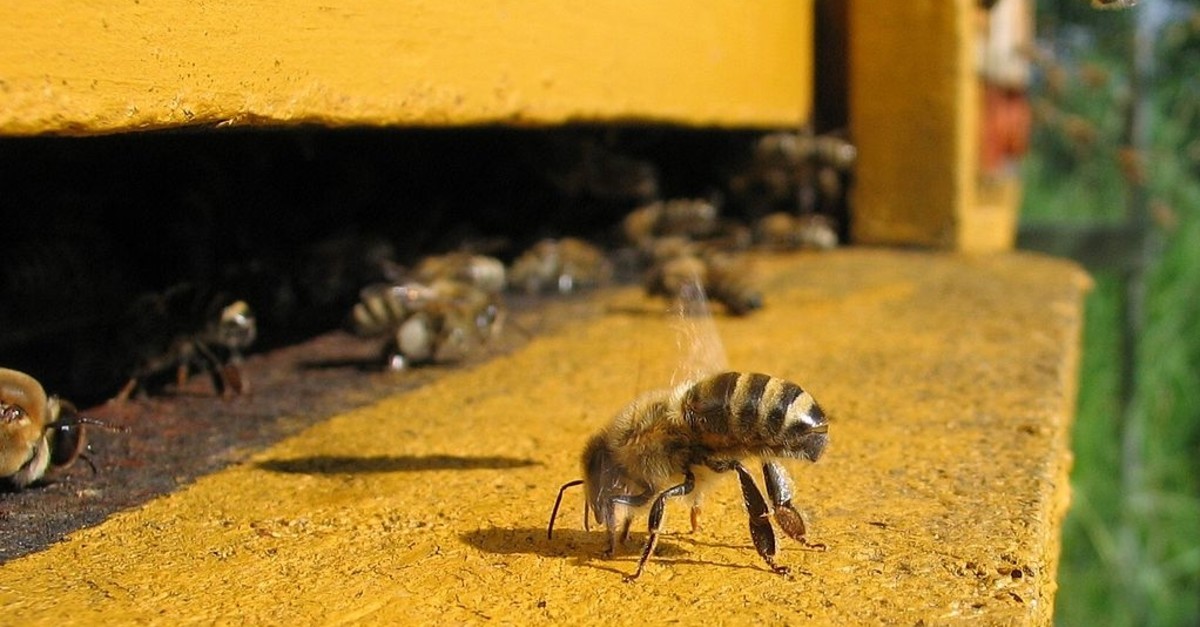
 Wikipedia photo
| Wikipedia photo
by Associated Press Jun 20, 2019 12:46 am
Winter hit U.S. honeybees hard with the highest loss rate yet, an annual survey of beekeepers showed.

The annual nationwide survey by the Bee Informed Partnership found 37.7% of honeybee colonies died this past winter, nearly 9 percentage points higher than the average winter loss.

The survey of nearly 4,700 beekeepers managing more than 300,000 colonies goes back 13 years and is conducted by bee experts at the University of Maryland, Auburn University and several other colleges.

Beekeepers had been seeing fewer winter colony losses in recent years until now, said Maryland's Dennis vanEngelsdorp, president of the bee partnership and co-author of Wednesday's survey.

"The fact that we suddenly had the worst winter we've had ... is troubling," vanEngelsdorp said.

Some bees usually die over winter, but until the past couple decades, when a combination of problems struck colonies, losses rarely exceeded 10%, he said.

Bees pollinate $15 billion worth of U.S. food crops. One-third of the human diet comes from pollinators, including native wild bees and other animals, many of which are also in trouble, according to the U.S. Department of Agriculture.

"We should be concerned on multiple levels," said University of California, Berkeley, agricultural social scientist Jennie Durant, who has a separate study this week on loss of food supply for bees.

Year-to-year bee colony losses, which include calculations for summer, were 40.7%, higher than normal, but not a record high, the survey found.

"The beekeepers are working harder than ever to manage colonies but we still lose 40-50% each year... unacceptable," Swiss bee expert Jeff Pettis, who wasn't part of the survey, said in an email.

For more than a decade, bees have been in trouble with scientists blaming mites, diseases, pesticides and loss of food.

This past winter's steep drop seems heavily connected to the mites, vanEngelsdorp said. Beekeepers report that chemicals that kill mites don't seem to be working quite as well and mite infestation is worsening, he said. Those mites feed on the bees' fats and that's where the insects store protein and center their immune response.

Durant's study in this week's journal Land Use Policy found that changes in food supply in the Midwest's Prairie Pothole Region, a hot spot for honeybee colonies, has been a major factor in losses. That area has lost wetland areas with clover bees feed on.

Other areas have been converted to corn and soy crops, which don't feed bees, she said.

As bad as the survey numbers are, vanEngelsdorp said, "We're not really worried about honeybees going extinct... I'm more worried that the commercial beekeepers will go out of business."


  • shortlink copied
  • KEYWORDS
    life
    The Daily Sabah Newsletter
    Keep up to date with what’s happening in Turkey, it’s region and the world.
    You can unsubscribe at any time. By signing up you are agreeing to our Terms of Use and Privacy Policy. This site is protected by reCAPTCHA and the Google Privacy Policy and Terms of Service apply.
    No Image
    Riding through fire to purify: Las Luminarias
    PHOTOGALLERY
    • POLITICS
    • Diplomacy
    • Legislation
    • War On Terror
    • EU Affairs
    • News Analysis
    • TÜRKİYE
    • Istanbul
    • Education
    • Investigations
    • Minorities
    • Diaspora
    • World
    • Mid-East
    • Europe
    • Americas
    • Asia Pacific
    • Africa
    • Syrian Crisis
    • İslamophobia
    • Business
    • Automotive
    • Economy
    • Energy
    • Finance
    • Tourism
    • Tech
    • Defense
    • Transportation
    • News Analysis
    • Lifestyle
    • Health
    • Environment
    • Travel
    • Food
    • Fashion
    • Science
    • Religion
    • History
    • Feature
    • Expat Corner
    • Arts
    • Cinema
    • Music
    • Events
    • Portrait
    • Performing Arts
    • Reviews
    • Sports
    • Football
    • Basketball
    • Motorsports
    • Tennis
    • Opinion
    • Columns
    • Op-Ed
    • Reader's Corner
    • Editorial
    • Photo gallery
    • DS TV
    • Jobs
    • privacy
    • about us
    • contact us
    • RSS
    © Turkuvaz Haberleşme ve Yayıncılık 2021