Daily Sabah logo

Politics
Diplomacy Legislation War On Terror EU Affairs Elections News Analysis
TÜRKİYE
Istanbul Education Investigations Minorities Expat Corner Diaspora
World
Mid-East Europe Americas Asia Pacific Africa Syrian Crisis Islamophobia
Business
Automotive Economy Energy Finance Tourism Tech Defense Transportation News Analysis
Lifestyle
Health Environment Travel Food Fashion Science Religion History Feature Expat Corner
Arts
Cinema Music Events Portrait Reviews Performing Arts
Sports
Football Basketball Motorsports Tennis
Opinion
Columns Op-Ed Reader's Corner Editorial
PHOTO GALLERY
JOBS ABOUT US RSS PRIVACY CONTACT US
© Turkuvaz Haberleşme ve Yayıncılık 2026

Daily Sabah - Latest & Breaking News from Turkey | Istanbul

  • Politics
    • Diplomacy
    • Legislation
    • War On Terror
    • EU Affairs
    • Elections
    • News Analysis
  • TÜRKİYE
    • Istanbul
    • Education
    • Investigations
    • Minorities
    • Expat Corner
    • Diaspora
  • World
    • Mid-East
    • Europe
    • Americas
    • Asia Pacific
    • Africa
    • Syrian Crisis
    • Islamophobia
  • Business
    • Automotive
    • Economy
    • Energy
    • Finance
    • Tourism
    • Tech
    • Defense
    • Transportation
    • News Analysis
  • Lifestyle
    • Health
    • Environment
    • Travel
    • Food
    • Fashion
    • Science
    • Religion
    • History
    • Feature
    • Expat Corner
  • Arts
    • Cinema
    • Music
    • Events
    • Portrait
    • Reviews
    • Performing Arts
  • Sports
    • Football
    • Basketball
    • Motorsports
    • Tennis
  • Gallery
  • Opinion
    • Columns
    • Op-Ed
    • Reader's Corner
    • Editorial
  • TV

Global food waste could rise by a third by 2030, study says

by

LONDON Aug 21, 2018 - 12:00 am GMT+3
 File Photo
| File Photo
by Aug 21, 2018 12:00 am

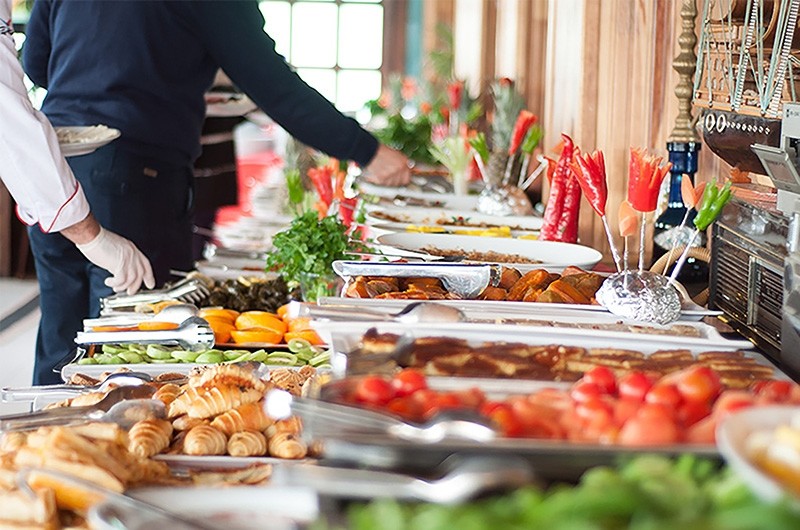
Food waste could rise by almost a third by 2030 when more than 2 billion tons will be binned, researchers said Tuesday, warning of a "staggering" crisis propelled by a booming world population and changing habits in developing nations.

The United Nations has set a target of halving food loss and waste by 2030. But the Boston Consulting Group (BCG) study found that if current trends continued, it would rise to 2.1 billion tons annually - an amount worth $1.5 trillion.

"We are seeing a real crisis at a global level," one of the study's authors Esben Hegnsholt told the Thomson Reuters Foundation.

"The amounts of waste and the social, economic and environmental implications are serious if we don't change the trajectory. When we fight food loss and waste, we also fight hunger, poverty and global warming."

Around a third of the world's food is lost or thrown away each year. Currently, we waste 1.6 billion tons of food annually, worth about $1.2 trillion dollars.

Much of the projected increase was down to a swelling world population, with more people resulting in more waste, said Hegnsholt, a partner and managing director at the management consultancy.

Household waste will increase in developing countries as consumers gain more disposable income, said the report, which identified five key changes which it said could save nearly $700 billion in lost food.

They included more awareness among consumers, stronger regulations and better supply chain efficiency and collaboration along the food production chain.

Liz Goodwin, director of the food loss and waste program at the World Resources Institute, said the report raised serious issues but oversimplified some of the solutions.

"It's connected with the way our lives have changed and the fact that food is now so much cheaper," she said, also citing a growing demand for convenience and a lack of cooking skills among younger generations.

Goodwin said she believed measures to cut wastage were having an effect, and the world would at least be on the way to meeting the 50 percent reduction target by 2030.

Consumers, businesses and regulators would all have to play a role in driving change, she said.

"We need a shift in our attitudes to food waste – I think we need to get to the point where it just isn't acceptable to throw food in the bin," she said.


About the author
Research Associate at Center for Islam and Global Affairs (CIGA) at Istanbul Sabahattin Zaim University
  • shortlink copied
  • Last Update: Aug 21, 2018 10:07 pm
    KEYWORDS
    life
    The Daily Sabah Newsletter
    Keep up to date with what’s happening in Turkey, it’s region and the world.
    You can unsubscribe at any time. By signing up you are agreeing to our Terms of Use and Privacy Policy. This site is protected by reCAPTCHA and the Google Privacy Policy and Terms of Service apply.
    No Image
    EFES-2024: Turkish military exercise showcases strategic co-op
    PHOTOGALLERY
    • POLITICS
    • Diplomacy
    • Legislation
    • War On Terror
    • EU Affairs
    • News Analysis
    • TÜRKİYE
    • Istanbul
    • Education
    • Investigations
    • Minorities
    • Diaspora
    • World
    • Mid-East
    • Europe
    • Americas
    • Asia Pacific
    • Africa
    • Syrian Crisis
    • İslamophobia
    • Business
    • Automotive
    • Economy
    • Energy
    • Finance
    • Tourism
    • Tech
    • Defense
    • Transportation
    • News Analysis
    • Lifestyle
    • Health
    • Environment
    • Travel
    • Food
    • Fashion
    • Science
    • Religion
    • History
    • Feature
    • Expat Corner
    • Arts
    • Cinema
    • Music
    • Events
    • Portrait
    • Performing Arts
    • Reviews
    • Sports
    • Football
    • Basketball
    • Motorsports
    • Tennis
    • Opinion
    • Columns
    • Op-Ed
    • Reader's Corner
    • Editorial
    • Photo gallery
    • DS TV
    • Jobs
    • privacy
    • about us
    • contact us
    • RSS
    © Turkuvaz Haberleşme ve Yayıncılık 2021