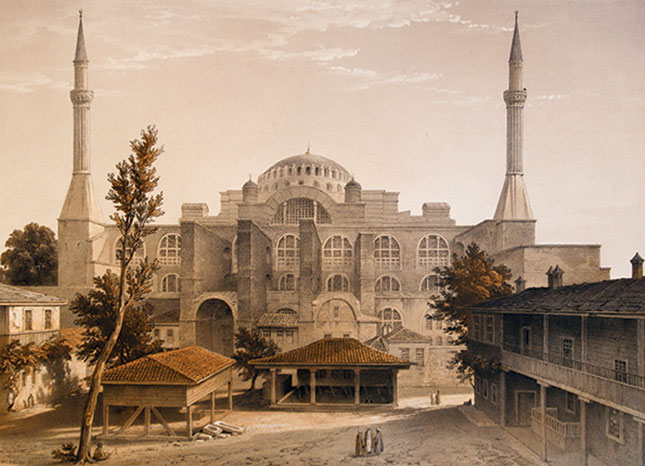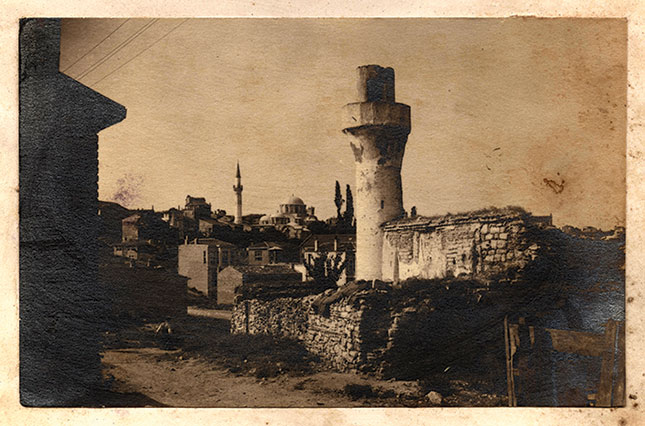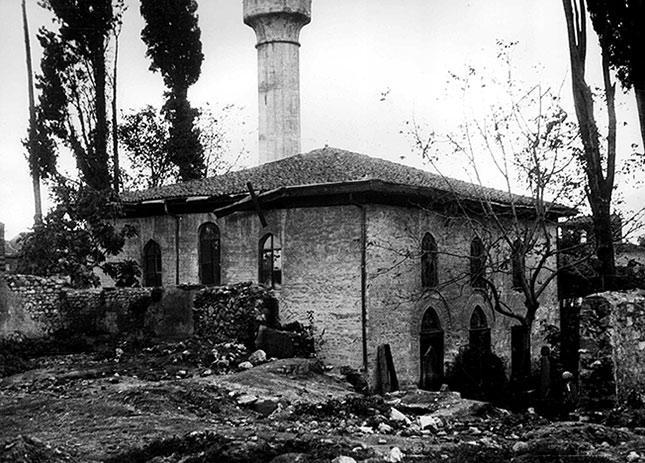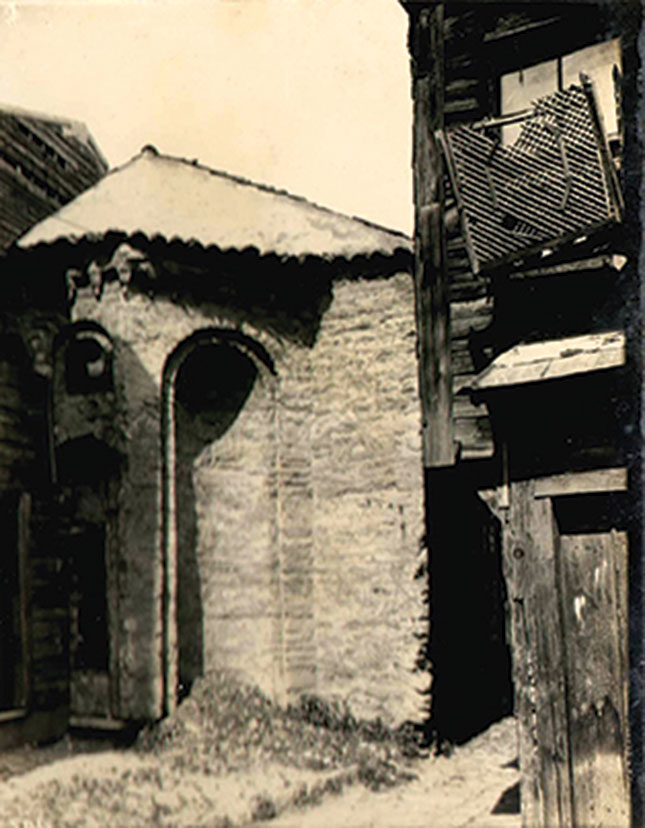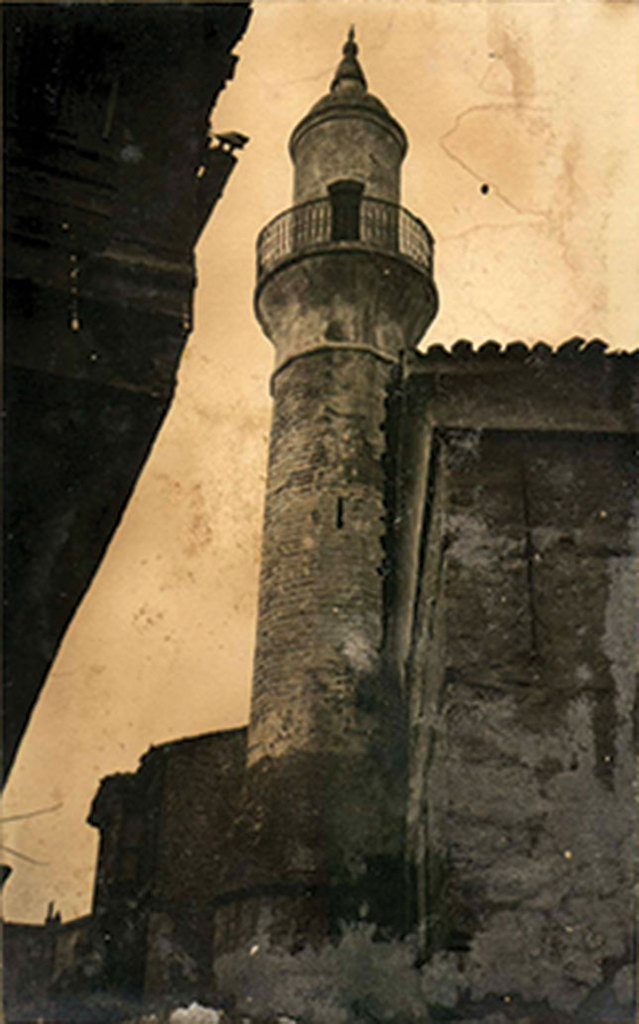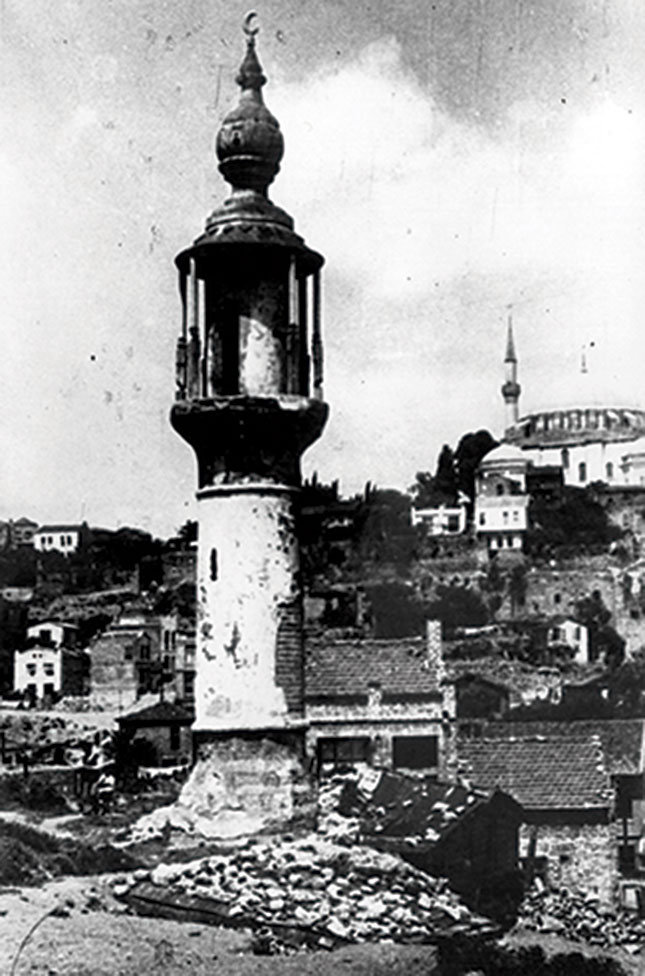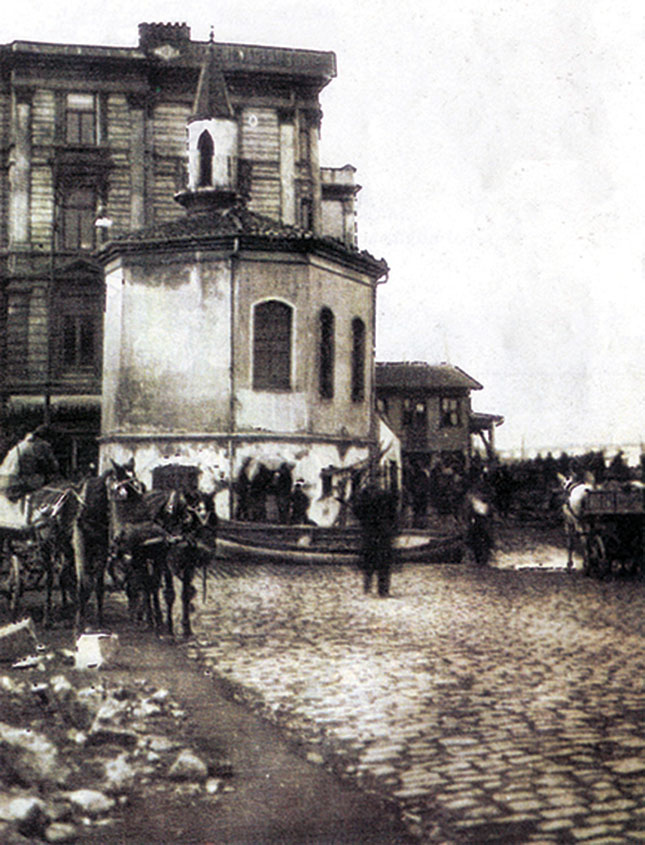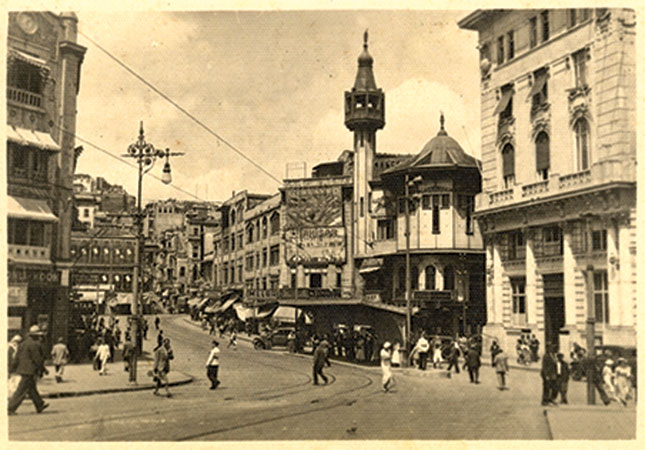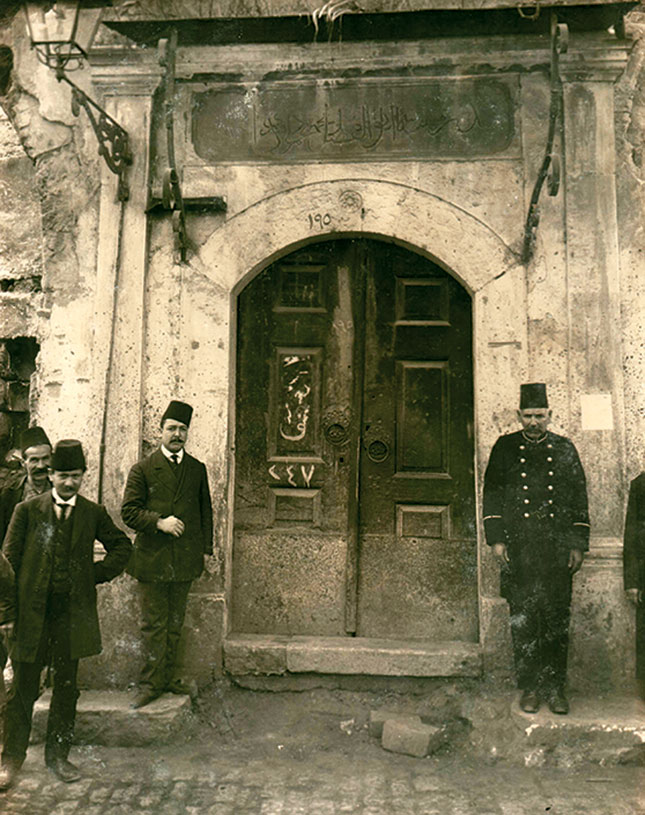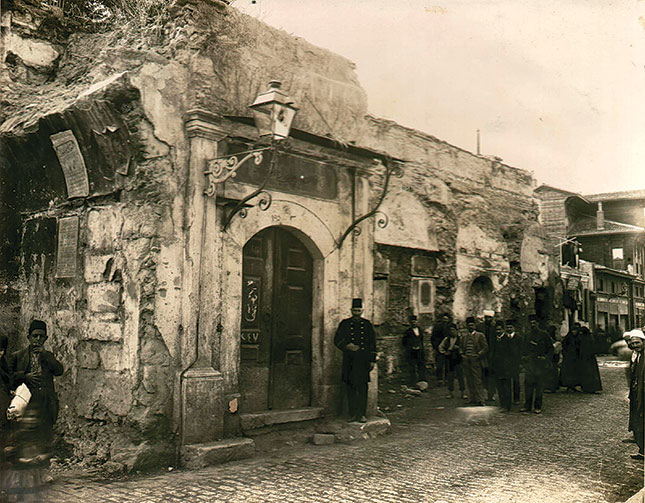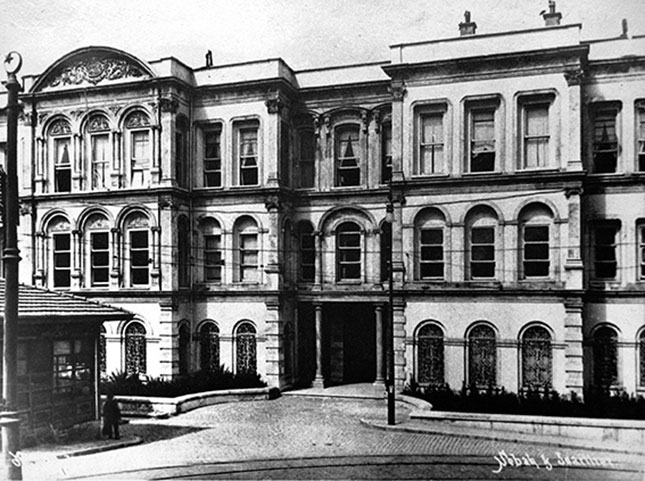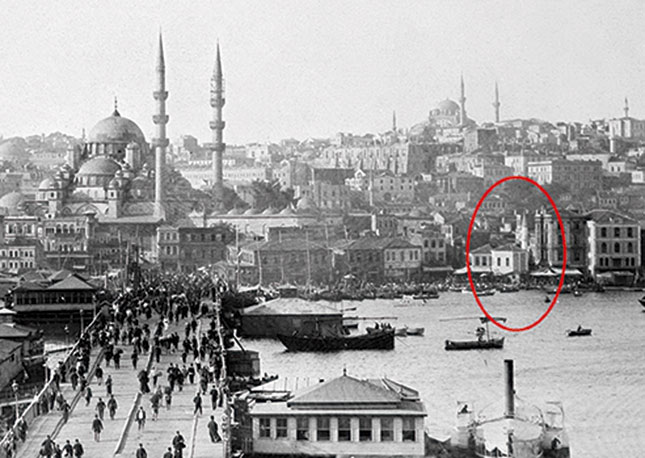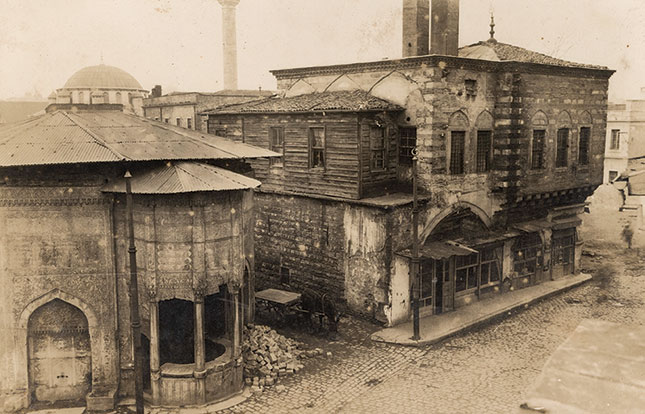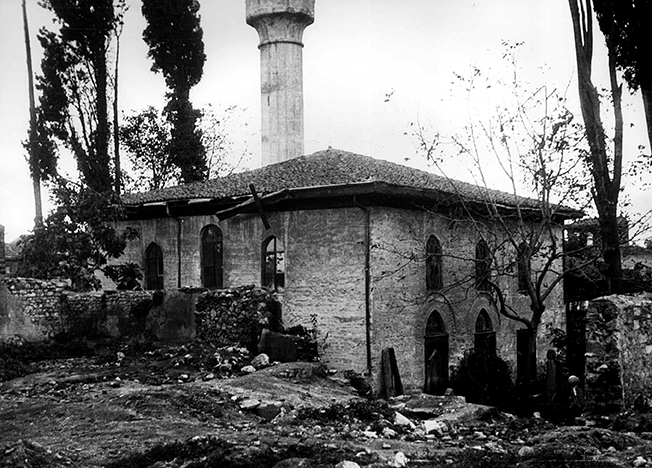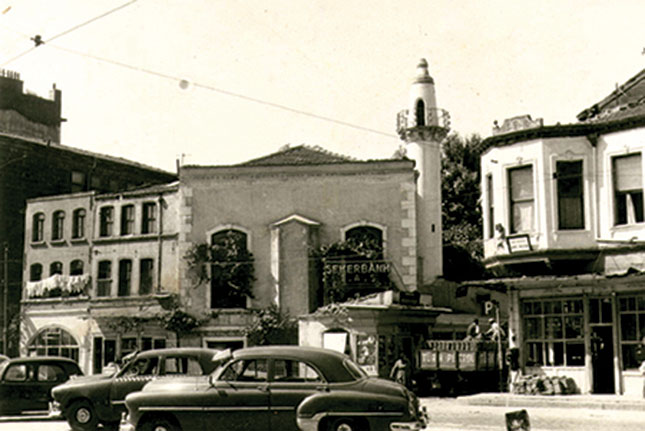
These range from the public baths, which Evliya Çelebi refers as the stomping ground of Istanbul's intellectuals, to the fountains that are admired by Sezai Karakoç; from Hagia Sophia Madrasah, at which the teacher of Mehmed the Conqueror taught, to the mosques that are brought down by mistake to build roads; from the first Ottoman theatre hall with more than 30 theatre boxes to Taksim Military Barracks, which was used by the French soldiers during the occupation of Istanbul and then as a football field after the declaration of the republic.

Ayasofya (Hagia Sophia) Madrasah
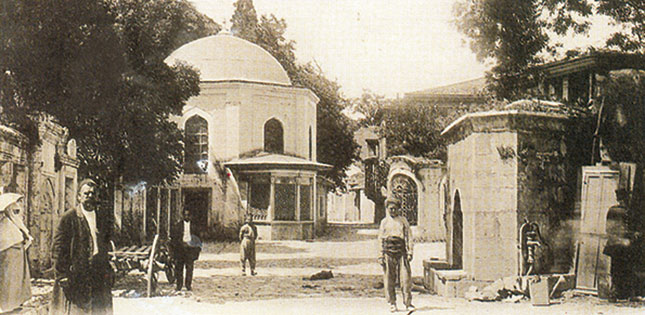
The first professor of the madrasah was Mullah Hüsrev, the teacher of Mehmed the Conqueror. Ali Qushji, one of the leading mathematicians of the time, also gave lessons in the madrasah until Sahn-ı Seman Madrasahs were opened in Fatih district of Istanbul. After the conquest of Istanbul, Hagia Sophia were converted into a mosque while the priest rooms next to it were turned into madrasah; however, the actual Hagia Sophia madrasah buildings were constructed by Mehmed the Conqueror probably during the same time with the construction of Süleymaniye Library (1466). The madrasah was restored by first Sultan Bayezid II and then Mahmud II before its radical restoration undertaken by Swiss architect Gaspare Fossati upon the orders of Sultan Abdülmecid between 1846 and1849. Hagia Sophia Madrasah was the most crowded madrasah of its time with its 198 students. The building had operated as a madrasah until 1924 and converted into an orphanage by the Istanbul Municipality. During the renovation of Hagia Sophia in 1934, the old madrasah buildings were torn down by the order of then manager of Istanbul Archeological Museums Aziz Oğan as the structures allegedly defaced the view of the area. The following years witnessed many disputes among the public on this issue and in the end the debris of the madrasah removed from the area to reach its foundations for reconstruction. However, nobody has taken any initiatives on this problem up until today.
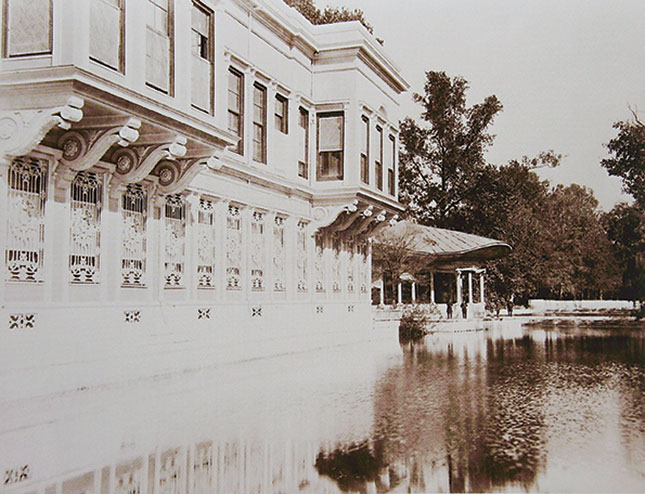
Sadabad Palace
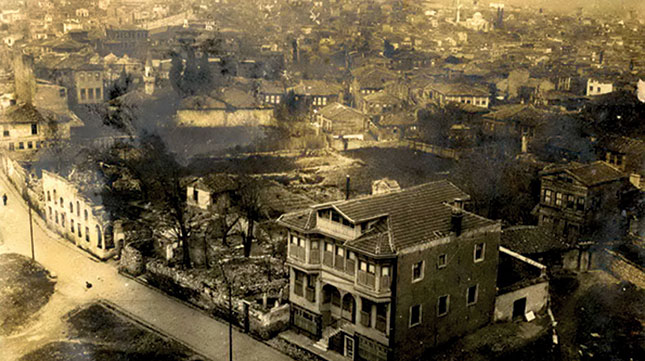
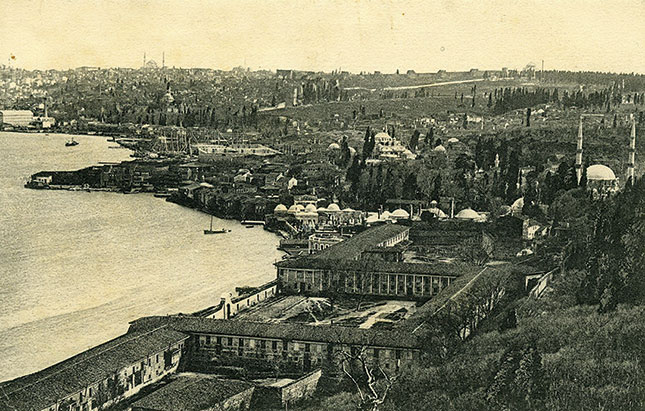
While writing in the 1940s, İbrahim Hakkı Konyalı noted down that this palace featured 79 rooms and was the biggest wooden building in Turkey. The palace was located on Eyüp Sultan Avenue in Kağıthane where the Kağıthane Municipality is currently situated. Kağıthane was a popular neighborhood among the sultans for hunting and entertainment toward the end of the 16th century. In the early 18th century, Ottoman statesmen Yirmisekiz Mehmed Çelebi, who was impressed by French architecture, presented a report to Sultan Ahmed III after returning from France. Upon this report, the streambed in Kağıthane was rehabilitated and new canals were opened in the neighborhood. These canals were decorated with marble and artificial waterfalls. Sadabad Palace was built in 1722 and the construction took only 64 days. Following the construction of the palace, another 173 wooden mansions were built in the region. Although most of the buildings were destroyed during the Patrona Halil Riot, the palace was renovated in 1743 during the reign of Sultan Mahmud I. The building was later used as a Military academy for three months in 1917 and then served as the Çağlayan Orphanage in the following years where it is rumored that the well-known Turkish artist Safiye Ayla was raised. The palace was demolished between 1941-1942 and the Military Engineering School was built in 1953 in its place.

Dolmabahçe Palace Theatre
Besides religious building such as Hırka-i Şerif Mosque in Istanbul, Sultan Abdülmecid also ordered the construction of a theatre building in Istanbul.On Jan. 12, 1859, the theatre was opened with a ceremony attended by the sultan, şehzades, state officials and foreign ambassadors right across the Dolmabahçe Mosque. The building's plans were prepared by architects named Dieterle and Hammond and its interior decoration was undertaken by the decorator of Paris Opera building Sechan.
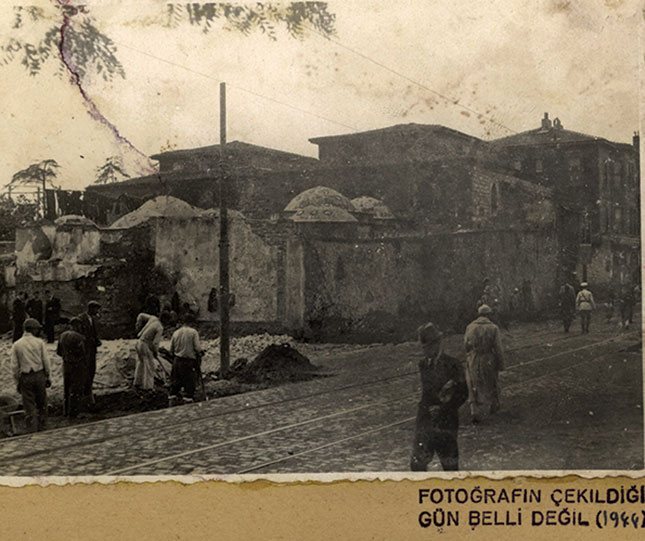
The Dolmabahçe Theatre featured over 30 theatre boxes including the one exclusive to the sultan which was decorated with the star and crescent. The 300 people-capacity building also included a huge hall which was suitable to host diplomatic dinners. There were 12 windows and two huge doors in the hall. The building was lightened with 11 crystal chandeliers along with candlesticks placed on Chinese vases and coal gas. Regarded as the first Turkish play, "The Wedding of a Poet" by Ibrahim Şinasi was written down to be staged at this theatre. The theatre was closed due to budget constraint and allocated to directorate of palace barns in 1863 after it was damaged in a fire. During the following years the building was used as tobacco storage and torn down in 1939 while the Ayaspaşa-Dolmabahçe road was constructed.
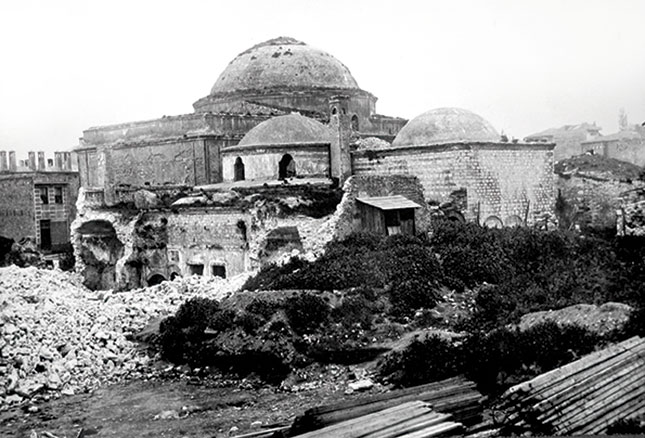
Çukur Public Bath
The Çukur Public Bath, which was decorated with colorful marble, featured 110 bath basins. It was capped by a large dome and had a capacity of 5,000 people. The bath used to be part of the Fatih Külliye, an Islamic social complex. Evliya Çelebi mentioned the bath in his many accounts, and according to his definition, the regulars at the bath were mostly non-Muslims. An earthquake damaged the building in 1766 and it was never restored. Although no archival photos or paintings of the bath exist, C. Texier published the most important drawing of the building in 1864. It is believed that the building was demolished toward the end of the 19th century and its traces were destroyed in the Cibali fire in 1918.