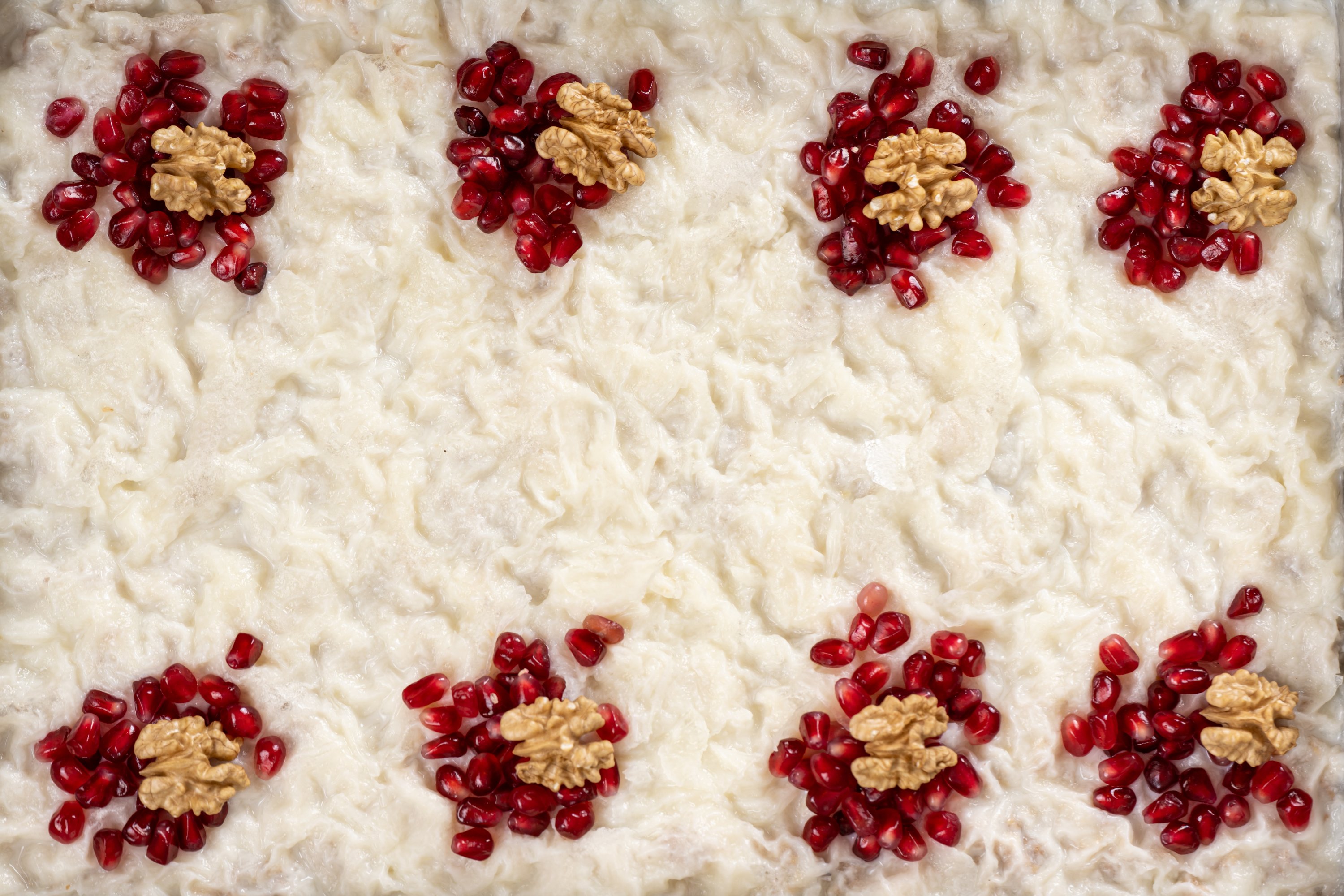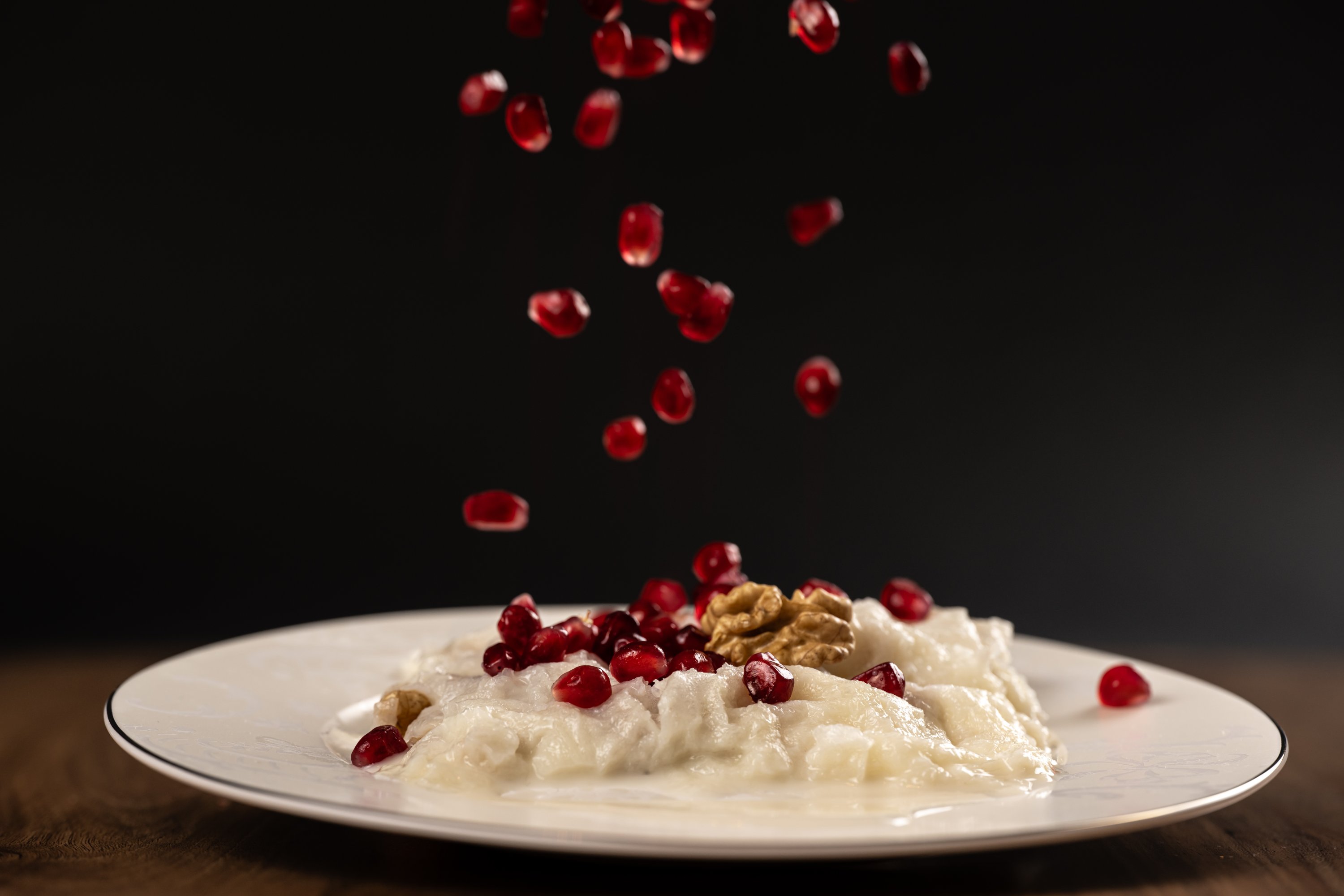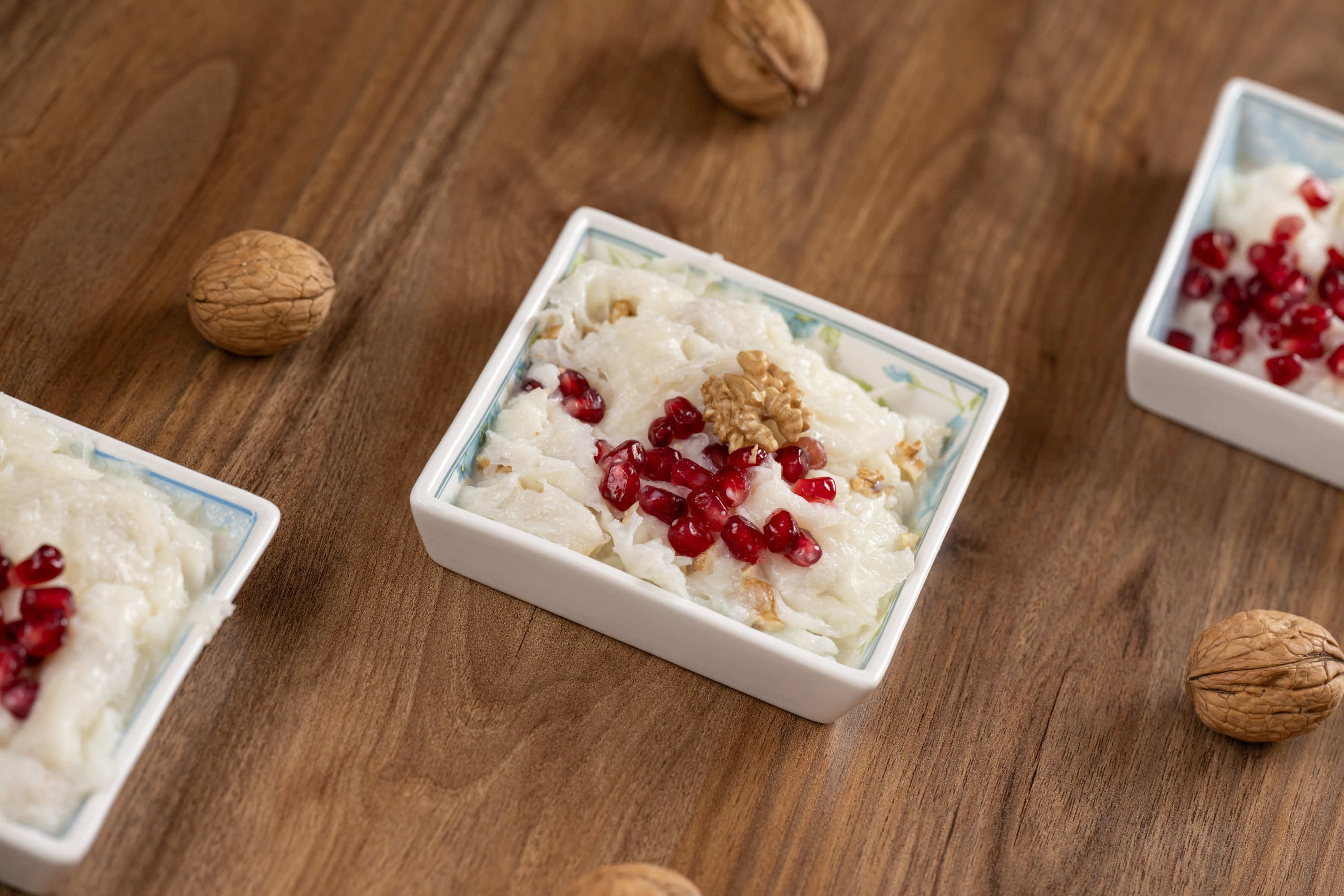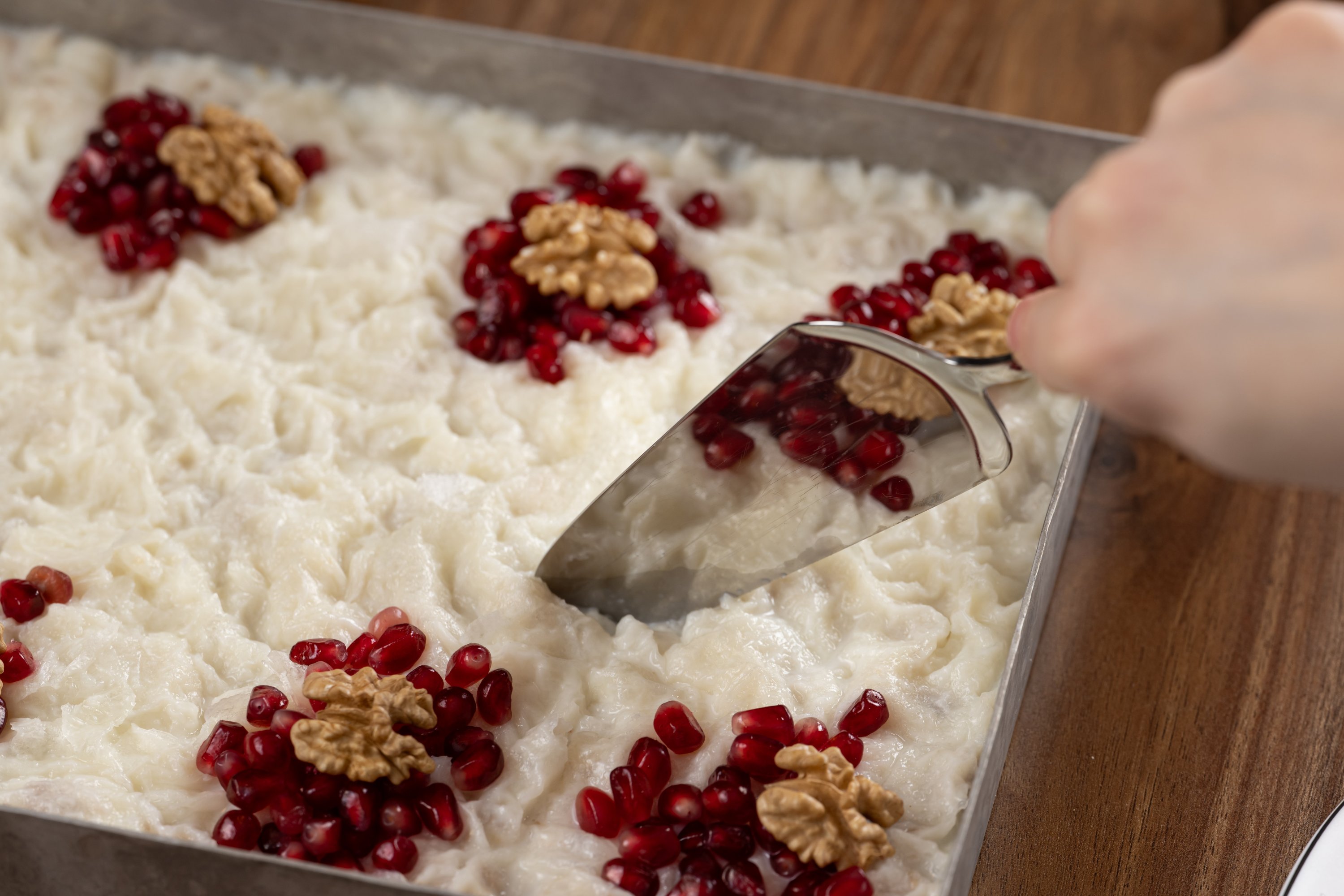
Güllaç is a traditional Turkish dessert prepared with layers of thin, delicate pastry sheets soaked in milk and lightly sweetened with sugar. The name comes from the Turkish word “gül,” meaning rose, as the dessert is traditionally associated with rosewater and delicate garnishes. Widely consumed during the holy month of Ramadan in Türkiye, güllaç is valued for its light texture and refreshing taste, though it is enjoyed throughout the year.
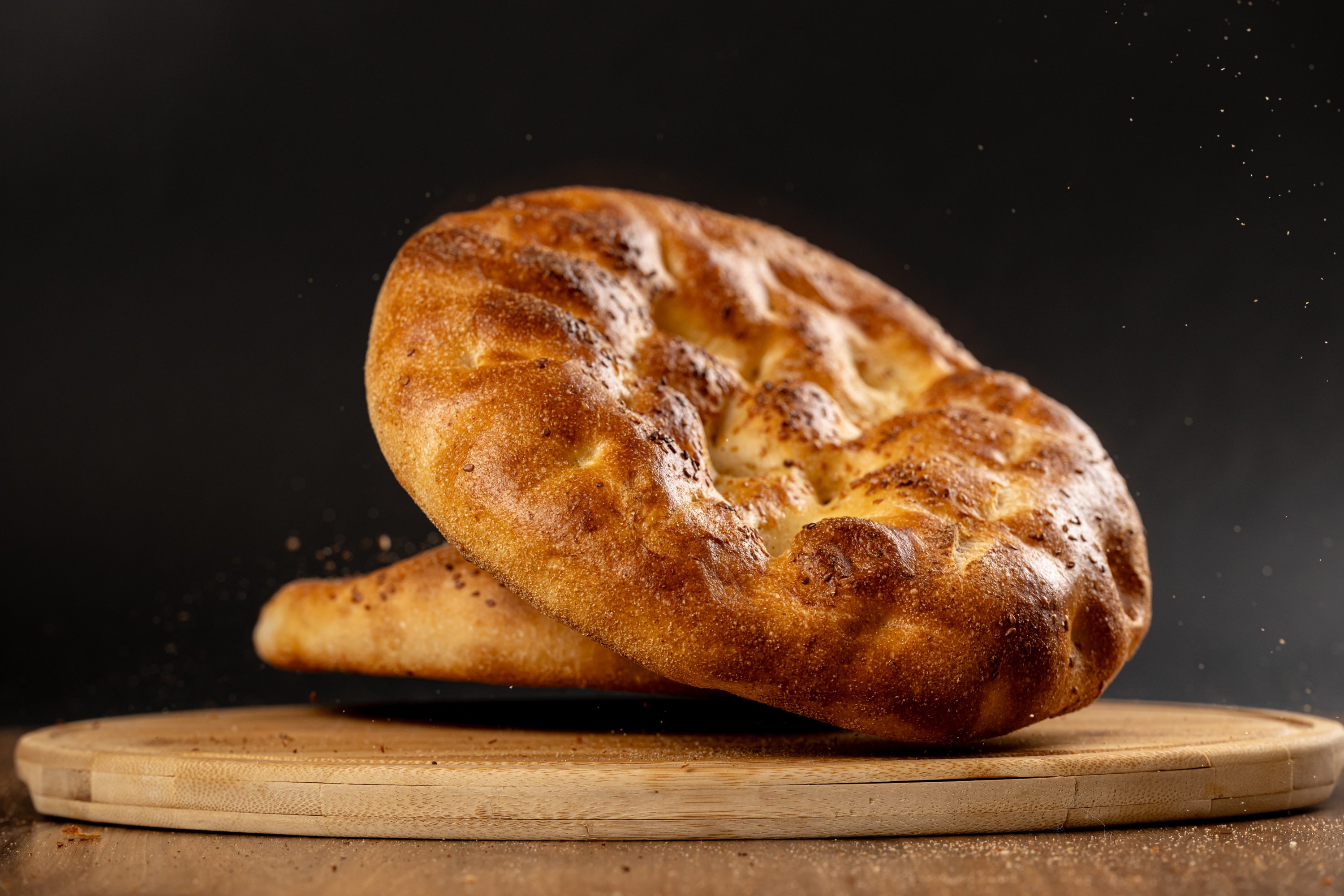
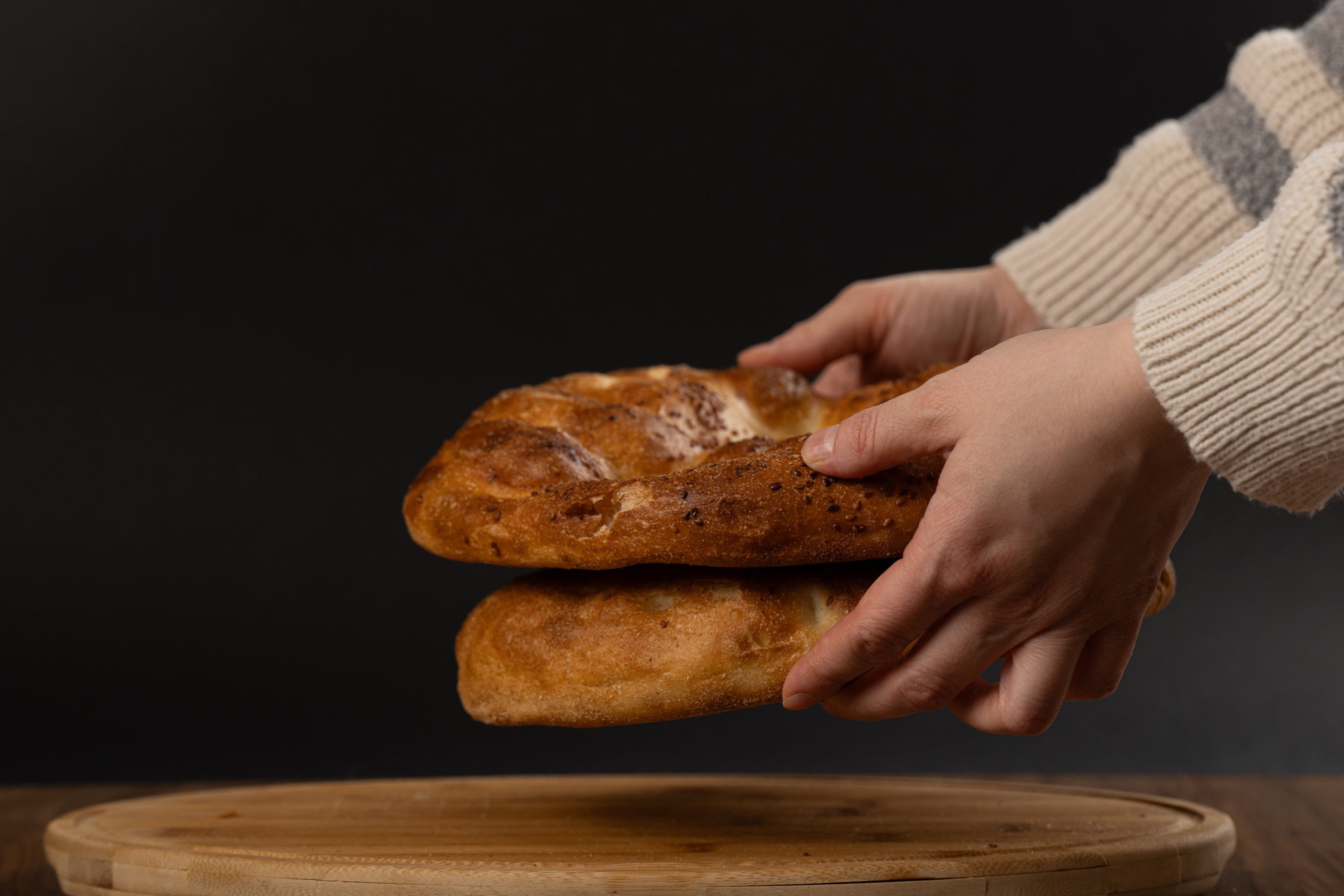
As the call to prayer echoes across Turkish streets, a familiar ritual unfolds in bakeries nationwide. The aroma of Ramadan pide fills the air, drawing people into long lines as they wait to break their fast with freshly baked loaves. Soft on the inside and lightly crisp on the outside, the bread is more than a staple of the iftar table. It represents togetherness, patience and a shared sense of anticipation that defines the holy month of Ramadan.
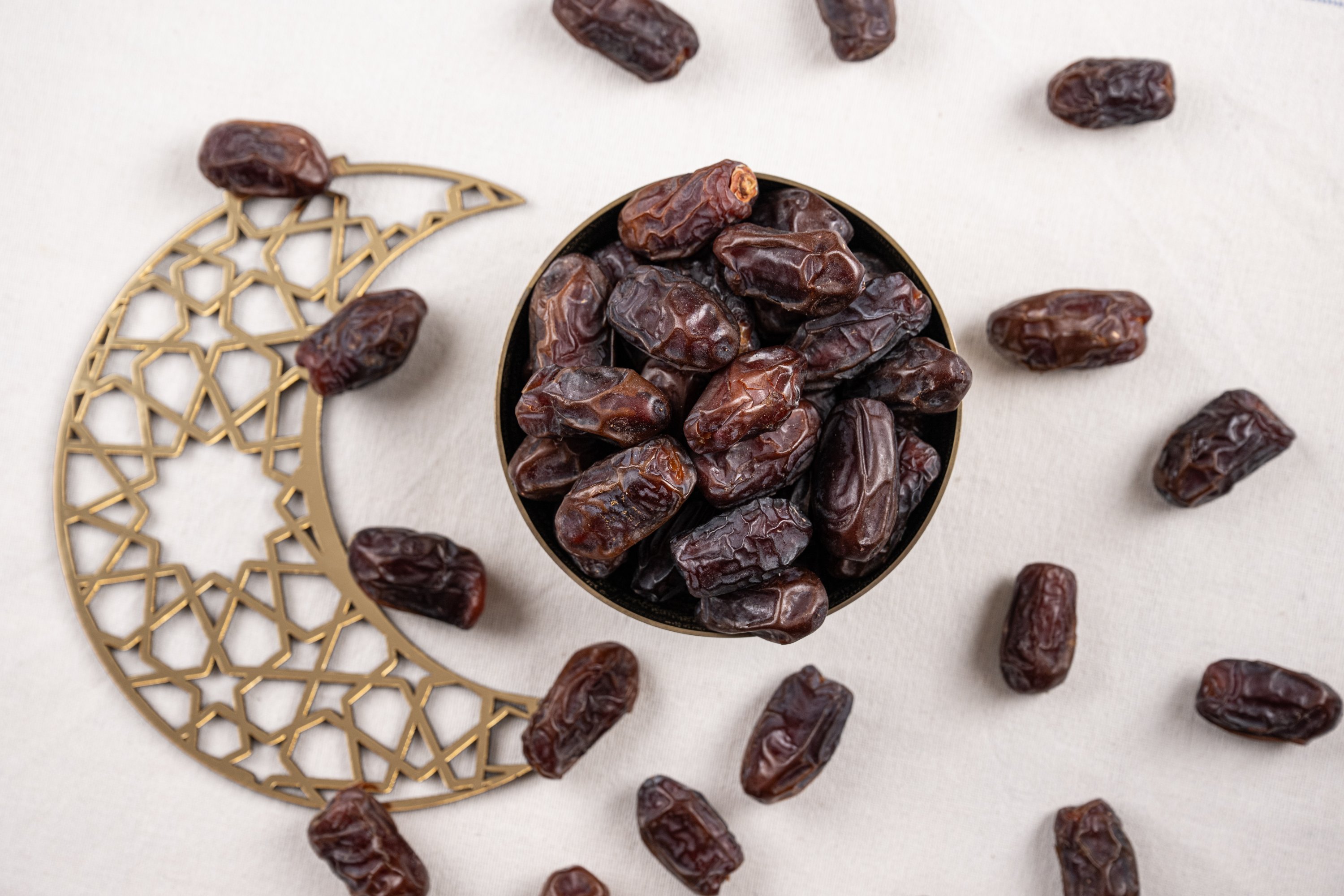
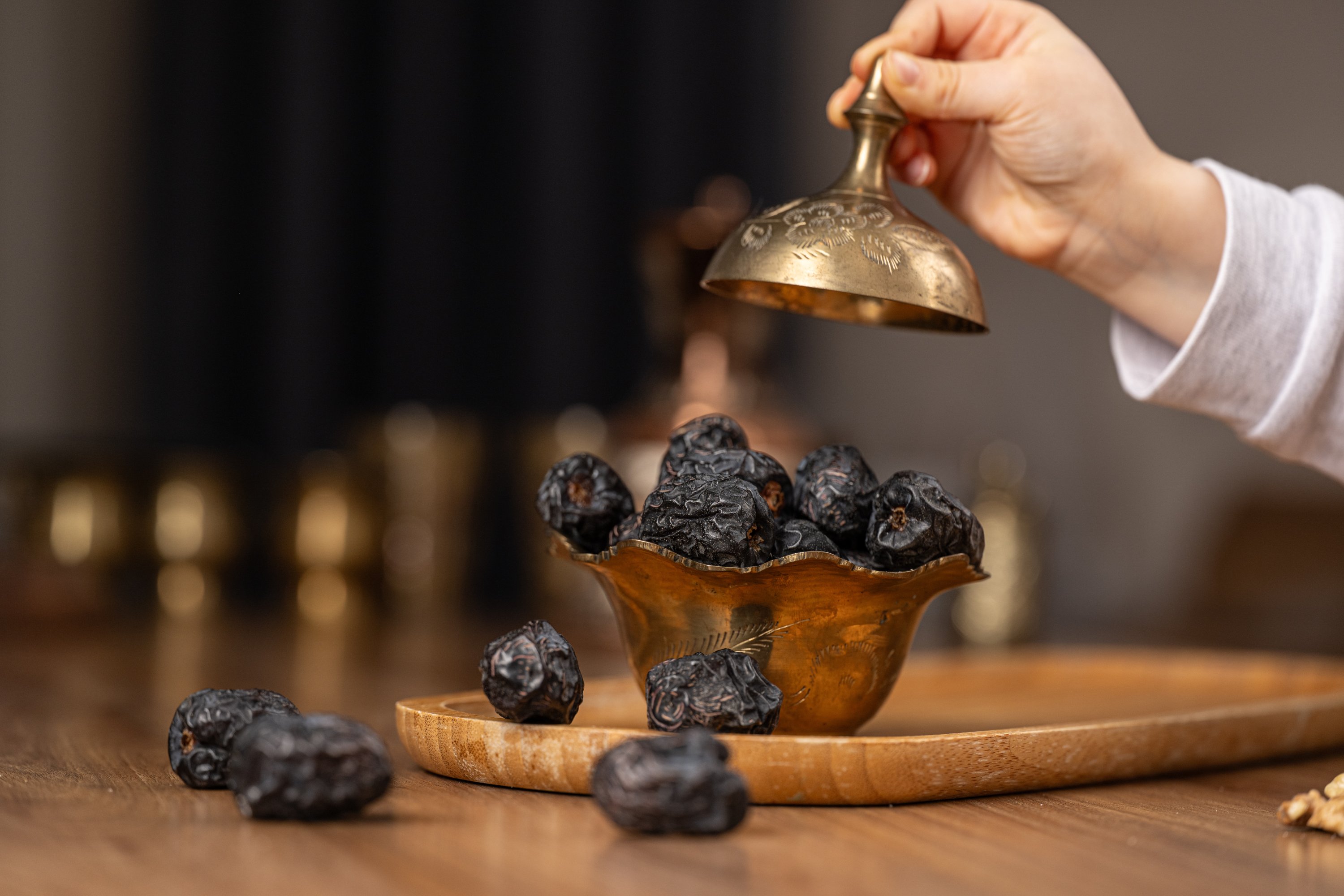
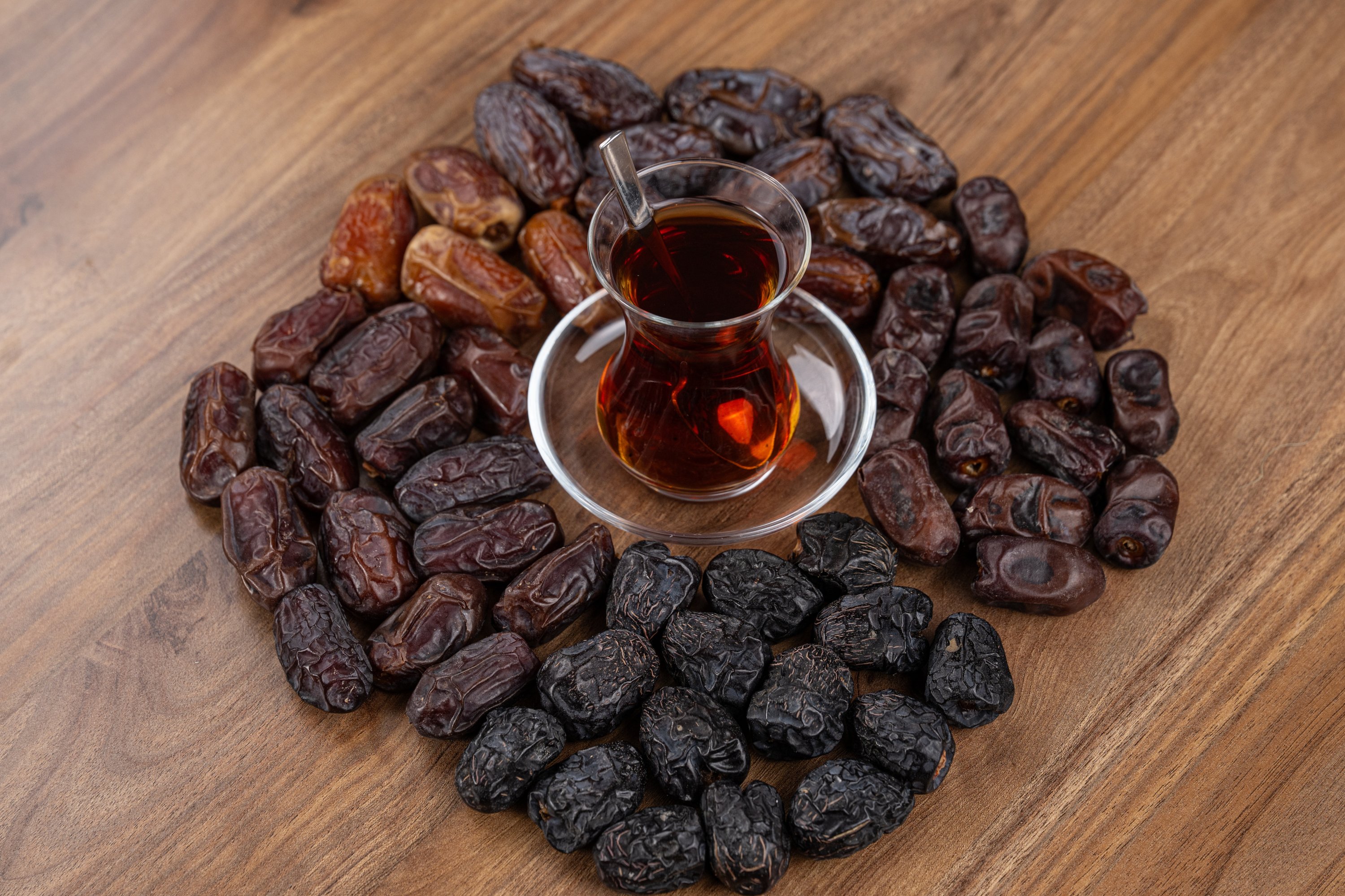
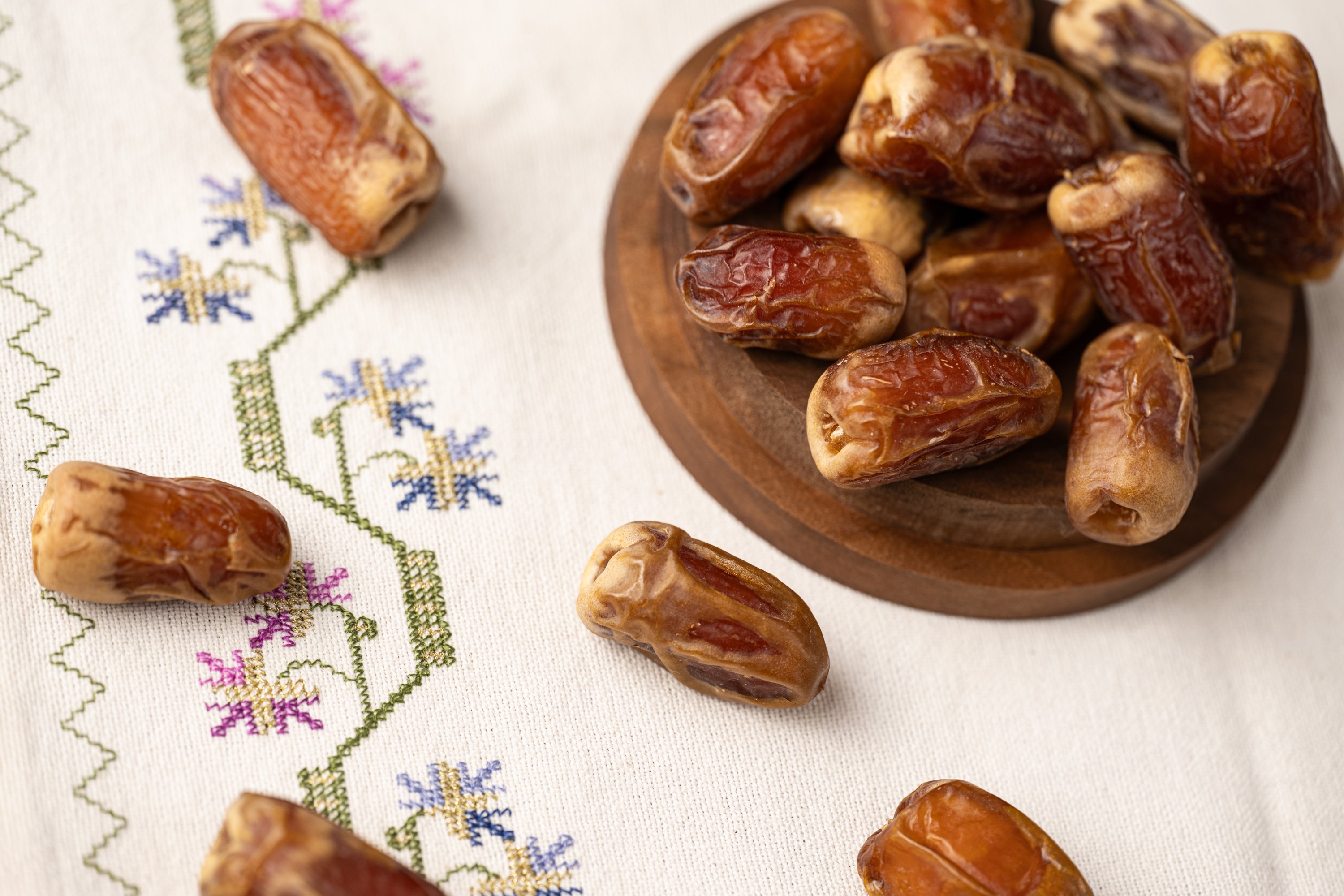
At iftar time, dates are often the first taste after a long day of fasting. Following a centuries-old tradition, they are consumed to break the fast, offering a natural source of energy and nourishment. Served simply on small plates, dates hold a deeper meaning beyond their nutritional value, symbolizing continuity, gratitude and the spiritual essence of Ramadan.
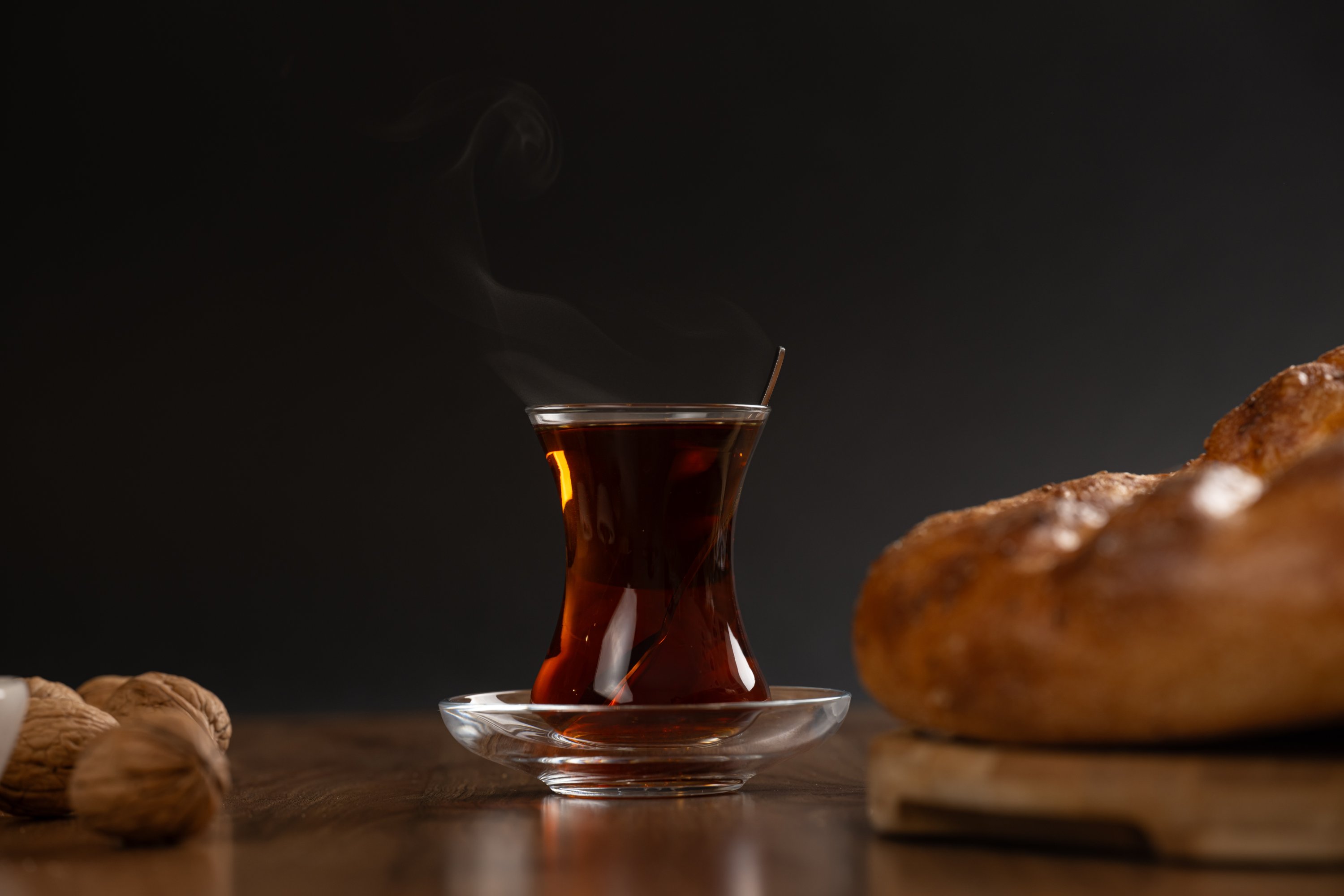
Tea, known as Turkish tea, holds a central place at Ramadan tables in Türkiye, especially after iftar. Brewed strong using black tea leaves and served in small, tulip-shaped glasses, it accompanies desserts, late-night conversations and moments of reflection. During Ramadan evenings, Turkish tea is more than a beverage, serving as a symbol of hospitality, tradition and social connection.