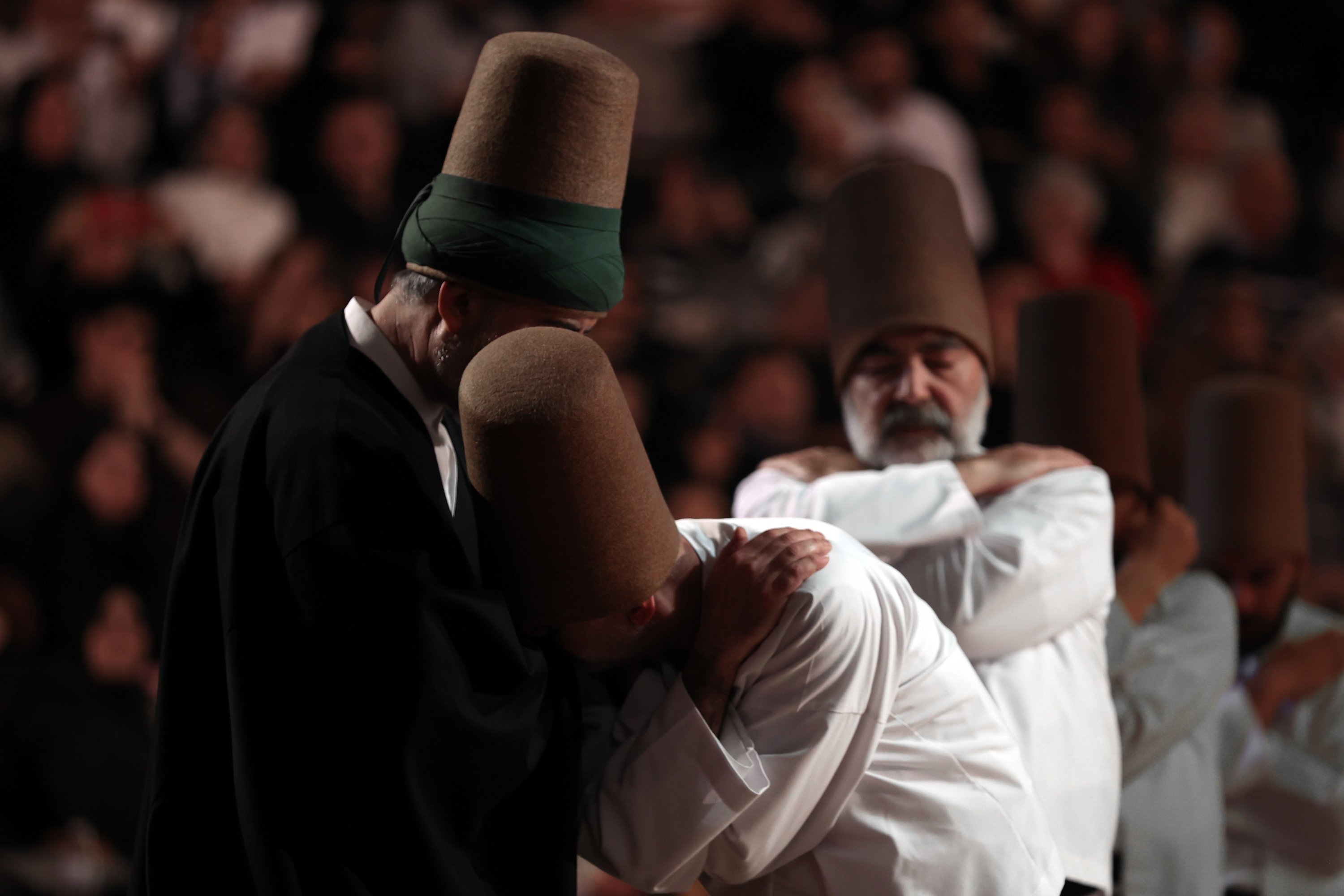
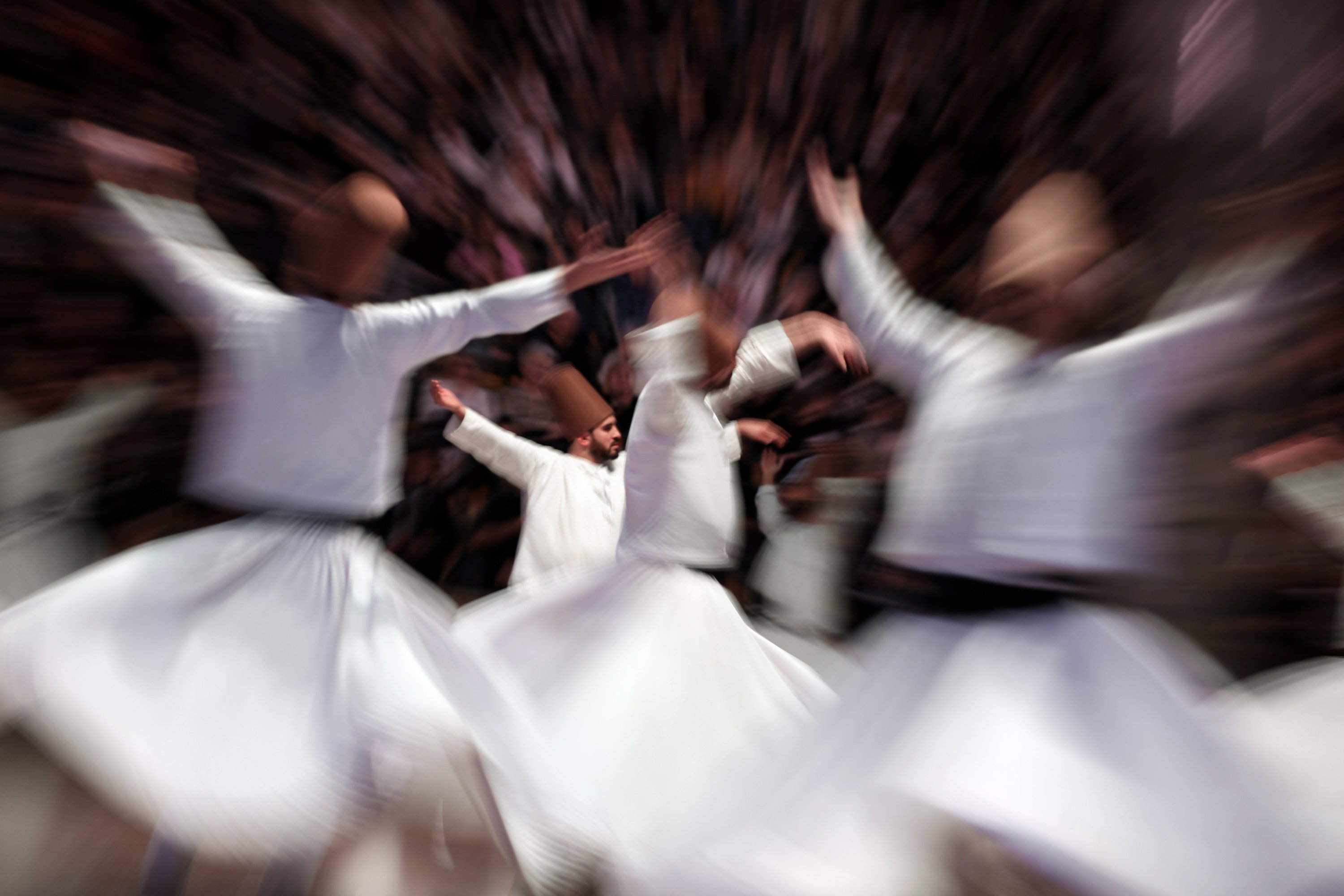
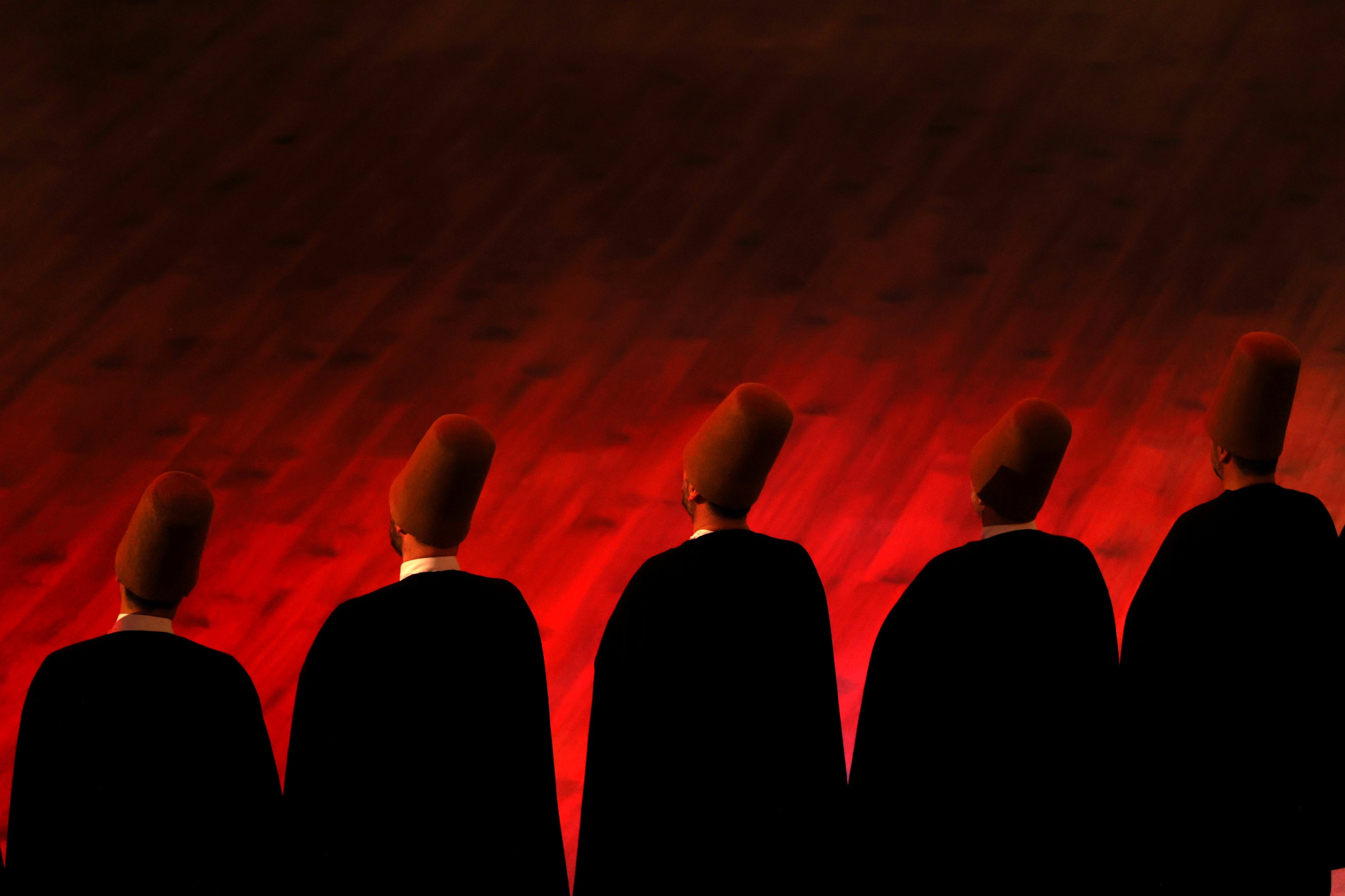
The Sama ceremony is a centuries-old Sufi ritual performed by the Mevlevi order, whose members are commonly known as the whirling dervishes. The ceremony symbolizes a spiritual journey toward divine love, harmony and inner peace, expressed through music, chanting and the distinctive whirling movement.
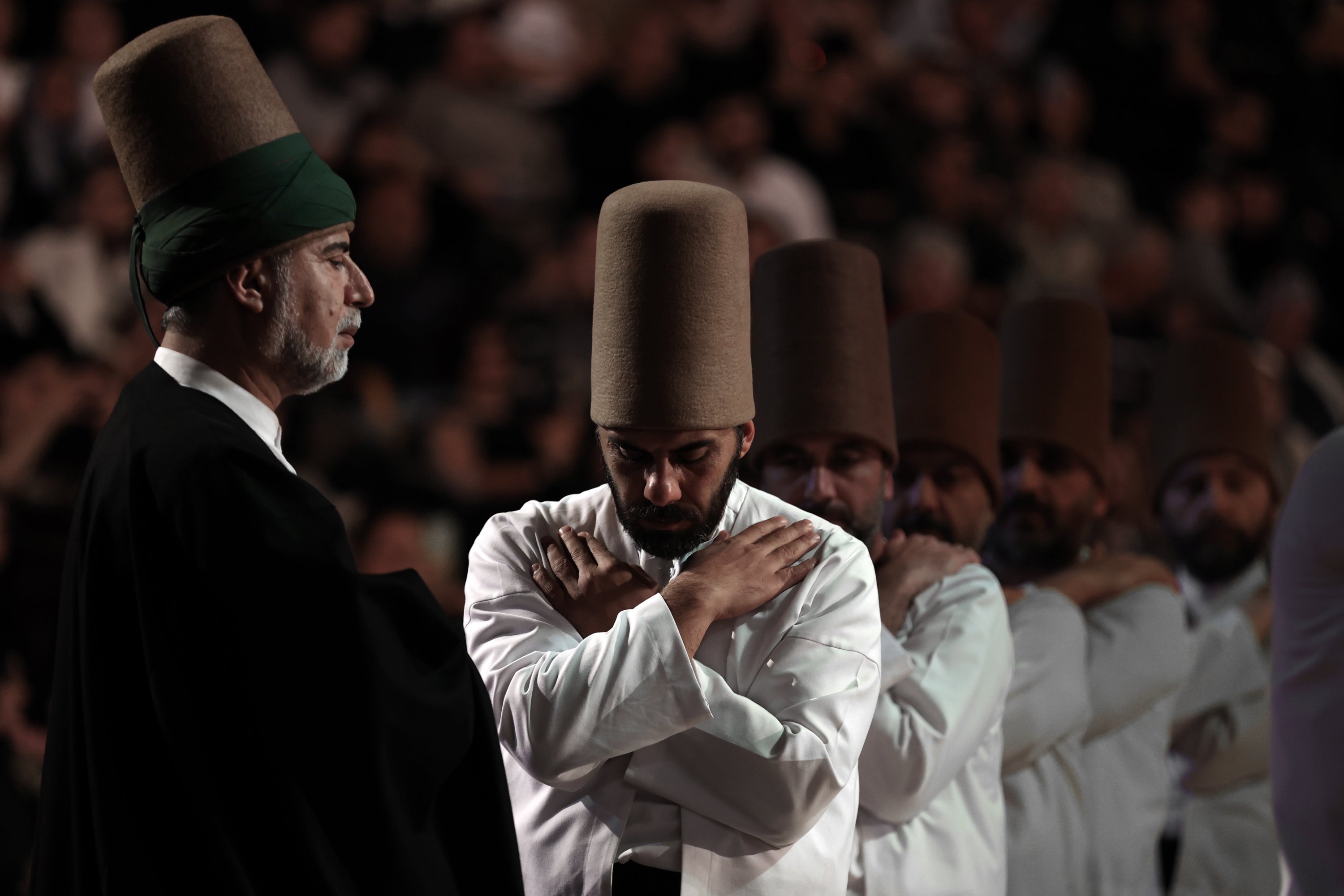
The ritual is closely associated with Mevlana Jalaluddin Rumi, a 13th-century Sufi poet, Islamic scholar and philosopher whose teachings emphasize love, tolerance and unity. Rumi spent much of his life in Konya, in central Türkiye, where he wrote many of his most influential works and where his mausoleum is located today.
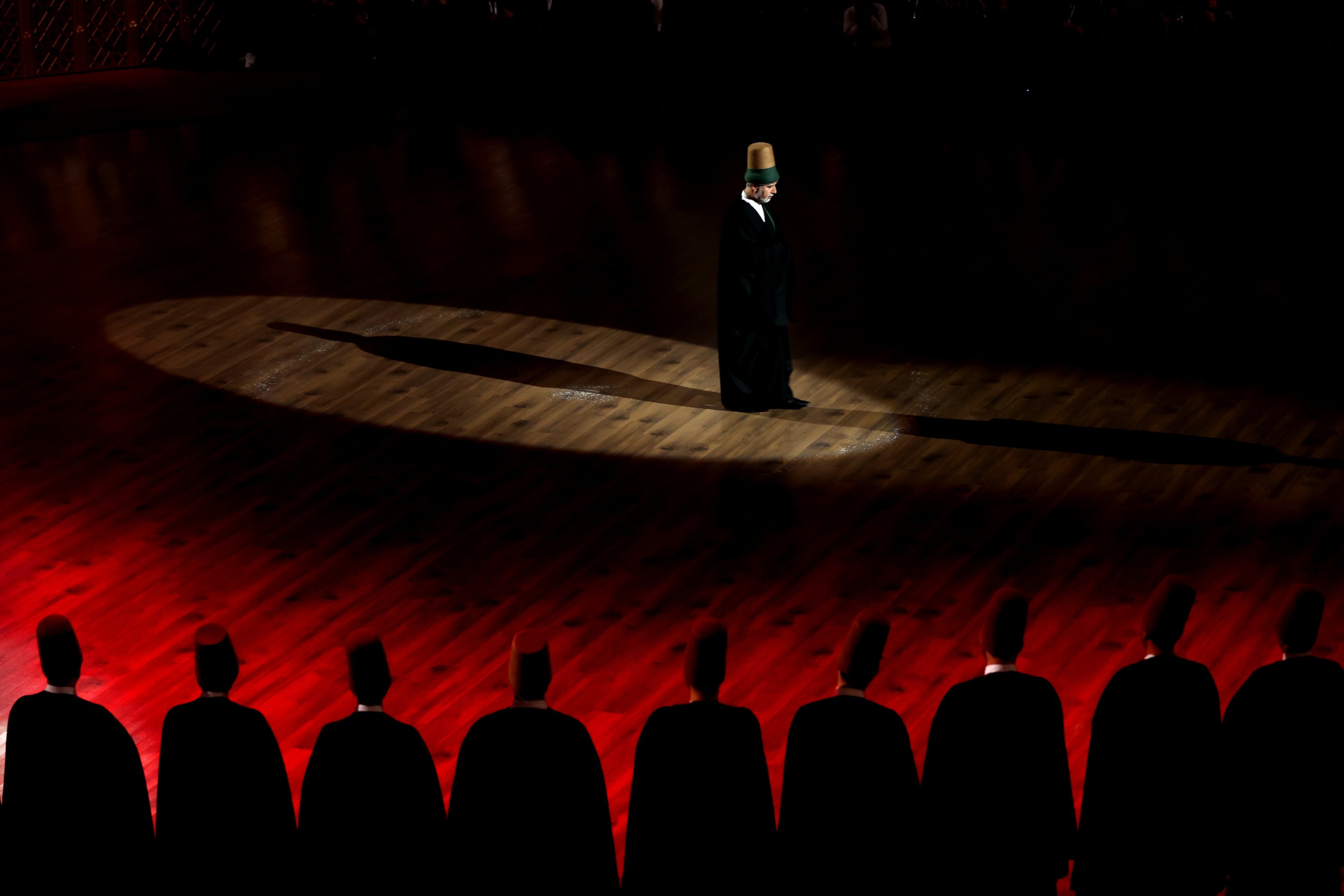
Each year in early December, Konya hosts the Vuslat Anniversary International Commemoration events, marking the anniversary of Rumi’s death. In Sufi tradition, the term “Vuslat” refers not to death, but to a “union with the divine,” reflecting Rumi’s belief that death is a spiritual reunion rather than an end.