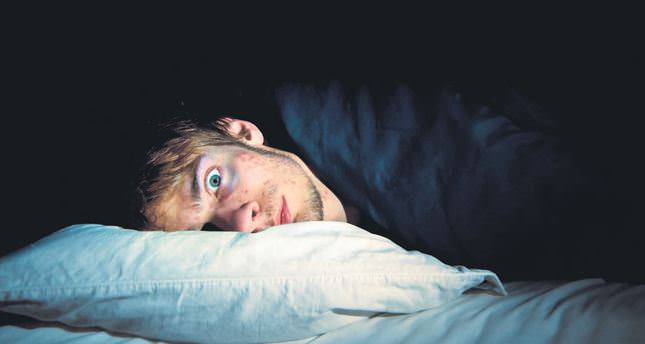
Sleepis a significant part of mental health and one of the greatest tools in improving one's state of being. It serves to restore the mind, gives us energy to handle life's situations and helps us manage our emotions. Lack of sleep is associated with higher rates of anxiety, depression, stress, worry, poorer thinking, decision- making, lack of judgment, and overall, poor coping mechanism to stress.
With the beginning of Ramadan, many people associate this holy month with late night meals which change the lifestyle of the community. There is also an increase in the frequency of gathering with relatives and friends. As a result, one faces an acute lack of sleep during the night. All this leads to laziness, sleepiness and mood swings during the day.
If these symptoms are not unknown to you then you are familiar with insomnia even if you do not name it.
So, what is insomnia? We can basically define insomnia as the inability to fall asleep or remain asleep. It is also used to describe the condition of waking up not feeling restored or refreshed. Insomnia is the most common sleep complaint among people. It can be either acute, lasting one to several nights, or chronic, even lasting months to years. During Ramadan, people more often experience chronic insomnia, which means difficulty sleeping for a few nights, followed by a few nights of adequate sleep before the problem returns.
According to American Psychiatric Association, there are some criteria to diagnose insomnia:
The predominant complaint is difficulty initiating or maintaining sleep, or non-restorative sleep, for at least one month.
The sleep disturbance (or associated daytime fatigue) causes clinically significant distress or impairment in social, occupational, or other important areas of functioning.
The sleep disturbance does not occur exclusively during the course of narcolepsy, breathing-related sleep disorder, circadian rhythm sleep disorder, or parasomnia.
The disturbance does not occur exclusively during the course of another mental disorder (e.g., major depressive disorder, generalized anxiety disorder, a delirium).
The disturbance is not due to the direct physiological effects of a substance (e.g., a drug of abuse, a medication) or a general medical condition.
Based on this, if you think that you have one or more of the conditions above, you might have insomnia. Do not worry. There are some tips that will help you have a more restful night:
Keep regular hours
Going to bed and getting up at roughly the same time every day will program your body to sleep better. Choose a time when you are most likely to feel sleepy.
Less caffeine
We love our tea and are addicted to Turkish coffee. Cut down on the caffeine, especially in the evening. It interferes with the process of falling asleep and prevents deep sleep.
The effects of caffeine can last a long time (up to 24 hours) so the chances of it affecting sleep are significant. Have a warm, milky drink or herbal tea instead.
Do not smoke
If you are a regular smoker, it is hard to abstain from smoking for at least 16 hours during Ramadan, but it is bad for sleep. Smokers take longer to fall asleep, they wake up more frequently, and often have a more disrupted sleep.
Exercise regularly
Moderate exercise on a regular basis, such as swimming or walking, can help to relieve some of the tension built up over the day. But do not do vigorous exercise too close to bedtime as it may keep you awake.
Write away your worries
Deal with worries or a heavy workload by making lists of things to be tackled the next day. If you tend to lie in bed thinking about tomorrow's tasks, it is generally tomorrow's dinner plan during Ramadan, set aside time before bedtime to review the day and make plans for the next day. The goal is to avoid doing these things when you are in bed, trying to sleep.
Do not over-indulge
Most importantly, too much food, especially late at night, can interrupt your sleep patterns.
Stimulants may help you to fall asleep initially, but it will disrupt your sleep later on in the night.
Do not worry in bed
If you cannot sleep, do not lie there worrying about it. Get up and do something you find relaxing until you feel sleepy again, then return to bed.
I can assume that the change in sleep patterns in Ramadan could be a result of the change in lifestyle during the fasting month. Based on this, I advise the people who are fasting, to be regular in their lifestyle and avoid the sudden change in waking up and sleep time, as daytime sleep is not adequate.
If you are still having sleeping problems after applying these suggestions, I recommend you to see a psychologist or a psychiatrist, because sometimes insomnia could be the warning sign of a repressed psychological issue.
Keep up to date with what’s happening in Turkey,
it’s region and the world.
You can unsubscribe at any time. By signing up you are agreeing to our Terms of Use and Privacy Policy.
This site is protected by reCAPTCHA and the Google Privacy Policy and Terms of Service apply.