Daily Sabah logo

Politics
Diplomacy Legislation War On Terror EU Affairs Elections News Analysis
TÜRKİYE
Istanbul Education Investigations Minorities Expat Corner Diaspora
World
Mid-East Europe Americas Asia Pacific Africa Syrian Crisis Islamophobia
Business
Automotive Economy Energy Finance Tourism Tech Defense Transportation News Analysis
Lifestyle
Health Environment Travel Food Fashion Science Religion History Feature Expat Corner
Arts
Cinema Music Events Portrait Reviews Performing Arts
Sports
Football Basketball Motorsports Tennis
Opinion
Columns Op-Ed Reader's Corner Editorial
PHOTO GALLERY
JOBS ABOUT US RSS PRIVACY CONTACT US
© Turkuvaz Haberleşme ve Yayıncılık 2025

Daily Sabah - Latest & Breaking News from Turkey | Istanbul

  • Politics
    • Diplomacy
    • Legislation
    • War On Terror
    • EU Affairs
    • Elections
    • News Analysis
  • TÜRKİYE
    • Istanbul
    • Education
    • Investigations
    • Minorities
    • Expat Corner
    • Diaspora
  • World
    • Mid-East
    • Europe
    • Americas
    • Asia Pacific
    • Africa
    • Syrian Crisis
    • Islamophobia
  • Business
    • Automotive
    • Economy
    • Energy
    • Finance
    • Tourism
    • Tech
    • Defense
    • Transportation
    • News Analysis
  • Lifestyle
    • Health
    • Environment
    • Travel
    • Food
    • Fashion
    • Science
    • Religion
    • History
    • Feature
    • Expat Corner
  • Arts
    • Cinema
    • Music
    • Events
    • Portrait
    • Reviews
    • Performing Arts
  • Sports
    • Football
    • Basketball
    • Motorsports
    • Tennis
  • Gallery
  • Opinion
    • Columns
    • Op-Ed
    • Reader's Corner
    • Editorial
  • TV

Alcohol causes cancer by scrambling DNA in cells, research shows

by

LONDON Jan 04, 2018 - 12:00 am GMT+3
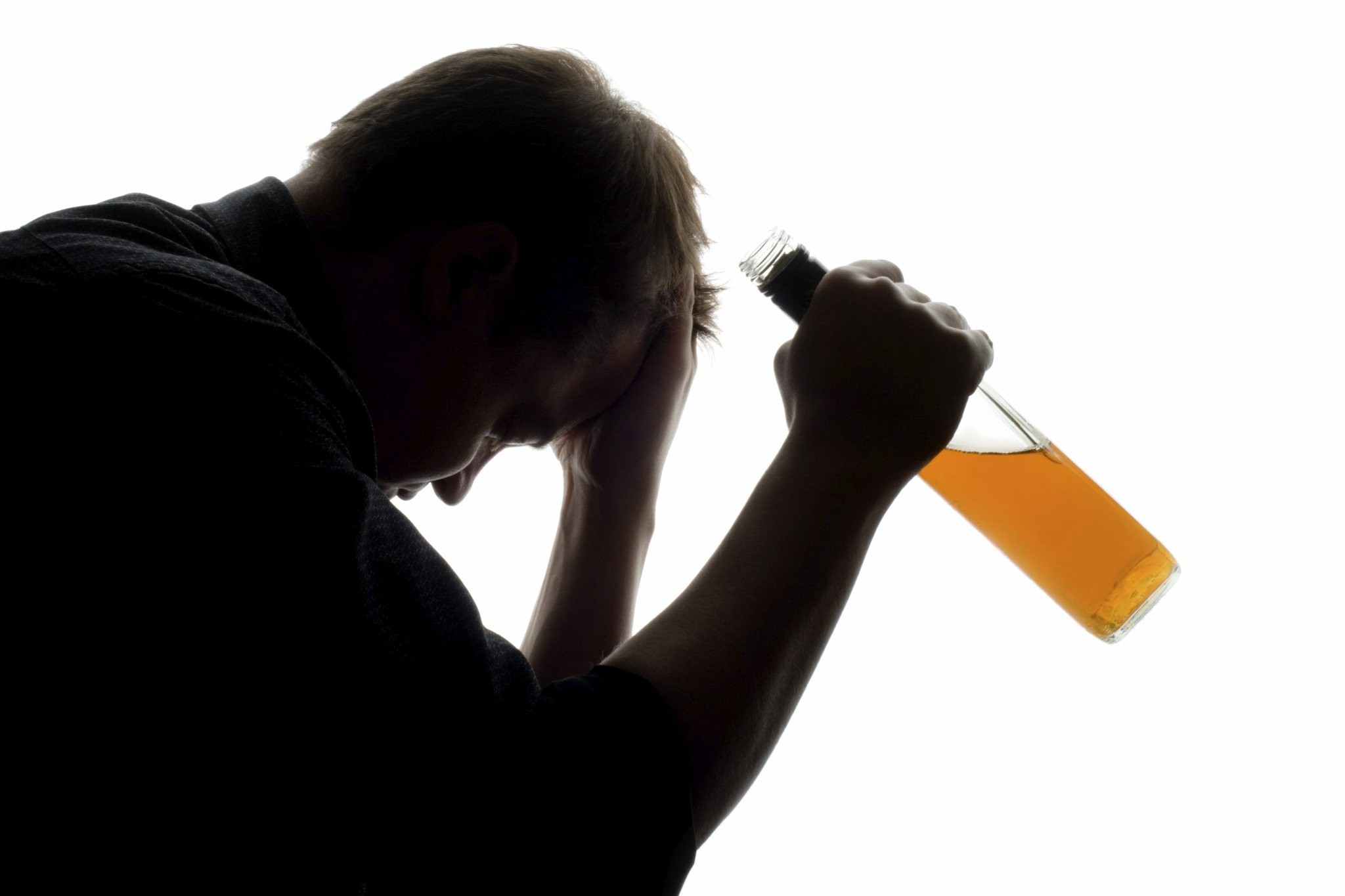
 FILE Photo
| FILE Photo
by Jan 04, 2018 12:00 am

Drinking alcohol produces a harmful chemical in the body which can lead to permanent genetic damage in the DNA of stem cells, increasing the risk of cancer developing, according to research published on Wednesday.

Working with mice in a laboratory, British scientists used chromosome analysis and DNA sequencing to examine the genetic damage caused by acetaldehyde, a harmful chemical produced when the body processes alcohol.

Their findings offered more detail about how alcohol increases the risk of developing 7 types of cancer, including common forms such as breast and bowel cancer. It also showed how the body seeks to defend against the damage alcohol can do. "Some cancers develop due to DNA damage in stem cells. While some damage occurs by chance, our findings suggest that drinking alcohol can increase the risk of this damage," said Ketan Patel, a professor at the Medical Research Council Laboratory of Molecular Biology, who co-led the study.

The World Health Organization's International Agency for Research on Cancer classifies alcohol as a Group 1 carcinogen, citing "convincing evidence" it causes cancer in humans.

A study published in 2011 found that alcohol is responsible for around 4 percent of all cancer in Britain - equating to around 12,800 cases a year.

In Wednesday's study, published in the journal Nature, Patel's team gave diluted alcohol to mice and then analyzed the effect on the animals' DNA. They found that acetaldehyde can break and damage DNA within blood stem cells, permanently altering the DNA sequences within these cells.

This is important, Patel said, because when healthy stem cells become faulty, they can give rise to cancerous cells.

The researchers also looked at how the body tries to protect itself against damage caused by alcohol. The first line of defense is a group of enzymes called aldehyde dehydrogenases or ALDHs, Patel explained. These break down the acetaldehyde into acetate, which cells can then use as a source of energy.

In the study, when mice lacking a critical ALDH enzyme were given alcohol, their DNA suffered four times as damage compared with mice with a properly functioning version of the enzyme.

Patel said cells also have a second line of defence in the form of a range of DNA repair systems which, most of the time, allow them to fix and reverse different types of DNA damage.

But in some instances and in some people - particularly people from South East Asia - the repair systems fail to work, meaning their cells are unable to repair effectively.

"It's important to remember that alcohol clearance and DNA repair systems are not perfect, and alcohol can still cause cancer in different ways - even in people whose defense mechanisms are intact," Patel said.


About the author
Research Associate at Center for Islam and Global Affairs (CIGA) at Istanbul Sabahattin Zaim University
  • shortlink copied
  • Last Update: Jan 04, 2018 4:17 pm
    KEYWORDS
    life
    The Daily Sabah Newsletter
    Keep up to date with what’s happening in Turkey, it’s region and the world.
    You can unsubscribe at any time. By signing up you are agreeing to our Terms of Use and Privacy Policy. This site is protected by reCAPTCHA and the Google Privacy Policy and Terms of Service apply.
    No Image
    Martian beauty: Valleys of red planet in Jordan's unearthly Wadi Rum
    PHOTOGALLERY
    • POLITICS
    • Diplomacy
    • Legislation
    • War On Terror
    • EU Affairs
    • News Analysis
    • TÜRKİYE
    • Istanbul
    • Education
    • Investigations
    • Minorities
    • Diaspora
    • World
    • Mid-East
    • Europe
    • Americas
    • Asia Pacific
    • Africa
    • Syrian Crisis
    • İslamophobia
    • Business
    • Automotive
    • Economy
    • Energy
    • Finance
    • Tourism
    • Tech
    • Defense
    • Transportation
    • News Analysis
    • Lifestyle
    • Health
    • Environment
    • Travel
    • Food
    • Fashion
    • Science
    • Religion
    • History
    • Feature
    • Expat Corner
    • Arts
    • Cinema
    • Music
    • Events
    • Portrait
    • Performing Arts
    • Reviews
    • Sports
    • Football
    • Basketball
    • Motorsports
    • Tennis
    • Opinion
    • Columns
    • Op-Ed
    • Reader's Corner
    • Editorial
    • Photo gallery
    • DS TV
    • Jobs
    • privacy
    • about us
    • contact us
    • RSS
    © Turkuvaz Haberleşme ve Yayıncılık 2021