Daily Sabah logo

Politics
Diplomacy Legislation War On Terror EU Affairs Elections News Analysis
TÜRKİYE
Istanbul Education Investigations Minorities Expat Corner Diaspora
World
Mid-East Europe Americas Asia Pacific Africa Syrian Crisis Islamophobia
Business
Automotive Economy Energy Finance Tourism Tech Defense Transportation News Analysis
Lifestyle
Health Environment Travel Food Fashion Science Religion History Feature Expat Corner
Arts
Cinema Music Events Portrait Reviews Performing Arts
Sports
Football Basketball Motorsports Tennis
Opinion
Columns Op-Ed Reader's Corner Editorial
PHOTO GALLERY
JOBS ABOUT US RSS PRIVACY CONTACT US
© Turkuvaz Haberleşme ve Yayıncılık 2026

Daily Sabah - Latest & Breaking News from Turkey | Istanbul

  • Politics
    • Diplomacy
    • Legislation
    • War On Terror
    • EU Affairs
    • Elections
    • News Analysis
  • TÜRKİYE
    • Istanbul
    • Education
    • Investigations
    • Minorities
    • Expat Corner
    • Diaspora
  • World
    • Mid-East
    • Europe
    • Americas
    • Asia Pacific
    • Africa
    • Syrian Crisis
    • Islamophobia
  • Business
    • Automotive
    • Economy
    • Energy
    • Finance
    • Tourism
    • Tech
    • Defense
    • Transportation
    • News Analysis
  • Lifestyle
    • Health
    • Environment
    • Travel
    • Food
    • Fashion
    • Science
    • Religion
    • History
    • Feature
    • Expat Corner
  • Arts
    • Cinema
    • Music
    • Events
    • Portrait
    • Reviews
    • Performing Arts
  • Sports
    • Football
    • Basketball
    • Motorsports
    • Tennis
  • Gallery
  • Opinion
    • Columns
    • Op-Ed
    • Reader's Corner
    • Editorial
  • TV

Experts call for less antibiotics as global consumption jumps 65 percent

by Daily Sabah

ISTANBUL Mar 27, 2018 - 12:00 am GMT+3
Sabah File Photo
Sabah File Photo
by Daily Sabah Mar 27, 2018 12:00 am

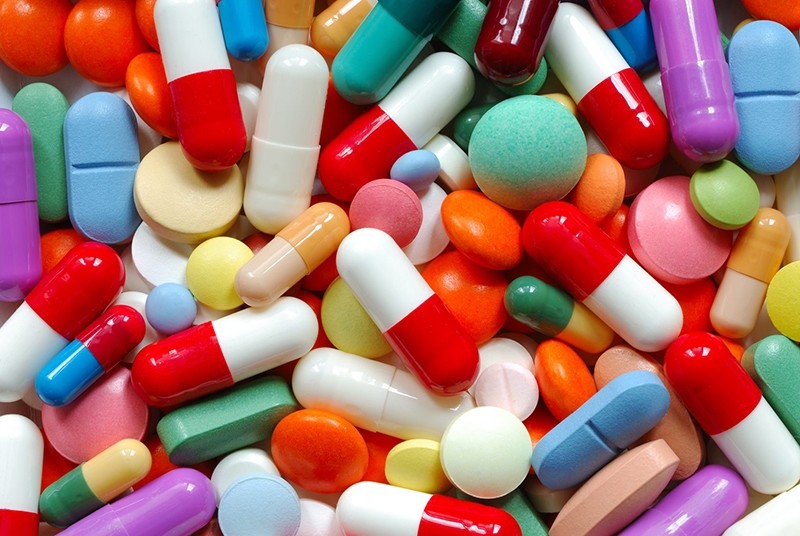
A dramatic increase in the use of antibiotics worldwide has prompted public health experts to call for limits to the consumption of the drugs and focus renewed efforts on increasing sanitation and vaccines to combat infections.

A study conducted by an international team of researchers found worldwide consumption of antibiotics jumped 65 percent from 2000 and 2015, based on sales figures from 76 countries. The rise was driven almost entirely by increased use in poorer countries, the study from the Washington-based Center for Disease Dynamics, Economics and Policy showed.

"We saw a dramatic increase in antibiotic use globally and this is mostly from gains in low- and middle-income countries where economic growth means they have greater access to the drugs," author of the study Eili Klein said.

"While it's generally positive that there's better access to effective antibiotics in these countries, there's the potential for serious problems down the road from overuse. We know there's a lot of inappropriate use in high-income countries, and many of these lower income countries do not have the same controls in place."

The danger of overuse of antibiotics has become clear as a wave of drug-resistant infections have left health care providers unequipped to address new sicknesses.

Drug-resistant strains now kill more than 500,000 people annually worldwide, with a tenth of all deaths in the U.S. and Europe. If left unchecked, these diseases are likely to increase in variety and scale.

"Our modern medical system is built on effective antibiotics," Klein said. "If our antibiotics stop working, if bacteria become resistant to most of them, medicine will be in trouble. The worry is that people don't do anything about it."

Klein and his co-authors urge "radical rethinking" of policies to cut back antibiotic usage, advocating greater investment in sanitation, hygiene and vaccinations in countries where antibiotic use is steadily climbing.

The study found that despite the rise in usage, low- and middle-income countries still use antibiotics far less than richer nations, who consume the drugs and nearly twice their rate.

In Turkey, where antibiotic consumption is significantly higher than other countries, antimicrobial resistance has become a serious concern. A 2014 study by the World Health Organization (WHO) ranked Turkey among the top three countries in terms of weak antimicrobial resistance to several infections.


  • shortlink copied
  • Last Update: Mar 27, 2018 5:23 pm
    KEYWORDS
    life
    The Daily Sabah Newsletter
    Keep up to date with what’s happening in Turkey, it’s region and the world.
    You can unsubscribe at any time. By signing up you are agreeing to our Terms of Use and Privacy Policy. This site is protected by reCAPTCHA and the Google Privacy Policy and Terms of Service apply.
    No Image
    Apocalyptic wildfires in Canada devastate millions
    PHOTOGALLERY
    • POLITICS
    • Diplomacy
    • Legislation
    • War On Terror
    • EU Affairs
    • News Analysis
    • TÜRKİYE
    • Istanbul
    • Education
    • Investigations
    • Minorities
    • Diaspora
    • World
    • Mid-East
    • Europe
    • Americas
    • Asia Pacific
    • Africa
    • Syrian Crisis
    • İslamophobia
    • Business
    • Automotive
    • Economy
    • Energy
    • Finance
    • Tourism
    • Tech
    • Defense
    • Transportation
    • News Analysis
    • Lifestyle
    • Health
    • Environment
    • Travel
    • Food
    • Fashion
    • Science
    • Religion
    • History
    • Feature
    • Expat Corner
    • Arts
    • Cinema
    • Music
    • Events
    • Portrait
    • Performing Arts
    • Reviews
    • Sports
    • Football
    • Basketball
    • Motorsports
    • Tennis
    • Opinion
    • Columns
    • Op-Ed
    • Reader's Corner
    • Editorial
    • Photo gallery
    • DS TV
    • Jobs
    • privacy
    • about us
    • contact us
    • RSS
    © Turkuvaz Haberleşme ve Yayıncılık 2021