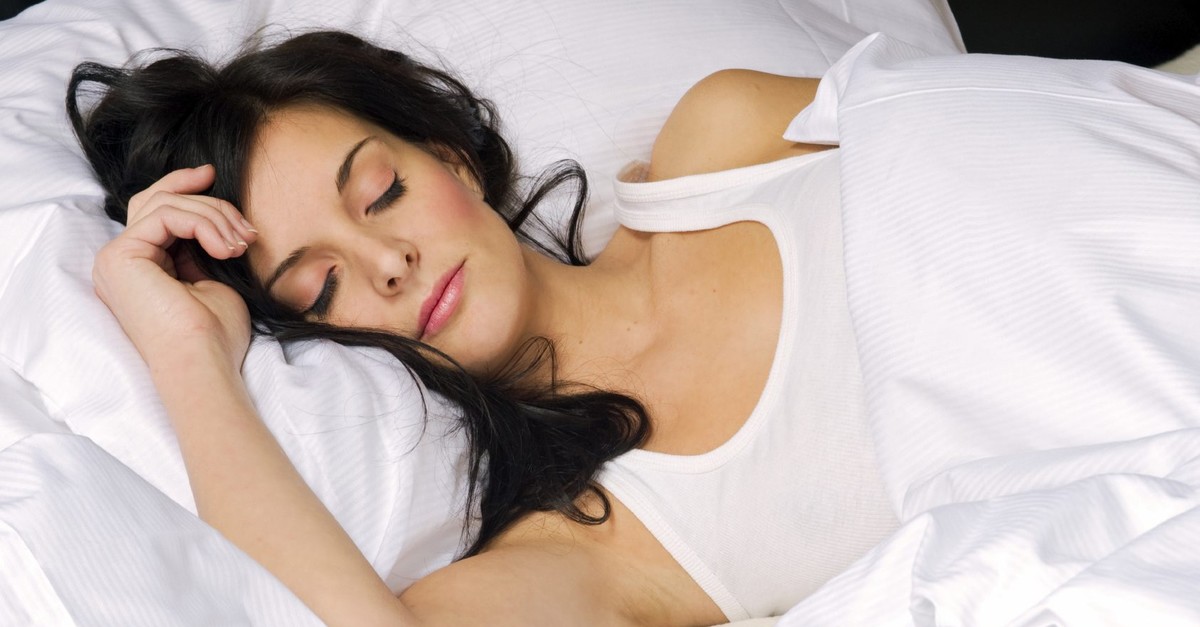
Falling asleep late at night, sleeping less than usual or the inability to sleep very well invite illnesses and psychological problems, such as depression, stroke, diabetes, cancer, unhappiness and tension. Do we know what sleeping means? If we understand the science behind sleep, can we solve the mystery of our body?
American media boss Arianna Huffington decided to change not only her career but also her life when she fainted due to fatigue. This successful, renowned businesswoman adopted a healthy and adequate sleep routine. She never starts her day without good sleep. If you ask her the key to success, she says it all comes down to sleep.
When she was on the verge of burnout, Huffington caught a life success by learning the art of sleeping. Is poor sleep the mother of all unhappiness? Chest Disease Specialist Dr. Ender Levent talked about this question.
Are you really asleep?
Since present city life does not allow proper, healthy sleep, Dr. Levent said: "We cannot even recognize the signals that our bodies give as there are lots of sounds and images around us. We are exposed to televisions and computers. The tempo of city and business life creates great pressure, and we all have many things to do. We cannot understand whether we are sleepy or tired. Our priority is to finish our work. When our condition is like that, our sleep routine is disturbed."
How much sleep do we need?
Sleep needs changes with age. A newborn sleeps 16-18 hours while adolescents sleep 10 hours. Adults generally sleep 6-8 hours. Even if this period is spent sleeping, people can still have sleep problems. If we slept 6-8 hours, we'd have good sleep. If we feel rested, fresh and ready for the day, this is the sign of quality sleep. However, if you feel tired and sleepless while starting the day, there's a sleep problem.
According to international classification, there are more than 70 sleeping disorders. The most common is sleep apnea: when you stop breathing for at least 10 seconds at night and oxygen levels decrease.
Sleeping disorders can be diagnosed with polysomnography in sleep laboratories. If respiration stops 10 or more seconds in an hour five or more times, there is sleep apnea. However, some people stop breathing every half-minute. Thus, we cannot mention quality sleep or rest here.
Doctors treat anatomic problems that prevent respiration and cause sleep apnea, like micrognathia, nasal congestion and enlarged tonsils surgically. If there is no such problem, a device with a mask can blow pressured air into patients while they sleep.
What happens if we don't sleep?
Does lack of sleep carry a high price? According to Dr. Levent, sleeplessness causes an individual to feel tired, angry and depressed and lack attention. Reflexes slow and perception problems occur. Resistance to leptin hormones appears, causing compulsive eating and weight gain. Insulin resistance is seen and stress hormones are secreted. In particular, sleep apnea activates hormones that affect the sympathetic system, causing a speedup in heart rhythm, an increase in blood pressure and the risk of stroke. As oxygen in the blood decreases, the body pumps more blood to the brain to satisfy the oxygen need of the brain. This causes people to wake up with a headache in the mornings. Many diseases like high cholesterol, blood pressure, diabetes and cardiovascular diseases can also occur. That is, your body cannot resist sleeplessness even if you say you can. These illnesses shorten lifespan.
Easiest prescription: Napping
To feel fresh and healthy, take naps. A half-hour of sleep at noon equals one-and-a-half hours of sleep at night. Children should go to bed before 10 p.m., while adults should be in bed before 11.00 p.m. so that hormones can perform properly.
Golden rules of sleep
Sleep at the same time every day.
Stop using computers, televisions and phones at least an hour before sleeping.
Stay away from drinks with alcohol and caffeine at least four hours before sleep.
The bedroom should be silent and quiet.
Use curtains that totally block light. In utter darkness, melatonin hormones are secreted.
Sleep on a comfortable bed in comfortable clothes.
Bedroom temperature should not be high.
No electronic devices in the bedroom.
Only use bedroom for sleeping.