Daily Sabah logo

Politics
Diplomacy Legislation War On Terror EU Affairs Elections News Analysis
TÜRKİYE
Istanbul Education Investigations Minorities Expat Corner Diaspora
World
Mid-East Europe Americas Asia Pacific Africa Syrian Crisis Islamophobia
Business
Automotive Economy Energy Finance Tourism Tech Defense Transportation News Analysis
Lifestyle
Health Environment Travel Food Fashion Science Religion History Feature Expat Corner
Arts
Cinema Music Events Portrait Reviews Performing Arts
Sports
Football Basketball Motorsports Tennis
Opinion
Columns Op-Ed Reader's Corner Editorial
PHOTO GALLERY
JOBS ABOUT US RSS PRIVACY CONTACT US
© Turkuvaz Haberleşme ve Yayıncılık 2026

Daily Sabah - Latest & Breaking News from Turkey | Istanbul

  • Politics
    • Diplomacy
    • Legislation
    • War On Terror
    • EU Affairs
    • Elections
    • News Analysis
  • TÜRKİYE
    • Istanbul
    • Education
    • Investigations
    • Minorities
    • Expat Corner
    • Diaspora
  • World
    • Mid-East
    • Europe
    • Americas
    • Asia Pacific
    • Africa
    • Syrian Crisis
    • Islamophobia
  • Business
    • Automotive
    • Economy
    • Energy
    • Finance
    • Tourism
    • Tech
    • Defense
    • Transportation
    • News Analysis
  • Lifestyle
    • Health
    • Environment
    • Travel
    • Food
    • Fashion
    • Science
    • Religion
    • History
    • Feature
    • Expat Corner
  • Arts
    • Cinema
    • Music
    • Events
    • Portrait
    • Reviews
    • Performing Arts
  • Sports
    • Football
    • Basketball
    • Motorsports
    • Tennis
  • Gallery
  • Opinion
    • Columns
    • Op-Ed
    • Reader's Corner
    • Editorial
  • TV

Unintentional weight gain? Sleeping with TV or lights on might be to blame, study suggests

by Associated Press

CHICAGO Jun 10, 2019 - 8:52 pm GMT+3
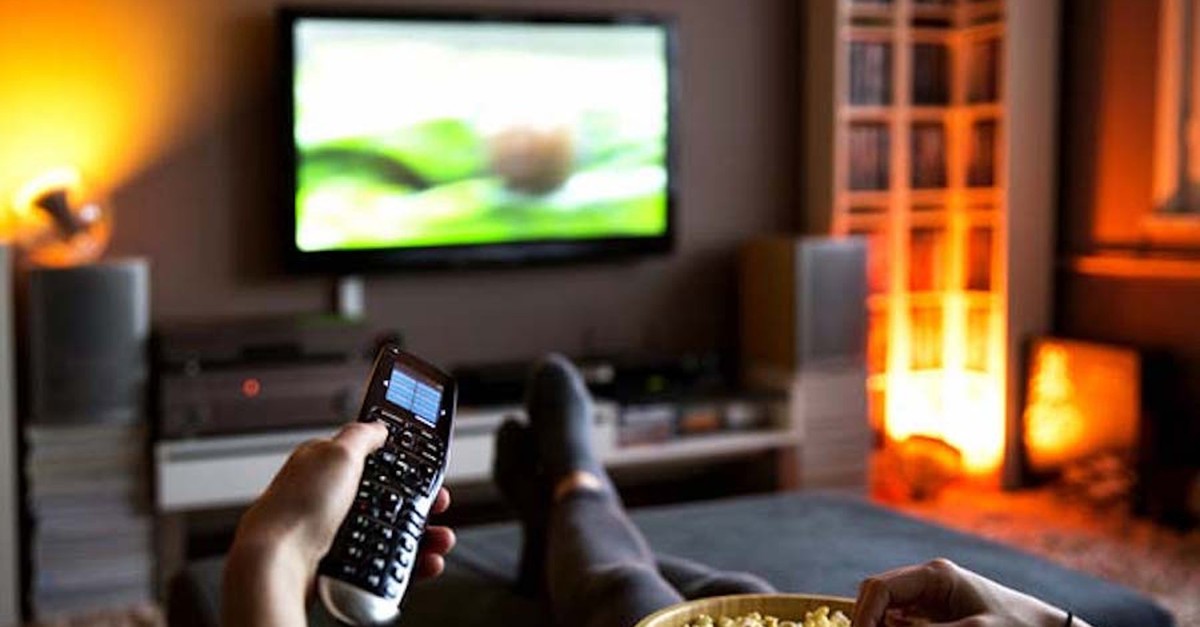
  FILE Photo
| FILE Photo
by Associated Press Jun 10, 2019 8:52 pm

Dozing off to late-night TV or sleeping with other lights on may mix up your metabolism and lead to weight gain and even obesity, provocative but preliminary U.S. research suggests.

The National Institutes of Health study published Monday isn't proof, but it bolsters evidence suggesting that too much exposure to light at night could pose health risks.

"Evolutionarily we are supposed to be sleeping at night, in a dark place," said lead author Dale Sandler, a scientist with the National Institute of Environmental Health Sciences, a division of the National Institutes of Health. "It's much more important than people realize for a whole variety of health reasons."

Daily exposure to light and darkness helps maintain our 24-hour body clock, which regulates metabolism, sleep-promoting hormones, blood pressure, and other bodily functions.

Mounting research suggests disrupting that typical sleep-wake cycle may contribute to poor health, increasing risks for high blood pressure, diabetes, depression and obesity.

The researchers analyzed health and lifestyle data on nearly 44,000 U.S. women enrolled in an ongoing study seeking clues to causes of breast cancer. The analysis focused on data on sleep, light exposure and weight gain during the study, but not on breast cancer. Results were published in JAMA Internal Medicine.

Women in the study had medical exams and filled out health and lifestyle questionnaires when they enrolled and periodically after. Those who reported sleeping at night in a room with a television on or a light were more likely to gain at least 11 pounds over about five years than those who slept in darkness. They were also about 30 percent more likely to become obese.

Sandler said she is confident that the added weight wasn't from things like snacking at night, because the analysis accounted for other variables that could have led to weight gain such as diet, physical activity and sleep duration.

Sandler said it's likely similar results would be found in men.

Animal research and smaller studies in humans have linked prolonged light exposure with weight gain. Exactly how is uncertain but scientists think disruption in release of hormones related to sleep and appetite may be involved.

Dr. Phyllis Zee, an expert in sleep and circadian rhythm disorders at Chicago's Northwestern University, said the study is important because it highlights a behavior that can be easily changed to reduce the risk of gaining weight. "Properly timed light should be considered as part of a healthy life style," she said, along with exercise and good nutrition.


  • shortlink copied
  • KEYWORDS
    life
    The Daily Sabah Newsletter
    Keep up to date with what’s happening in Turkey, it’s region and the world.
    You can unsubscribe at any time. By signing up you are agreeing to our Terms of Use and Privacy Policy. This site is protected by reCAPTCHA and the Google Privacy Policy and Terms of Service apply.
    No Image
    Turkey: The land of cats
    PHOTOGALLERY
    • POLITICS
    • Diplomacy
    • Legislation
    • War On Terror
    • EU Affairs
    • News Analysis
    • TÜRKİYE
    • Istanbul
    • Education
    • Investigations
    • Minorities
    • Diaspora
    • World
    • Mid-East
    • Europe
    • Americas
    • Asia Pacific
    • Africa
    • Syrian Crisis
    • İslamophobia
    • Business
    • Automotive
    • Economy
    • Energy
    • Finance
    • Tourism
    • Tech
    • Defense
    • Transportation
    • News Analysis
    • Lifestyle
    • Health
    • Environment
    • Travel
    • Food
    • Fashion
    • Science
    • Religion
    • History
    • Feature
    • Expat Corner
    • Arts
    • Cinema
    • Music
    • Events
    • Portrait
    • Performing Arts
    • Reviews
    • Sports
    • Football
    • Basketball
    • Motorsports
    • Tennis
    • Opinion
    • Columns
    • Op-Ed
    • Reader's Corner
    • Editorial
    • Photo gallery
    • DS TV
    • Jobs
    • privacy
    • about us
    • contact us
    • RSS
    © Turkuvaz Haberleşme ve Yayıncılık 2021