Daily Sabah logo

Politics
Diplomacy Legislation War On Terror EU Affairs Elections News Analysis
TÜRKİYE
Istanbul Education Investigations Minorities Expat Corner Diaspora
World
Mid-East Europe Americas Asia Pacific Africa Syrian Crisis Islamophobia
Business
Automotive Economy Energy Finance Tourism Tech Defense Transportation News Analysis
Lifestyle
Health Environment Travel Food Fashion Science Religion History Feature Expat Corner
Arts
Cinema Music Events Portrait Reviews Performing Arts
Sports
Football Basketball Motorsports Tennis
Opinion
Columns Op-Ed Reader's Corner Editorial
PHOTO GALLERY
JOBS ABOUT US RSS PRIVACY CONTACT US
© Turkuvaz Haberleşme ve Yayıncılık 2025

Daily Sabah - Latest & Breaking News from Turkey | Istanbul

  • Politics
    • Diplomacy
    • Legislation
    • War On Terror
    • EU Affairs
    • Elections
    • News Analysis
  • TÜRKİYE
    • Istanbul
    • Education
    • Investigations
    • Minorities
    • Expat Corner
    • Diaspora
  • World
    • Mid-East
    • Europe
    • Americas
    • Asia Pacific
    • Africa
    • Syrian Crisis
    • Islamophobia
  • Business
    • Automotive
    • Economy
    • Energy
    • Finance
    • Tourism
    • Tech
    • Defense
    • Transportation
    • News Analysis
  • Lifestyle
    • Health
    • Environment
    • Travel
    • Food
    • Fashion
    • Science
    • Religion
    • History
    • Feature
    • Expat Corner
  • Arts
    • Cinema
    • Music
    • Events
    • Portrait
    • Reviews
    • Performing Arts
  • Sports
    • Football
    • Basketball
    • Motorsports
    • Tennis
  • Gallery
  • Opinion
    • Columns
    • Op-Ed
    • Reader's Corner
    • Editorial
  • TV

Ancient human remains discovered in Istanbul metro construction site

by Daily Sabah

ISTANBUL Aug 23, 2017 - 12:00 am GMT+3
 AA Photo
| AA Photo
by Daily Sabah Aug 23, 2017 12:00 am

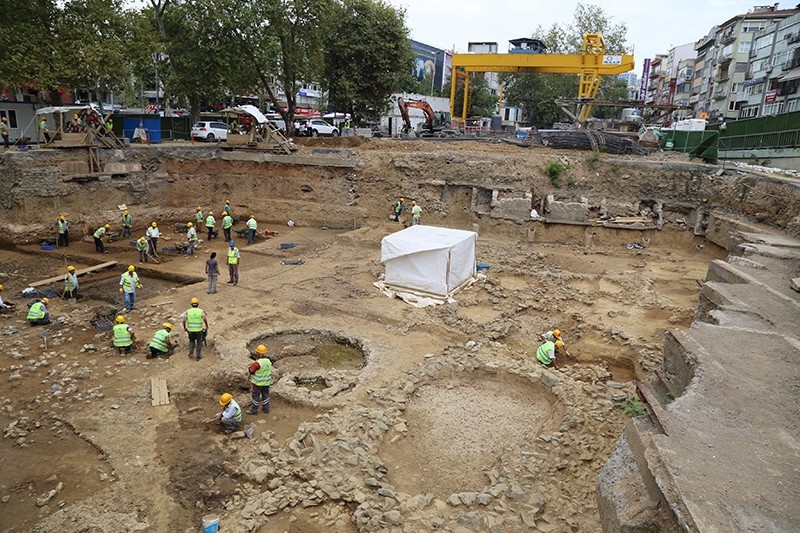
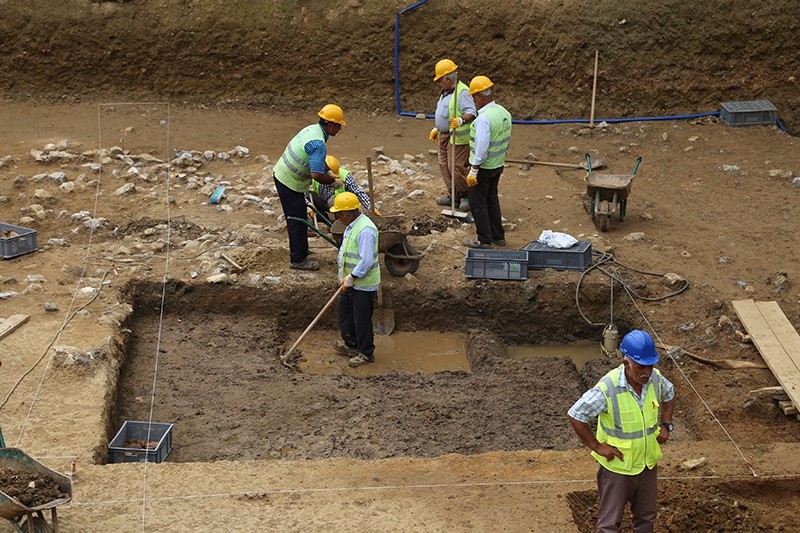
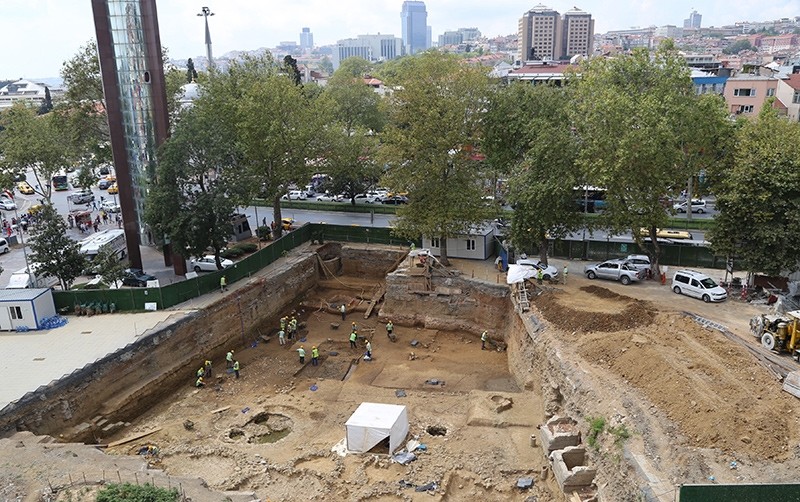
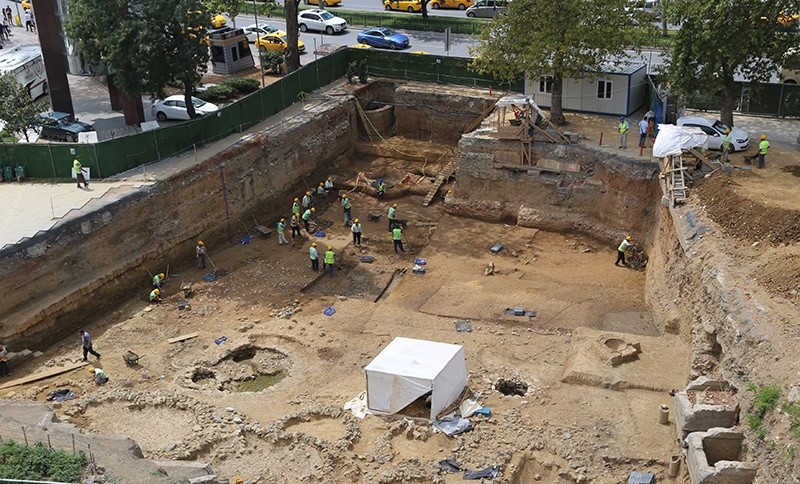
Construction workers in Istanbul's Beşiktaş district digging the ground for a new metro project connecting Istanbul's Kabataş-Beşiktaş-Mecidiyeköy-Mahmutbey districts have discovered human bones and cremated remains from the eighth and 12th centuries B.C.

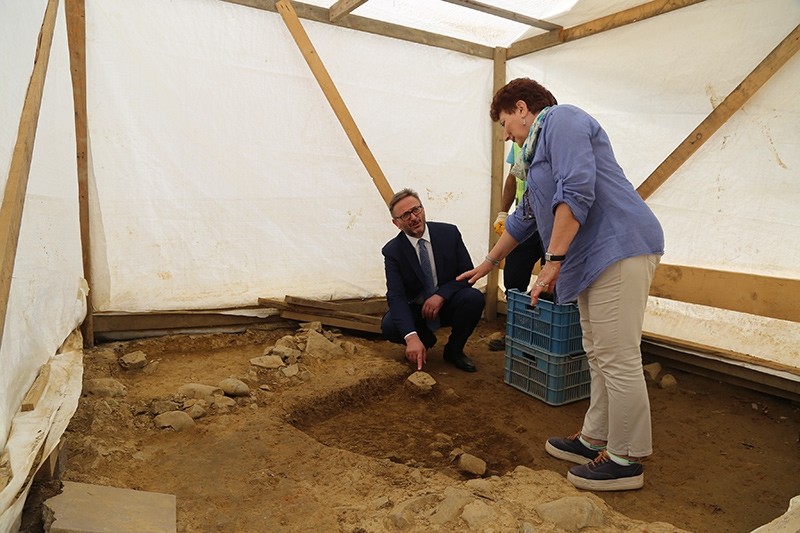
According to a report by the Habertürk Daily, teams from the Istanbul Archaeology Museum have been conducting excavations over the past year.

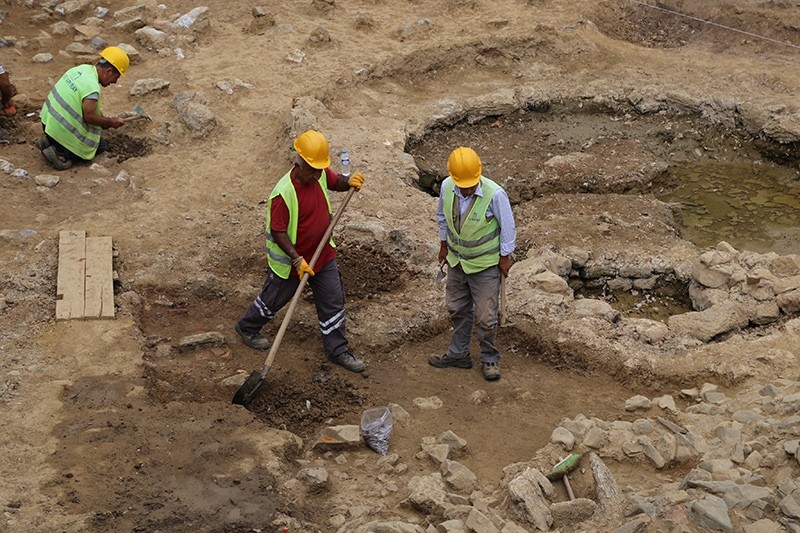
Led by museum director Zeynep Kızıltan and with the participation of archaeologists and 45 workers, the excavation revealed details of cremation practices during the Iron Age.

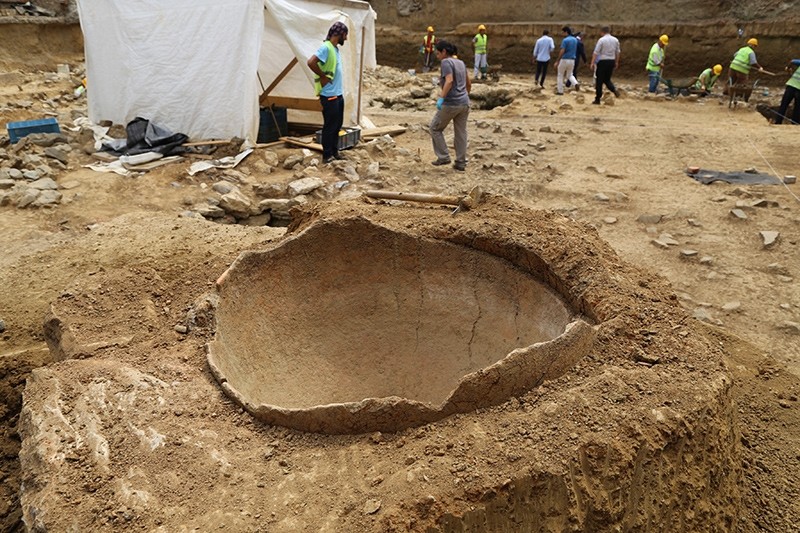
Accordingly, the ancient people preserved the cremated human remains in terracotta urns and buried them.

Kızıltan noted that the team has discovered three human skeletons at the site, which have been buried according to practices used by the people who migrated from the Black Sea region.

Ancient human remains discovered in Istanbul metro construction site

She explained that many people were forced to migrate from the northern Black Sea region, around Crimea as a result of climate and war, seeking refuge in Anatolia.

"We don't know which background the people who lived around the Black Sea came from" Kızıltan said, adding that some of those who fled the area came to Istanbul through Thrace.

The findings shed light on 3,000 to 3,500 years of human history, Kızıltan noted and added that DNA tests will be carried out to find out more about the ethnicity of the people, and to properly identify the gender and age, as well as the diet of the people who lived during the Iron Age.

The Iron Age around the Near East is believed to have begun with the discovery of iron smelting techniques around Anatolia in the second century BC.

Infrastructure work in Istanbul, and in various places throughout Turkey, require archaeological excavations before breaking ground, as the country was home to numerous civilizations.

  • shortlink copied
  • Last Update: Aug 23, 2017 2:52 pm
    KEYWORDS
    life
    The Daily Sabah Newsletter
    Keep up to date with what’s happening in Turkey, it’s region and the world.
    You can unsubscribe at any time. By signing up you are agreeing to our Terms of Use and Privacy Policy. This site is protected by reCAPTCHA and the Google Privacy Policy and Terms of Service apply.

    No Image
    Turkish woman turns pottery hobby into clay business
    PHOTOGALLERY
    • POLITICS
    • Diplomacy
    • Legislation
    • War On Terror
    • EU Affairs
    • News Analysis
    • TÜRKİYE
    • Istanbul
    • Education
    • Investigations
    • Minorities
    • Diaspora
    • World
    • Mid-East
    • Europe
    • Americas
    • Asia Pacific
    • Africa
    • Syrian Crisis
    • İslamophobia
    • Business
    • Automotive
    • Economy
    • Energy
    • Finance
    • Tourism
    • Tech
    • Defense
    • Transportation
    • News Analysis
    • Lifestyle
    • Health
    • Environment
    • Travel
    • Food
    • Fashion
    • Science
    • Religion
    • History
    • Feature
    • Expat Corner
    • Arts
    • Cinema
    • Music
    • Events
    • Portrait
    • Performing Arts
    • Reviews
    • Sports
    • Football
    • Basketball
    • Motorsports
    • Tennis
    • Opinion
    • Columns
    • Op-Ed
    • Reader's Corner
    • Editorial
    • Photo gallery
    • DS TV
    • Jobs
    • privacy
    • about us
    • contact us
    • RSS
    © Turkuvaz Haberleşme ve Yayıncılık 2021