Daily Sabah logo

Politics
Diplomacy Legislation War On Terror EU Affairs Elections News Analysis
TÜRKİYE
Istanbul Education Investigations Minorities Expat Corner Diaspora
World
Mid-East Europe Americas Asia Pacific Africa Syrian Crisis Islamophobia
Business
Automotive Economy Energy Finance Tourism Tech Defense Transportation News Analysis
Lifestyle
Health Environment Travel Food Fashion Science Religion History Feature Expat Corner
Arts
Cinema Music Events Portrait Reviews Performing Arts
Sports
Football Basketball Motorsports Tennis
Opinion
Columns Op-Ed Reader's Corner Editorial
PHOTO GALLERY
JOBS ABOUT US RSS PRIVACY CONTACT US
© Turkuvaz Haberleşme ve Yayıncılık 2026

Daily Sabah - Latest & Breaking News from Turkey | Istanbul

  • Politics
    • Diplomacy
    • Legislation
    • War On Terror
    • EU Affairs
    • Elections
    • News Analysis
  • TÜRKİYE
    • Istanbul
    • Education
    • Investigations
    • Minorities
    • Expat Corner
    • Diaspora
  • World
    • Mid-East
    • Europe
    • Americas
    • Asia Pacific
    • Africa
    • Syrian Crisis
    • Islamophobia
  • Business
    • Automotive
    • Economy
    • Energy
    • Finance
    • Tourism
    • Tech
    • Defense
    • Transportation
    • News Analysis
  • Lifestyle
    • Health
    • Environment
    • Travel
    • Food
    • Fashion
    • Science
    • Religion
    • History
    • Feature
    • Expat Corner
  • Arts
    • Cinema
    • Music
    • Events
    • Portrait
    • Reviews
    • Performing Arts
  • Sports
    • Football
    • Basketball
    • Motorsports
    • Tennis
  • Gallery
  • Opinion
    • Columns
    • Op-Ed
    • Reader's Corner
    • Editorial
  • TV

Dirty water kills thousands more children in war zones than bombs or bullets: UNICEF

by

NEW YORK Mar 27, 2019 - 12:32 am GMT+3
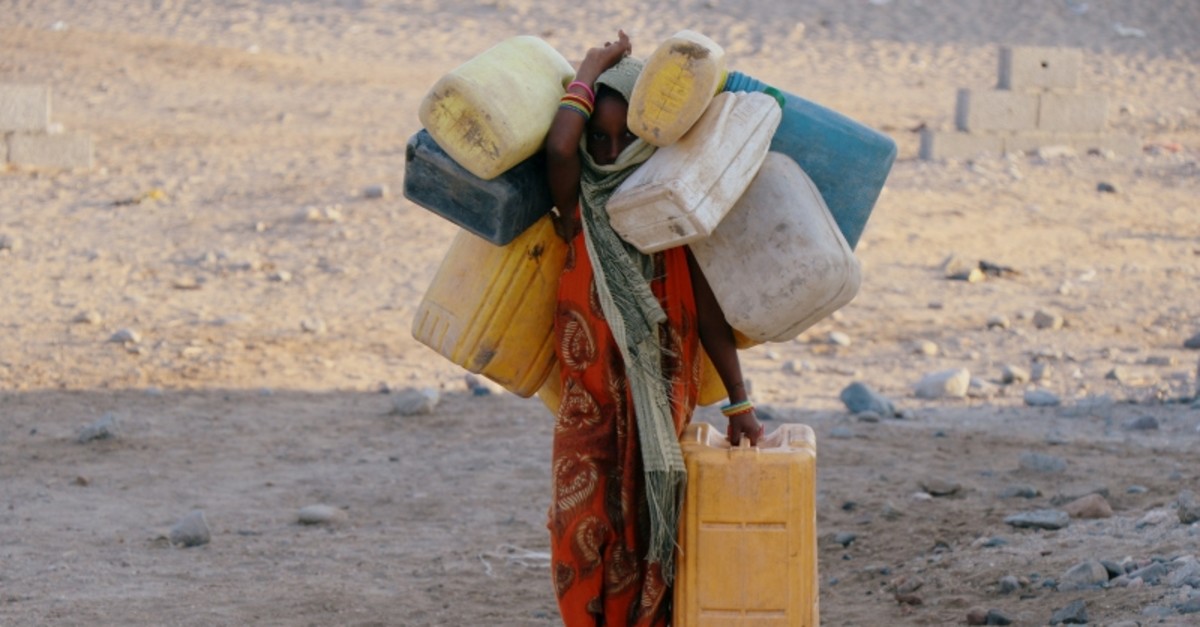
A girl carries jerry cans to fill them up with drinking water at a camp sheltering displaced people from the Red Sea port city of Hodeidah near Aden, Yemen November 12, 2018. (REUTERS Photo)
by Mar 27, 2019 12:32 am

Children under age 15 are almost three times more likely to die from diseases due to lack of clean water and sanitation than from violence in countries in conflict, the United Nations' children's agency reported on Friday.

Most vulnerable are young children under age 5, who are 20 times more likely to die from diseases than violence, said the report by UNICEF, released to coincide with World Water Day.

Specifically, children die of diarrhea-related illness, such as cholera, when conflict restricts access to clean water, it said.

The research looked at the health consequences of unsafe water and sanitation for children in 16 countries undergoing conflict, including Myanmar, Afghanistan and Yemen.

"In these conflicts – and other emergencies – providing rapid, comprehensive and safe water and sanitation is a matter of life and death," said the report.

UNICEF reported 85,000 diarrheal deaths due to poor water, sanitation and hygiene in children from 2014 to 2016, compared with just under 31,000 deaths due to violence, citing World Health Organization (WHO) data.

"It isn't surprising," Tomas Jensen, advisor for tropical medicine at the medical charity Medecins Sans Frontieres, told the Thomson Reuters Foundation.

"They are often the ones at greatest risk, especially young children who haven't built up immunity to bacteria that can cause diarrheal disease," he said.

Diarrhea-related illness is the second leading cause of death for all children under 5, depleting body fluids and causing dehydration, according to the U.S. Centers for Disease Control and Prevention.

Particularly vulnerable to dehydration are children and infants, who lose fluids more quickly than adults and are less able to communicate their needs, experts say.

In conflict, journeying to a water source may carry the risk of being shot or sexually assaulted, the report said.

Water might become contaminated, its sources destroyed or residents may be denied access, it said.

In Yemen, which has had one of the worst cholera epidemics in recent history, a third of the cases were children under age 5, according to WHO.

The UNICEF report noted a few exceptions, saying children under 15 in Iraq and Syria were more likely to die of violence, as were children under age 5 in Syria and Libya.

Methods of warfare in those countries, such as aerial bombing of urban areas, landmines and unexploded ordnance put children at high risk, a UNICEF spokesman said.


About the author
Research Associate at Center for Islam and Global Affairs (CIGA) at Istanbul Sabahattin Zaim University
  • shortlink copied
  • KEYWORDS
    life
    The Daily Sabah Newsletter
    Keep up to date with what’s happening in Turkey, it’s region and the world.
    You can unsubscribe at any time. By signing up you are agreeing to our Terms of Use and Privacy Policy. This site is protected by reCAPTCHA and the Google Privacy Policy and Terms of Service apply.
    No Image
    Izmir's famous sun-dried tomatoes paint vivid summer scene
    PHOTOGALLERY
    • POLITICS
    • Diplomacy
    • Legislation
    • War On Terror
    • EU Affairs
    • News Analysis
    • TÜRKİYE
    • Istanbul
    • Education
    • Investigations
    • Minorities
    • Diaspora
    • World
    • Mid-East
    • Europe
    • Americas
    • Asia Pacific
    • Africa
    • Syrian Crisis
    • İslamophobia
    • Business
    • Automotive
    • Economy
    • Energy
    • Finance
    • Tourism
    • Tech
    • Defense
    • Transportation
    • News Analysis
    • Lifestyle
    • Health
    • Environment
    • Travel
    • Food
    • Fashion
    • Science
    • Religion
    • History
    • Feature
    • Expat Corner
    • Arts
    • Cinema
    • Music
    • Events
    • Portrait
    • Performing Arts
    • Reviews
    • Sports
    • Football
    • Basketball
    • Motorsports
    • Tennis
    • Opinion
    • Columns
    • Op-Ed
    • Reader's Corner
    • Editorial
    • Photo gallery
    • DS TV
    • Jobs
    • privacy
    • about us
    • contact us
    • RSS
    © Turkuvaz Haberleşme ve Yayıncılık 2021