Daily Sabah logo

Politics
Diplomacy Legislation War On Terror EU Affairs Elections News Analysis
TÜRKİYE
Istanbul Education Investigations Minorities Expat Corner Diaspora
World
Mid-East Europe Americas Asia Pacific Africa Syrian Crisis Islamophobia
Business
Automotive Economy Energy Finance Tourism Tech Defense Transportation News Analysis
Lifestyle
Health Environment Travel Food Fashion Science Religion History Feature Expat Corner
Arts
Cinema Music Events Portrait Reviews Performing Arts
Sports
Football Basketball Motorsports Tennis
Opinion
Columns Op-Ed Reader's Corner Editorial
PHOTO GALLERY
JOBS ABOUT US RSS PRIVACY CONTACT US
© Turkuvaz Haberleşme ve Yayıncılık 2025

Daily Sabah - Latest & Breaking News from Turkey | Istanbul

  • Politics
    • Diplomacy
    • Legislation
    • War On Terror
    • EU Affairs
    • Elections
    • News Analysis
  • TÜRKİYE
    • Istanbul
    • Education
    • Investigations
    • Minorities
    • Expat Corner
    • Diaspora
  • World
    • Mid-East
    • Europe
    • Americas
    • Asia Pacific
    • Africa
    • Syrian Crisis
    • Islamophobia
  • Business
    • Automotive
    • Economy
    • Energy
    • Finance
    • Tourism
    • Tech
    • Defense
    • Transportation
    • News Analysis
  • Lifestyle
    • Health
    • Environment
    • Travel
    • Food
    • Fashion
    • Science
    • Religion
    • History
    • Feature
    • Expat Corner
  • Arts
    • Cinema
    • Music
    • Events
    • Portrait
    • Reviews
    • Performing Arts
  • Sports
    • Football
    • Basketball
    • Motorsports
    • Tennis
  • Gallery
  • Opinion
    • Columns
    • Op-Ed
    • Reader's Corner
    • Editorial
  • TV
  • Life
  • Health
  • Environment
  • Travel
  • Food
  • Fashion
  • Science
  • Religion
  • History
  • Feature
  • Expat Corner

Beekeepers in Brazil work on native bees' potential

by Agence France-Presse - AFP

BRASILIA Jul 26, 2022 - 9:55 am GMT+3
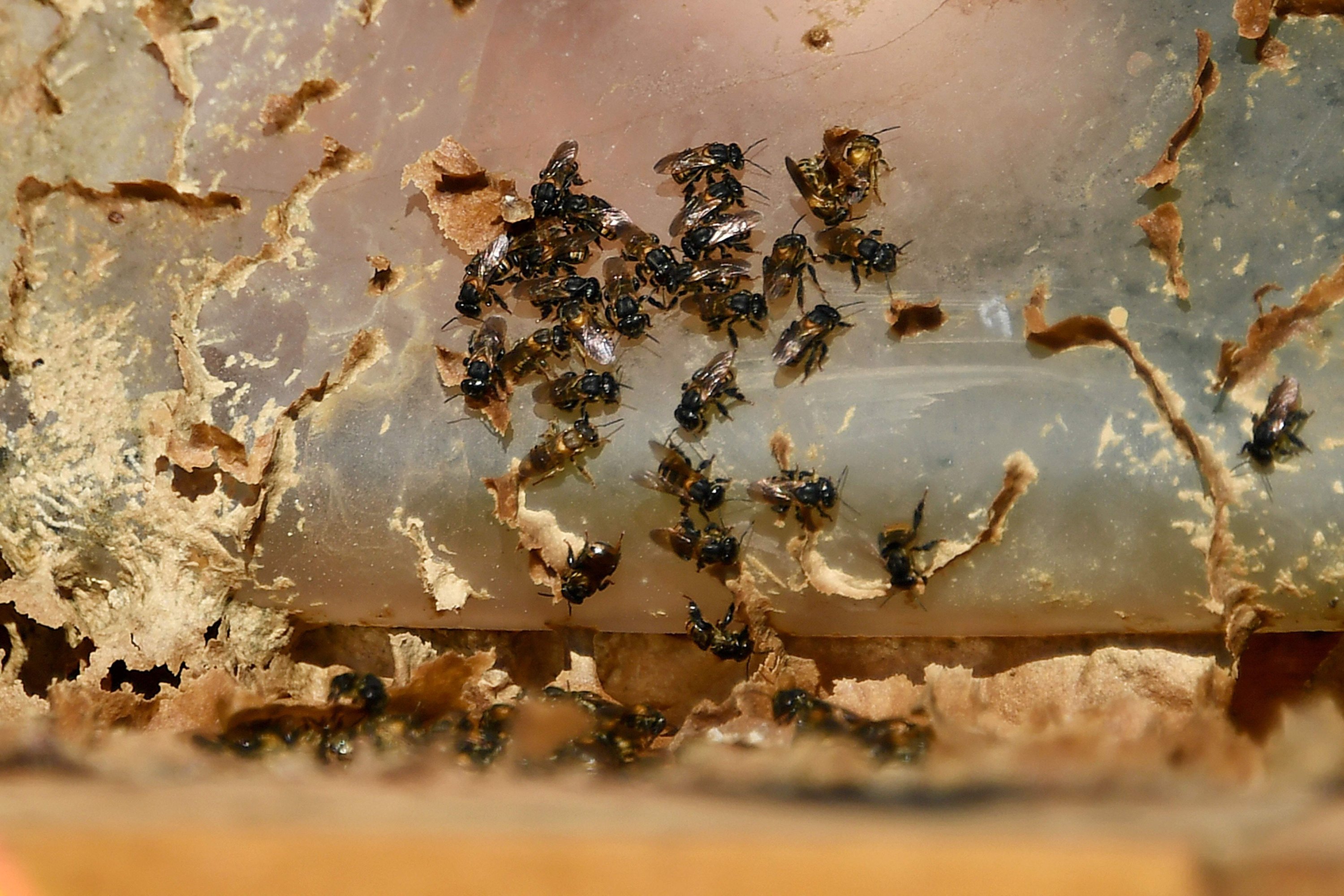
A close-up of a hive of native Brazilian bees at the Abelha Nativa Institute in Brasilia, Brazil, July 10, 2022. (AFP Photo)
by Agence France-Presse - AFP Jul 26, 2022 9:55 am

Brazilian part-time beekeeper Luiz Lustosa is generally surrounded by bees – yet these are stingless.

"What a wonder!" Lustosa marvels at the honey-filled wax craters in the hive as the bees attack him furiously, but impotently – his childlike amazement not diminished by six years working with the insects.

Long overlooked, Brazil's native bees are making a comeback, with people such as Lustosa, a 66-year-old public servant, getting in on the movement to boost their profile.

Of 550 stingless bee species known to exist in tropical and subtropical areas of the world, some 250 are found in Brazil, according to Cristiano Menezes of Brazil's Embrapa Agricultural Research Corporation.

Yet, they are little known outside of rural and Indigenous communities, having been relegated to a lesser place by European and African honeybees brought to Brazil over the centuries for their more prolific honey and wax-producing skills.

Most of Brazil's honey today comes from non-native, stinging bees.

Lustosa is president of the Native Bee Institute, a nonprofit organization that plants trees to expand the habitat of native bees and educates people about their important role as pollinators.

"We explain to children that the bees don't sting, that they are necessary for the environment and nature, and they are there to help us," Lustosa told Agence France-Presse (AFP) at the institute's premises in Brasilia, where he runs workshops and sells native honey.
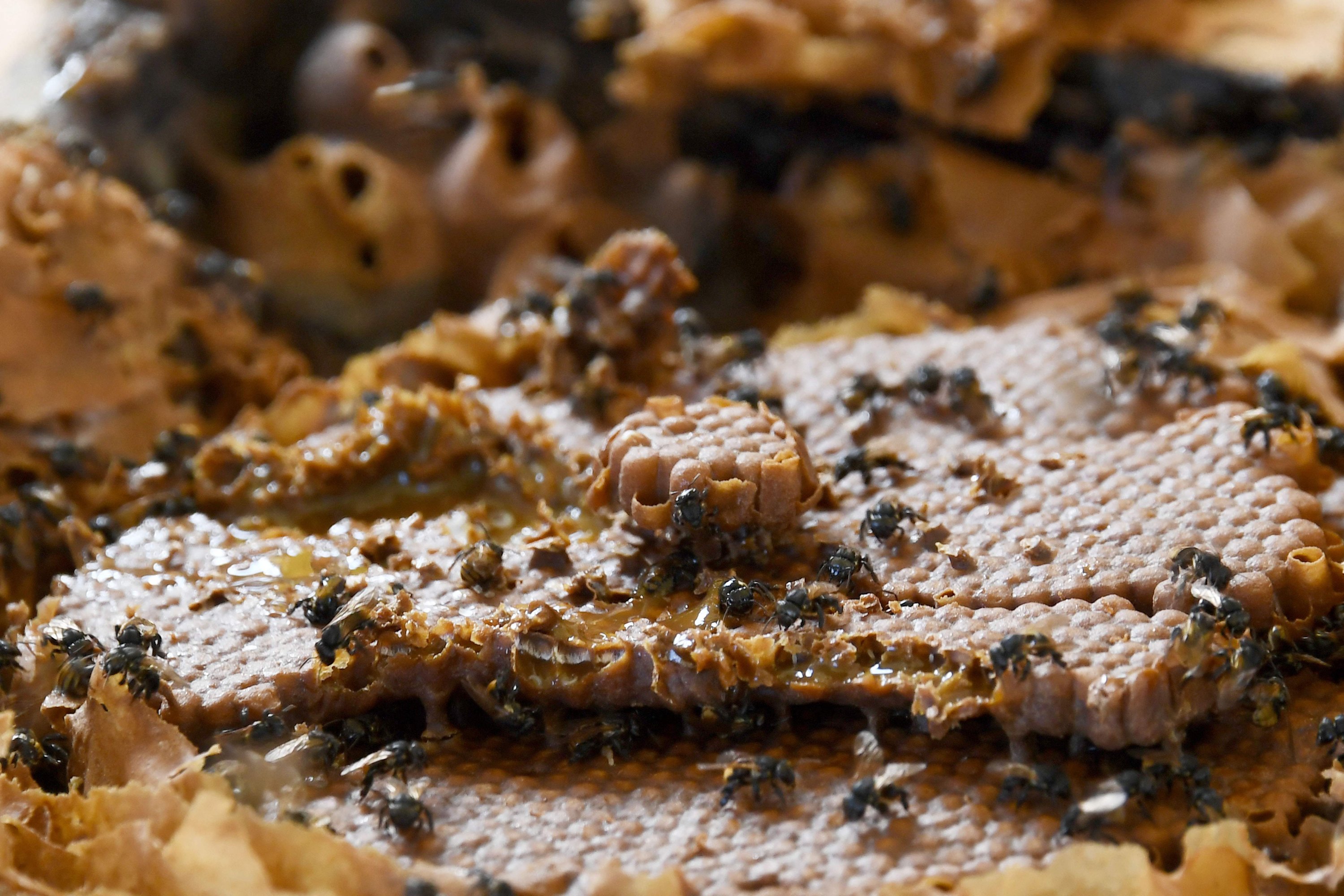
A hive with native Brazilian bees at the Abelha Nativa Institute in Brasilia, Brazil, July 10, 2022. (AFP Photo)

A study in 2016 estimated that about 1.4 million jobs and three-quarters of all crops worldwide depend on pollinators such as bees – a service rendered for free but worth tens of billions of dollars, according to scientific studies.

Bees account for 80% of plant pollination by insects.

Unlike their immigrant counterparts, Brazil's native bees are picky, dining exclusively on the fruit and pollen of indigenous fruit and avocado trees – for whose pollination they are crucial.

Beekeepers "depend on vegetation, a healthy forest" for the bees to feed on, said Jeronimo Villas-Boas, a fellow native beekeeper and ecologist.

"For this reason, beekeepers are agents of conservation," he said.

Villas-Boas is helping Indigenous communities improve the quality of the native honey they produce and links them up with buyers in a bid to get them in on the "business" of the coveted sweet liquid.

"Bees enable businesses with a positive impact on society, the environment and agriculture," said Menezes.

Native bees produce honey that proponents claim is healthier for its lower sugar content. The flavor and acidity differ from species to species.

They produce about 30 times less honey than their stinging cousins, and as a result, native honey costs about $55 per kilogram in Brazil, compared to $6 for the other.
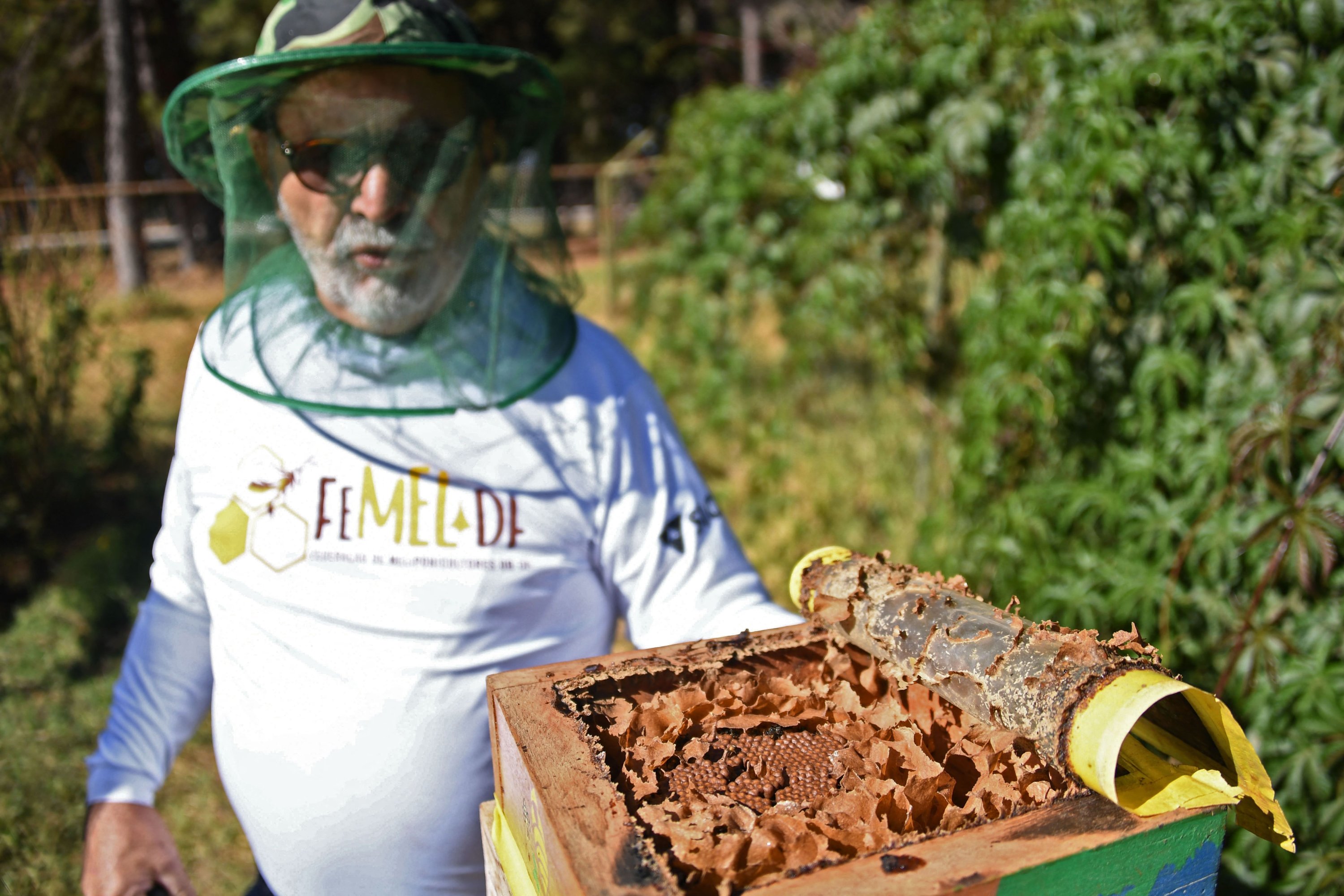
Beekeeper Luiz Lustosa shows a hive of native Brazilian bees at the Abelha Nativa Institute in Brasilia, Brazil, July 10, 2022. (AFP Photo)

One of Villas-Boas's clients is Brazilian chef Alex Atala, whose D.O.M. restaurant in Sao Paulo holds two Michelin stars for its locally-based cuisine.

Honey from the tubi native bee is a key ingredient in one of Atala's award-winning dishes of cassava cooked in milk.

"We have a world as rich as that of wine to get to know," Atala told AFP.

"Eating our biodiversity will generate value for products that today are forgotten, devalued," he urged.


  • shortlink copied
  • Last Update: Jul 26, 2022 12:54 pm
    KEYWORDS
    bees brazil beekeeper beekeeping
    The Daily Sabah Newsletter
    Keep up to date with what’s happening in Turkey, it’s region and the world.
    You can unsubscribe at any time. By signing up you are agreeing to our Terms of Use and Privacy Policy. This site is protected by reCAPTCHA and the Google Privacy Policy and Terms of Service apply.
    No Image
    Türkiye's Kaş offers majestic underwater adventures for divers
    PHOTOGALLERY
    • POLITICS
    • Diplomacy
    • Legislation
    • War On Terror
    • EU Affairs
    • News Analysis
    • TÜRKİYE
    • Istanbul
    • Education
    • Investigations
    • Minorities
    • Diaspora
    • World
    • Mid-East
    • Europe
    • Americas
    • Asia Pacific
    • Africa
    • Syrian Crisis
    • İslamophobia
    • Business
    • Automotive
    • Economy
    • Energy
    • Finance
    • Tourism
    • Tech
    • Defense
    • Transportation
    • News Analysis
    • Lifestyle
    • Health
    • Environment
    • Travel
    • Food
    • Fashion
    • Science
    • Religion
    • History
    • Feature
    • Expat Corner
    • Arts
    • Cinema
    • Music
    • Events
    • Portrait
    • Performing Arts
    • Reviews
    • Sports
    • Football
    • Basketball
    • Motorsports
    • Tennis
    • Opinion
    • Columns
    • Op-Ed
    • Reader's Corner
    • Editorial
    • Photo gallery
    • DS TV
    • Jobs
    • privacy
    • about us
    • contact us
    • RSS
    © Turkuvaz Haberleşme ve Yayıncılık 2021