Daily Sabah logo

Politics
Diplomacy Legislation War On Terror EU Affairs Elections News Analysis
TÜRKİYE
Istanbul Education Investigations Minorities Expat Corner Diaspora
World
Mid-East Europe Americas Asia Pacific Africa Syrian Crisis Islamophobia
Business
Automotive Economy Energy Finance Tourism Tech Defense Transportation News Analysis
Lifestyle
Health Environment Travel Food Fashion Science Religion History Feature Expat Corner
Arts
Cinema Music Events Portrait Reviews Performing Arts
Sports
Football Basketball Motorsports Tennis
Opinion
Columns Op-Ed Reader's Corner Editorial
PHOTO GALLERY
JOBS ABOUT US RSS PRIVACY CONTACT US
© Turkuvaz Haberleşme ve Yayıncılık 2025

Daily Sabah - Latest & Breaking News from Turkey | Istanbul

  • Politics
    • Diplomacy
    • Legislation
    • War On Terror
    • EU Affairs
    • Elections
    • News Analysis
  • TÜRKİYE
    • Istanbul
    • Education
    • Investigations
    • Minorities
    • Expat Corner
    • Diaspora
  • World
    • Mid-East
    • Europe
    • Americas
    • Asia Pacific
    • Africa
    • Syrian Crisis
    • Islamophobia
  • Business
    • Automotive
    • Economy
    • Energy
    • Finance
    • Tourism
    • Tech
    • Defense
    • Transportation
    • News Analysis
  • Lifestyle
    • Health
    • Environment
    • Travel
    • Food
    • Fashion
    • Science
    • Religion
    • History
    • Feature
    • Expat Corner
  • Arts
    • Cinema
    • Music
    • Events
    • Portrait
    • Reviews
    • Performing Arts
  • Sports
    • Football
    • Basketball
    • Motorsports
    • Tennis
  • Gallery
  • Opinion
    • Columns
    • Op-Ed
    • Reader's Corner
    • Editorial
  • TV
  • Life
  • Health
  • Environment
  • Travel
  • Food
  • Fashion
  • Science
  • Religion
  • History
  • Feature
  • Expat Corner

Blue whales ingest 10 million microplastics on daily basis: Study

by Reuters

Washington Nov 01, 2022 - 10:32 pm GMT+3
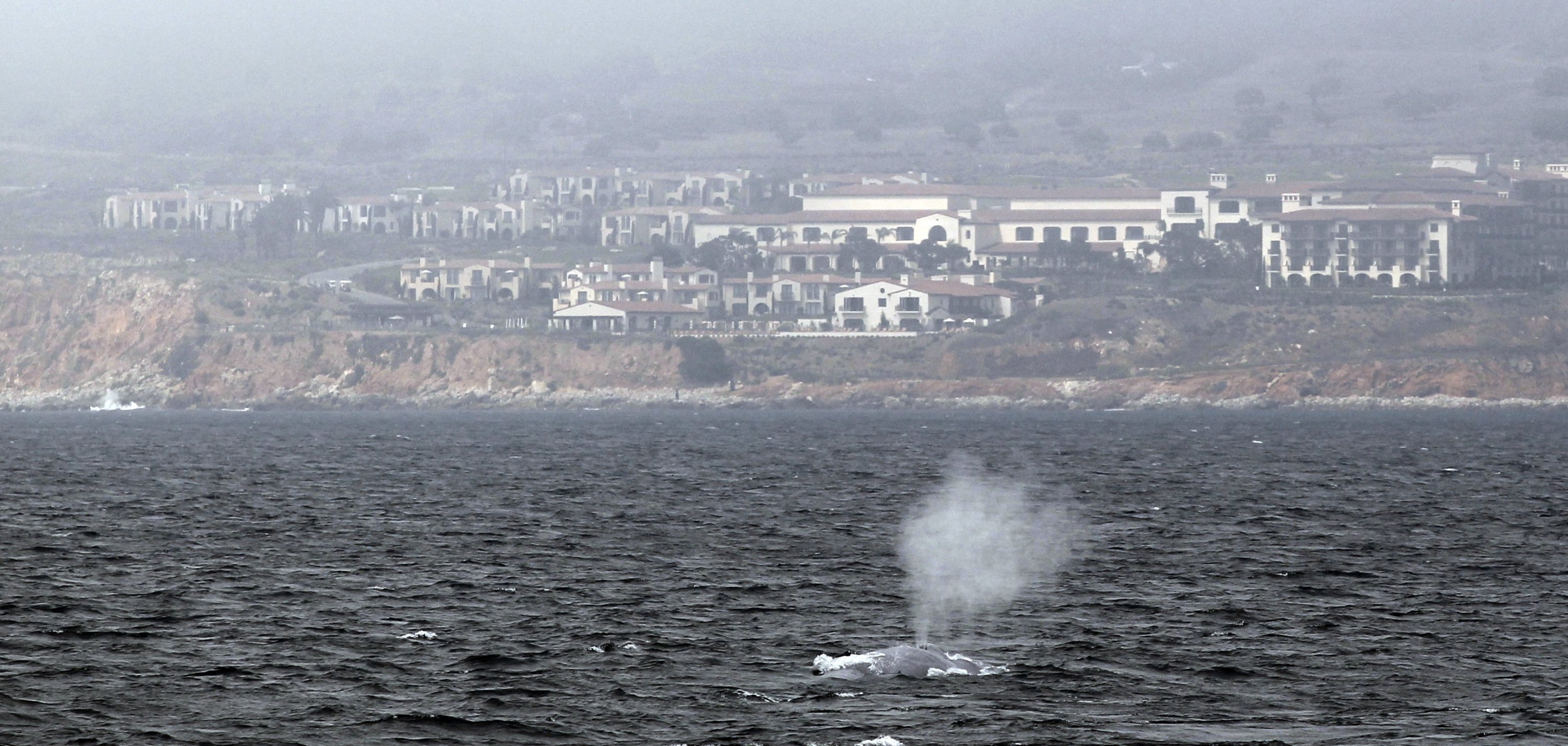
A blue whale blows along the California coast near Palos Verdes, California, U.S., Sept. 2, 2010. (AP File Photo)
by Reuters Nov 01, 2022 10:32 pm

Blue whales are digesting huge amounts of microplastics due to the alarming volume of pollution suffocating the oceans, according to research.

Researchers on Tuesday presented an estimate of the amount of microplastics ingested by three species of baleen whales – blue, fin and humpback – off the U.S. Pacific coast, detailing an issue posing uncertain health concerns for these marine mammals.

As baleen whales, these species are filter-feeders. They strain food – shrimp-like crustaceans called krill and other small prey – from the seawater using baleen plates in the mouth made of keratin, the substance found in people's fingernails.

Blue whales, according to the study, may swallow roughly 10 million microplastic pieces daily, or up to about 95 pounds (43.5 kilograms) of plastic. For fin whales, whose main prey also is krill, the estimated daily tally is about 6 million microplastic pieces or up to 57 pounds of plastic.

Some humpback whales specialize in krill and some favor eating small schooling fish. Krill-favoring humpbacks, according to the study, may ingest about 4 million microplastic pieces (up to 38 pounds of plastic) daily, while those favoring fish may take in a much smaller amount, roughly 200,000 pieces (up to a couple of pounds of plastic).

"In the moderately polluted waters off the U.S. West Coast, baleen whales may still be ingesting millions of microplastics and microfibers per day," said Stanford University marine biologist Matthew Savoca, a co-author of the study published in the journal Nature Communications.

"Also we find that the vast majority – 99% – are via their prey that have previously ingested plastic and not from the water they filter," Savoca added.

The study illustrated how baleen whales may be at an elevated risk for microplastics ingestion as a result of their mode of feeding, the quantity of their food intake, and their habitat overlapping with polluted areas such as the California Current that flows south along North America's western coast.

Blue whales can reach a maximum of about 100 feet (30 meters) long, fin whales about 80 feet (24 meters) and humpback whales about 50 feet (15 meters).

The researchers estimated the daily microplastic ingestion by examining the foraging behavior of 126 blue whales, 65 humpback whales and 29 fin whales using measurements from electronic tag devices suction-cupped to the animal's back, with a camera, microphone, GPS locator and an instrument that tracks movement. They then factored in the concentrations of microplastics in the California Current.

As a study published last year based on the same whales off the U.S. West Coast showed, blue whales eat about 10-20 tons of krill daily, while fin whales eat 6-12 tons of krill and humpback whales eat 5-10 tons of krill or 2-3 tons of fish.

The new study found that the whales primarily feed at depths of 165-820 feet (50–250 meters), coinciding with the highest measured microplastic concentrations in the open-ocean ecosystem.

Microplastics are particles of plastic debris – less than 5 mm (0.2 inches) long – arising from the disposal and breakdown of various consumer products and industrial waste, with their concentrations in the oceans mounting in recent decades. The potential health effects on the whales from ingesting it are not well understood.

"While this was not the focus of our study, other research has shown that if plastics are small enough they can cross the gut wall and get into internal organs, though the long-term effects are still unclear. Plastics can also release chemicals that are endocrine disruptors," said marine biologist Shirel Kahane-Rapport of California State University, Fullerton, lead author of the study.


  • shortlink copied
  • Last Update: Nov 01, 2022 11:58 pm
    KEYWORDS
    microplastics blue whales environment pollution oceans
    The Daily Sabah Newsletter
    Keep up to date with what’s happening in Turkey, it’s region and the world.
    You can unsubscribe at any time. By signing up you are agreeing to our Terms of Use and Privacy Policy. This site is protected by reCAPTCHA and the Google Privacy Policy and Terms of Service apply.
    No Image
    Extreme temperatures, disasters wreak havoc across world
    PHOTOGALLERY
    • POLITICS
    • Diplomacy
    • Legislation
    • War On Terror
    • EU Affairs
    • News Analysis
    • TÜRKİYE
    • Istanbul
    • Education
    • Investigations
    • Minorities
    • Diaspora
    • World
    • Mid-East
    • Europe
    • Americas
    • Asia Pacific
    • Africa
    • Syrian Crisis
    • İslamophobia
    • Business
    • Automotive
    • Economy
    • Energy
    • Finance
    • Tourism
    • Tech
    • Defense
    • Transportation
    • News Analysis
    • Lifestyle
    • Health
    • Environment
    • Travel
    • Food
    • Fashion
    • Science
    • Religion
    • History
    • Feature
    • Expat Corner
    • Arts
    • Cinema
    • Music
    • Events
    • Portrait
    • Performing Arts
    • Reviews
    • Sports
    • Football
    • Basketball
    • Motorsports
    • Tennis
    • Opinion
    • Columns
    • Op-Ed
    • Reader's Corner
    • Editorial
    • Photo gallery
    • DS TV
    • Jobs
    • privacy
    • about us
    • contact us
    • RSS
    © Turkuvaz Haberleşme ve Yayıncılık 2021