Daily Sabah logo

Politics
Diplomacy Legislation War On Terror EU Affairs Elections News Analysis
TÜRKİYE
Istanbul Education Investigations Minorities Expat Corner Diaspora
World
Mid-East Europe Americas Asia Pacific Africa Syrian Crisis Islamophobia
Business
Automotive Economy Energy Finance Tourism Tech Defense Transportation News Analysis
Lifestyle
Health Environment Travel Food Fashion Science Religion History Feature Expat Corner
Arts
Cinema Music Events Portrait Reviews Performing Arts
Sports
Football Basketball Motorsports Tennis
Opinion
Columns Op-Ed Reader's Corner Editorial
PHOTO GALLERY
JOBS ABOUT US RSS PRIVACY CONTACT US
© Turkuvaz Haberleşme ve Yayıncılık 2026

Daily Sabah - Latest & Breaking News from Turkey | Istanbul

  • Politics
    • Diplomacy
    • Legislation
    • War On Terror
    • EU Affairs
    • Elections
    • News Analysis
  • TÜRKİYE
    • Istanbul
    • Education
    • Investigations
    • Minorities
    • Expat Corner
    • Diaspora
  • World
    • Mid-East
    • Europe
    • Americas
    • Asia Pacific
    • Africa
    • Syrian Crisis
    • Islamophobia
  • Business
    • Automotive
    • Economy
    • Energy
    • Finance
    • Tourism
    • Tech
    • Defense
    • Transportation
    • News Analysis
  • Lifestyle
    • Health
    • Environment
    • Travel
    • Food
    • Fashion
    • Science
    • Religion
    • History
    • Feature
    • Expat Corner
  • Arts
    • Cinema
    • Music
    • Events
    • Portrait
    • Reviews
    • Performing Arts
  • Sports
    • Football
    • Basketball
    • Motorsports
    • Tennis
  • Gallery
  • Opinion
    • Columns
    • Op-Ed
    • Reader's Corner
    • Editorial
  • TV
  • Life
  • Health
  • Environment
  • Travel
  • Food
  • Fashion
  • Science
  • Religion
  • History
  • Feature
  • Expat Corner

Extreme wildfire conditions in Canada no longer rare: Study

by Agence France-Presse - AFP

Washington Aug 06, 2026 - 12:07 pm GMT+3
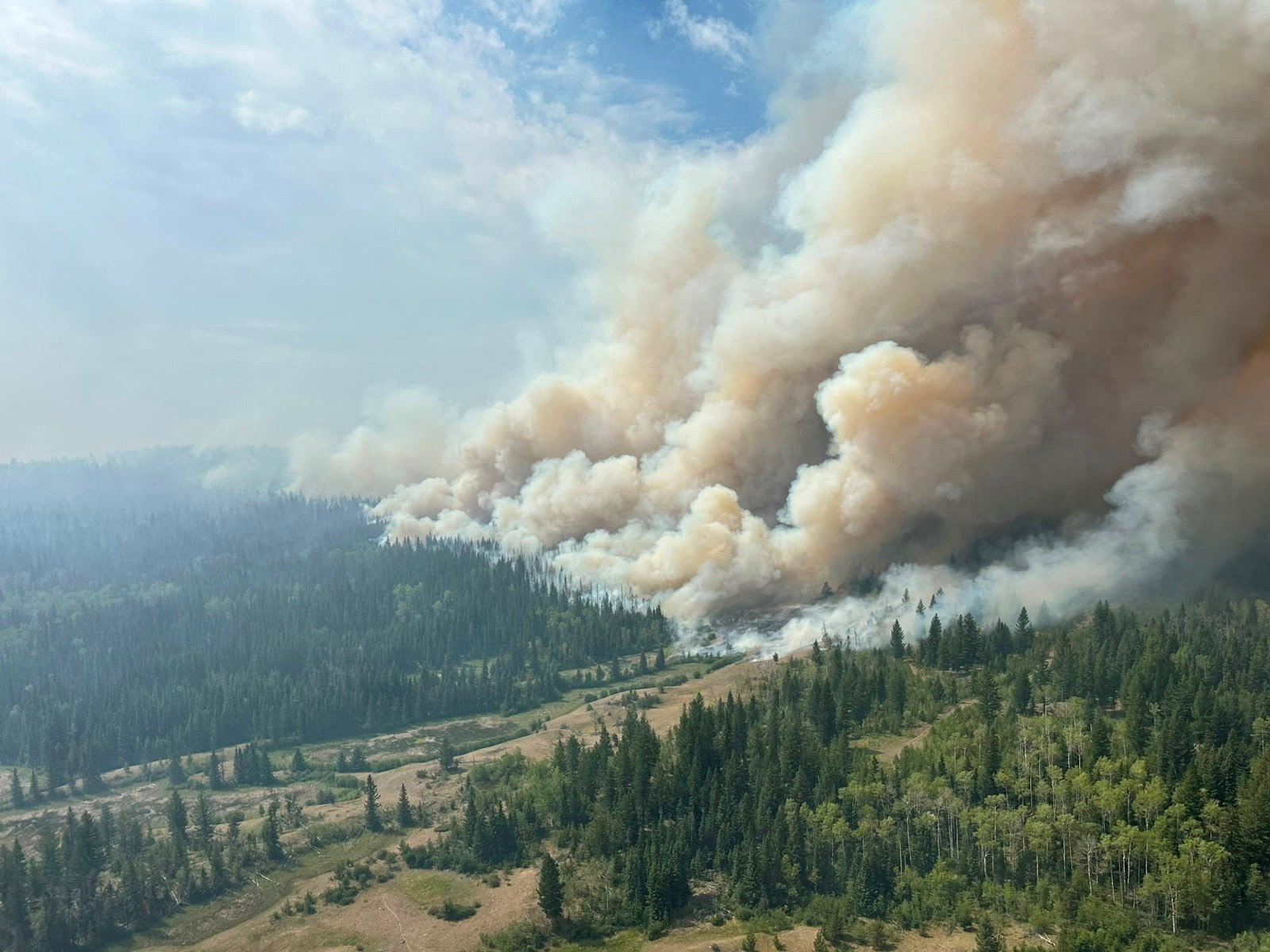
Smoke rises from northwest corner of the Pear Lake wildfire, part of the Big Bar Complex wildfire, which has caused the evacuation of the villages of 70 Mile House and Clinton, British Columbia, Canada, July 31, 2026. (Reuters Photo)
by Agence France-Presse - AFP Aug 06, 2026 12:07 pm

Human-caused climate change made the extreme fire conditions behind this year's Canadian wildfires twice as likely to happen, a study said Thursday.

Although the season began with below-normal activity, prolonged hot and dry weather since July has driven the rapid spread of fires across the country, with Ontario and the Northwest Territories especially impacted.

More than 3.8 million hectares (9.4 million acres) have burned so far this year, displacing thousands of people and exposing millions to dangerous smoke levels.

To assess the role of climate change, researchers at the World Weather Attribution group used observations and climate models to compare conditions to what the world would have looked like without climate change, warming the planet by 1.4 degrees Celsius (2.52 degrees Fahrenheit) since preindustrial times.

Focusing on the seven-day and the 30-day periods of most extreme "fire weather" in Ontario and the Northwest Territories, they found human-induced climate change made the events about twice as likely.

"Based only on observations, fire weather as seen in this year's event is no longer rare in today's climate, expected to occur once every 2-6 years in the Northwest Territories, and every 6-15 years in Ontario," the WWA said.

In a world without climate change, it would have occurred around every 40 years.

"Since 2023, the wildfires we've seen across Canada have been fundamentally different in their scale and intensity," said lead author Theodore Keeping of Imperial College London.

"The geographic spread of these fires is scary and shows that despite preparedness from wildfire governance, adaptation alone is not enough," he added.

"We need to rapidly move away from fossil fuels to avoid events like this becoming even more of a reality."

Human-caused climate change is increasingly creating conditions for more frequent and intense wildfires, through increased heat, extended drought, and a "thirsty" atmosphere that enhances the drying of organic matter.

It is a vicious loop, with increased wildfires releasing massive amounts of carbon dioxide into the atmosphere, accelerating planetary warming.


  • shortlink copied
  • Last Update: Aug 06, 2026 3:07 pm
    KEYWORDS
    wildfire canada climate change global warming carbon dioxide
    The Daily Sabah Newsletter
    Keep up to date with what’s happening in Turkey, it’s region and the world.
    You can unsubscribe at any time. By signing up you are agreeing to our Terms of Use and Privacy Policy. This site is protected by reCAPTCHA and the Google Privacy Policy and Terms of Service apply.
    No Image
    Bye-bye bubble: A sendoff and last reminder of zero-COVID measures
    PHOTOGALLERY
    • POLITICS
    • Diplomacy
    • Legislation
    • War On Terror
    • EU Affairs
    • News Analysis
    • TÜRKİYE
    • Istanbul
    • Education
    • Investigations
    • Minorities
    • Diaspora
    • World
    • Mid-East
    • Europe
    • Americas
    • Asia Pacific
    • Africa
    • Syrian Crisis
    • İslamophobia
    • Business
    • Automotive
    • Economy
    • Energy
    • Finance
    • Tourism
    • Tech
    • Defense
    • Transportation
    • News Analysis
    • Lifestyle
    • Health
    • Environment
    • Travel
    • Food
    • Fashion
    • Science
    • Religion
    • History
    • Feature
    • Expat Corner
    • Arts
    • Cinema
    • Music
    • Events
    • Portrait
    • Performing Arts
    • Reviews
    • Sports
    • Football
    • Basketball
    • Motorsports
    • Tennis
    • Opinion
    • Columns
    • Op-Ed
    • Reader's Corner
    • Editorial
    • Photo gallery
    • DS TV
    • Jobs
    • privacy
    • about us
    • contact us
    • RSS
    © Turkuvaz Haberleşme ve Yayıncılık 2021