Daily Sabah logo

Politics
Diplomacy Legislation War On Terror EU Affairs Elections News Analysis
TÜRKİYE
Istanbul Education Investigations Minorities Expat Corner Diaspora
World
Mid-East Europe Americas Asia Pacific Africa Syrian Crisis Islamophobia
Business
Automotive Economy Energy Finance Tourism Tech Defense Transportation News Analysis
Lifestyle
Health Environment Travel Food Fashion Science Religion History Feature Expat Corner
Arts
Cinema Music Events Portrait Reviews Performing Arts
Sports
Football Basketball Motorsports Tennis
Opinion
Columns Op-Ed Reader's Corner Editorial
PHOTO GALLERY
JOBS ABOUT US RSS PRIVACY CONTACT US
© Turkuvaz Haberleşme ve Yayıncılık 2025

Daily Sabah - Latest & Breaking News from Turkey | Istanbul

  • Politics
    • Diplomacy
    • Legislation
    • War On Terror
    • EU Affairs
    • Elections
    • News Analysis
  • TÜRKİYE
    • Istanbul
    • Education
    • Investigations
    • Minorities
    • Expat Corner
    • Diaspora
  • World
    • Mid-East
    • Europe
    • Americas
    • Asia Pacific
    • Africa
    • Syrian Crisis
    • Islamophobia
  • Business
    • Automotive
    • Economy
    • Energy
    • Finance
    • Tourism
    • Tech
    • Defense
    • Transportation
    • News Analysis
  • Lifestyle
    • Health
    • Environment
    • Travel
    • Food
    • Fashion
    • Science
    • Religion
    • History
    • Feature
    • Expat Corner
  • Arts
    • Cinema
    • Music
    • Events
    • Portrait
    • Reviews
    • Performing Arts
  • Sports
    • Football
    • Basketball
    • Motorsports
    • Tennis
  • Gallery
  • Opinion
    • Columns
    • Op-Ed
    • Reader's Corner
    • Editorial
  • TV
  • Life
  • Health
  • Environment
  • Travel
  • Food
  • Fashion
  • Science
  • Religion
  • History
  • Feature
  • Expat Corner

Loch Ness too hot for monster: Scottish lochs warming too quickly

by Agence France-Presse - AFP

EDINBURGH Apr 27, 2022 - 2:04 pm GMT+3
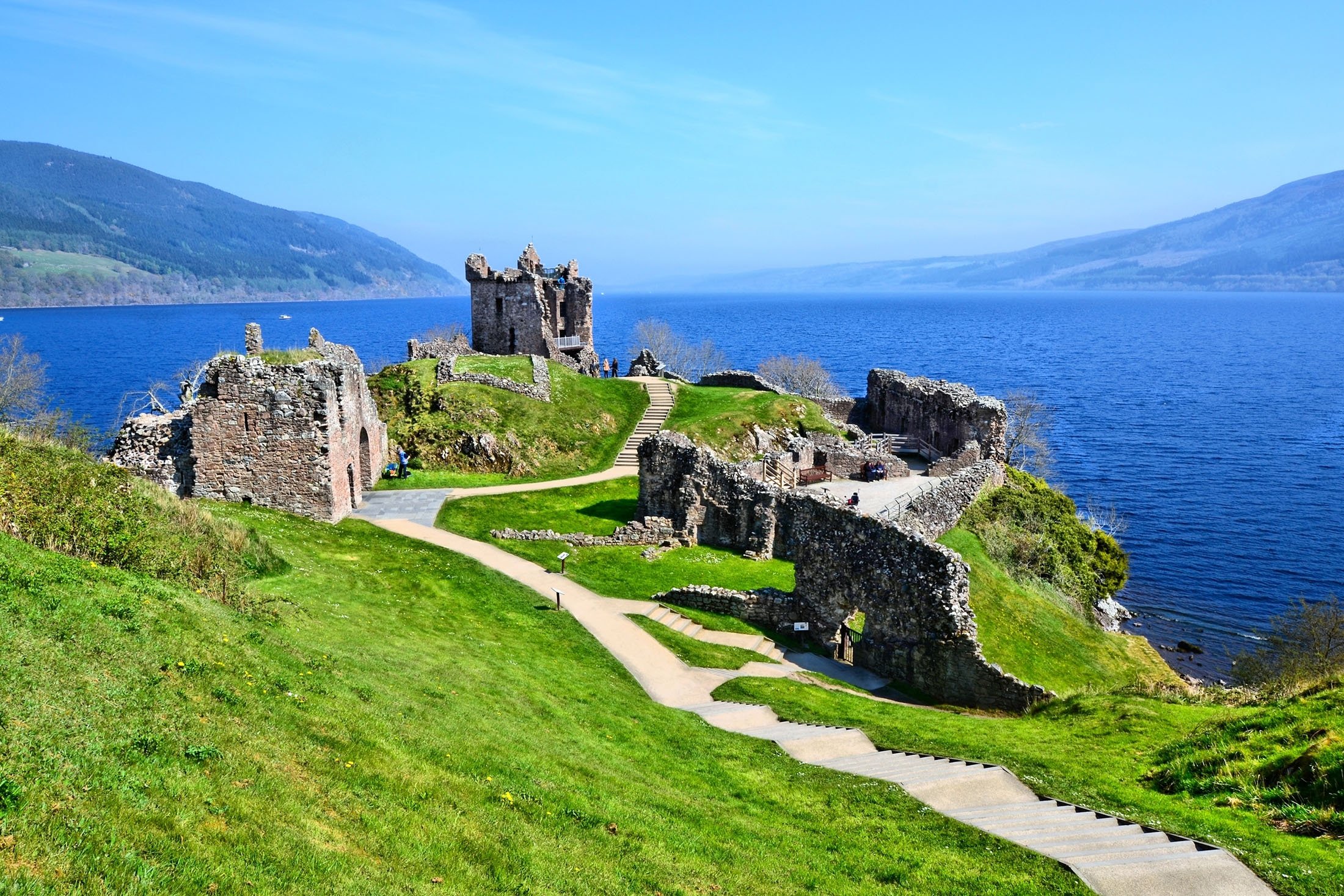
Ruins of Urquhart Castle along Loch Ness, Scotland. (Shutterstock Photo)
by Agence France-Presse - AFP Apr 27, 2022 2:04 pm

It may be that one day Loch Ness will become too hot for its famous monster Nessie, at least if the current trend is not altered as climate change has caused a rapid and extensive rise in the temperature of Scotland's lochs and reservoirs, new research revealed.

Between 2015 and 2019, 97% of monitored Scottish lochs and reservoirs increased in temperature, with most (88%) warming by between 0.25 and 1.0 degrees Celsius per year over the period, the Scotland's Center of Expertise for Waters (CREW) said.

A small number – 9% – increased by 1.0 to 1.3 degrees Celsius per year in the same period.

"This research has shown, for the first time, that climate change is already warming our lochs and reservoirs in Scotland, and that this trend is likely to continue," said freshwater ecologist Linda May, of the United Kingdom Center for Ecology & Hydrology, who was the lead author of the report.

"It provides early warning of the potential impacts of climate change on biodiversity, water supply and recreational use, and highlights the need for mitigation measures to be put in place as quickly as possible."

It is expected that waters in the south and east of Scotland are expected to warm the most at first, but this climate-related impact will reach all parts of the country by 2040.

Researchers warn that warming and changes in rainfall patterns associated with climate change increase the risk of outbreaks of harmful algal blooms, which outcompete other freshwater plant species and produce toxins that can affect animals and people.

Scotland's Environment Minister Mairi McAllan said the research provided "yet more worrying evidence" of the risks of harm from climate change on Scotland's water environment.

"Scotland is renowned worldwide for the quality of our water," she said.

"Research like this will be hugely valuable in informing the development of policy solutions and measures to mitigate and adapt to climate change, and also protect, restore and enhance these vital natural assets."

The report recommends reducing the amount of phosphorus and nitrogen entering lochs and reservoirs from their catchments as these are the main driver of algal blooms.

Sources of these plant nutrients – present in synthetic fertilizers as well as human and animal waste -- include farm runoff and waste water discharges.


  • shortlink copied
  • Last Update: Apr 27, 2022 3:53 pm
    KEYWORDS
    global warming climate crisis rising temperatures scotland
    The Daily Sabah Newsletter
    Keep up to date with what’s happening in Turkey, it’s region and the world.
    You can unsubscribe at any time. By signing up you are agreeing to our Terms of Use and Privacy Policy. This site is protected by reCAPTCHA and the Google Privacy Policy and Terms of Service apply.
    No Image
    Trash, mittens and haute couture: Fashion Moments 2021
    PHOTOGALLERY
    • POLITICS
    • Diplomacy
    • Legislation
    • War On Terror
    • EU Affairs
    • News Analysis
    • TÜRKİYE
    • Istanbul
    • Education
    • Investigations
    • Minorities
    • Diaspora
    • World
    • Mid-East
    • Europe
    • Americas
    • Asia Pacific
    • Africa
    • Syrian Crisis
    • İslamophobia
    • Business
    • Automotive
    • Economy
    • Energy
    • Finance
    • Tourism
    • Tech
    • Defense
    • Transportation
    • News Analysis
    • Lifestyle
    • Health
    • Environment
    • Travel
    • Food
    • Fashion
    • Science
    • Religion
    • History
    • Feature
    • Expat Corner
    • Arts
    • Cinema
    • Music
    • Events
    • Portrait
    • Performing Arts
    • Reviews
    • Sports
    • Football
    • Basketball
    • Motorsports
    • Tennis
    • Opinion
    • Columns
    • Op-Ed
    • Reader's Corner
    • Editorial
    • Photo gallery
    • DS TV
    • Jobs
    • privacy
    • about us
    • contact us
    • RSS
    © Turkuvaz Haberleşme ve Yayıncılık 2021