Daily Sabah logo

Politics
Diplomacy Legislation War On Terror EU Affairs Elections News Analysis
TÜRKİYE
Istanbul Education Investigations Minorities Expat Corner Diaspora
World
Mid-East Europe Americas Asia Pacific Africa Syrian Crisis Islamophobia
Business
Automotive Economy Energy Finance Tourism Tech Defense Transportation News Analysis
Lifestyle
Health Environment Travel Food Fashion Science Religion History Feature Expat Corner
Arts
Cinema Music Events Portrait Reviews Performing Arts
Sports
Football Basketball Motorsports Tennis
Opinion
Columns Op-Ed Reader's Corner Editorial
PHOTO GALLERY
JOBS ABOUT US RSS PRIVACY CONTACT US
© Turkuvaz Haberleşme ve Yayıncılık 2025

Daily Sabah - Latest & Breaking News from Turkey | Istanbul

  • Politics
    • Diplomacy
    • Legislation
    • War On Terror
    • EU Affairs
    • Elections
    • News Analysis
  • TÜRKİYE
    • Istanbul
    • Education
    • Investigations
    • Minorities
    • Expat Corner
    • Diaspora
  • World
    • Mid-East
    • Europe
    • Americas
    • Asia Pacific
    • Africa
    • Syrian Crisis
    • Islamophobia
  • Business
    • Automotive
    • Economy
    • Energy
    • Finance
    • Tourism
    • Tech
    • Defense
    • Transportation
    • News Analysis
  • Lifestyle
    • Health
    • Environment
    • Travel
    • Food
    • Fashion
    • Science
    • Religion
    • History
    • Feature
    • Expat Corner
  • Arts
    • Cinema
    • Music
    • Events
    • Portrait
    • Reviews
    • Performing Arts
  • Sports
    • Football
    • Basketball
    • Motorsports
    • Tennis
  • Gallery
  • Opinion
    • Columns
    • Op-Ed
    • Reader's Corner
    • Editorial
  • TV
  • Life
  • Health
  • Environment
  • Travel
  • Food
  • Fashion
  • Science
  • Religion
  • History
  • Feature
  • Expat Corner

UN slams booming pangolin trade as illegal ivory trade shrinks

by REUTERS

VIENNA Jul 10, 2020 - 12:34 pm GMT+3
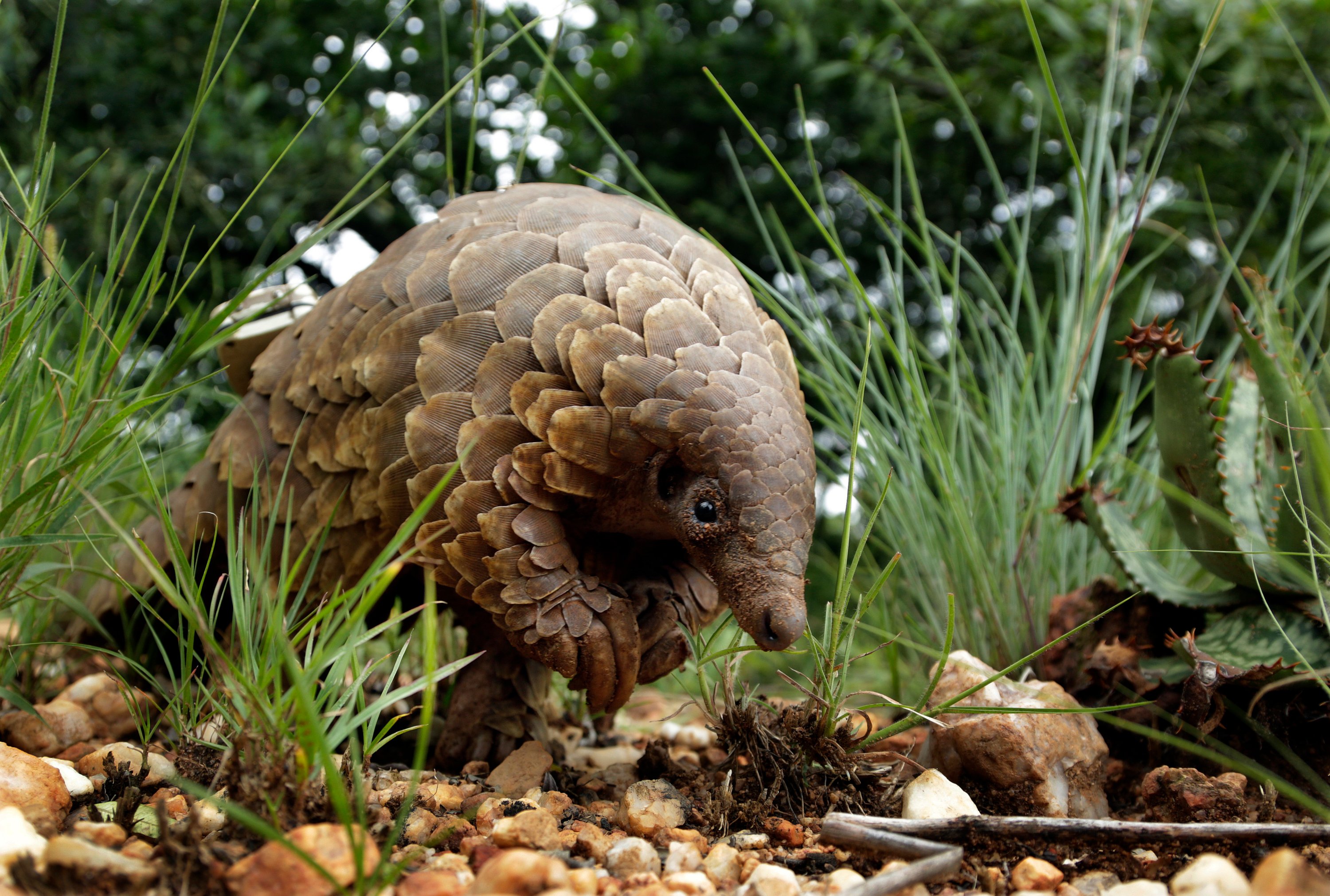
In this Feb. 15, 2019 file photo, a pangolin looks for food on private property in Johannesburg, South Africa. (AP Photo)
by REUTERS Jul 10, 2020 12:34 pm

The illegal global ivory trade may have shrunk, yet the trafficking of pangolins has soared, a U.N. report on wildlife crime said Friday.

National bans on selling ivory, particularly in China since 2017, appear to have helped further erode ivory trafficking after it peaked around 2011-2013, the U.N. Office on Drugs and Crime (UNODC) said in its World Wildlife Crime Report, which was last published in 2016.

In the time since, however, the trafficking of pangolins – a reclusive, nocturnal mammal covered in scales that are used in traditional Chinese medicine, has surged, the UNODC said.

"The World Wildlife Crime Report 2020 has some good news and some bad news," UNODC research chief Angela Me told Reuters.

"We see some shrinking in some markets, particularly the ivory and the rhino (horn) market, but we actually see huge increases in other markets, like the market of illicit trafficking of pangolins, in European eels but also in tiger parts and also in rosewood," she added.

The causes of these shifts are likely multiple and the UNODC was guarded in identifying the forces behind illegal trades, which are opaque by definition, often involving poaching in Africa and smuggling to Asia, where China is the biggest market.

For ivory, a supply glut combined with a shift in attitudes due to the Chinese and other bans may be among the factors that have contributed to the fall in poaching and prices, the UNODC said, adding that the price of illegal ivory in China fell by more than half between 2014 and 2018.

The UNODC estimates the annual income generated by ivory trafficking between 2016 and 2018 at $400 million.

Seizures of pangolin scales, mainly sourced in Africa, increased tenfold between 2014 and 2018 as trafficking moved away from pangolin meat, which was mainly seized in Asia. In that time 185 tons of scales have been seized, for which roughly 370,000 animals would have been killed, the UNODC said.

"They are now arguably the most heavily trafficked wild mammal in the world," it said of the creatures.


  • shortlink copied
  • Last Update: Jul 10, 2020 2:20 pm
    KEYWORDS
    illegal trade ivory pangolin united nations trafficking
    The Daily Sabah Newsletter
    Keep up to date with what’s happening in Turkey, it’s region and the world.
    You can unsubscribe at any time. By signing up you are agreeing to our Terms of Use and Privacy Policy. This site is protected by reCAPTCHA and the Google Privacy Policy and Terms of Service apply.
    No Image
    Aftermath of devastating Beirut explosion
    PHOTOGALLERY
    • POLITICS
    • Diplomacy
    • Legislation
    • War On Terror
    • EU Affairs
    • News Analysis
    • TÜRKİYE
    • Istanbul
    • Education
    • Investigations
    • Minorities
    • Diaspora
    • World
    • Mid-East
    • Europe
    • Americas
    • Asia Pacific
    • Africa
    • Syrian Crisis
    • İslamophobia
    • Business
    • Automotive
    • Economy
    • Energy
    • Finance
    • Tourism
    • Tech
    • Defense
    • Transportation
    • News Analysis
    • Lifestyle
    • Health
    • Environment
    • Travel
    • Food
    • Fashion
    • Science
    • Religion
    • History
    • Feature
    • Expat Corner
    • Arts
    • Cinema
    • Music
    • Events
    • Portrait
    • Performing Arts
    • Reviews
    • Sports
    • Football
    • Basketball
    • Motorsports
    • Tennis
    • Opinion
    • Columns
    • Op-Ed
    • Reader's Corner
    • Editorial
    • Photo gallery
    • DS TV
    • Jobs
    • privacy
    • about us
    • contact us
    • RSS
    © Turkuvaz Haberleşme ve Yayıncılık 2021