Isn’t the world a playing field where the rules are constantly changing? Nowhere is this more apparent than in fashion.
Back in 2020, during the pandemic, I wrote in my weekend column for Sabah newspaper that the disruption of everyday life would accelerate online shopping, bring handmade crafts and sewing back into fashion, and fuel the rise of secondhand clothing. I also predicted that social media influencers, after more than a decade of rapid growth, would eventually begin to lose their appeal.
I also pointed to the growing role of digital fashion. After Louis Vuitton featured Final Fantasy character Lightning as a campaign face in 2016, fashion houses were increasingly experimenting with virtual models and avatars. Apps such as Drest, which brought together more than 100 brands including Gucci, Prada and Stella McCartney, allowed users to dress digital avatars and even shop for the pieces they selected. Kerry Murphy, founder of The Fabricant, told The Guardian at the time that designers could present entire collections digitally, use virtual models or even combine real models with digital bodies and digital clothing.
And here we are, in the second half of 2026. It is worth looking back at what has happened since 2022, when we began returning to something resembling normal life after the pandemic.
Digitalization has reached an extraordinary scale. With artificial intelligence entering the equation, collections, marketing and social media have increasingly become digital-first operations. The era of virtual influencers has arrived. Fashion brands have begun entrusting AI not only with their collections and advertising campaigns but also with the design of their stores.
Yet as all of this has unfolded, something almost entirely opposite has begun to emerge.
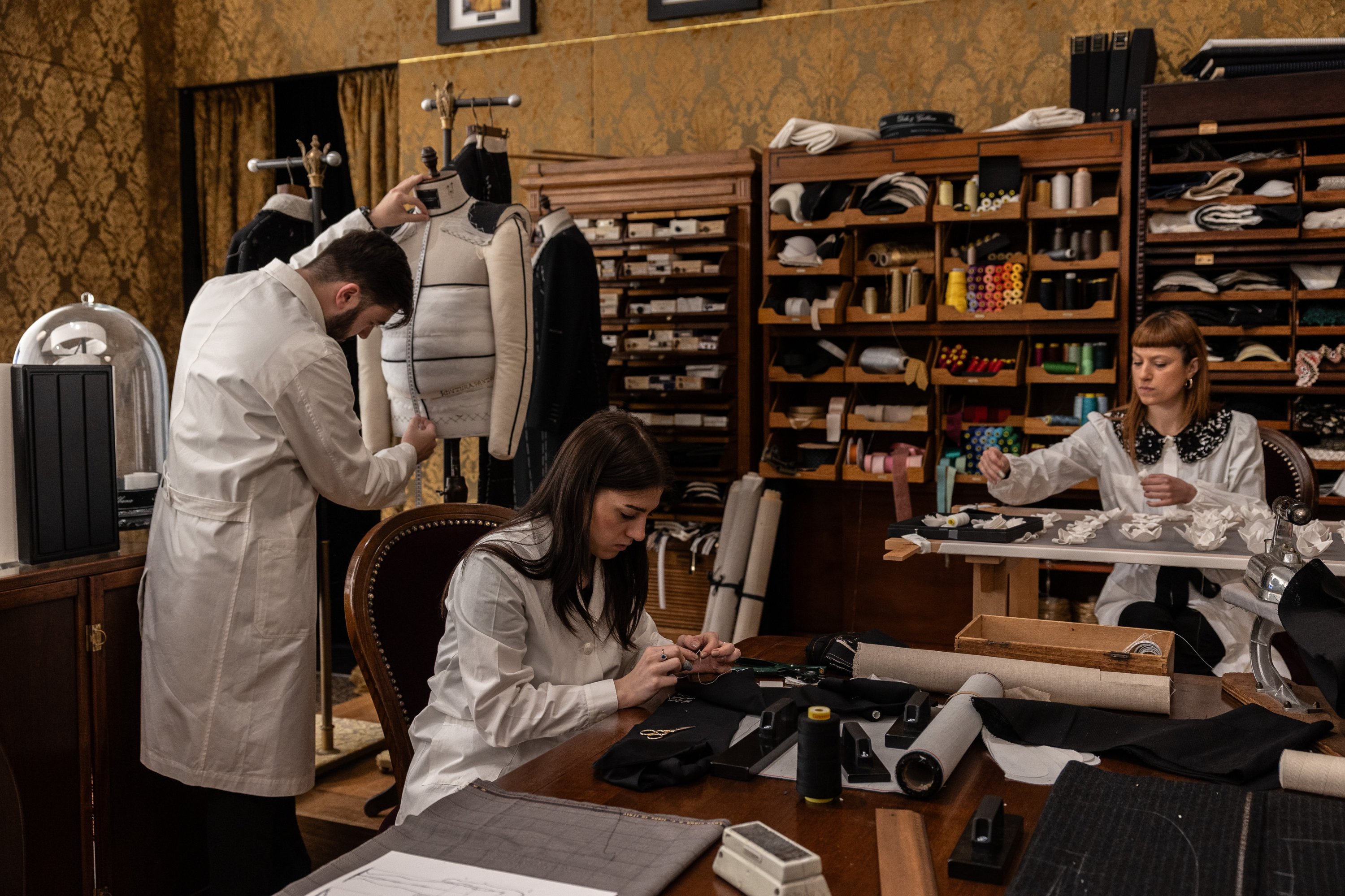
Luxury fashion houses have accelerated collaborations with local cooperatives and artisans, placing greater emphasis on handmade work. Generation Z, seemingly in defiance of relentless digitalization, has begun turning to analog phones and spending less time on social media than brands would like. Suddenly, books, book clubs and libraries became fashionable again. Secondhand and vintage pieces rose, just as predicted. Designers began promoting their work with labels emphasizing that “no AI was used” in the creative process.
Cinema, too, has experienced a resurgence. Luxury brands have gone out of their way to stress that their advertising films were made without AI. Designers have increasingly distanced themselves from technologies they fear could make creative ideas easier to replicate.
The beauty industry has followed a similar path. The era of highly curated, digitally enhanced appearances appears to be giving way to a preference for natural looks and untouched faces. And just as online shopping became ubiquitous, shopping in physical stores began to regain its appeal. New concept stores started appearing, offering experiences that could not simply be replicated on a screen.
In other words, every trend seems to create its own countertrend and that countertrend can become just as popular.
At a time when digitalization and artificial intelligence are advancing at an almost unstoppable pace, we are witnessing the return of something that might have seemed destined to disappear: the value of human hands, design, imagination, craftsmanship and creativity.
Designs carrying the stamp of “entirely handmade” now exist alongside products created with artificial intelligence. Both are circulating in the same world, competing for our attention.
But when it comes to deciding which one we truly value more, perhaps we have already made our choice.