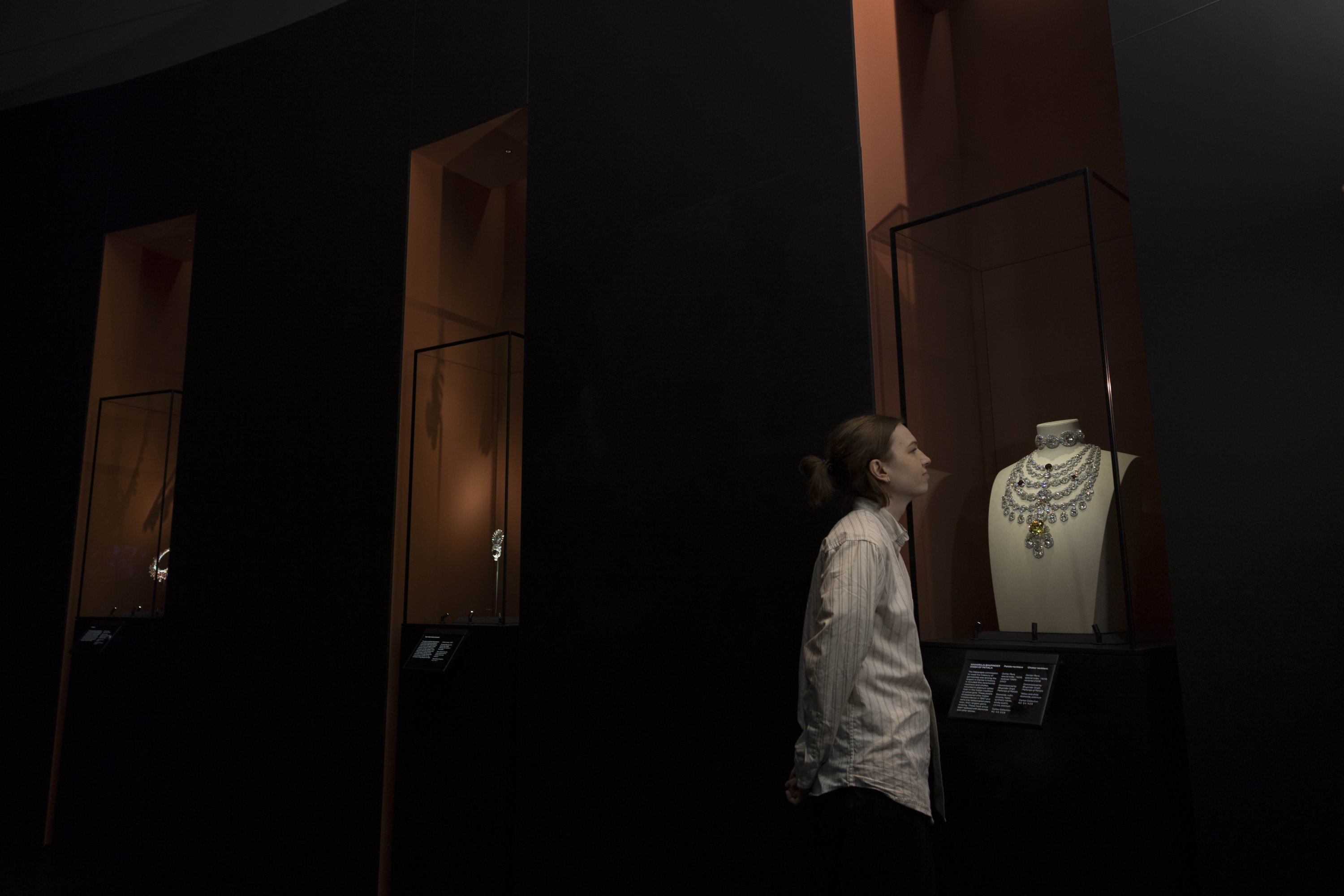
London’s Victoria and Albert Museum has always been a sanctuary for beauty, design and craftsmanship – a place where art meets meaning. This season, its Sainsbury Gallery glows with a particular kind of light: the radiance of Cartier, the house that has defined elegance for more than a century.
The exhibition, “Cartier: The Story of Style and Craft,” is not merely a retrospective of dazzling jewels. It is a carefully choreographed journey through time – a conversation between heritage and innovation, artistry and identity. With over 350 remarkable objects, including tiaras, watches, mystery clocks, original sketches, archival photographs and private letters, the show reveals the inner workings of a maison that has long been synonymous with refinement.
Founded in 1847 in a modest Parisian workshop, Cartier soon transcended the boundaries of craftsmanship to become “the jeweler of kings and the king of jewelers.”
From its early commissions for European royalty to the avant-garde spirit of the Art Deco era, Cartier’s creations have never been mere ornaments – they are symbols of ambition, romance and modernity. The exhibition celebrates this transformation, showing how the house reinvented itself through changing decades while never abandoning its core values: precision, proportion and poetry.

Visitors are greeted by the luminous geometry of Cartier’s 1920s masterpieces – platinum tiaras set with cascades of diamonds and bold, architectural designs inspired by Egypt, Persia and India. Each piece seems to whisper stories of distant courts and glittering soirees. The craftsmanship feels almost impossible: settings so light they appear to float, hinges invisible to the eye, surfaces that seem to breathe under the light.
But perhaps the most compelling aspect of the exhibition lies in its intimacy. Beyond the vitrines of diamonds and sapphires, the V&A has chosen to show the making – the quiet devotion behind the glamor.
Original design sketches still carry the smudges of graphite and the marks of human touch. Early correspondence between the Cartier brothers reveals their obsession with proportion, the endless pursuit of harmony between form and function. You can almost sense the atmosphere of the atelier: the silence, the concentration, the symphony of tools shaping metal into poetry.
Cartier’s influence has always extended far beyond its boutiques. The exhibition dedicates an entire section to the women who helped shape the brand’s identity; queens, actresses, socialites and icons. From Maharani Indira Devi of Baroda’s breathtaking emerald necklace to Grace Kelly’s timeless pieces, Cartier’s jewels tell stories not only of beauty but of independence, power and personality.
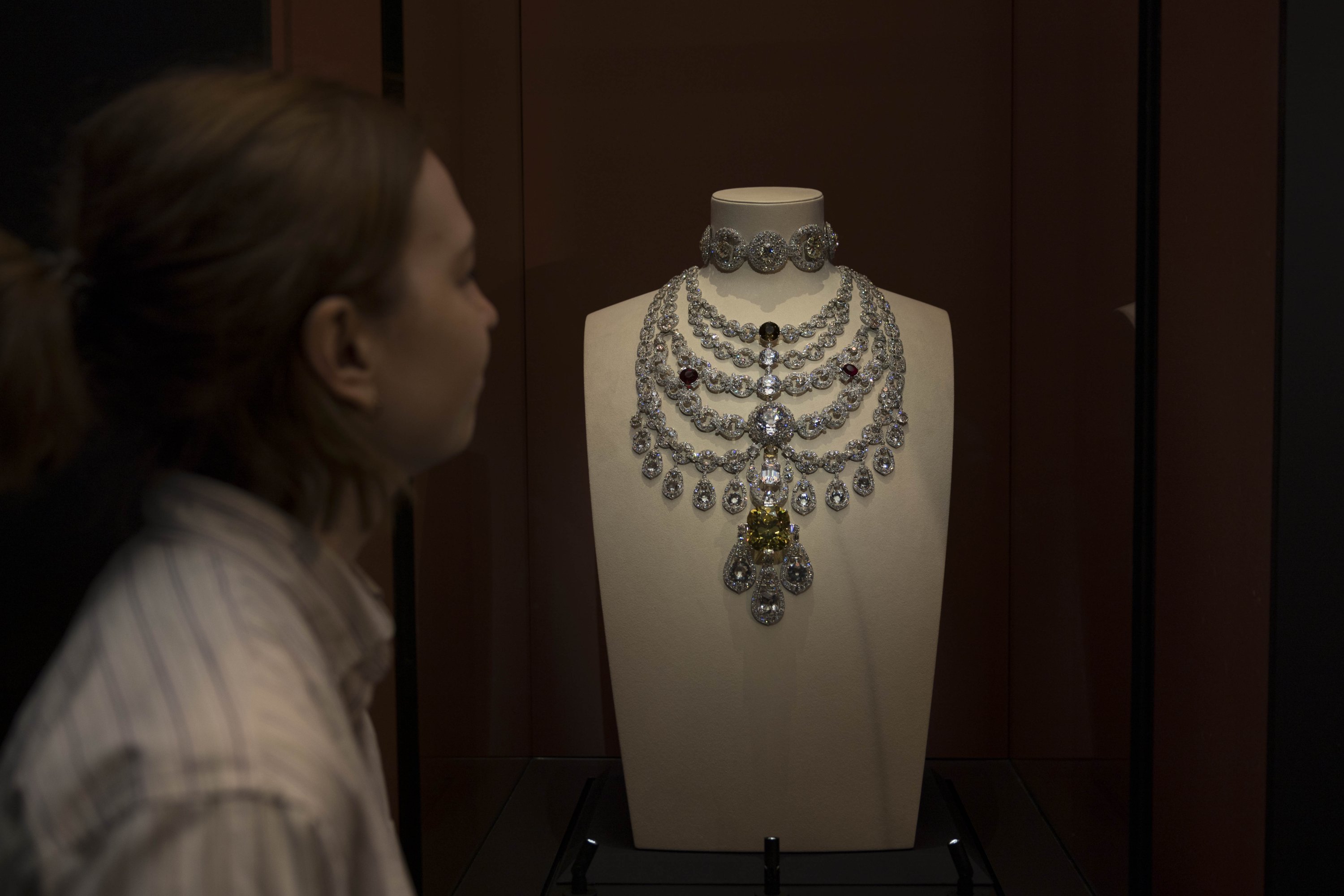
These are not mere accessories; they are instruments of expression. A Cartier bracelet can speak of a woman’s confidence; a tiara can capture a nation’s history. In that sense, the exhibition feels less like a display of luxury and more like a reflection on how art, craftsmanship and identity intertwine.
As the visitor moves through the softly lit rooms, a quiet rhythm develops – the balance between light and shadow, past and present. The final gallery, dedicated to Cartier’s contemporary creations, reminds us that the maison’s story is far from over. Technology may have transformed the tools, but the essence remains unchanged: a reverence for craftsmanship and a belief that beauty must always serve meaning.
Leaving the exhibition, one feels both awed and inspired. Cartier’s legacy, as the Victoria and Albert Museum so elegantly presents it, is not just about diamonds and gold. It is about vision; the courage to dream in shapes and light, to turn raw materials into emotion.
In an age where fashion often feels fleeting, "Cartier: The Story of Style" and Craft is a reminder that true artistry transcends time. It lingers – like a faint shimmer on the wrist, a glint of memory, or a story retold under museum lights.