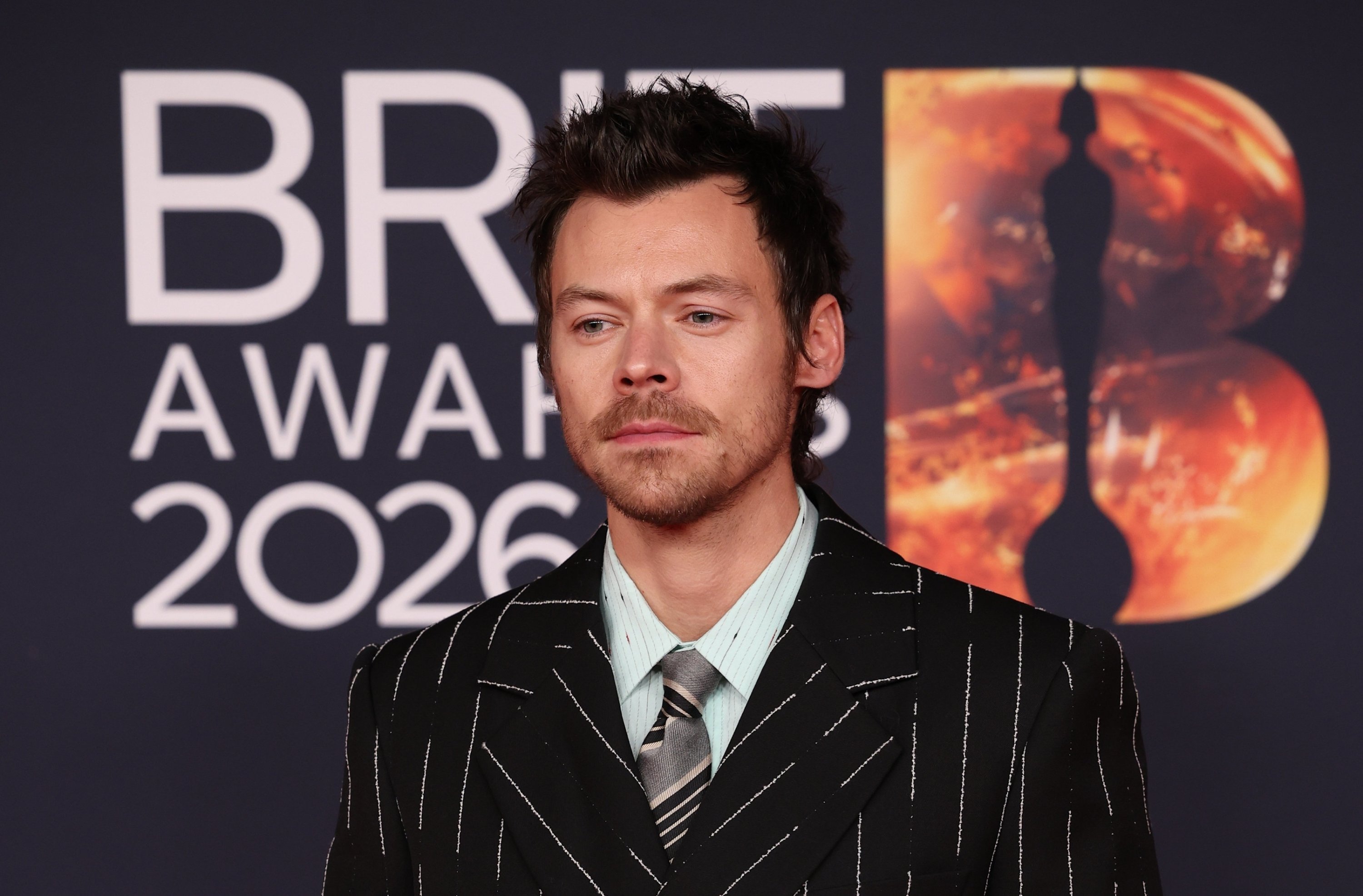
The Brit Awards 2026 returned to the O2 Arena with a sense of renewed confidence, not just as a music ceremony, but as a cultural statement. In a year defined by rapid digital evolution, shifting global politics and a redefinition of celebrity itself, British music proved once again that it thrives on reinvention.
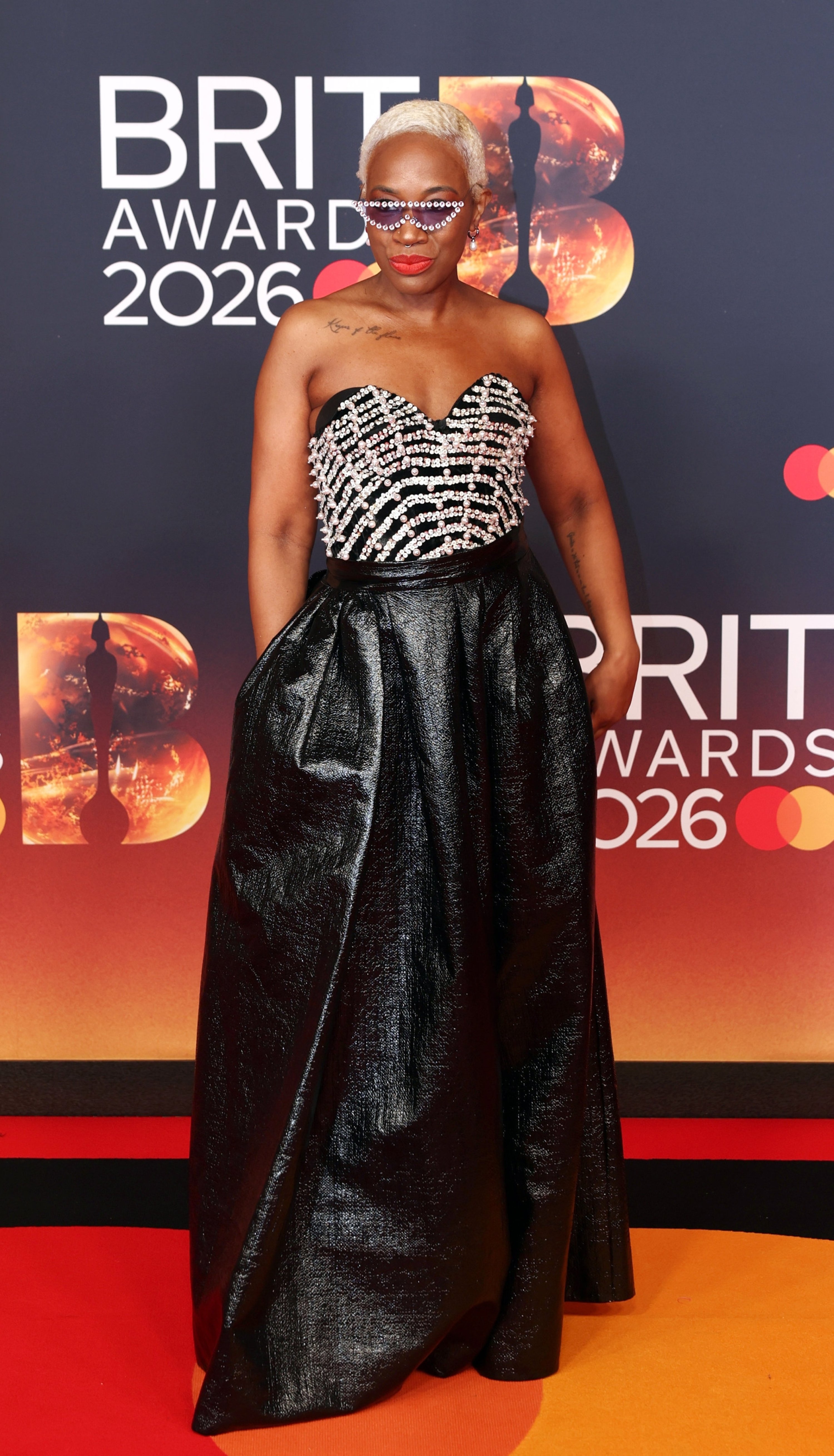
This year’s ceremony felt less like a traditional awards show and more like a curated cultural summit – where sound, fashion, technology and identity intersected. The red carpet set the tone: sculptural tailoring, archival references from the '90s Britpop era and a noticeable embrace of sustainable couture. British artists are no longer just exporting music; they’re exporting aesthetic narratives.
The 2026 edition underlined how British music has moved beyond genre silos. Afrobeats-influenced pop, electronic-folk hybrids and politically conscious rap dominated both nominations and performances. The ceremony celebrated diversity not as a trend, but as the foundation of modern British sound.
What stood out most was the international conversation. Collaborations between U.K. and U.S. artists blurred boundaries. Streaming has dissolved geography, but the Brits reminded us that identity still matters. British storytelling – layered with irony, resilience and subculture – remains distinct.
Stage production this year leaned heavily into immersive storytelling. LED architecture, AI-generated visual art and dramatic lighting created performances that felt closer to fashion week spectacles than conventional concerts.
There was an unapologetic embrace of theatricality. Artists no longer simply “performed,” they constructed worlds. In that sense, the Brits mirrored a broader cultural movement: audiences expect narrative depth, not just hits.
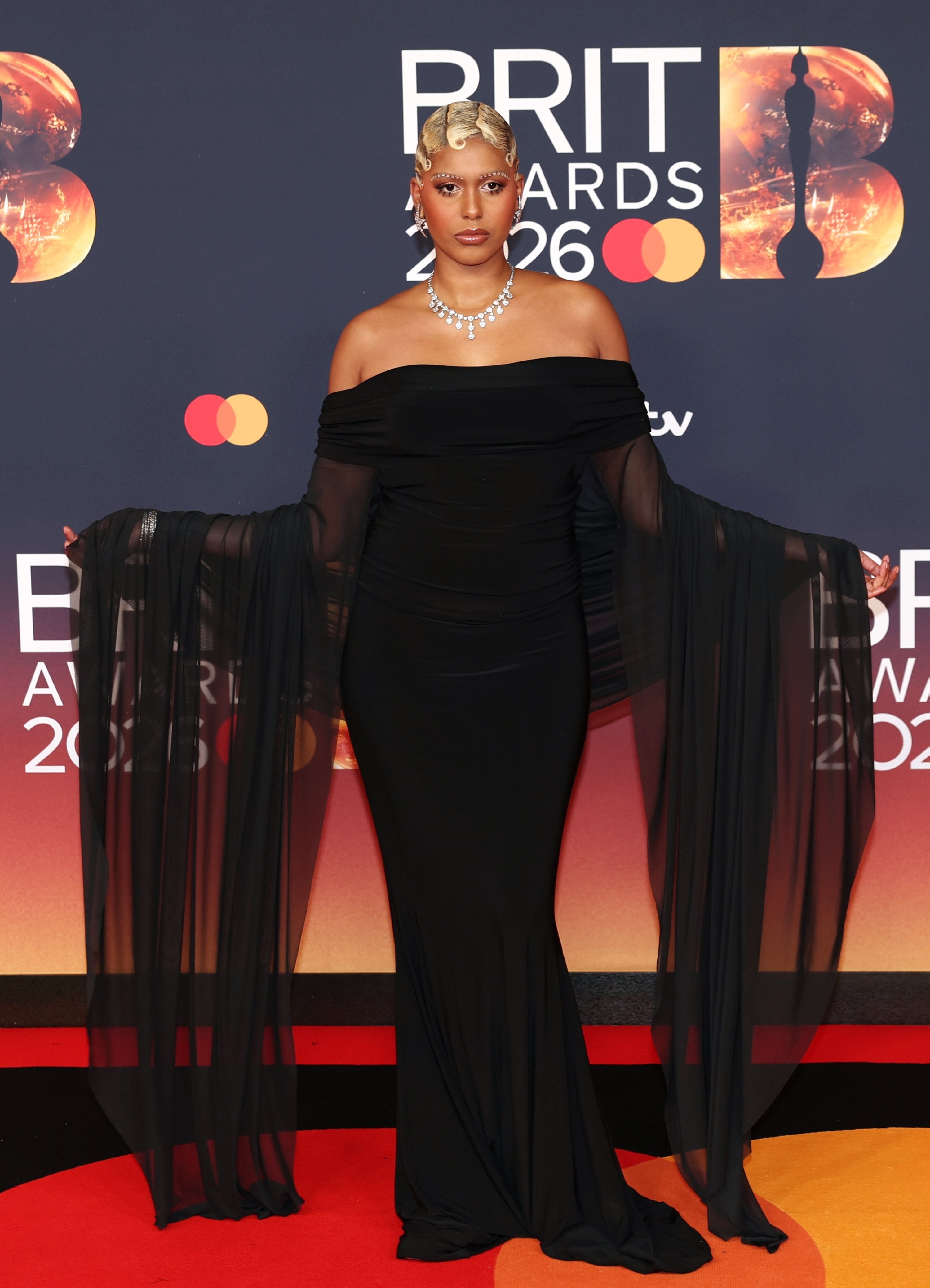
The red carpet deserves its own analysis. Gender-fluid tailoring, exaggerated shoulders, metallic textures and sheer layering dominated the night. Designers used the Brits as a platform to comment on climate responsibility and craftsmanship revival. Several artists opted for independent British labels rather than heritage houses, a subtle but powerful nod to nurturing local creative ecosystems.
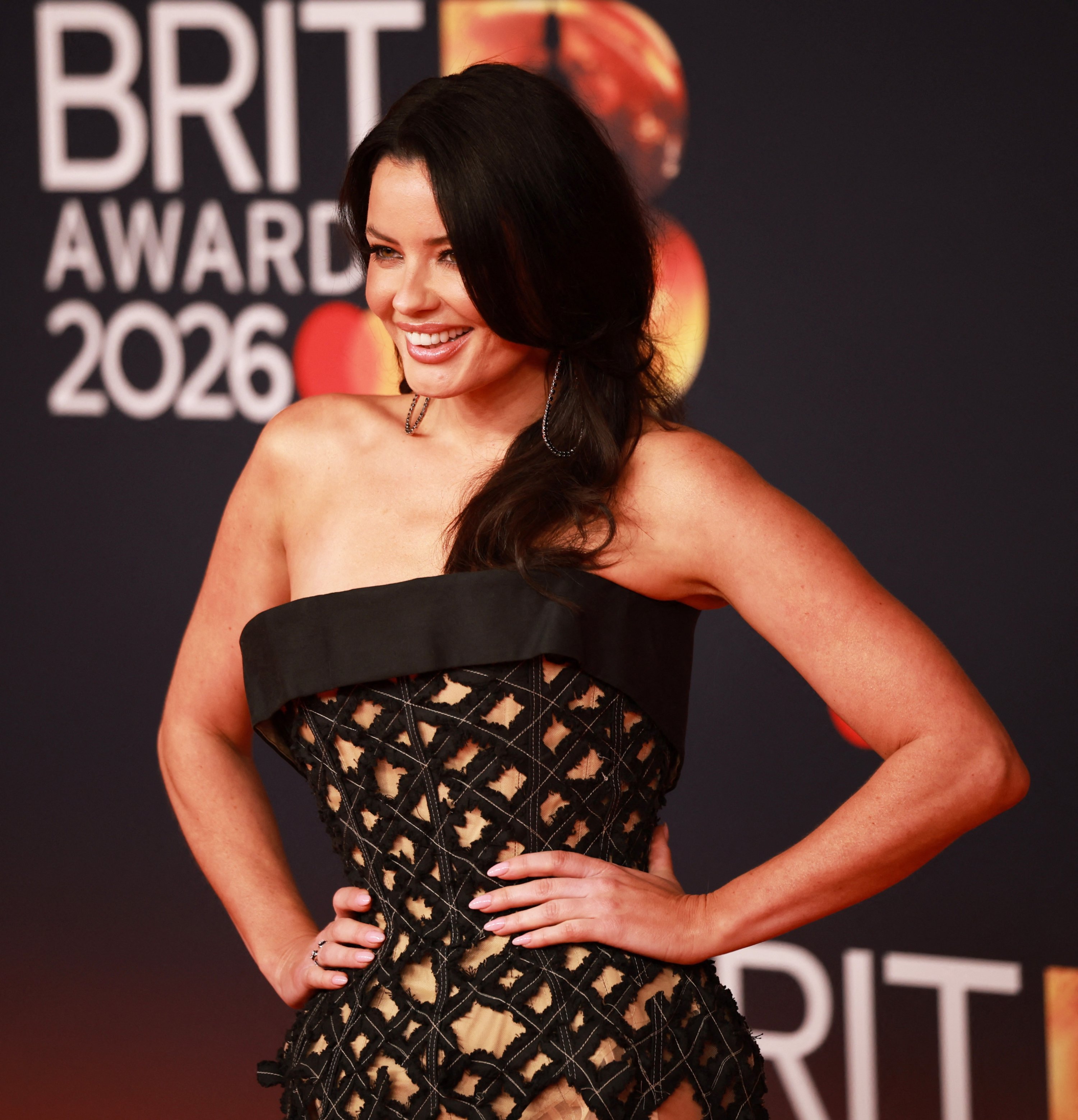
For emerging designers, the Brit Awards have become as influential as any runway. The symbiosis between fashion and music has never been stronger, each amplifying the other’s reach.
Beyond artistry, the Brits demonstrated the commercial engine behind U.K. music. Sponsorship integrations were more seamless, less intrusive; embedded into stage design, digital activations and immersive fan zones rather than obvious logo placements.
The ceremony showed how cultural credibility now determines commercial success. Brands aligned themselves with authenticity, not just visibility. It’s a lesson applicable far beyond music: audiences reward sincerity.
The Brit Awards 2026 felt like a mirror of Britain itself: complex, diverse, occasionally contradictory, but undeniably influential. At a time when the global creative economy is hyper-competitive, British music continues to lead not through volume, but through voice.
What this year confirmed is simple: the Brits are no longer just about who wins. They are about who shapes the conversation.
And in 2026, that conversation was bold, theatrical, inclusive and unmistakably British.
While the music performances and wins dominated headlines, many of us were just as captivated by what happened offstage: on the red carpet itself. This year’s gowns were not simply dresses; they were declarations of identity, experimentation and British design spirit.
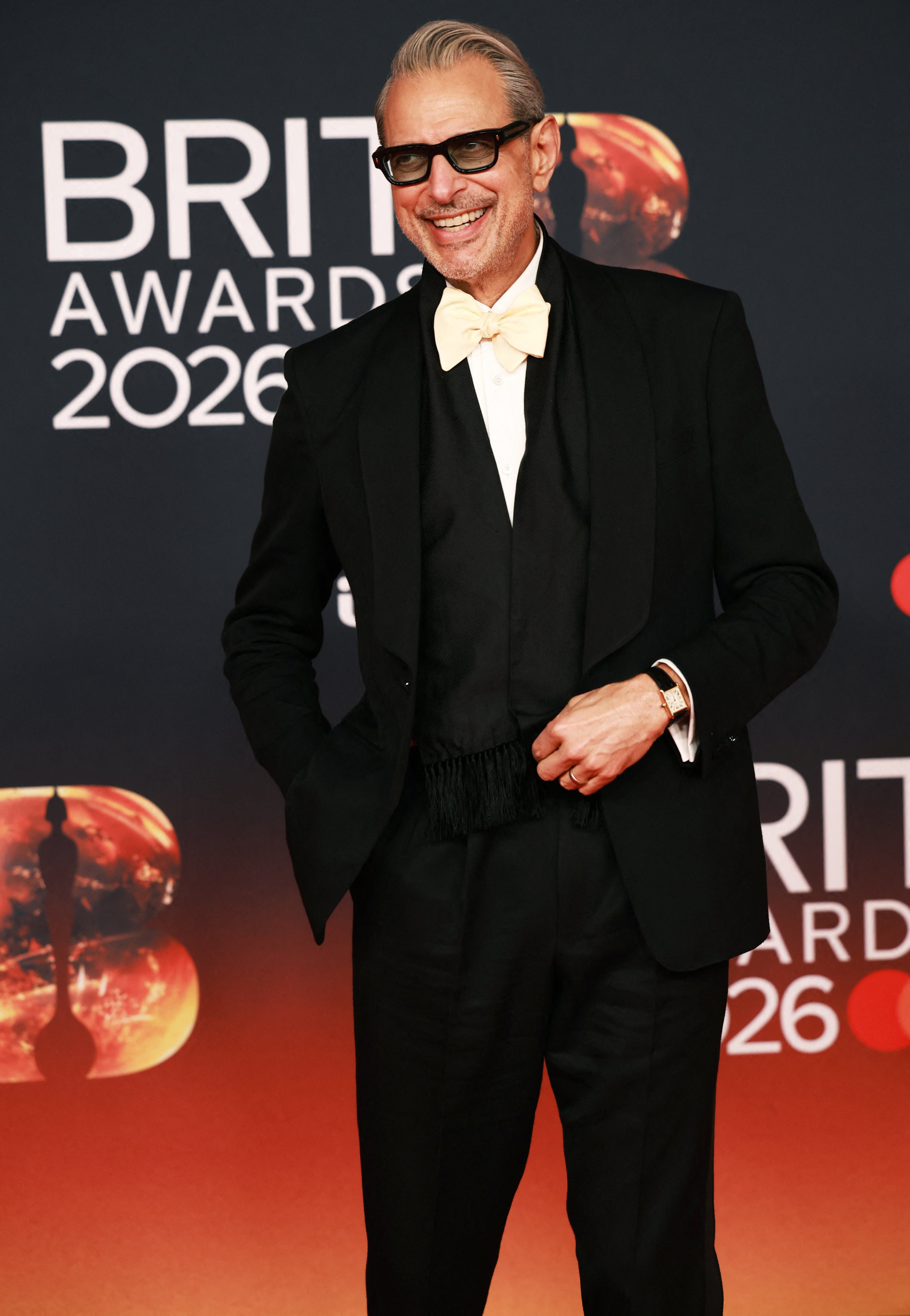
Gone are the days when red carpet gowns were defined solely by classic silhouettes and safe glamour. At the 2026 Brits, we saw a profound shift: designers and artists alike embraced architectural shapes, unexpected textures and hybrid formality. The gowns felt less like wardrobes and more like personal manifestos.
There was a strong movement away from traditional ballgown structures toward sculptural minimalism and fluid layering. Sleeves were exaggerated into dramatic sweeps; necklines dipped into conceptual cut-outs that felt modern without becoming gimmicky. Fabrics ranged from fluid silk chiffons to high-tech metallic laminates, creating a fascinating tension between softness and structure.
Sustainability wasn’t an afterthought; it was visible. Several artists chose gowns crafted from upcycled silks and responsibly sourced materials, with bespoke embroidery that referenced British heritage crafts. The subtle reuse of vintage elements – pearl buttons, ribbon trims, antique lace – was a nod to fashion’s circular future.
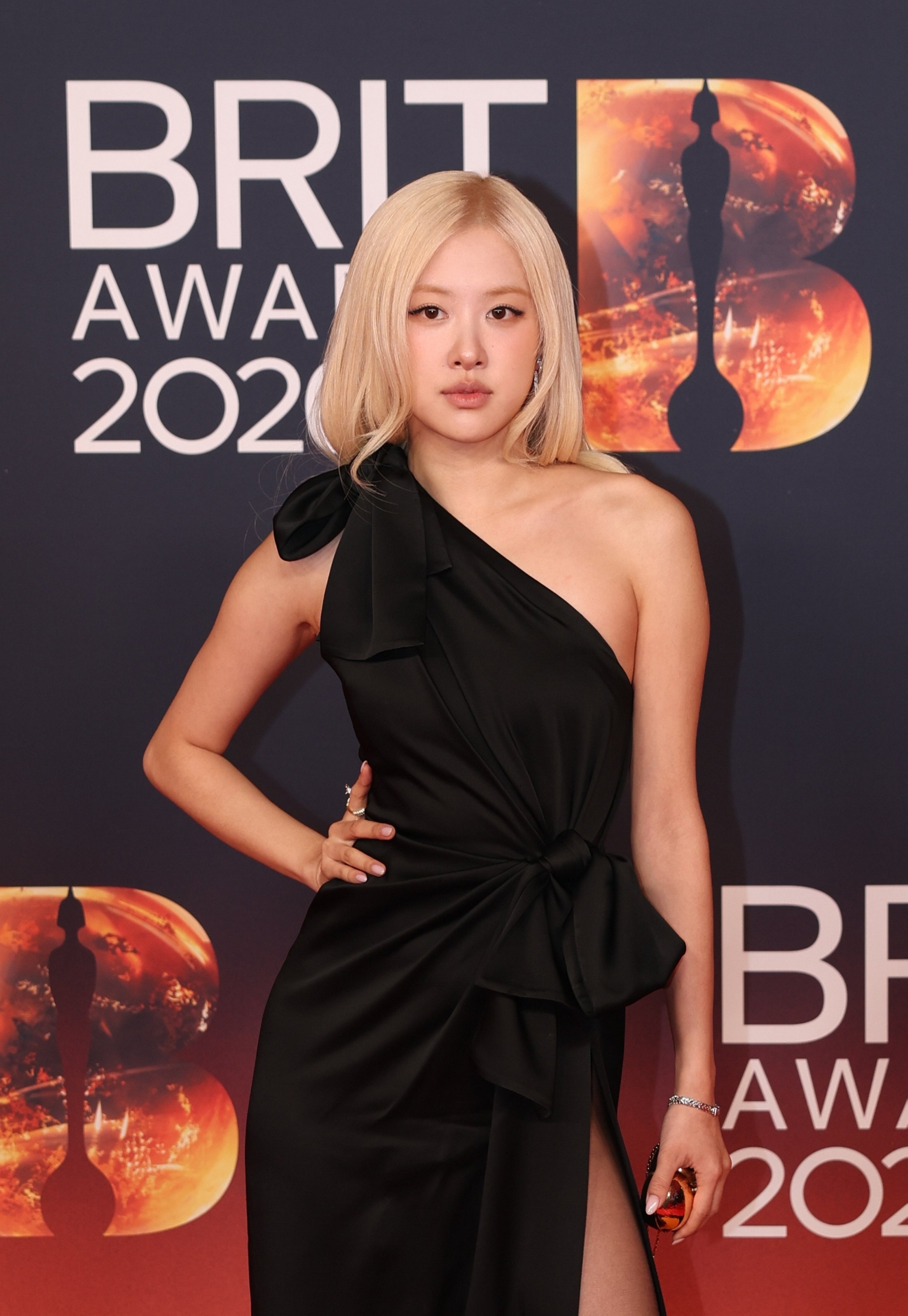
This wasn’t eco-fashion as a trend; it was eco-luxury as identity. By choosing garments that speak to environmental consciousness without compromising extravagance, these artists signaled that glamour and responsibility can coexist.
While black and red remain staples of red carpet elegance, this year introduced a surprising palette of frosted sage, burnished gold, electric cobalt and pearl ivory. Metallic textures weren’t just accents. They defined several gowns, creating mirror-like cascades that shifted beautifully under flash photography.
Textures were equally meaningful. Velvet, often seen as traditional, was reimagined with laser-cut patterns; sheer organza layered with 3D appliques gave dimension to otherwise simple silhouettes. It was couture redefined for a generation that values craft but refuses to be orthodox.
A few highlights deserve individual mention:
A sculptural ivory gown with an asymmetric bell sleeve – evoking both classic British tailoring and modernist aesthetics – epitomized the night’s blend of tradition and futurism.
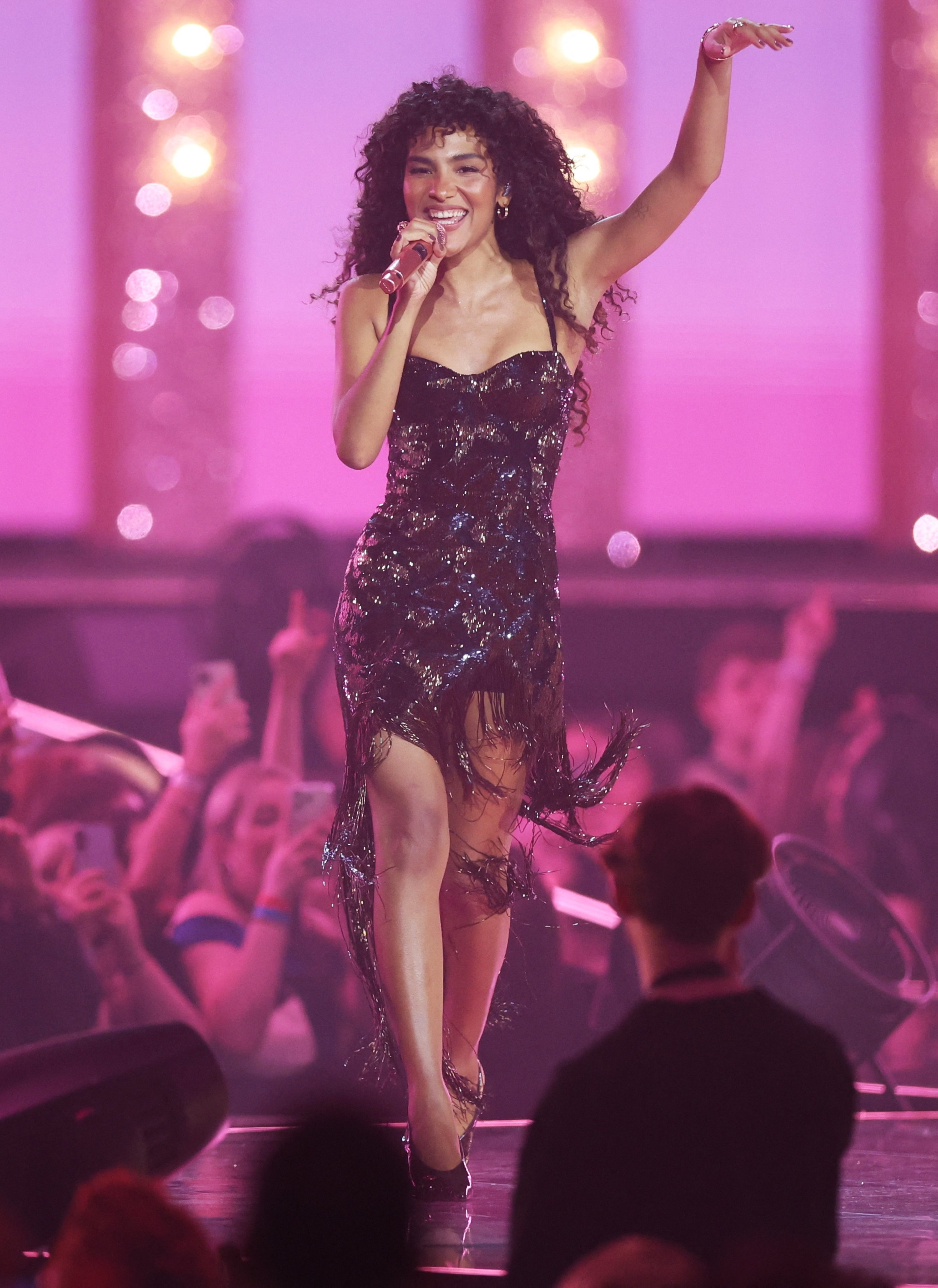
One artist’s metallic mosaic gown, inspired by digital soundwaves, could have easily been a performance piece itself. It shifted color with movement, like music made visible.
A draped emerald dress with hand-stitched beadwork referenced Art Deco influences, adding a historical dialogue to this year’s fashion narrative.
Ultimately, the gowns at the BRIT Awards 2026 did more than look good; they spun stories. They reflected the wearers’ identities: bold, boundary-breaking and unapologetically expressive. In a moment where music and culture feel more intertwined than ever, the red carpet became a stage in its own right, and the gowns were the performers.