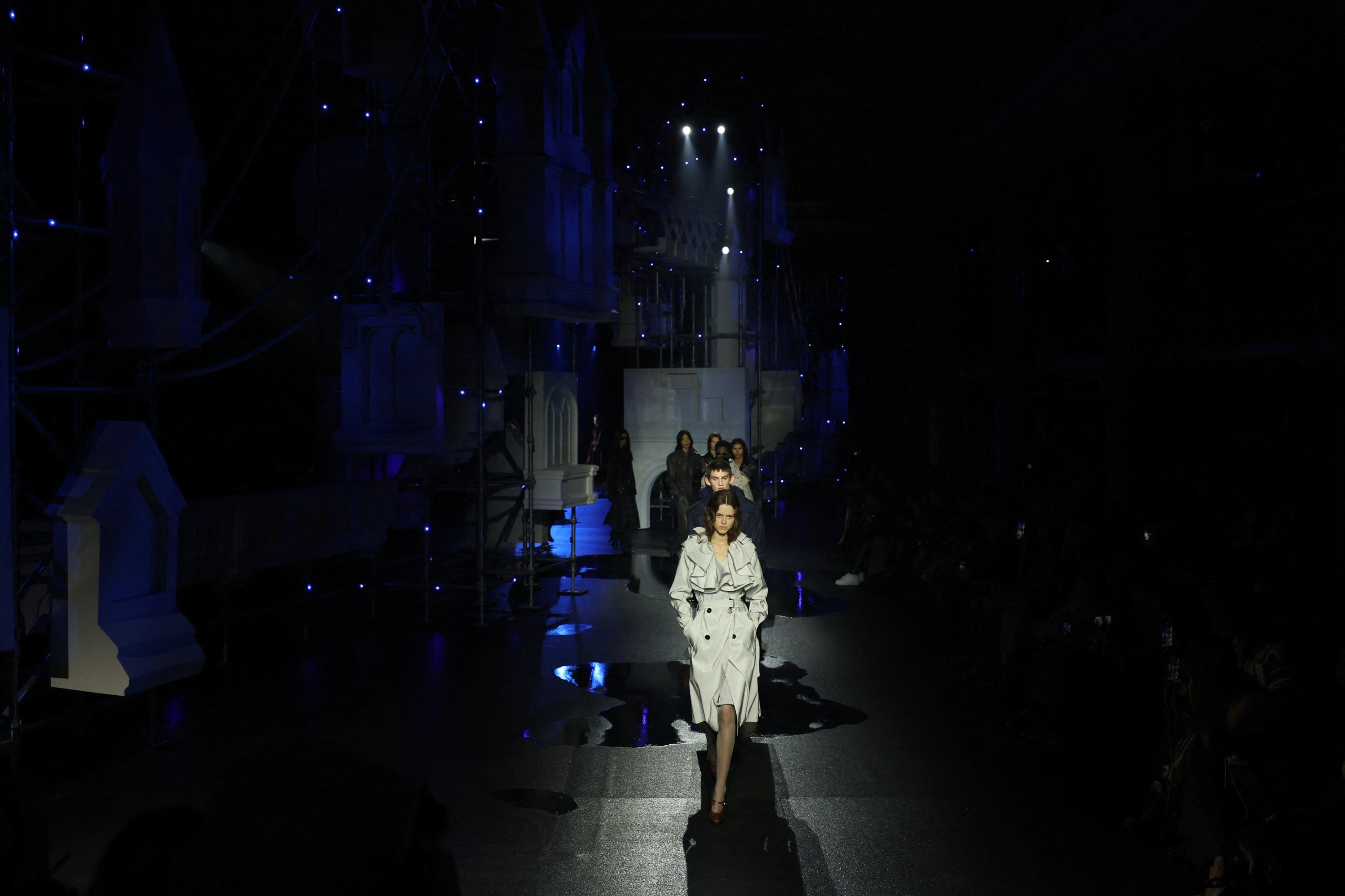
As the fashion calendar unfolded, two cities set the emotional and strategic tone of the season: New York City and London.
While Milan and Paris traditionally dominate the luxury narrative, it is New York and London that often define the direction, commercially and creatively. This season, the contrast between the two cities felt sharper, yet unexpectedly aligned.
Both are asking the same question:
How does fashion express power in a post-noise era?
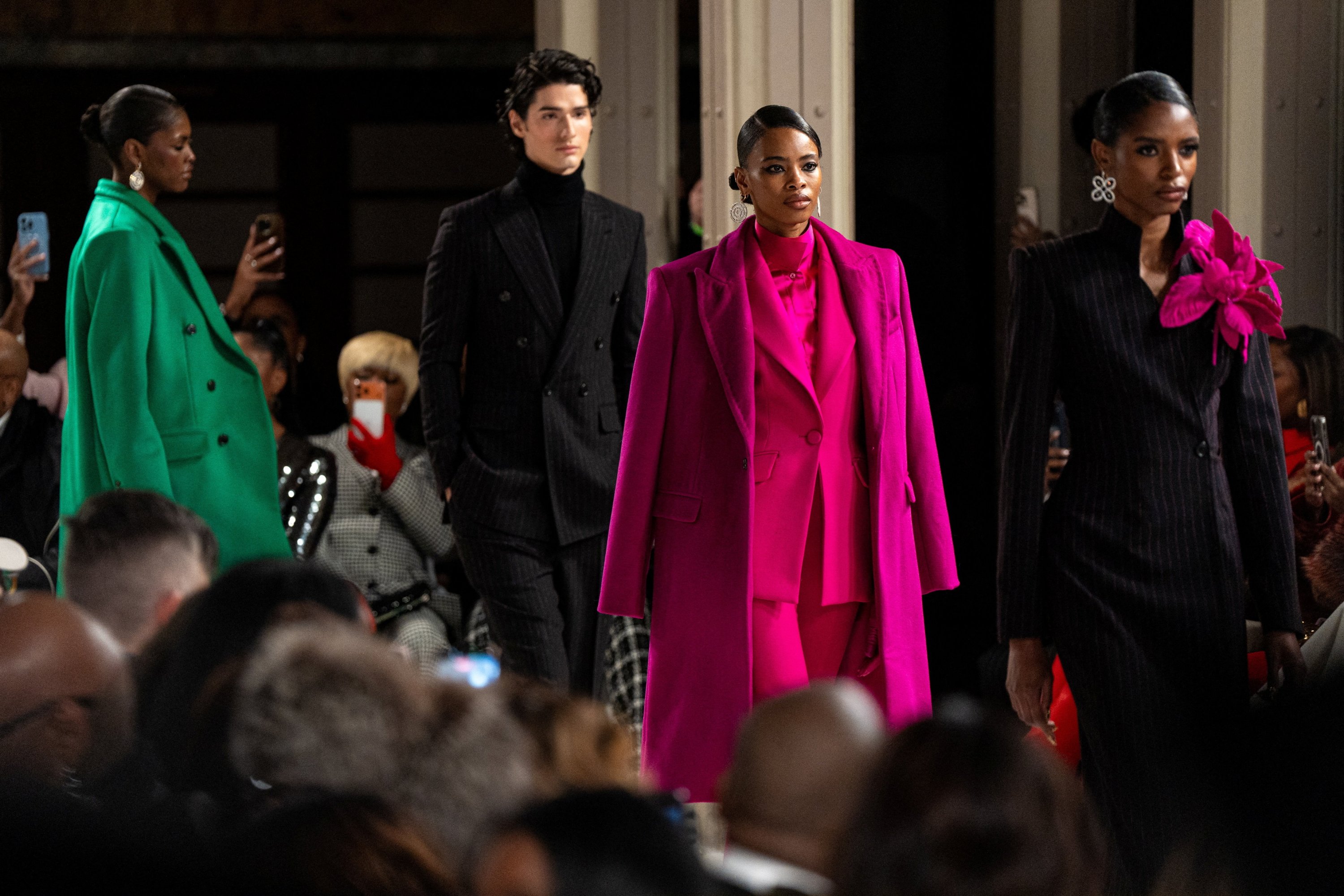
New York approached the season with clarity. The collections felt intelligent, deliberate and market-aware. There was a visible return to structure: sculpted shoulders, tailored blazers, elongated silhouettes and a redefined power suit.
But this was not corporate nostalgia.
Designers presented authority without aggression. Strength without theatricality. The tailoring was sharp, yet softened by fluid fabrics and subtle textures. Neutral palettes dominated - charcoal, navy, ivory - punctuated by controlled statements of color.
New York’s message was pragmatic: fashion must function.
In a global climate shaped by economic sensitivity, brands leaned into wearability and longevity. Investment dressing replaced impulse drama. Pieces were designed to integrate into real wardrobes, not just to trend online.
Luxury in New York this season was measured, intelligent and scalable.
If New York is clarity, London is commentary.
Under the umbrella of the British Fashion Council, London Fashion Week once again positioned itself as the intellectual heart of the industry. Here, fashion is less about selling and more about saying something.
The tailoring seen in New York reappeared, but deconstructed. Proportions were exaggerated, seams intentionally exposed, silhouettes asymmetrical. Gender fluidity was not highlighted as a theme; it was embedded as a norm.
Emerging designers leaned heavily into material innovation. Circular production, recycled textiles and experimental fabric treatments were not presented as marketing devices, but as structural frameworks.
London’s strength lies in its fearlessness.
It embraces imperfection, contradiction, and cultural hybridity. It is the city where heritage tailoring can coexist with radical reinterpretation.
Despite their differences, both cities revealed a shared undercurrent.
There is a clear move away from maximalist spectacle. Logos were quieter. Branding subtler. Silhouettes stronger but more disciplined.
The woman presented on both runways is composed. She is visible, but not performative. Powerful, but not loud.
Power this season is architectural.
It is expressed through cut, proportion, and construction rather than embellishment.
Beyond silhouettes and cultural narratives, another quiet transformation is unfolding across New York and London, the evolution of sponsorship itself. Fashion Week partnerships are no longer about logo dominance, but about experience. Automotive brands such as Omoda are integrated as mobility partners, shaping the arrival moment, powering VIP transport and becoming part of the choreography of the show day rather than competing with it.
New York and London together reveal something significant about the current state of fashion.
New York reflects the market’s intelligence.
London reflects culture’s imagination.
One asks: Will it sell?
The other asks: What does it mean?
And in 2026, the most compelling collections are those that can answer both.
Fashion today is no longer about volume. It is about voice.
Between structure and story, New York and London have set the tone for a season defined not by noise, but by conviction.