It was supposed to be a simple question.
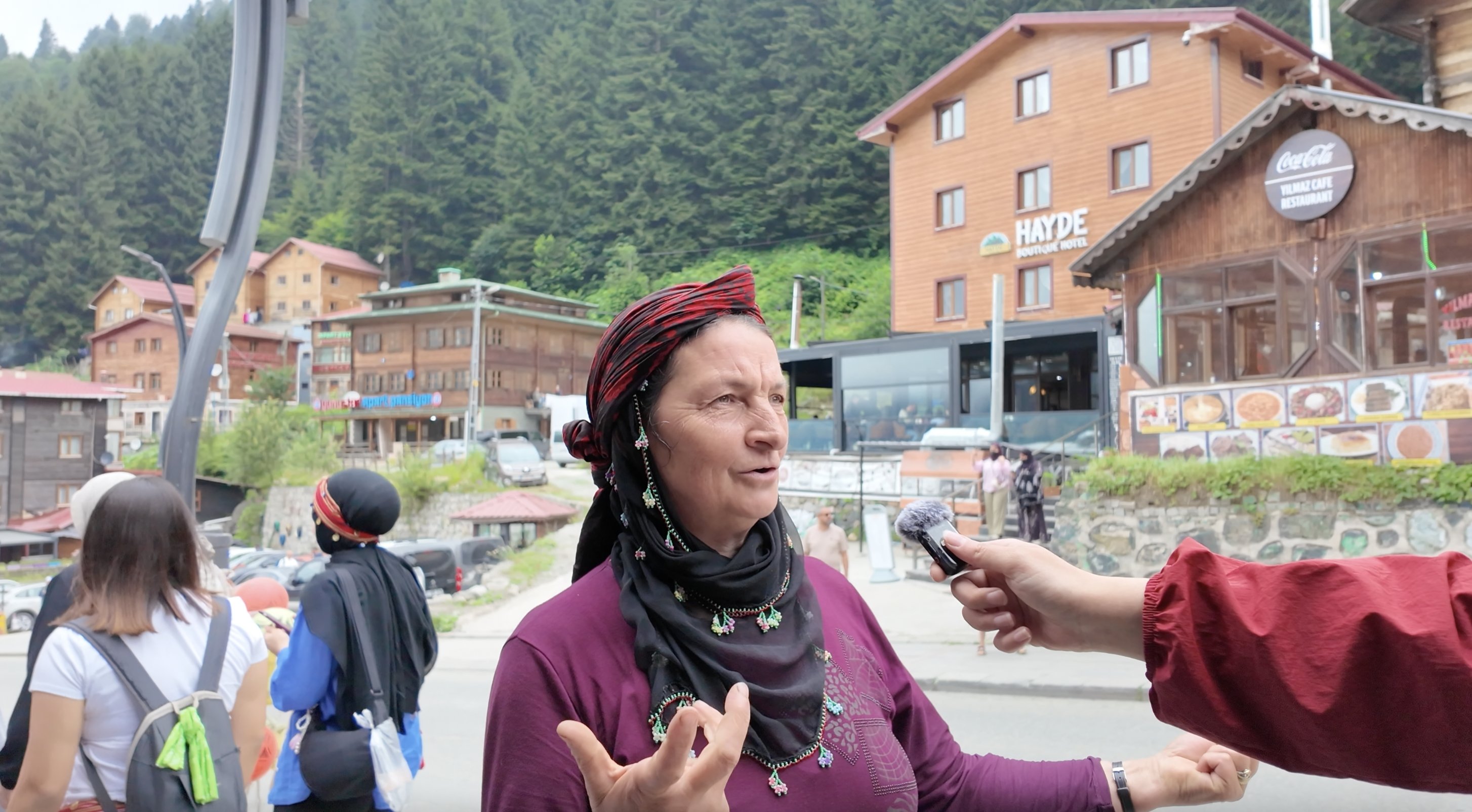
Daily Sabah cameraman Buğra Çakmak and I stopped anyone willing to spare a few minutes for what seemed like a straightforward conversation in Ayder Plateau, Rize.
"Does tea belong to China's ancient tea tradition or to Türkiye's Black Sea region?"
The reaction was immediate.
Some smiled before answering. Others laughed, as if the question itself sounded absurd. A few paused for a moment, searching for the right words, but nearly everyone reached the same conclusion.
"Tea belongs to Rize," one resident said confidently.
Another responded with a question of his own.
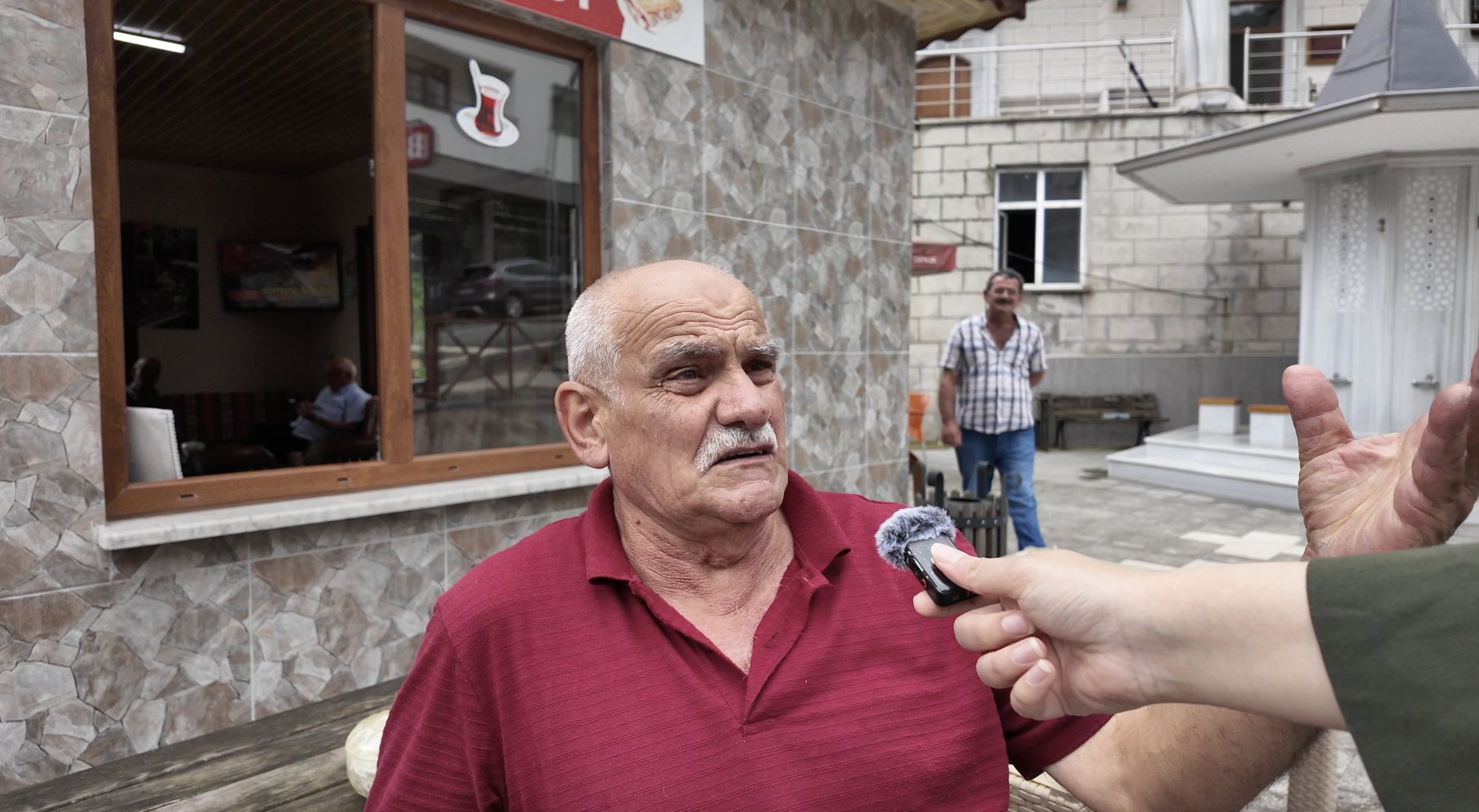
"Why would it be China's? This is Black Sea tea."
The answers kept coming as we continued walking through the city's lively streets, where almost every café table held steaming tulip-shaped glasses of tea and nearly every storefront displayed boxes filled with freshly harvested leaves. In a province where tea is more than a beverage, asking where it belongs quickly became something much bigger than a question about history.
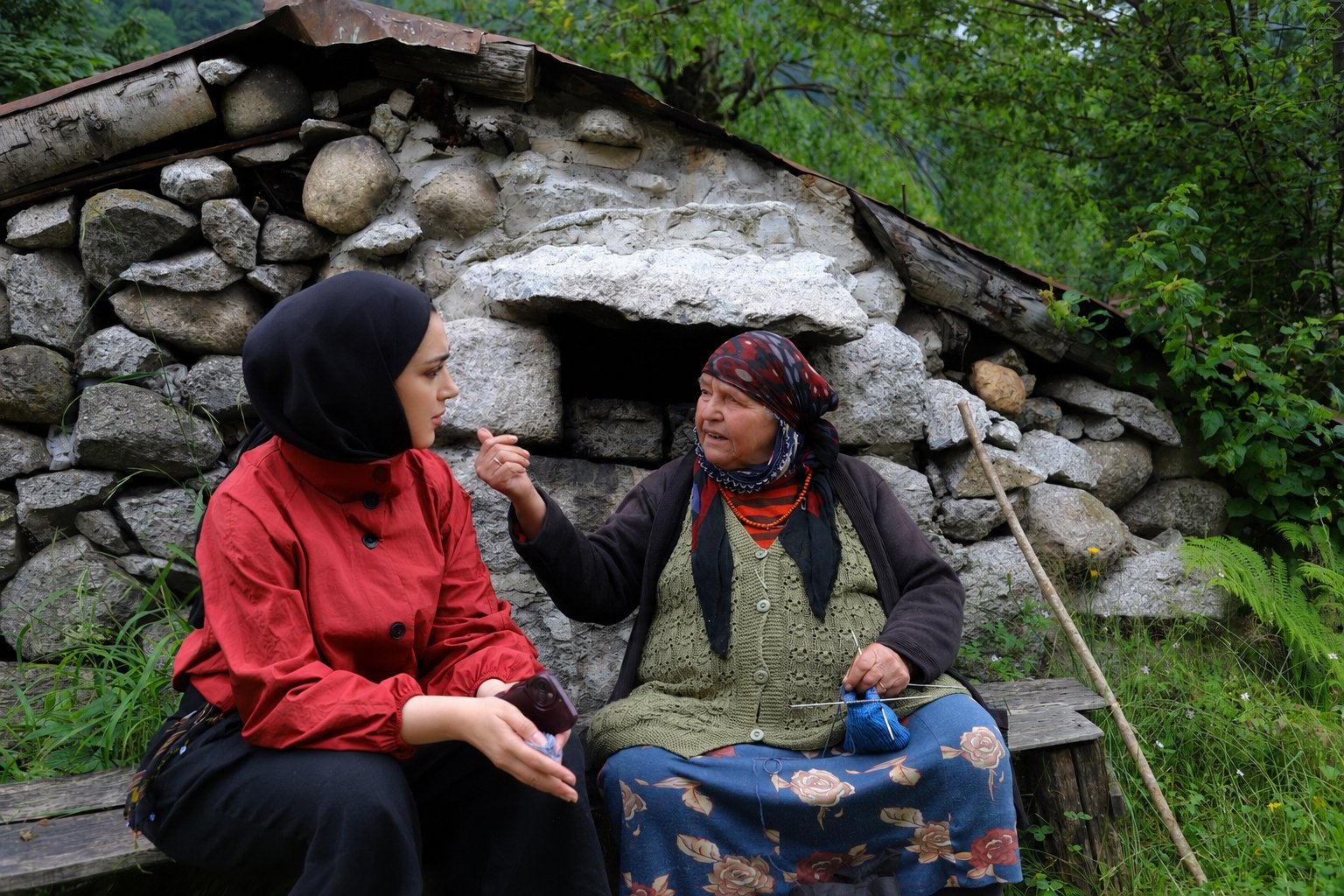
For many residents, it was a question about identity.
"We don't accept that," another interviewee said after hearing that historians trace the origins of the tea plant to China. "Tea belongs to Rize. It has always been our tea."
Not everyone rejected the historical narrative entirely. Some said they had recently learned that tea cultivation in Türkiye began during the early years of the republic after tea plants were introduced from abroad.
"I heard that only today," one resident admitted. "They say tea came from another country during the Republican era. If that's true, we still don't see it as China's tea."
Another resident offered a different perspective, suggesting the first seeds may have arrived through neighboring Georgia before tea farming expanded across the eastern Black Sea region.
"The seeds may have come from Georgia," he said. "But Black Sea tea belongs to Rize."
Although the opinions varied in detail, one message echoed throughout the interviews. People were not debating where the first tea plant grew thousands of years ago. Instead, they were talking about the place that transformed tea into a way of life.
That distinction is easy to understand in Rize.
Tea is everywhere.
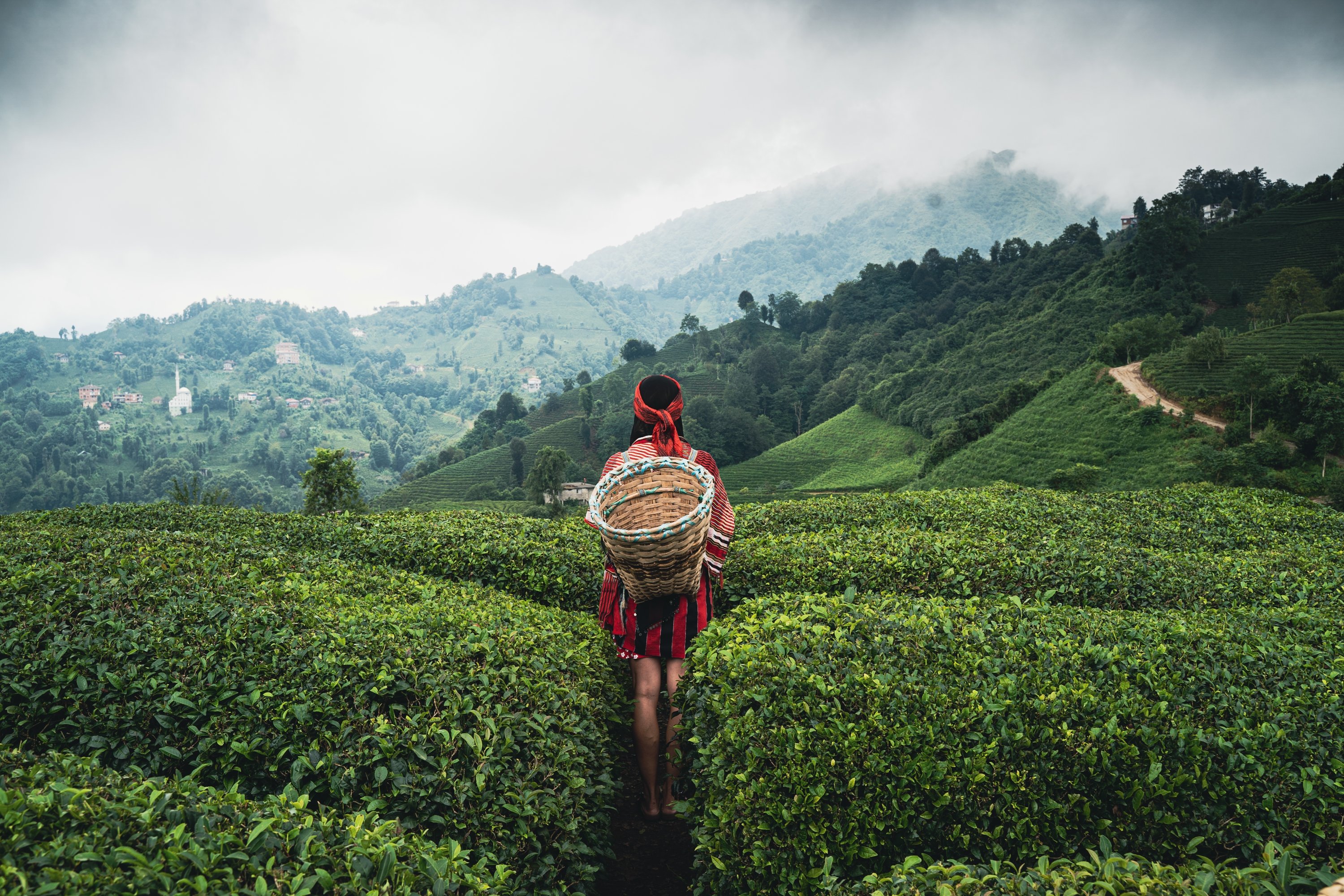
The emerald green plantations covering the steep hillsides have defined the province for generations. During harvest season, families spread across the slopes before sunrise, carefully picking fresh leaves by hand while factories across the region prepare to process the day's harvest. Visitors are welcomed with tea before conversations begin, and no gathering feels complete without another glass being poured.
For locals, tea is woven into everyday life in ways that go far beyond agriculture or commerce.
That deep connection became clearer with every conversation. The people we met rarely spoke about production figures or exports. Instead, they spoke about childhood memories, family traditions and the pride of growing a crop that has come to define the region.
"Our eggs, milk, cheese and tea are all natural," one resident said with a smile. "Everything comes straight from our land."
Another summed up the local mood in just a few words.
"Our tea is the best tea."
While emotions dominated the conversations, the historical record tells a broader story. Scholars generally agree that the tea plant originated in southwestern China thousands of years ago before spreading across Asia and eventually reaching other parts of the world. Commercial tea cultivation in Türkiye developed much later, after agricultural experts determined that the humid climate of the eastern Black Sea region was well suited for growing tea. The first successful plantations were established in and around Rize, laying the foundation for an industry that would transform the province.
Today, Rize produces the largest share of Türkiye's tea, while neighboring Trabzon, Artvin and Giresun also contribute to the country's tea industry. Millions of kilograms of fresh tea leaves are harvested every year, making the eastern Black Sea region the heart of Türkiye's tea production.
Yet those historical facts did little to change the opinions voiced on the streets.
For many residents, the story of tea does not begin with where the first plant emerged centuries ago. It begins with the families who have cultivated the hillsides for generations, turning tea into both a livelihood and a defining part of the region's identity.
That sense of ownership extended beyond tea itself.
One resident laughed while speaking about another Black Sea specialty.
"Greece keeps claiming everything that's ours. Now they're claiming Laz böreği too."
The comment drew smiles from those standing nearby and reflected the strong attachment many locals feel toward the region's culinary heritage.
As the interviews came to an end and the camera was finally switched off, one thing had become unmistakably clear. The question we brought to the streets of Rize had never really been about settling a historical debate. Instead, it revealed how deeply a crop can become intertwined with the identity of the people who cultivate it.
Historians may continue tracing the origins of tea to ancient China, and agricultural experts may continue explaining how tea cultivation took root in Türkiye during the Republican era. But on the streets of Rize, those explanations coexist with something equally powerful: a collective belief shaped by generations of growers, families and traditions.
In the eyes of many residents, tea is not simply a plant that arrived from somewhere else. It is a symbol of the eastern Black Sea, a source of pride and an inseparable part of life in Rize.
And judging by the unwavering responses heard throughout the day, few here believe that will ever change.