In this week's roundup, the latest scientific research on the coronavirus, including its treatments and vaccines, suggests that vaccine-related blood clots could be tied to gene and antibody variants, concentrated antibodies may help immunosuppressed patients, and wearing eyeglasses may lower the COVID-19 risk.
New research may help shed light on a rare but serious blood-clotting problem associated with the COVID-19 vaccines from AstraZeneca and Johnson & Johnson.
Five unrelated people with this clotting complication, known as vaccine-induced thrombotic thrombocytopenia, all had unusually-structured antibodies against a protein called PF4 that is involved in blood clotting, the researchers found. Furthermore, all five had a specific version of a gene responsible for producing these antibodies, they reported on Monday on medRxiv ahead of peer review.
"The combination of a variant in a gene and the evolution of this antibody toward targeting in a highly deleterious manner the PF4 protein ... leads to this disastrous complication," the researchers said. The prevalence of this gene varies and is highest in people of European descent, according to the report.
The finding "paves the way for a potential genetic screening tool to identify patients carrying this gene variant who are at risk of this severe complication" after receiving vaccines, said Tom Gordon and Jing Jing Wang of Flinders University of South Australia, two of the study's authors.
"Additionally, this provides a unique opportunity for targeted, specific therapy development aimed at neutralizing this highly damaging but very specific antibody."
Hospitalized COVID-19 patients who are severely immunocompromised may benefit from treatment with a purified, highly concentrated form of antibody-rich blood plasma from previously infected people known as hyperimmune globulin, according to a small trial.
Netherlands-based researchers measured the need for mechanical ventilation, high-flow nasal oxygen, readmission for COVID-19 after hospital discharge or lack of clinical improvement among 18 subjects four weeks after administration of either SARS-CoV-2 hyperimmune globulin or immune globulin that did not contain antibodies to the coronavirus.
These adverse outcomes occurred in 20% of patients who received the hyperimmune globulin with COVID-19 antibodies, compared to 88% of those who did not, according to a report posted on Tuesday on medRxiv ahead of peer review.
The trial participants were organ transplant patients taking strong immunosuppressive drugs and others with diseases or medication regimens that impaired the function of immune cells called B cells.
In severely immunocompromised patients, SARS-CoV-2 hyperimmune globulin "may reduce the risk for severe COVID-19 and can be used when no monoclonal antibody therapies are available," the researchers concluded.
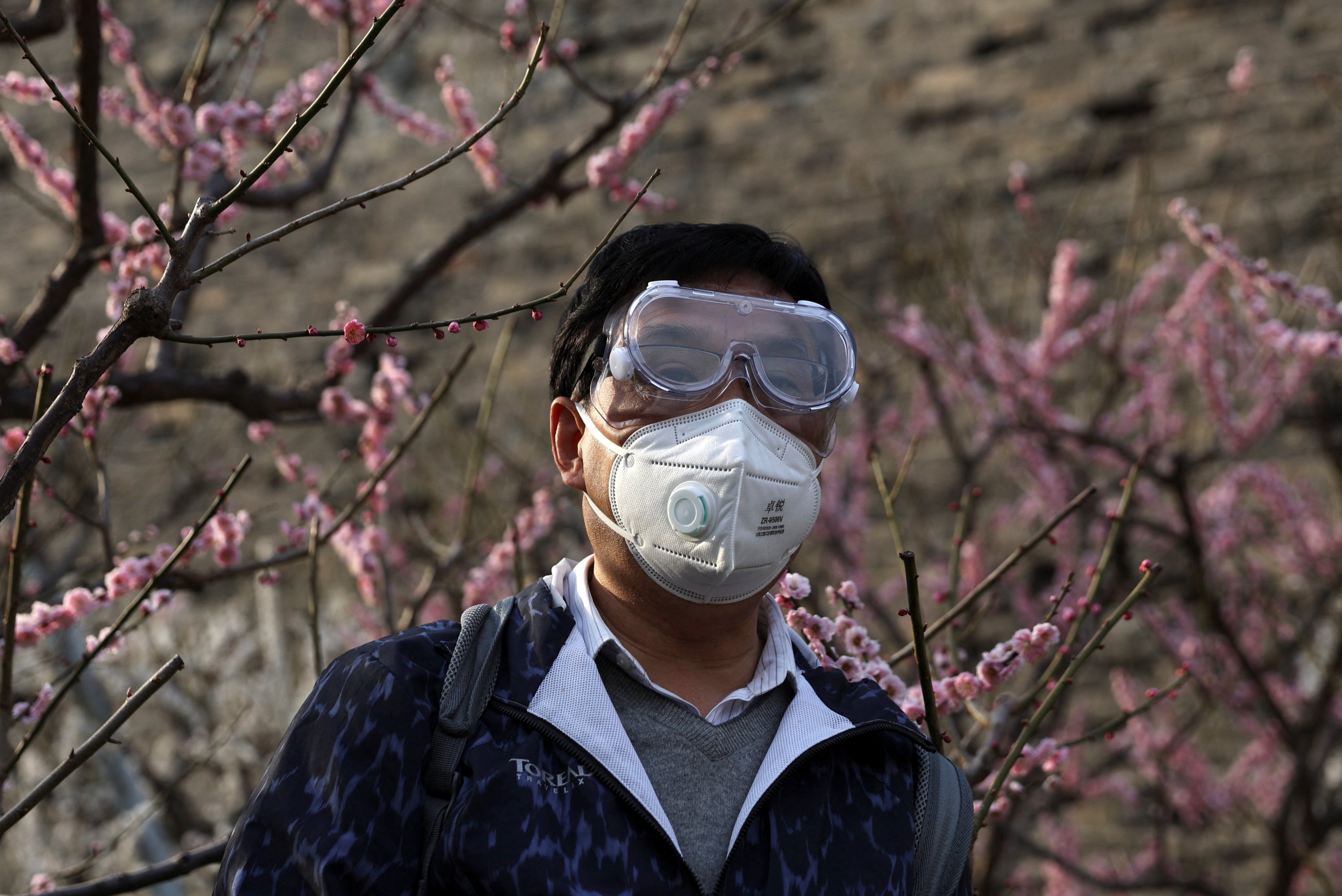
People who regularly wear glasses have a moderately lower risk of contracting COVID-19, while contact lenses offer no added protection, according to a large study that highlights the importance of the eye as a route of coronavirus infection.
More than 19,000 participants in the Virus Watch study in England and Wales responded to a questionnaire on the use of glasses and contact lenses. Starting as early as June 2020, participants had been reporting weekly on their COVID-19 status, and more than 11,000 provided monthly blood samples to show whether or not they had been infected with the coronavirus.
After taking other risk factors into account, the researchers found a 15% lower risk of infection for those who reported wearing glasses always for general use compared to those who never wore glasses.
The protective effect was reduced in those who said their glasses interfered with mask-wearing, and there was no protective effect seen for contact lens wearers, according to a report posted on Monday on medRxiv ahead of peer review.
"Protective eyewear should be considered as part of broader strategies to prevent community transmission of infection and may be valuable to consider in the event of future pandemics and in high exposure occupations, including health care," the researchers said.