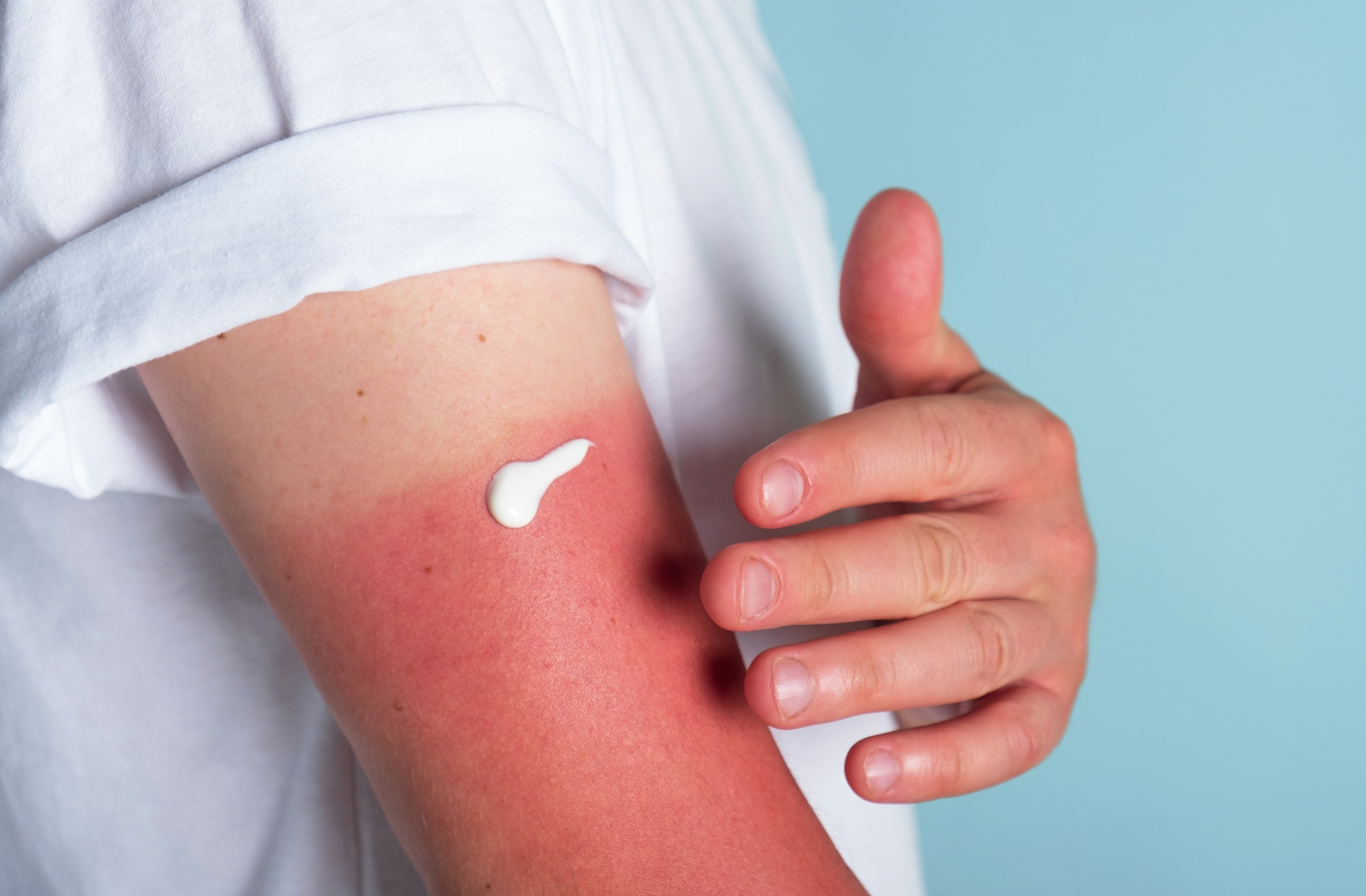
Prolonged sun exposure without protection can cause not only temporary redness but also cellular DNA damage and increase the long-term risk of skin cancer, according to dermatologist Melek Kesir Koç.
"Repeated sunburns increase the cumulative damage to the skin. Severe sunburns, particularly those sustained during childhood, significantly raise the risk of developing skin cancer later in life," Koç said.
Koç, a dermatologist at Medical Park Göztepe Hospital, said the stronger angle of the sun during the summer months leads to greater exposure to ultraviolet (UV) radiation, adding that sunburn should not be dismissed as a simple skin irritation.
Sunburn is an acute skin reaction caused by exposure to UVA and UVB rays, Koç said.
"Sunburn is more than skin redness. It causes DNA damage at the cellular level. Over time, this damage can accelerate skin aging, lead to permanent pigmentation and even contribute to the development of skin cancer," she said.
The higher intensity of UV radiation during summer is the main reason sunburns become more common, Koç said.
"Ultraviolet radiation reaches its highest level between 10 a.m. and 4 p.m., when the sun's rays strike the Earth most directly. Spending time outdoors without protection during these hours can result in serious sunburn within a short period," she said.
Koç said children, older adults and people with fair skin are particularly vulnerable to sunburn.
Infants and young children have much thinner skin than adults, allowing UV rays to penetrate more easily, while their natural protective melanin pigment has not fully developed, she said.
For babies younger than 6 months, she recommended protective clothing and wide-brimmed hats instead of sunscreen. For older children, mineral-based SPF 50+ sunscreen formulated for their age group should be used.
Older adults are also at increased risk because the skin's ability to repair itself declines with age, while certain medications can increase sensitivity to sunlight. Fair-skinned individuals face a higher risk of both sunburn and skin cancer due to lower melanin levels, she added.
The first response to sunburn can affect the healing process, Koç said.
People with sunburn should drink plenty of water, apply cool compresses to the affected area and use alcohol- and fragrance-free moisturizers. Loose-fitting cotton clothing can also help prevent further skin irritation, she said.
Koç warned against common home remedies such as applying yogurt or toothpaste to sunburned skin.
"These may create a temporary cooling sensation, but they can prevent the skin from breathing and increase the risk of infection," she said.
She also advised against popping blisters, peeling loose skin, taking hot showers or scrubbing the affected area, as these can delay healing.
Sunburn can sometimes affect the entire body, Koç said.
People should seek medical attention immediately if they develop high fever, chills, confusion, severe headache, dizziness, nausea, vomiting, excessive thirst, dry mouth or a significant decrease in urination, she said.
Koç said repeated sunburns have lasting effects on skin health.
"UVB rays damage the DNA of skin cells, while UVA rays break down collagen and elastin fibers, accelerating premature skin aging. Experiencing severe blistering sunburn during childhood nearly doubles the risk of developing melanoma in adulthood. The harmful effects of sun exposure accumulate over the years," she said.
Protecting the skin requires more than sunscreen alone, Koç said.
She recommended using broad-spectrum sunscreen with at least SPF 30, and preferably SPF 50+ during summer. Sunscreen should be applied 15 to 20 minutes before going outdoors and reapplied after swimming or heavy sweating.
People should also wear wide-brimmed hats, UV-protective sunglasses and protective clothing and avoid direct sun exposure between 10 a.m. and 4 p.m., she added.
Koç said staying under an umbrella or spending time outdoors on cloudy days does not eliminate UV exposure.
"Sand and seawater reflect UV rays, meaning you can still be exposed even while in the shade. Most UV radiation also penetrates cloud cover. Sun protection measures should therefore be maintained regardless of weather conditions," she said.
In addition to sun protection, adequate hydration is essential for maintaining healthy skin during summer vacations, Koç said.
She recommended drinking at least 2.5 to 3 liters (about 85 to 100 ounces) of water daily, showering after sun exposure to remove salt and chlorine from the skin and applying a moisturizer or after-sun product to support recovery.
She also advised against using perfume or alcohol-based cosmetic products before going to the beach, as these can react with sunlight and cause permanent skin discoloration.