

Daily Sabah logo

Politics
Diplomacy Legislation War On Terror EU Affairs Elections News Analysis
TÜRKİYE
Istanbul Education Investigations Minorities Expat Corner Diaspora
World
Mid-East Europe Americas Asia Pacific Africa Syrian Crisis Islamophobia
Business
Automotive Economy Energy Finance Tourism Tech Defense Transportation News Analysis
Lifestyle
Health Environment Travel Food Fashion Science Religion History Feature Expat Corner
Arts
Cinema Music Events Portrait Reviews Performing Arts
Sports
Football Basketball Motorsports Tennis
Opinion
Columns Op-Ed Reader's Corner Editorial
PHOTO GALLERY
JOBS ABOUT US RSS PRIVACY CONTACT US
© Turkuvaz Haberleşme ve Yayıncılık 2025

Daily Sabah - Latest & Breaking News from Turkey | Istanbul

  • Politics
    • Diplomacy
    • Legislation
    • War On Terror
    • EU Affairs
    • Elections
    • News Analysis
  • TÜRKİYE
    • Istanbul
    • Education
    • Investigations
    • Minorities
    • Expat Corner
    • Diaspora
  • World
    • Mid-East
    • Europe
    • Americas
    • Asia Pacific
    • Africa
    • Syrian Crisis
    • Islamophobia
  • Business
    • Automotive
    • Economy
    • Energy
    • Finance
    • Tourism
    • Tech
    • Defense
    • Transportation
    • News Analysis
  • Lifestyle
    • Health
    • Environment
    • Travel
    • Food
    • Fashion
    • Science
    • Religion
    • History
    • Feature
    • Expat Corner
  • Arts
    • Cinema
    • Music
    • Events
    • Portrait
    • Reviews
    • Performing Arts
  • Sports
    • Football
    • Basketball
    • Motorsports
    • Tennis
  • Gallery
  • Opinion
    • Columns
    • Op-Ed
    • Reader's Corner
    • Editorial
  • TV
  • Life
  • Health
  • Environment
  • Travel
  • Food
  • Fashion
  • Science
  • Religion
  • History
  • Feature
  • Expat Corner

Research connects processed foods to lung cancer

by Deutsche Presse-Agentur - dpa

LONDON Aug 06, 2025 - 11:23 am GMT+3
Academics have found a link between consuming high levels of ultra processed foods (UPFs) and lung cancer. (Shutterstock Photo)
by Deutsche Presse-Agentur - dpa Aug 06, 2025 11:23 am

Academics have found a link between consuming high levels of ultra processed foods (UPFs) and lung cancer.

An international team of researchers tracked the health and food habits of more than 100,000 US adults, with an average age of 63.

After an average of 12 years the team identified 1,706 cases of lung cancer.

And food survey questionnaires revealed consumption of UPFs, including ice cream, fried foods, bread, cakes, pastries, salty snacks, breakfast cereals, instant noodles and soups, margarine, confectionery, soft drinks, sweetened fruit drinks, hamburgers, hot dogs and pizza.
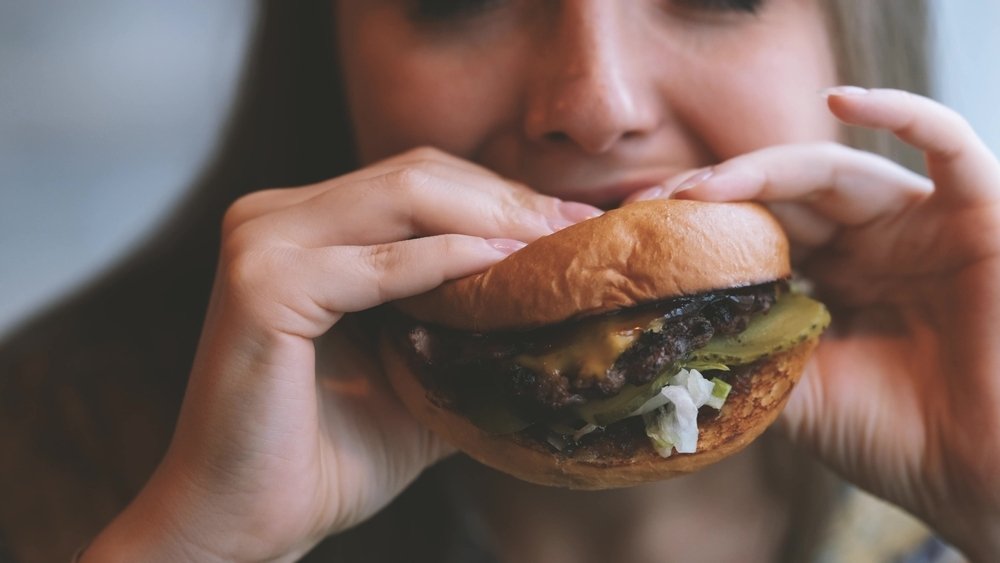
Academics have found a link between consuming high levels of ultra processed foods (UPFs) and lung cancer. (Shutterstock Photo)

The research team, led by academics in China, found that average UPF consumption was nearly three servings a day, but ranged from 0.5 to six.

The three types of food that featured the most were lunch meat and soft drinks.

People who consumed the highest amounts of UPFs were 41% more likely to develop lung cancer compared with those who consumed the least amount, academics wrote in the journal Thorax.

They found an increased risk found for both non-small cell lung cancer and small cell lung cancer.

The authors said that they did make adjustments to their findings based on whether or not people smoked, but they did not make adjustments for smoking intensity, which may have an impact.

They stress that "causality cannot be determined" from their findings, and the data should be interpreted with caution.

"Although additional research in other populations and settings is warranted, these findings suggest the healthy benefits of limiting UPF," the authors said.

They added: "Limiting trends of UPF intake globally could contribute to reducing the burden of lung cancer."

Commenting on the study, professor Sam Hare, consultant chest radiologist at the Royal Free London NHS Trust, said: "A quarter of lung cancer cases occur in non-smokers so we do need research exploring whether other factors are associated with lung cancer.

"We also know immunity is linked to cancer biology so it is a good idea to do research into factors like diet.

"However, further work is needed to establish direct causation between UPFs and lung cancer, crucially, whilst the study does make some adjustments for smoking status, the amount of smoking is not factored in, which is known to be directly related to lung cancer development.

"Dietary habits also change considerably over the course of such long-term studies, as such, it is difficult to directly conclude that lung cancer is related to the level of UPF consumption alone given it was only declared at the start of the study.

"That said, given the relative dearth of information on non-smoking related risk factors in lung cancer, it is important that the scientific community conducts more studies like this - we need genuine evidence-based advancement in the early diagnosis of lung cancer in non-smokers, but this study isn't quite able to give us the answers yet."

It comes as a separate study examined teenage smoking rates over 50 years in the U.K.

Researchers, led by academics from the University of Michigan in the U.S., looked at data on smoking among 16 and 17-year-olds in 1974, 1986 and 2018.

They found that teenage smoking dropped from 33% to 12% during the study period.

The 2018 study found that 11% of older teenagers used vapes.

The study authors estimate that teenagers who vape are more likely to go on to be smokers.

Writing in the journal Tobacco Control, they said that the likelihood of smoking was 1.5% among teenagers who do not vape, but 33% among those who do.

"Tobacco control efforts should continue to focus on the prevention of general youth nicotine use and to specifically target youth who use e- cigarettes because their risk of cigarette smoking is similar to youth in the 1970s," they wrote.

But academic commentators have said that this conclusion is "not justified".

  • shortlink copied
  • Last Update: Aug 06, 2025 2:22 pm
    KEYWORDS
    lung cancer food habit health upf china sam hare
    The Daily Sabah Newsletter
    Keep up to date with what’s happening in Turkey, it’s region and the world.
    You can unsubscribe at any time. By signing up you are agreeing to our Terms of Use and Privacy Policy. This site is protected by reCAPTCHA and the Google Privacy Policy and Terms of Service apply.
    No Image
    Türkiye's Borçka Karagöl Nature Park hosts 410,000 people
    PHOTOGALLERY
    • POLITICS
    • Diplomacy
    • Legislation
    • War On Terror
    • EU Affairs
    • News Analysis
    • TÜRKİYE
    • Istanbul
    • Education
    • Investigations
    • Minorities
    • Diaspora
    • World
    • Mid-East
    • Europe
    • Americas
    • Asia Pacific
    • Africa
    • Syrian Crisis
    • İslamophobia
    • Business
    • Automotive
    • Economy
    • Energy
    • Finance
    • Tourism
    • Tech
    • Defense
    • Transportation
    • News Analysis
    • Lifestyle
    • Health
    • Environment
    • Travel
    • Food
    • Fashion
    • Science
    • Religion
    • History
    • Feature
    • Expat Corner
    • Arts
    • Cinema
    • Music
    • Events
    • Portrait
    • Performing Arts
    • Reviews
    • Sports
    • Football
    • Basketball
    • Motorsports
    • Tennis
    • Opinion
    • Columns
    • Op-Ed
    • Reader's Corner
    • Editorial
    • Photo gallery
    • DS TV
    • Jobs
    • privacy
    • about us
    • contact us
    • RSS
    © Turkuvaz Haberleşme ve Yayıncılık 2021