Daily Sabah logo

Politics
Diplomacy Legislation War On Terror EU Affairs Elections News Analysis
TÜRKİYE
Istanbul Education Investigations Minorities Expat Corner Diaspora
World
Mid-East Europe Americas Asia Pacific Africa Syrian Crisis Islamophobia
Business
Automotive Economy Energy Finance Tourism Tech Defense Transportation News Analysis
Lifestyle
Health Environment Travel Food Fashion Science Religion History Feature Expat Corner
Arts
Cinema Music Events Portrait Reviews Performing Arts
Sports
Football Basketball Motorsports Tennis
Opinion
Columns Op-Ed Reader's Corner Editorial
PHOTO GALLERY
JOBS ABOUT US RSS PRIVACY CONTACT US
© Turkuvaz Haberleşme ve Yayıncılık 2025

Daily Sabah - Latest & Breaking News from Turkey | Istanbul

  • Politics
    • Diplomacy
    • Legislation
    • War On Terror
    • EU Affairs
    • Elections
    • News Analysis
  • TÜRKİYE
    • Istanbul
    • Education
    • Investigations
    • Minorities
    • Expat Corner
    • Diaspora
  • World
    • Mid-East
    • Europe
    • Americas
    • Asia Pacific
    • Africa
    • Syrian Crisis
    • Islamophobia
  • Business
    • Automotive
    • Economy
    • Energy
    • Finance
    • Tourism
    • Tech
    • Defense
    • Transportation
    • News Analysis
  • Lifestyle
    • Health
    • Environment
    • Travel
    • Food
    • Fashion
    • Science
    • Religion
    • History
    • Feature
    • Expat Corner
  • Arts
    • Cinema
    • Music
    • Events
    • Portrait
    • Reviews
    • Performing Arts
  • Sports
    • Football
    • Basketball
    • Motorsports
    • Tennis
  • Gallery
  • Opinion
    • Columns
    • Op-Ed
    • Reader's Corner
    • Editorial
  • TV
  • Life
  • Health
  • Environment
  • Travel
  • Food
  • Fashion
  • Science
  • Religion
  • History
  • Feature
  • Expat Corner

Revolutionary wearables track health, but can they be trusted?

by Agence France-Presse - AFP

LAS VEGAS Jan 09, 2025 - 12:47 pm GMT+3
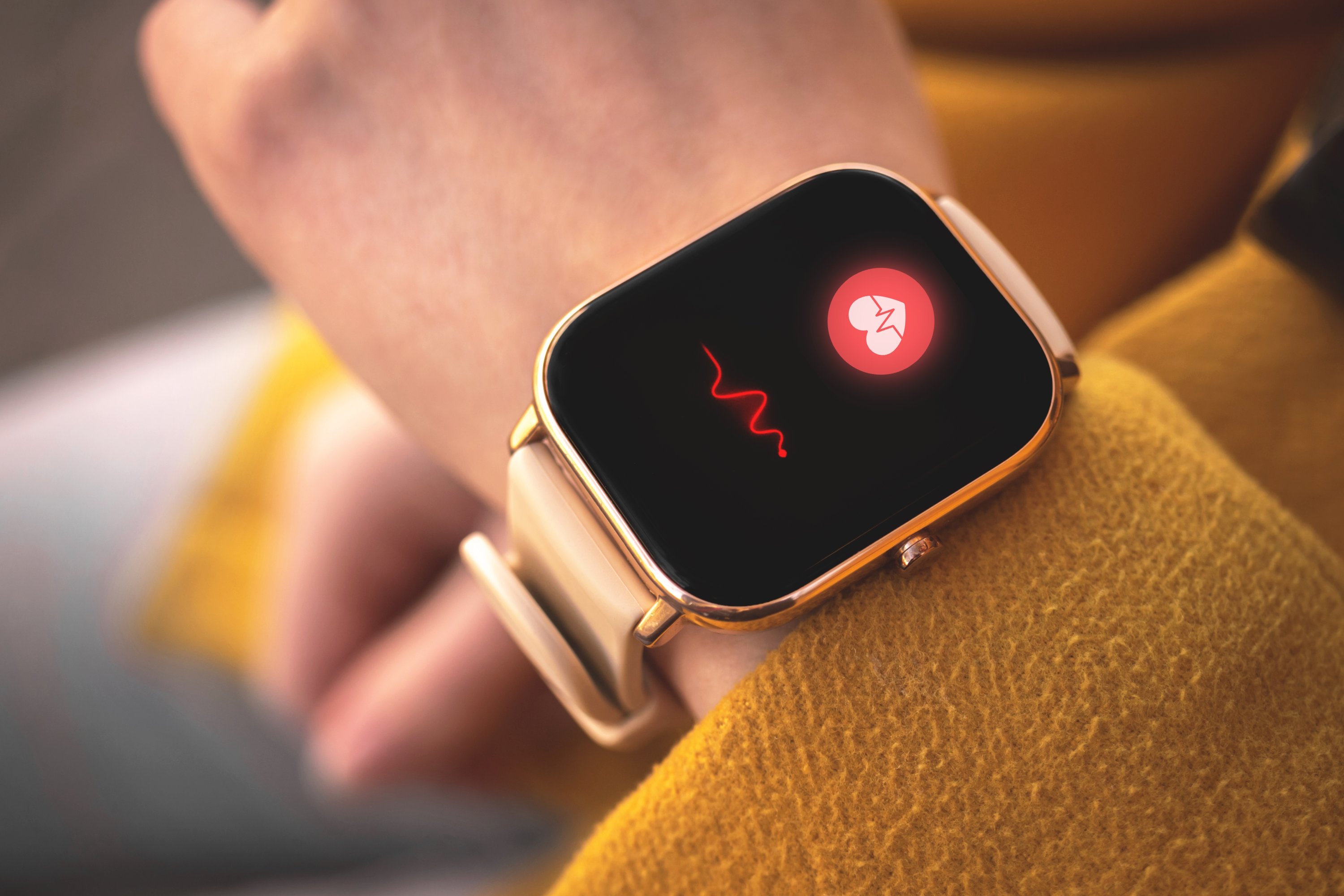
Wearable devices have come a long way from counting steps or heartbeats, with new tech offering the ability to track blood oxygenation, glucose levels and blood pressure, though its reliability remains a matter of debate. (Shutterstock Photo)
by Agence France-Presse - AFP Jan 09, 2025 12:47 pm

Wearable devices have come a long way from counting steps or heartbeats, with new tech offering the ability to track blood oxygenation, glucose levels and blood pressure, though its reliability remains a matter of debate.

Some of the most cutting-edge products were displayed this week at the Consumer Electronics Show (CES) in Las Vegas.

Almost 10 years since the debut of Apple Watch, the global market for "trackers" – watches, bracelets and other bands – is valued at around $60 billion, according to several firms and is expected to exceed $100 billion by the end of the 2020s.

"Before smartwatches, no one was thinking about heart rate monitoring," said Anna Barnacka, CEO and president of health tech startup MindMics.

"Today, everyone is quite aware of how important it is."

MindMics says it uses headphones and wave-based technology to offer a complete analysis of cardiac activity – including the condition and function of heart valves.

"You can look at your heart with the precision of a medical device," Barnacka said.

In clinical trials, Barnacka said the device captured a murmur in a patient with aortic stenosis, which is the narrowing of a heart valve.

Currently, diagnosing aortic stenosis requires multiple tests, including inserting a probe into an artery.

Another wearable product at CES is Stelo, by California-based startup DexCom, the first non-prescription wearable patch capable of continuously measuring blood sugar levels.

Such patches have typically been reserved for diabetics, but Stelo will be available even "if you have prediabetes, or if you're just interested in understanding how different food impacts your body," said DexCom chief operating officer Jake Leach.

The U.S. Centers for Disease Control and Prevention (CDC) estimates that 100 million Americans have prediabetes – elevated blood sugar levels that are below the threshold for diabetes.

"The vast majority of them don't know they have prediabetes because they haven't had the testing," Leach said.

Unstandardized regulations

Other latest-generation devices can detect sleep apnea, take blood pressure readings or report cardiac arrhythmia.

Still, some members of the medical and scientific community are skeptical about the data collected by these wearables.

"I'm sure some of these products are beneficial, so I don't want to sound like I'm doubting all of them, but the approval process is honestly pathetic," said Diana Zuckerman, president of the National Center for Health Research (NCHR).

This was a reference to the validation protocol of the U.S. Food and Drug Administration (FDA), which has authority on the subject.

Connected devices "are not tested as rigorously" as drugs, she said.

"The only way I could tell whether the data quality is improving is if it were being made publicly available in a way that somebody like me could evaluate," which is not generally the case, said Zuckerman.

Some, such as DexCom and MindMics, have nevertheless been the subject of independent studies by doctors and researchers, who have recognized their effectiveness for certain parameters.

Tammy Brady, a professor at Johns Hopkins University who specializes in hypertension in children, is cautious about the results produced by bracelets, watches and other connected rings.

"Ideally, it would be great to have blood pressure information for a growing number of people," she said, "but for the time being, they're too approximate to use reliably."

As a member of a committee on blood pressure monitors, Tammy Brady works with the International Organization for Standardization, the originator of the famous ISO standards.

"We hope that once ISO standards for cuffless blood pressure are set," she said, "it will help manufacturers and the FDA to test their reliability rigorously."


  • shortlink copied
  • Last Update: Jan 09, 2025 3:46 pm
    KEYWORDS
    wearable technology heart rate smart watch monitoring centers for disease control and prevention consumer electronics show
    The Daily Sabah Newsletter
    Keep up to date with what’s happening in Turkey, it’s region and the world.
    You can unsubscribe at any time. By signing up you are agreeing to our Terms of Use and Privacy Policy. This site is protected by reCAPTCHA and the Google Privacy Policy and Terms of Service apply.
    No Image
    Dereşuri horses: Historical Turkish breed finds new life in Iran
    PHOTOGALLERY
    • POLITICS
    • Diplomacy
    • Legislation
    • War On Terror
    • EU Affairs
    • News Analysis
    • TÜRKİYE
    • Istanbul
    • Education
    • Investigations
    • Minorities
    • Diaspora
    • World
    • Mid-East
    • Europe
    • Americas
    • Asia Pacific
    • Africa
    • Syrian Crisis
    • İslamophobia
    • Business
    • Automotive
    • Economy
    • Energy
    • Finance
    • Tourism
    • Tech
    • Defense
    • Transportation
    • News Analysis
    • Lifestyle
    • Health
    • Environment
    • Travel
    • Food
    • Fashion
    • Science
    • Religion
    • History
    • Feature
    • Expat Corner
    • Arts
    • Cinema
    • Music
    • Events
    • Portrait
    • Performing Arts
    • Reviews
    • Sports
    • Football
    • Basketball
    • Motorsports
    • Tennis
    • Opinion
    • Columns
    • Op-Ed
    • Reader's Corner
    • Editorial
    • Photo gallery
    • DS TV
    • Jobs
    • privacy
    • about us
    • contact us
    • RSS
    © Turkuvaz Haberleşme ve Yayıncılık 2021