Daily Sabah logo

Politics
Diplomacy Legislation War On Terror EU Affairs Elections News Analysis
TÜRKİYE
Istanbul Education Investigations Minorities Expat Corner Diaspora
World
Mid-East Europe Americas Asia Pacific Africa Syrian Crisis Islamophobia
Business
Automotive Economy Energy Finance Tourism Tech Defense Transportation News Analysis
Lifestyle
Health Environment Travel Food Fashion Science Religion History Feature Expat Corner
Arts
Cinema Music Events Portrait Reviews Performing Arts
Sports
Football Basketball Motorsports Tennis
Opinion
Columns Op-Ed Reader's Corner Editorial
PHOTO GALLERY
JOBS ABOUT US RSS PRIVACY CONTACT US
© Turkuvaz Haberleşme ve Yayıncılık 2026

Daily Sabah - Latest & Breaking News from Turkey | Istanbul

  • Politics
    • Diplomacy
    • Legislation
    • War On Terror
    • EU Affairs
    • Elections
    • News Analysis
  • TÜRKİYE
    • Istanbul
    • Education
    • Investigations
    • Minorities
    • Expat Corner
    • Diaspora
  • World
    • Mid-East
    • Europe
    • Americas
    • Asia Pacific
    • Africa
    • Syrian Crisis
    • Islamophobia
  • Business
    • Automotive
    • Economy
    • Energy
    • Finance
    • Tourism
    • Tech
    • Defense
    • Transportation
    • News Analysis
  • Lifestyle
    • Health
    • Environment
    • Travel
    • Food
    • Fashion
    • Science
    • Religion
    • History
    • Feature
    • Expat Corner
  • Arts
    • Cinema
    • Music
    • Events
    • Portrait
    • Reviews
    • Performing Arts
  • Sports
    • Football
    • Basketball
    • Motorsports
    • Tennis
  • Gallery
  • Opinion
    • Columns
    • Op-Ed
    • Reader's Corner
    • Editorial
  • TV
  • Life
  • Health
  • Environment
  • Travel
  • Food
  • Fashion
  • Science
  • Religion
  • History
  • Feature
  • Expat Corner

Study traces habitual drug use back 25,000 years in Indonesia

by Anadolu Agency

ISTANBUL Sep 10, 2026 - 5:24 pm GMT+3
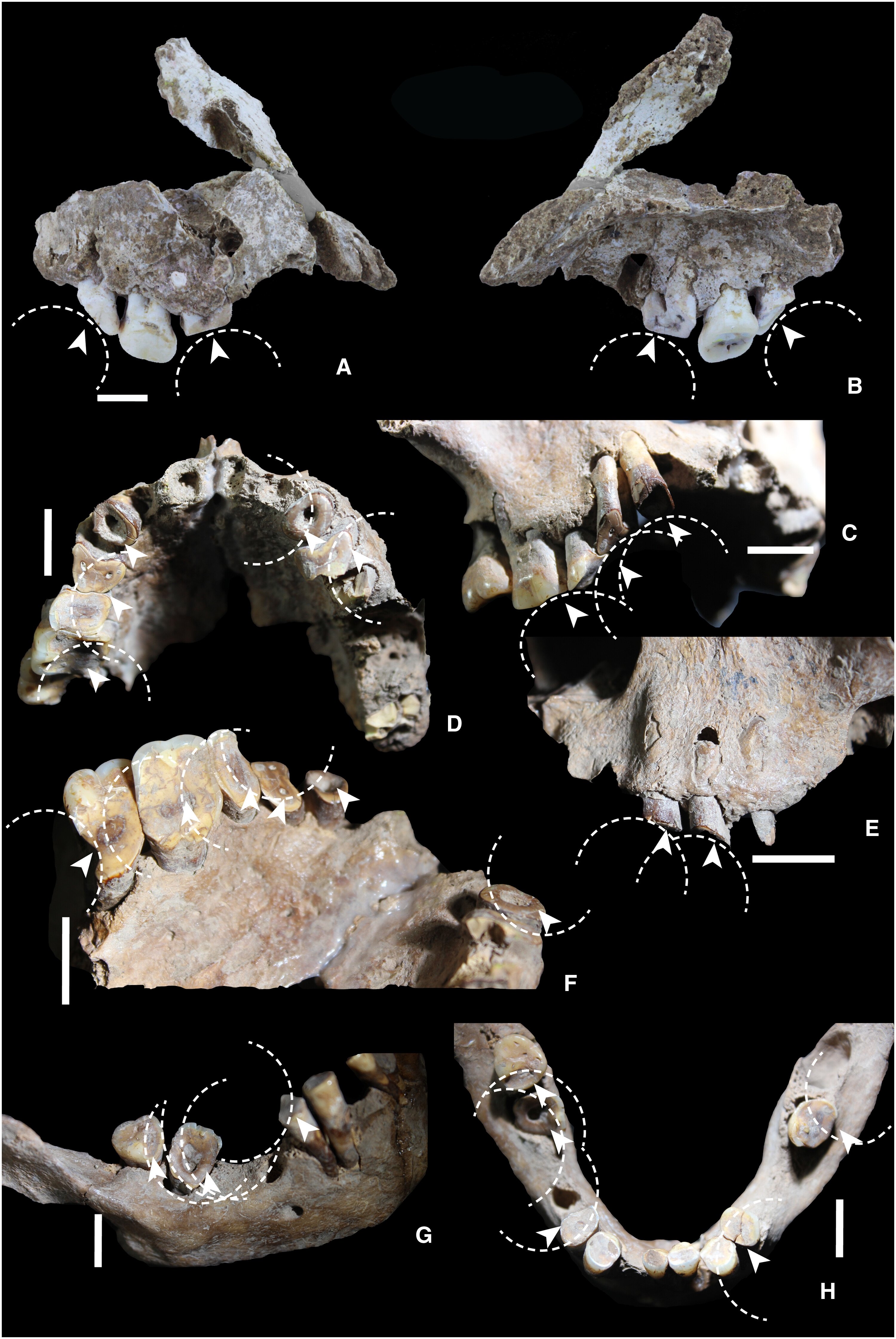
 Drug use-related dental wear in early Sulawesi foragers, in this undated file photo published as part of research. (Science Advances Journal Handout)
Drug use-related dental wear in early Sulawesi foragers, in this undated file photo published as part of research. (Science Advances Journal Handout)
by Anadolu Agency Sep 10, 2026 5:24 pm

Evidence of habitual drug use may date back as far as 25,000 years, when hunter-gatherers on the Indonesian island of Sulawesi regularly consumed betel nuts, according to a recent study.

Researchers examining ancient human remains found evidence consistent with the habitual sucking of betel nuts, which contain the psychoactive compound arecoline. The findings were published Wednesday in the journal Science Advances.

The discovery provides the earliest recorded evidence of the habitual use of a neuroactive plant drug, according to researchers.

The evidence comes from dental remains showing distinctive wear associated with repeatedly sucking whole betel nuts. Chemical analysis also detected arecoline in dental tissue, providing additional evidence that the individuals had consumed the nuts.

The researchers said the practice emerged as early as 25,000 years ago and continued into the Late Pleistocene, thousands of years before the emergence of agriculture.

Betel nut, also known as areca nut, comes from the areca palm and contains arecoline, a psychoactive substance that can produce stimulant effects. The nut is still widely consumed in parts of Asia and the Pacific, often as part of a preparation known as betel quid.

The researchers suggested that the ancient practice may have initially served a medicinal purpose.

Arecoline can have pain-relieving properties, while the ancient foragers studied generally had poor dental health. Sucking the hard nuts may therefore have provided temporary relief from toothache, said researchers.

Prolonged use, however, appears to have damaged the teeth. The abrasive nuts caused severe wear and, in some cases, exposed the inner pulp of teeth, potentially increasing pain and the risk of chronic infection.

The researchers said the findings suggest that habitual use of psychoactive substances was part of some hunter-gatherer societies long before farming and the development of settled communities.

The study does not establish when humans first used drugs, but identifies what researchers describe as the earliest known archaeological evidence of habitual use of a neuroactive plant drug.


  • shortlink copied
  • Last Update: Sep 10, 2026 6:57 pm
    KEYWORDS
    indonesia drugs betel nuts
    The Daily Sabah Newsletter
    Keep up to date with what’s happening in Turkey, it’s region and the world.
    You can unsubscribe at any time. By signing up you are agreeing to our Terms of Use and Privacy Policy. This site is protected by reCAPTCHA and the Google Privacy Policy and Terms of Service apply.
    No Image
    A look into Indonesia's oldest batik-producing region
    PHOTOGALLERY
    • POLITICS
    • Diplomacy
    • Legislation
    • War On Terror
    • EU Affairs
    • News Analysis
    • TÜRKİYE
    • Istanbul
    • Education
    • Investigations
    • Minorities
    • Diaspora
    • World
    • Mid-East
    • Europe
    • Americas
    • Asia Pacific
    • Africa
    • Syrian Crisis
    • İslamophobia
    • Business
    • Automotive
    • Economy
    • Energy
    • Finance
    • Tourism
    • Tech
    • Defense
    • Transportation
    • News Analysis
    • Lifestyle
    • Health
    • Environment
    • Travel
    • Food
    • Fashion
    • Science
    • Religion
    • History
    • Feature
    • Expat Corner
    • Arts
    • Cinema
    • Music
    • Events
    • Portrait
    • Performing Arts
    • Reviews
    • Sports
    • Football
    • Basketball
    • Motorsports
    • Tennis
    • Opinion
    • Columns
    • Op-Ed
    • Reader's Corner
    • Editorial
    • Photo gallery
    • DS TV
    • Jobs
    • privacy
    • about us
    • contact us
    • RSS
    © Turkuvaz Haberleşme ve Yayıncılık 2021