Daily Sabah logo

Politics
Diplomacy Legislation War On Terror EU Affairs Elections News Analysis
TÜRKİYE
Istanbul Education Investigations Minorities Expat Corner Diaspora
World
Mid-East Europe Americas Asia Pacific Africa Syrian Crisis Islamophobia
Business
Automotive Economy Energy Finance Tourism Tech Defense Transportation News Analysis
Lifestyle
Health Environment Travel Food Fashion Science Religion History Feature Expat Corner
Arts
Cinema Music Events Portrait Reviews Performing Arts
Sports
Football Basketball Motorsports Tennis
Opinion
Columns Op-Ed Reader's Corner Editorial
PHOTO GALLERY
JOBS ABOUT US RSS PRIVACY CONTACT US
© Turkuvaz Haberleşme ve Yayıncılık 2026

Daily Sabah - Latest & Breaking News from Turkey | Istanbul

  • Politics
    • Diplomacy
    • Legislation
    • War On Terror
    • EU Affairs
    • Elections
    • News Analysis
  • TÜRKİYE
    • Istanbul
    • Education
    • Investigations
    • Minorities
    • Expat Corner
    • Diaspora
  • World
    • Mid-East
    • Europe
    • Americas
    • Asia Pacific
    • Africa
    • Syrian Crisis
    • Islamophobia
  • Business
    • Automotive
    • Economy
    • Energy
    • Finance
    • Tourism
    • Tech
    • Defense
    • Transportation
    • News Analysis
  • Lifestyle
    • Health
    • Environment
    • Travel
    • Food
    • Fashion
    • Science
    • Religion
    • History
    • Feature
    • Expat Corner
  • Arts
    • Cinema
    • Music
    • Events
    • Portrait
    • Reviews
    • Performing Arts
  • Sports
    • Football
    • Basketball
    • Motorsports
    • Tennis
  • Gallery
  • Opinion
    • Columns
    • Op-Ed
    • Reader's Corner
    • Editorial
  • TV
  • Life
  • Health
  • Environment
  • Travel
  • Food
  • Fashion
  • Science
  • Religion
  • History
  • Feature
  • Expat Corner

Think before you pick: Experts warn about toxic summer plants

by Daily Sabah

Istanbul Jun 25, 2026 - 10:59 am GMT+3
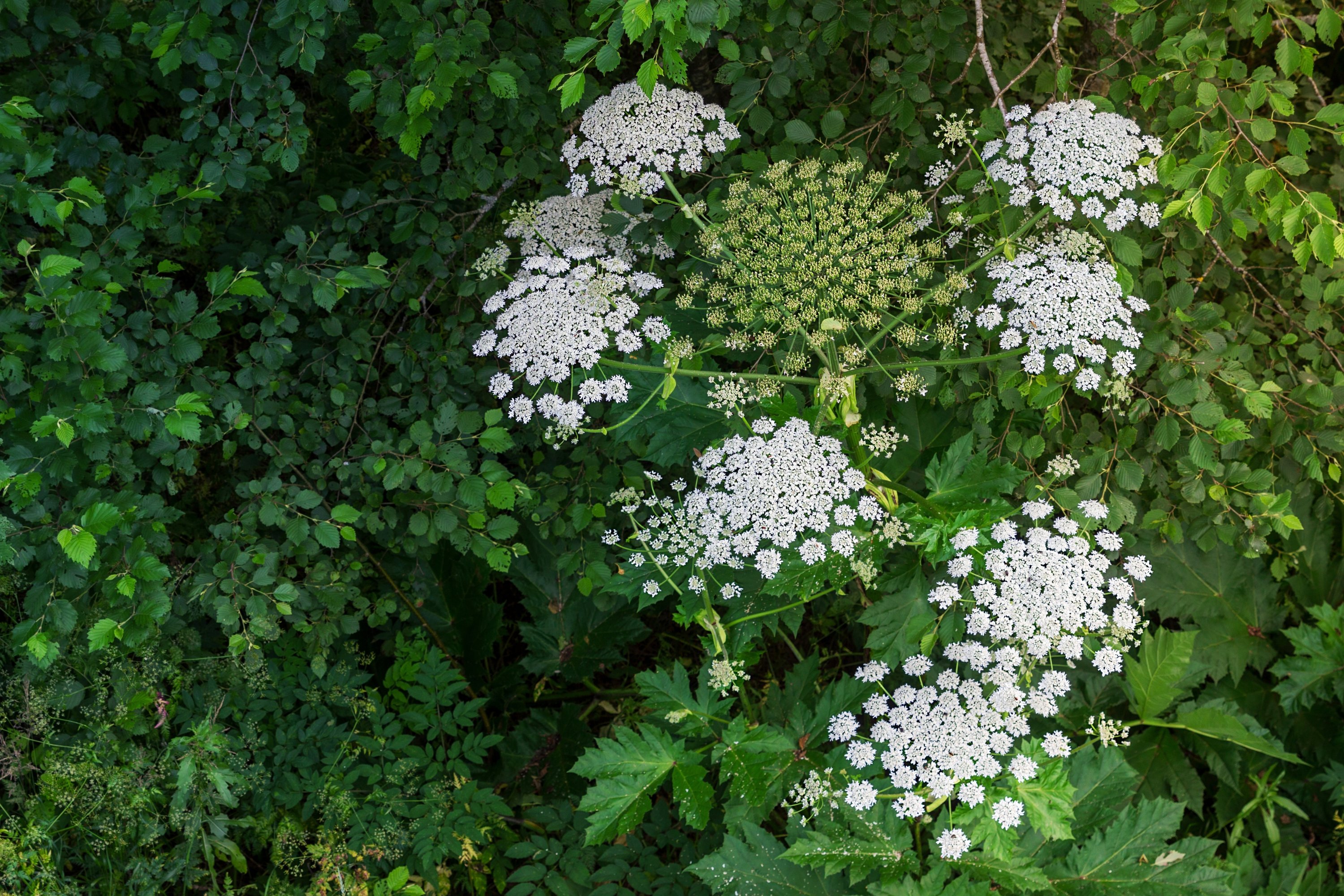
Common hogweed flowering in the forest. (Shutterstock Photo)
by Daily Sabah Jun 25, 2026 10:59 am

As summer brings people outdoors to parks, gardens and hiking trails, experts are warning that several common wild plants can pose serious health risks, ranging from severe skin burns to potentially fatal poisoning.

Many of these plants appear harmless and are commonly found along roadsides, in meadows and wooded areas. However, contact with some species can cause significant injuries, while accidental ingestion of others may lead to life-threatening complications.

Among the plants drawing particular concern are members of the hogweed family. Giant hogweed, known for its large white umbrella-shaped flowers, contains sap that makes the skin extremely sensitive to sunlight. When exposed to ultraviolet rays, affected areas can develop painful burns, blistering and, in severe cases, permanent scarring. Common hogweed, a smaller relative often found in fields and along roadsides, can trigger similar reactions and is also considered highly toxic to pets.

Experts also caution against direct contact with stinging nettle, a widespread plant covered with tiny hairs that release irritating chemicals when touched. Exposure can cause intense itching, redness and a burning sensation that may last for several hours.

Other species present an even greater danger if consumed. Poison hemlock, which can be identified by reddish-purple markings on its stem, contains powerful toxins capable of causing paralysis and respiratory failure. Deadly nightshade, whose glossy black berries can be mistaken for edible wild fruit, is highly poisonous in all parts of the plant.

Bittersweet nightshade, recognizable by its purple flowers and bright red berries, may also cause severe gastrointestinal poisoning if ingested. Likewise, thorn apple, also known as jimsonweed, produces trumpet-shaped flowers and spiny seed pods but contains toxic compounds throughout the plant that can be fatal when consumed.

Experts recommend wearing thick gloves and long-sleeved clothing when removing wild plants from gardens or yards. They also urge parents to ensure children do not pick or eat unfamiliar berries or plants while visiting parks, forests or other outdoor areas.


  • shortlink copied
  • Last Update: Jun 25, 2026 1:59 pm
    KEYWORDS
    summer garden wild plants poisonous parks
    The Daily Sabah Newsletter
    Keep up to date with what’s happening in Turkey, it’s region and the world.
    You can unsubscribe at any time. By signing up you are agreeing to our Terms of Use and Privacy Policy. This site is protected by reCAPTCHA and the Google Privacy Policy and Terms of Service apply.
    No Image
    Majestic falcon training in Liwa desert
    PHOTOGALLERY
    • POLITICS
    • Diplomacy
    • Legislation
    • War On Terror
    • EU Affairs
    • News Analysis
    • TÜRKİYE
    • Istanbul
    • Education
    • Investigations
    • Minorities
    • Diaspora
    • World
    • Mid-East
    • Europe
    • Americas
    • Asia Pacific
    • Africa
    • Syrian Crisis
    • İslamophobia
    • Business
    • Automotive
    • Economy
    • Energy
    • Finance
    • Tourism
    • Tech
    • Defense
    • Transportation
    • News Analysis
    • Lifestyle
    • Health
    • Environment
    • Travel
    • Food
    • Fashion
    • Science
    • Religion
    • History
    • Feature
    • Expat Corner
    • Arts
    • Cinema
    • Music
    • Events
    • Portrait
    • Performing Arts
    • Reviews
    • Sports
    • Football
    • Basketball
    • Motorsports
    • Tennis
    • Opinion
    • Columns
    • Op-Ed
    • Reader's Corner
    • Editorial
    • Photo gallery
    • DS TV
    • Jobs
    • privacy
    • about us
    • contact us
    • RSS
    © Turkuvaz Haberleşme ve Yayıncılık 2021