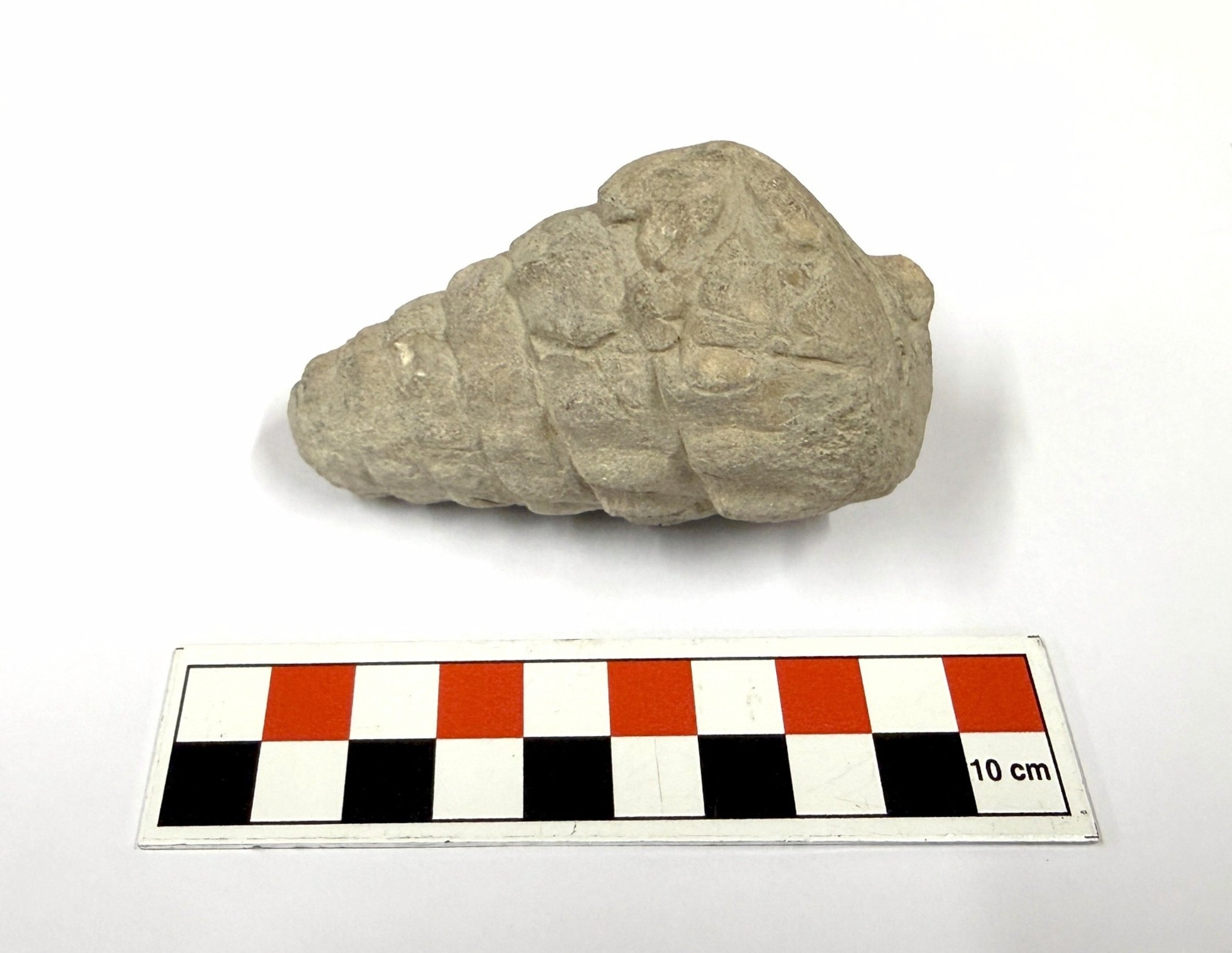
Türkiye’s Culture and Tourism Minister Mehmet Nuri Ersoy said a Gastropoda fossil discovered during excavations at Külhöyük in Ankara’s Gölbaşı district dates back 66 million years, when the creature lived along the shores of the Tethys Sea.
In a statement shared on social media, Ersoy said the discovery offered a glimpse into Ankara’s natural history stretching back millions of years.
The fossil was found at Külhöyük, a 5,000-year-old Hatti and Hittite settlement. Ersoy said researchers believe it dates to the final stages of the Tethys Sea, which began forming about 250 million years ago and once covered parts of Central Anatolia.
“What makes the discovery even more remarkable is the possibility that the fossil was brought to the settlement by Külhöyük’s inhabitants thousands of years ago,” Ersoy said.
The discovery comes days after archaeologists found what are believed to be the oldest known seed remains of the Love Flower in a 4,000-year-old Hittite vessel at Külhöyük.
The gastropod fossil found at the Külhöyük excavation site is believed to belong to a gastropod snail that lived along the shores of the Tethys Sea 66 million years ago.
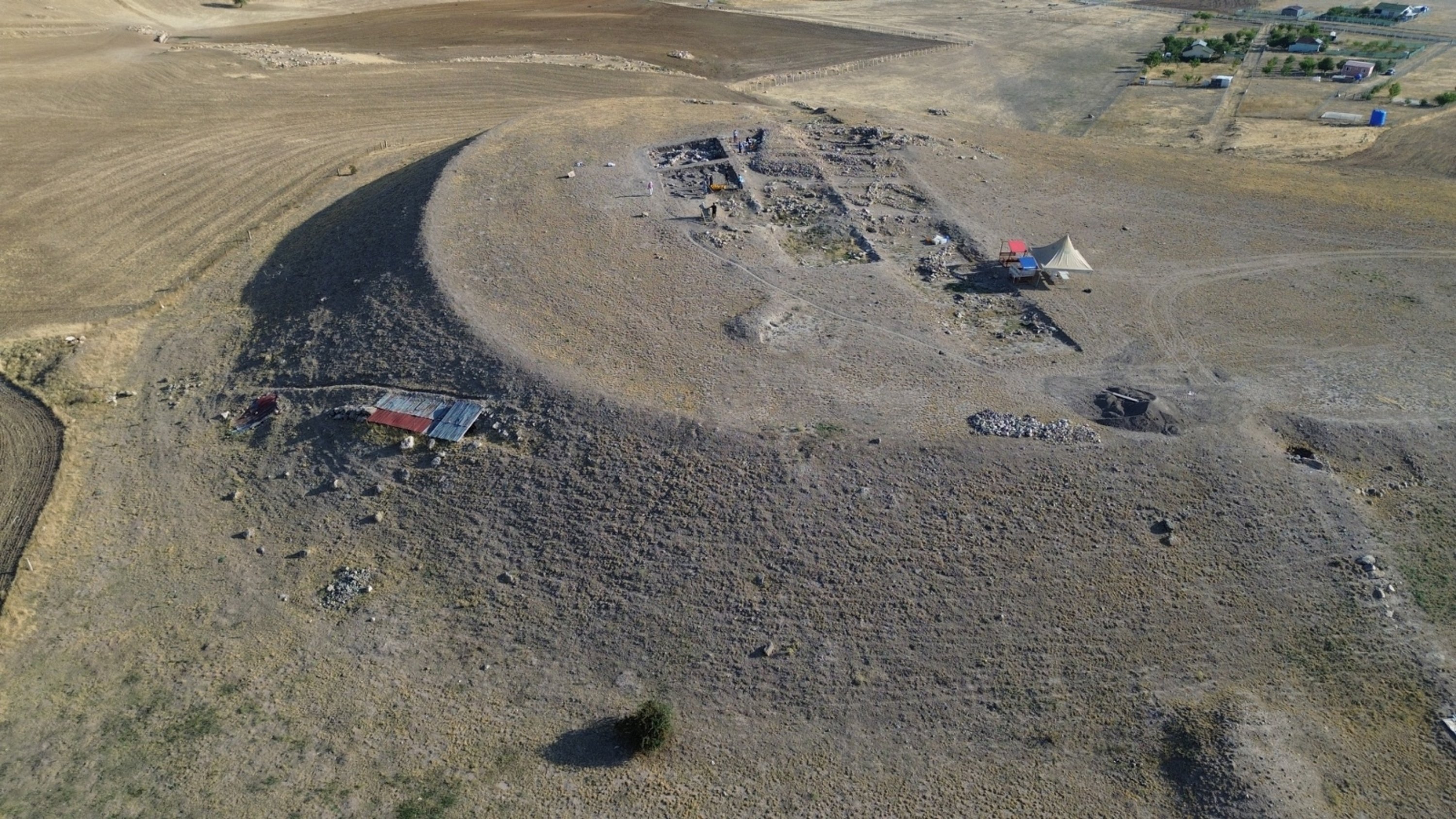
Researchers believe the fossil dates to the sea’s final stages. The Tethys Sea began forming approximately 250 million years ago and covered areas including Central Anatolia.
The fossil’s discovery at the 5,000-year-old Hatti and Hittite settlement raises the possibility that Külhöyük’s inhabitants transported it there thousands of years ago.
If confirmed, the theory could open a new line of research into how a natural formation millions of years old ended up in the living area of the settlement much later.
Archaeological excavations at Külhöyük have been carried out since 2021 by the Ministry of Culture and Tourism and Ankara University, under the leadership of associate professor Derya Yılmaz Tekin.
Külhöyük, where significant findings about Ankara’s archaeological past have been uncovered, is now offering a glimpse into a history that predates humanity by millions of years.