Daily Sabah logo

Politics
Diplomacy Legislation War On Terror EU Affairs Elections News Analysis
TÜRKİYE
Istanbul Education Investigations Minorities Expat Corner Diaspora
World
Mid-East Europe Americas Asia Pacific Africa Syrian Crisis Islamophobia
Business
Automotive Economy Energy Finance Tourism Tech Defense Transportation News Analysis
Lifestyle
Health Environment Travel Food Fashion Science Religion History Feature Expat Corner
Arts
Cinema Music Events Portrait Reviews Performing Arts
Sports
Football Basketball Motorsports Tennis
Opinion
Columns Op-Ed Reader's Corner Editorial
PHOTO GALLERY
JOBS ABOUT US RSS PRIVACY CONTACT US
© Turkuvaz Haberleşme ve Yayıncılık 2025

Daily Sabah - Latest & Breaking News from Turkey | Istanbul

  • Politics
    • Diplomacy
    • Legislation
    • War On Terror
    • EU Affairs
    • Elections
    • News Analysis
  • TÜRKİYE
    • Istanbul
    • Education
    • Investigations
    • Minorities
    • Expat Corner
    • Diaspora
  • World
    • Mid-East
    • Europe
    • Americas
    • Asia Pacific
    • Africa
    • Syrian Crisis
    • Islamophobia
  • Business
    • Automotive
    • Economy
    • Energy
    • Finance
    • Tourism
    • Tech
    • Defense
    • Transportation
    • News Analysis
  • Lifestyle
    • Health
    • Environment
    • Travel
    • Food
    • Fashion
    • Science
    • Religion
    • History
    • Feature
    • Expat Corner
  • Arts
    • Cinema
    • Music
    • Events
    • Portrait
    • Reviews
    • Performing Arts
  • Sports
    • Football
    • Basketball
    • Motorsports
    • Tennis
  • Gallery
  • Opinion
    • Columns
    • Op-Ed
    • Reader's Corner
    • Editorial
  • TV
  • Life
  • Health
  • Environment
  • Travel
  • Food
  • Fashion
  • Science
  • Religion
  • History
  • Feature
  • Expat Corner

Centuries of drought, not war, doomed Indus civilization

by Anadolu Agency

ISTANBUL Dec 02, 2025 - 12:42 pm GMT+3
Edited By Ayşe Sena Aykın
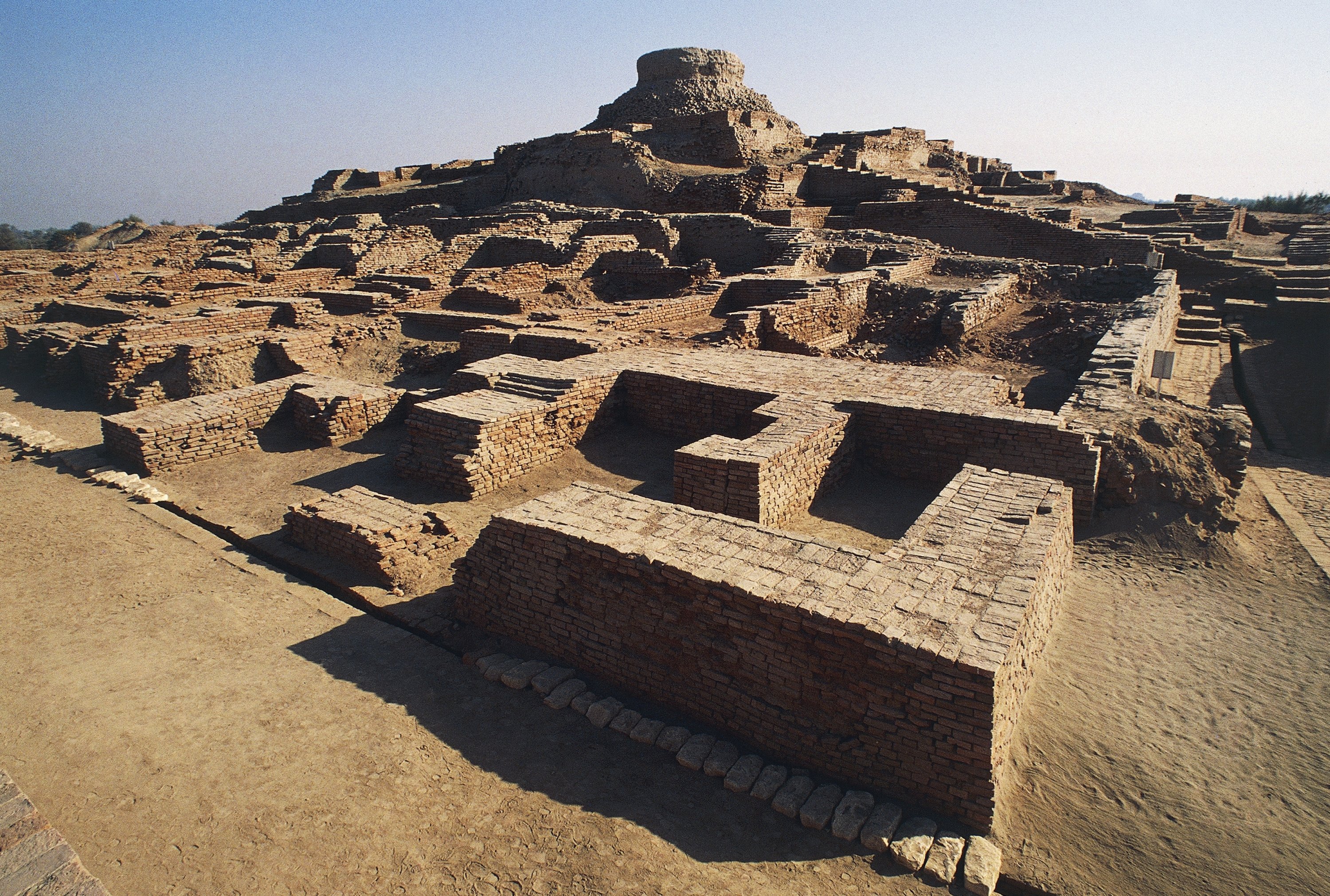
Ruins of the archaeological site of Harappa, Indus Valley civilization, Punjab, Pakistan. (Getty Images)
by Anadolu Agency Dec 02, 2025 12:42 pm
Edited By Ayşe Sena Aykın

A new scientific study suggests that the sudden collapse of the ancient Indus River Valley civilization, known for its advanced urban planning, brick buildings, early plumbing systems and vibrant trade networks, was driven not by warfare or political upheaval but by a series of prolonged and intensifying droughts.

The Indus civilization, centered in present-day Pakistan and northwest India, flourished between 3300 and 1300 B.C., rivaling Mesopotamia and ancient Egypt in sophistication.

Yet, cities like Harappa eventually declined and were abandoned, leaving behind one of history’s enduring mysteries.

In research published Thursday in the scientific journal Communications Earth & Environment, an international team reconstructed the region’s ancient climate using paleoclimate evidence from caves, lakes and climate models.

They found four severe droughts, each lasting more than 85 years, that gradually reduced rainfall, dried up rivers and parched soils.

"The most surprising finding is that the Harappan decline was driven not by a single catastrophic event but by repeated, long and intensifying river droughts lasting centuries," lead author Hiren Solanki said, according to The Washington Post.

Co-author Balaji Rajagopalan said food shortages and weak governance likely compounded the effects of these droughts, pushing communities "more and more toward decline and dispersal.”

Despite these pressures, the Indus society persisted for centuries, adapting by changing crops, shifting settlements and diversifying trade networks.

"The Harappans switched crops, diversified their trade and relocated settlements to make them more resilient to climate change,” Solanki noted, adding that their strategies carry important lessons for today’s warming world.

The study shows that early on, robust monsoons, linked to cooler tropical Pacific temperatures, created unusually wet conditions that fueled the civilization’s growth.

As the Pacific warmed in later centuries, rainfall weakened and temperatures rose. The most intense drought, peaking around 1733 B.C., lasted about 164 years and cut rainfall by 13% across nearly the entire region.

Hydrologic modeling used in the study revealed shrinking lakes, reduced river flow and drying soils.

"That means you cannot move your boats and barges ... You might have to find deeper parts of the river," Rajagopalan said.

Agriculture also suffered in inland areas far from major waterways.

Liviu Giosan, a geoscientist not involved in the research, praised the study as a major advance in understanding the climate’s role in shaping early civilizations, noting it synthesizes data at an unprecedented scale.

"There are surprises, such as how droughts influenced settlement location choice in the Indus territory,” he said, adding: "It is remarkable that they survived so long under repeated climate crises.”

Researchers caution against drawing direct parallels to the modern era, though India and Pakistan are also experiencing rising temperatures.

Rajagopalan underlined the importance of understanding how the tropical Pacific will respond to global warming.

"One of the big million-dollar questions is, under a warmer climate, what is the tropical Pacific going to do?" he added.


  • shortlink copied
  • Last Update: Dec 02, 2025 3:41 pm
    KEYWORDS
    indus valley civilization drought mesopotamia
    The Daily Sabah Newsletter
    Keep up to date with what’s happening in Turkey, it’s region and the world.
    You can unsubscribe at any time. By signing up you are agreeing to our Terms of Use and Privacy Policy. This site is protected by reCAPTCHA and the Google Privacy Policy and Terms of Service apply.
    No Image
    Herding, capturing and shearing of vicunas in Bolivia
    PHOTOGALLERY
    • POLITICS
    • Diplomacy
    • Legislation
    • War On Terror
    • EU Affairs
    • News Analysis
    • TÜRKİYE
    • Istanbul
    • Education
    • Investigations
    • Minorities
    • Diaspora
    • World
    • Mid-East
    • Europe
    • Americas
    • Asia Pacific
    • Africa
    • Syrian Crisis
    • İslamophobia
    • Business
    • Automotive
    • Economy
    • Energy
    • Finance
    • Tourism
    • Tech
    • Defense
    • Transportation
    • News Analysis
    • Lifestyle
    • Health
    • Environment
    • Travel
    • Food
    • Fashion
    • Science
    • Religion
    • History
    • Feature
    • Expat Corner
    • Arts
    • Cinema
    • Music
    • Events
    • Portrait
    • Performing Arts
    • Reviews
    • Sports
    • Football
    • Basketball
    • Motorsports
    • Tennis
    • Opinion
    • Columns
    • Op-Ed
    • Reader's Corner
    • Editorial
    • Photo gallery
    • DS TV
    • Jobs
    • privacy
    • about us
    • contact us
    • RSS
    © Turkuvaz Haberleşme ve Yayıncılık 2021