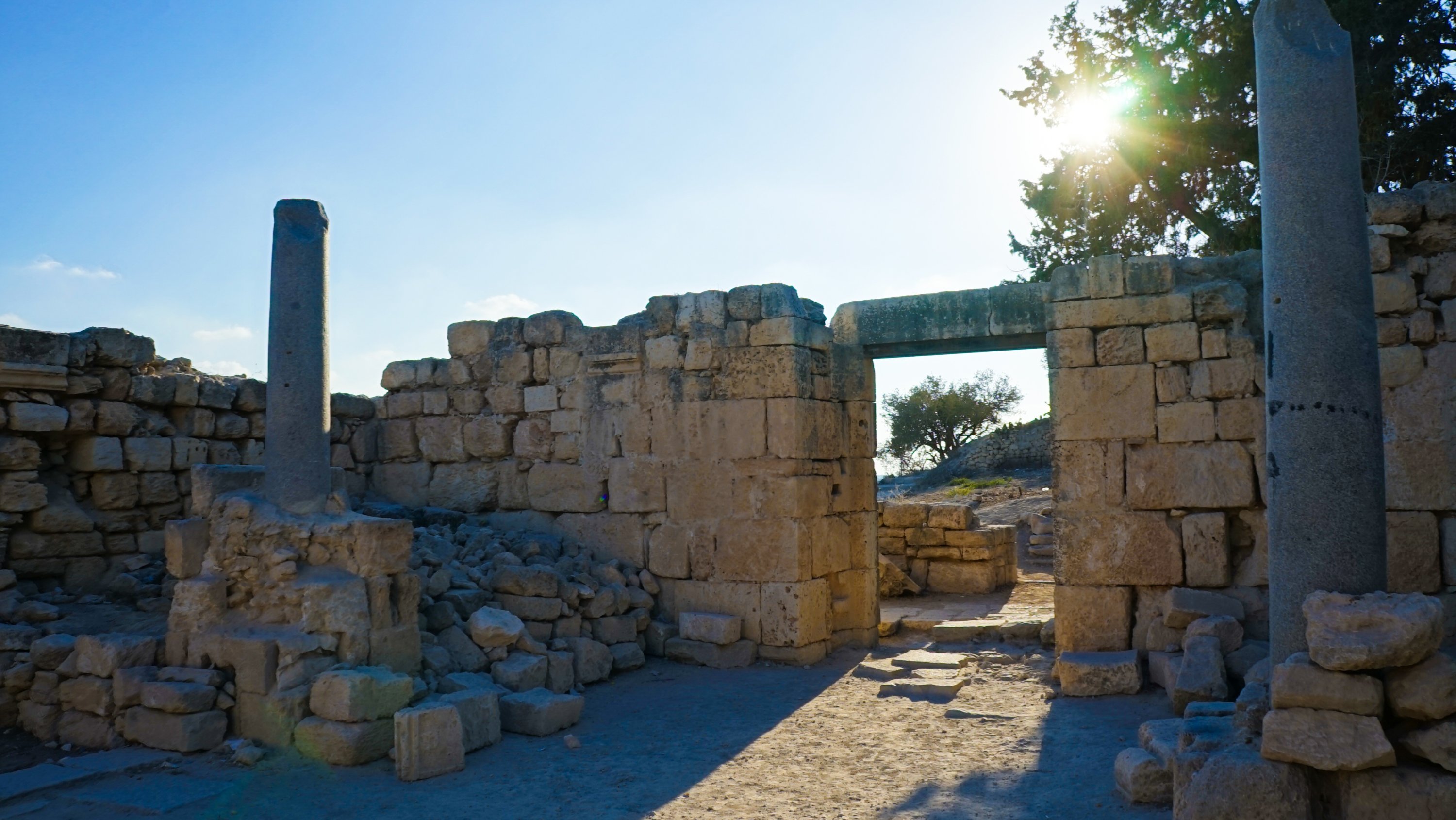
The Palestinian Foreign Ministry on Wednesday accused Israel of "stealing artifacts” from the Sebastia archeological site in the northern occupied West Bank in an effort to alter its features and identity.
The ministry said Israeli authorities were carrying out excavation and land-clearing work at archaeological sites in Sebastia, including bringing heavy machinery into the area around the Roman theater and excavating parts of the site.
The work also includes "stealing its artifacts,” the ministry said, adding that signs bearing the name "Samaria Park” had been placed at the archaeological site.
The ministry described the actions as a "flagrant violation of international law and an attempt to annex the occupied West Bank and impose colonial facts” at one of Palestine’s most prominent heritage sites.
It warned of threats facing Sebastia, particularly after the town was placed on UNESCO’s World Heritage in Danger List, saying the designation underscored the urgent need to protect the site.
The ministry said the excavation and land-clearing work violated Israel’s obligations as an occupying power under international humanitarian law, which requires the protection of cultural property and prohibits its exploitation or alteration for purposes related to occupation.
It also said the actions violated the 1954 Hague Convention for the Protection of Cultural Property in the Event of Armed Conflict and the 1972 World Heritage Convention.
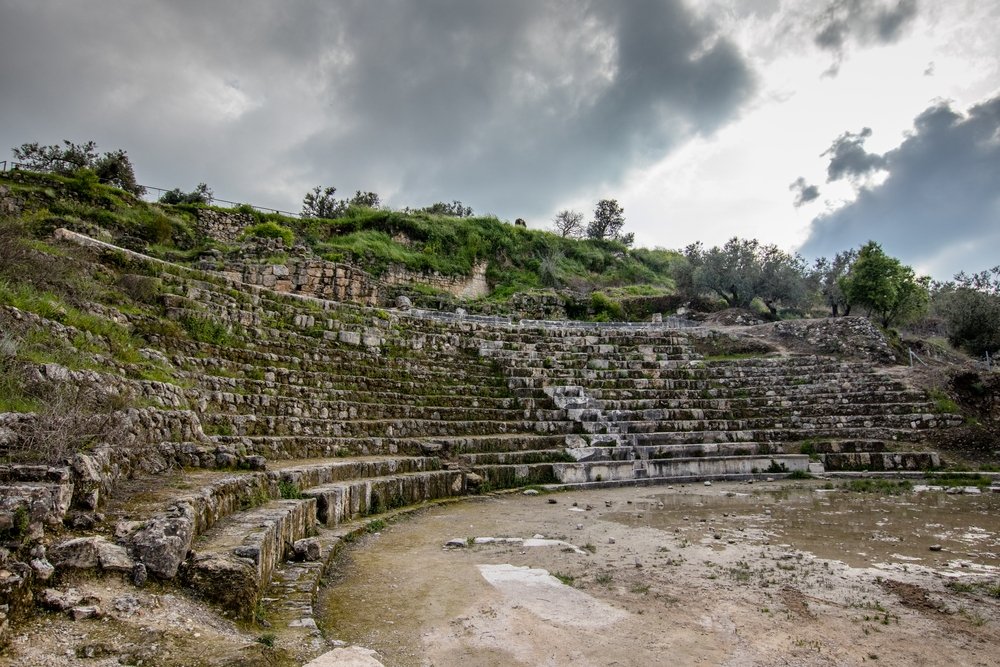
"Plundering Palestinian artifacts or distorting them or changing their significance,” said the ministry, "constitutes an attack on Palestinian presence and world heritage, and an attempt to control the site and erase its historical identity."
It urged UNESCO, the World Heritage Committee, international organizations and the international community to take urgent action to halt excavation, land-clearing and tampering at the site, as well as the "theft of artifacts.”
The ministry also demanded measures to protect the site and preserve its authenticity and integrity, while preventing any projects that could undermine its outstanding universal value.
It urged the adoption of "concrete” measures to stop what it described as the looting of Palestinian cultural heritage and to hold Israel accountable for violations.
The ministry said protecting Palestinian heritage requires effective measures on the ground, an end to the occupation and allowing the State of Palestine to exercise sovereignty over its land, resources and heritage.
Sebastia, northwest of Nablus, contains a historic archaeological site considered one of the most prominent in the West Bank.