Archaeologists excavating in the world-famous Temple of Artemis in Izmir have uncovered an extraordinary 1,200-year-old Byzantine grave containing premature twin infants. The burial and a rare anatomical anomaly identified in one of the babies, is offering new insights into infant mortality and genetics in the medieval period.
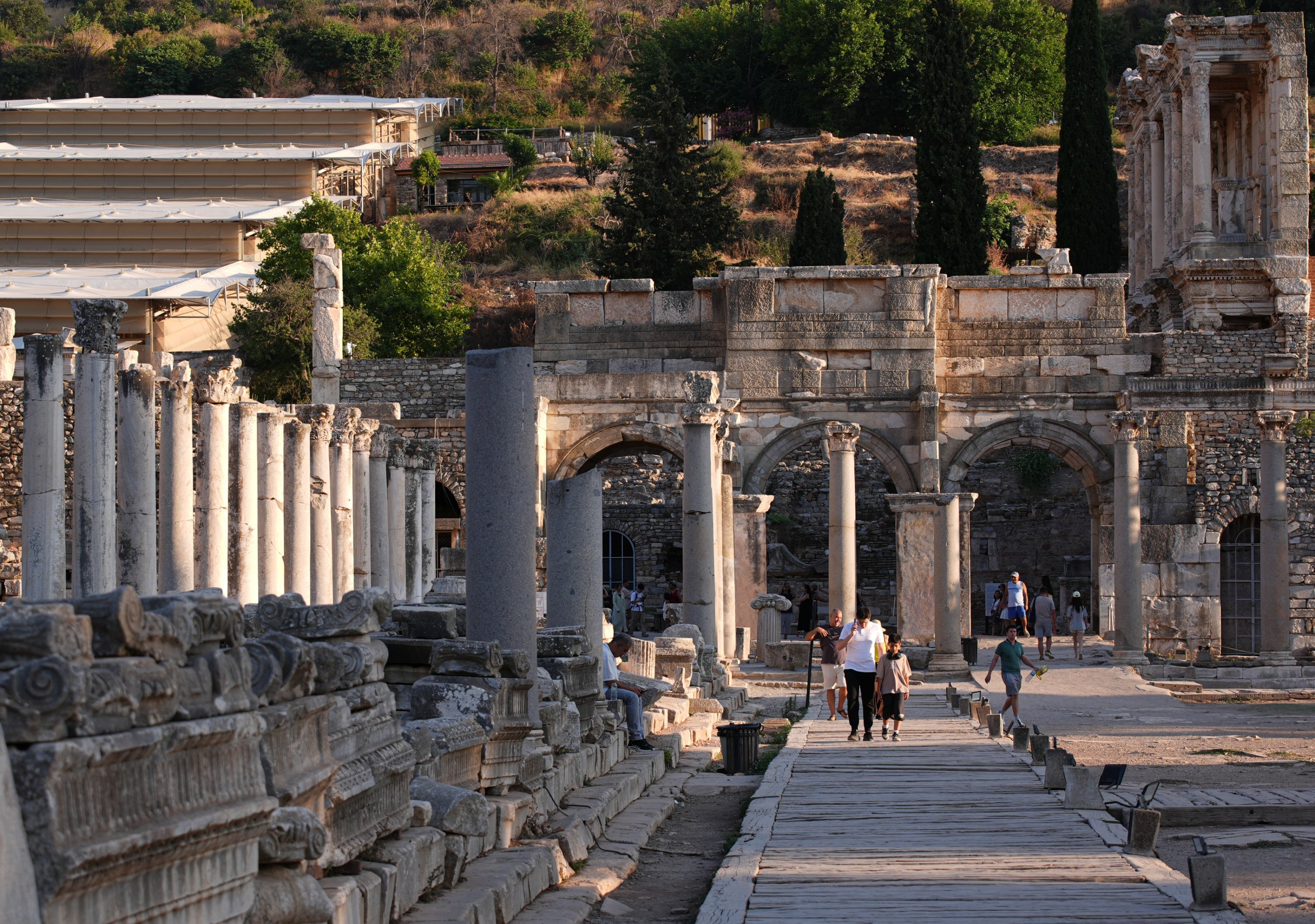
According to Live Science, the discovery was made during excavations near the Temple of Artemis at the ancient city of Ephesus, one of the Seven Wonders of the Ancient World. Within the sanctuary, archaeologists uncovered an unusual grave unlike any previously found at the site.
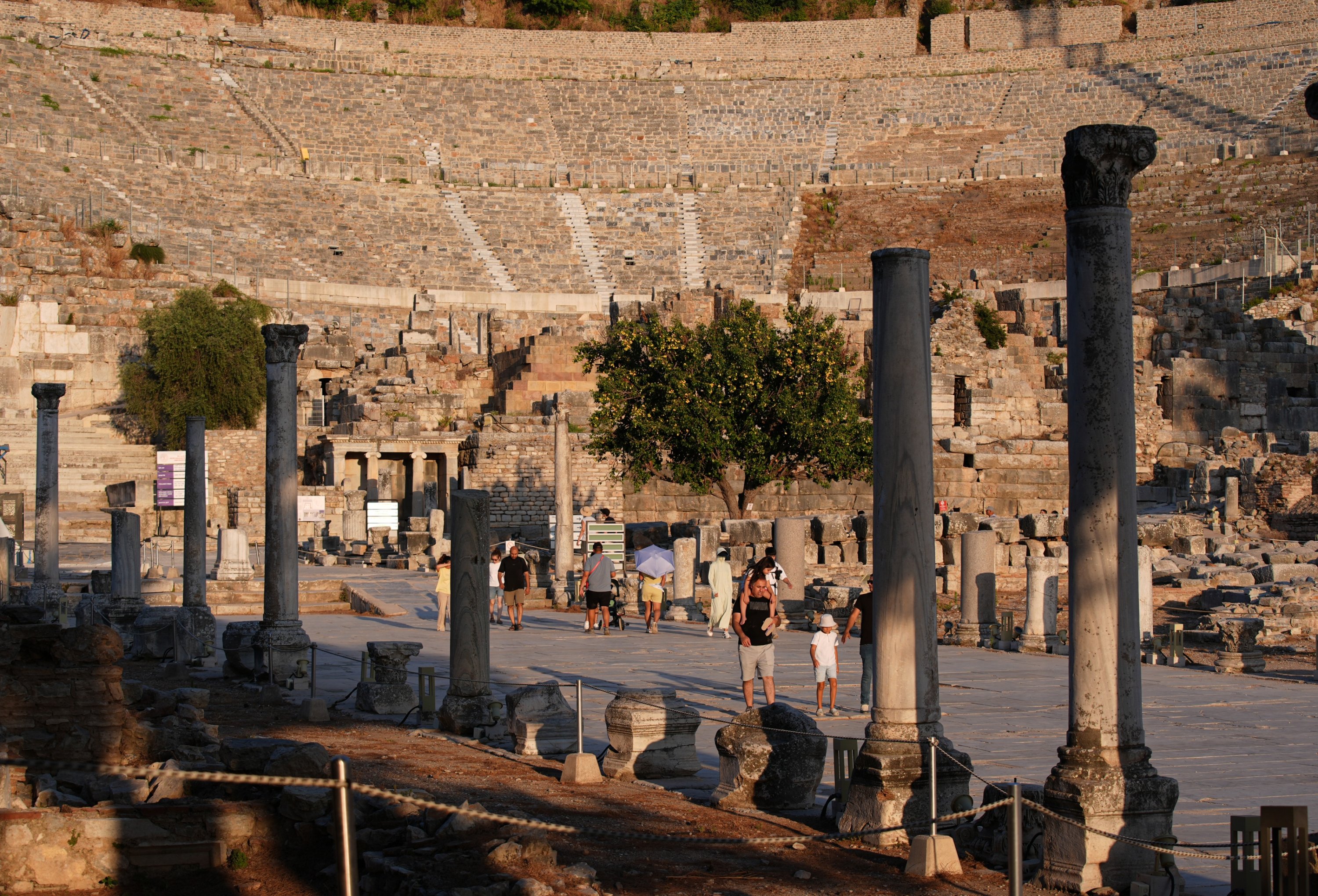
One of the most striking aspects of the find is the grave's location. The twins were buried inside the channel of an abandoned Roman latrine dating to the second or third century A.D. The latrine had been added to a Roman odeum, originally built in the first century A.D. for musical performances within the sanctuary of the Temple of Artemis.
According to a study published in the journal Childhood in the Past, the stone-lined grave dates to the Middle Byzantine period, around the eighth or ninth century A.D. By examining the size of the skeletal remains, researchers determined that the infants were born prematurely at approximately 33 to 34 weeks of gestation.
The international research team, led by archaeologist Lilli Zabrana of the Austrian Academy of Sciences and bioarchaeologist Caroline Partiot, concluded that the infants were almost certainly twins. Their identical age at death and the fact that they were buried in direct contact strongly support this interpretation.
While examining the skeletons for signs of disease or trauma, researchers identified an exceptionally rare anatomical feature: a supernumerary cervical rib, an extra rib growing from the neck. The hereditary condition occurs in roughly 1% of the population.
Partiot said the cervical rib is associated with abnormalities affecting Hox genes, which regulate body development during embryonic growth. Such developmental anomalies have been linked to stillbirth, premature birth and sudden infant death syndrome.
In their report, the researchers noted that no archaeological case of twins with cervical ribs has previously been documented, making the discovery unique in the fields of archaeology, paleopathology and the history of medicine.
No remains believed to belong to the infants' mother were found at the excavation site or in Ephesus' cemeteries. Researchers say it is possible she died during or shortly after childbirth, but caution that maternal and infant mortality rates were high at the time, making it impossible to draw firm conclusions.
The stone-built cist grave and the excellent preservation of the skeletons indicate the infants were deliberately and respectfully buried rather than discarded.
"This is clearly not the disposal of human remains, but a respectful burial," archaeologist Lilli Zabrana said.
According to the researchers, the burial reflects the care and compassion shown by a family who lost their children 1,200 years ago, demonstrating that the infants were recognized as valued members of their community despite the hardships of the era.
The quiet grave, discovered in the shadow of the Temple of Artemis, stands as a poignant reminder of one of humanity's oldest experiences: the grief of losing a child.