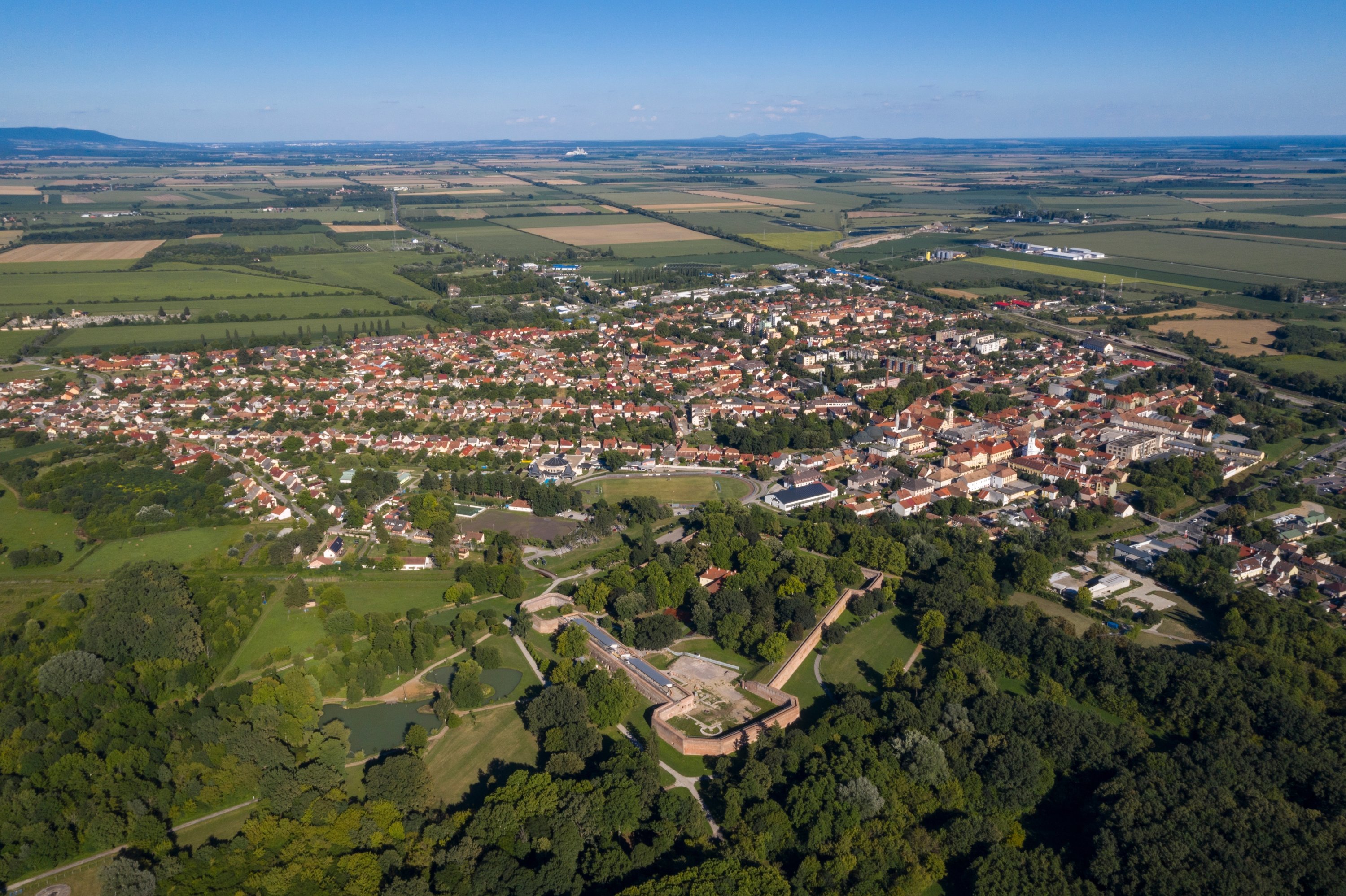
Archaeological research near Hungary’s Szigetvar Castle has revealed that an Ottoman settlement surrounding the mausoleum of Suleiman the Magnificent was larger and wealthier than previously thought. The site marks the area where the Ottoman sultan is widely believed to have died during his final military campaign in 1566.
The 460th anniversary of Süleyman’s death during the siege of Szigetvar Castle on the night of Sept. 6-7, 1566, has once again drawn attention to his final campaign and the Ottoman remains uncovered in the area.
Research conducted by the University of Pecs in Hungary across the wider area surrounding the mausoleum complex in 2024 and 2025 has provided new insights into the size, structure and daily life of the Ottoman settlement known as “Turbek.”
Ottoman-era artifacts of varying density were discovered spread across an area of approximately 80 hectares, indicating that the settlement was larger and wealthier than previously believed.
Suleiman, the longest-reigning sultan in Ottoman history with a reign of nearly 46 years, left Istanbul on May 1, 1566, for his 13th and final campaign.
Despite his advanced age and illness, Suleiman remained at the head of his army. During the siege, his imperial tent was set up on a hill overlooking Szigetvar Castle, where the mausoleum site is believed to be located.
Suleiman died in his tent on the night of Sept. 6-7. The Castle fell under Ottoman control shortly after the sultan’s death.
According to historical sources, Suleiman’s death was kept secret by his inner circle to prevent a decline in the army’s morale and to ensure a smooth succession to his son, Selim II.
Accounts say his internal organs were removed to prevent the deterioration of his body, which was treated with ambergris and musk, while his coffin was temporarily buried beneath the throne in his imperial tent.
According to some historical sources and the widely accepted account, his internal organs were buried separately at the site where the tent had stood.
His body was reportedly exhumed about 42 days later and placed in a carriage for the return journey. Along the way, those accompanying the procession acted as though the sultan were still alive. His death was officially announced only after Selim II arrived in Belgrade.
By order of Selim II, a mausoleum was built at the site of Suleiman's death and where his internal organs were buried.
Over time, the mausoleum became an important place of pilgrimage, with structures including a mosque, a dervish lodge, a guesthouse and guards’ barracks built around it. The complex was protected by a wooden palisade and defensive structures, while a civilian settlement developed nearby.
The settlement of “Turbek” was destroyed as Ottoman rule in the region came to an end. As its buildings were demolished and the area gradually turned into vineyards and gardens, the settlement’s exact location was forgotten.
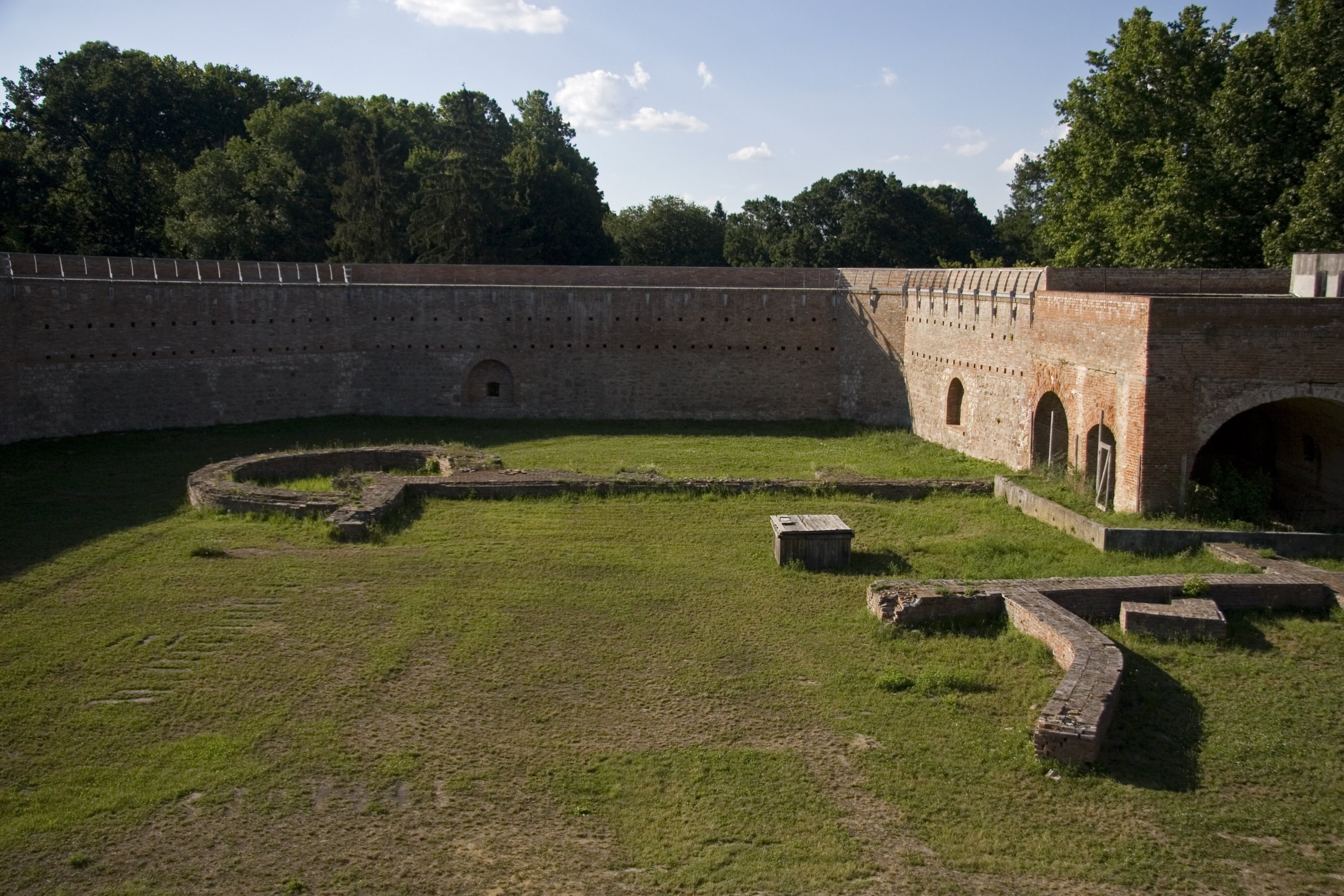
Modern efforts to locate Suleiman’s mausoleum began after an agreement was signed in 2012 between the Turkish Cooperation and Coordination Agency (TİKA) and the municipality of Szigetvar.
An interdisciplinary team led by professor Norbert Pap of the University of Pecs examined historical documents, maps, land records and a 1664 plan of the mausoleum complex.
The research determined that the original mausoleum site was located on Grape Hill in the Turbek-Zsibot area, about 4.2 kilometers (2.6 miles) northeast of Szigetvar Castle.
Excavations launched in the area in 2015 uncovered a square-plan structure that researchers identified as the mausoleum built in Suleiman’s name.
Turkish and Hungarian researchers led by the University of Pecs conducted surface surveys and geophysical investigations across the wider area surrounding the mausoleum complex in 2024 and 2025, using modern surveying equipment.
Everyday objects, ceramics, coins, jewelry and examples of Ottoman metalwork were found around the structures, some of which were built of brick and covered with roof tiles.
Excavations also uncovered a well and large storage pits. The pits contained grain remains, terracotta fragments from heating systems, footed bowls, fragments of porcelain cups and pieces of painted glass vessels.
The discoveries also included a rare 16th-century gold coin, a silver coin dating to the Crimean Khanate, fragments of Ottoman tableware, rings, ornate buckles and horse harness ornaments.
The findings suggest that a large Ottoman settlement extended beyond the structures surrounding the mausoleum and that some of its residents and visitors were relatively wealthy by the standards of the period.