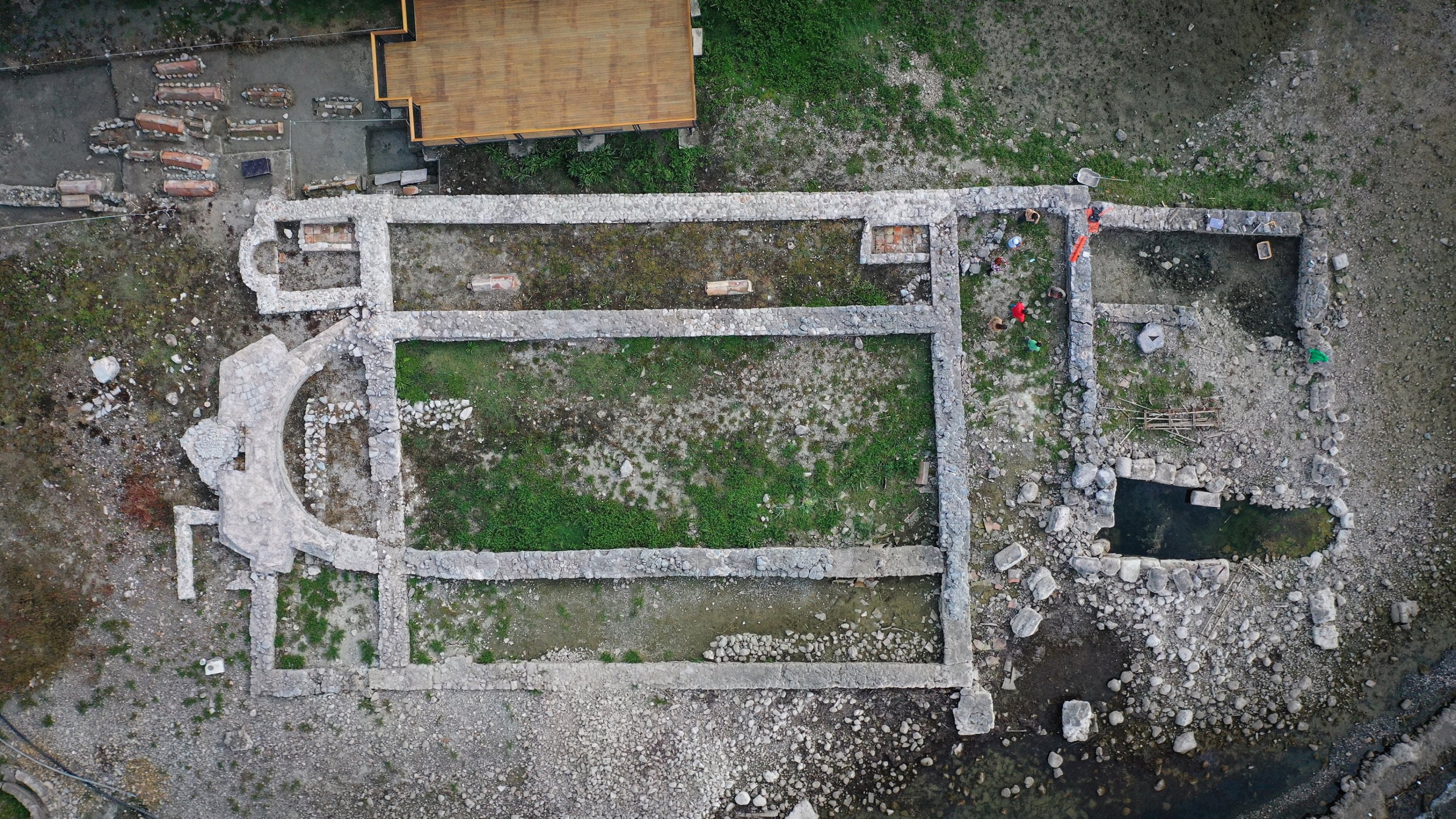
Iznik (historically known as Nicea), a town in Bursa, Türkiye, which has hosted countless civilizations throughout history, has gained a new cultural landmark with the opening of the Iznik Lake Basilica Visitor Center.
At the inauguration ceremony, Bursa Metropolitan Mayor Mustafa Bozbey emphasized Iznik’s global significance. “We are working hand in hand to ensure that Iznik, currently on UNESCO’s Tentative World Heritage List, earns a place on the official list. The visitor center we are opening today is one of the finest reflections of this shared commitment,” he said.
The visitor center, part of Bursa Metropolitan Municipality’s historical and cultural heritage initiatives, is located at the Iznik Lake Basilica Archaeological Site, which gained international recognition in 2014. Following aerial surveys conducted by the municipality, the site was recognized by the Archaeological Institute of America as one of the world’s top 10 archaeological discoveries. The opening ceremony was attended by key officials, including Deputy Minister of Culture and Tourism Gökhan Yazgı, Deputy Governor of Bursa Hulusi Doğan, general director of Cultural Assets and Museums Birol Inceciköz, Iznik District Governor Arif Karaman, local parliamentarians, political representatives, district mayors and citizens.
Mayor Bozbey highlighted Iznik’s historical and cultural importance, not only for Türkiye but for the world. “Iznik is a crossroads where faiths, cultures and ideas have intersected for millennia. The town preserves its ancient urban layout and embodies a mosaic of beliefs, from Paganism to Christianity and onward to the tolerant culture of the Ottoman era. Throughout the Hellenistic, Roman, Byzantine and Ottoman periods, Iznik has held a unique place in humanity’s shared memory,” he remarked.
The Basilica, submerged under Iznik Lake, was discovered in 2014 during aerial photography by professor Mustafa Şahin and quickly made waves in the archaeological world. “Dedicated to Saint Neophytos, this basilica is far more than a place of worship: it illuminates our shared human history. Its recognition by the prestigious Archaeology Magazine as one of the year’s most significant discoveries is a testament to its global importance,” Bozbey noted.
He added that the excavation, which began in 2015 with the Ministry of Culture and Tourism’s permission, has drawn the attention of scholars worldwide. “Bursa Metropolitan Municipality has supported this project at every stage – from scientific equipment to logistics, from office spaces to excavation storage facilities,” he said.
Bozbey emphasized that the municipality has allocated funds for projects promoting Iznik both nationally and internationally. “We will continue our support unwaveringly. Iznik is a very special place and with the ministry’s backing, many significant historical treasures can be revealed. In partnership with local education authorities, we have also hosted students from 11 village schools to immerse them in Iznik’s enchanting history. Our goal is for children to grow up immersed in history and culture,” he explained.
He also highlighted Iznik’s visibility on the global cultural stage through music, citing the work of renowned composer Fazıl Say, Iznik Türküsü, which celebrates the town’s history.
Deputy Minister of Culture and Tourism Gökhan Yazgı praised Iznik as a treasure trove of civilization, culture and faith. He noted that the basilica reflects the town’s rich history and unique status as a cultural and religious hub. “The visitor center was designed to ensure that every visitor can experience the site in the best possible way. Through a joint effort with Bursa Metropolitan Municipality and Bursa Governorate, we have carefully examined each layer of this historical structure and accelerated the excavation process. Our goal is to introduce this significant cultural heritage to tourism while providing an engaging visitor experience. Bursa deserves nothing less than excellence,” he said.
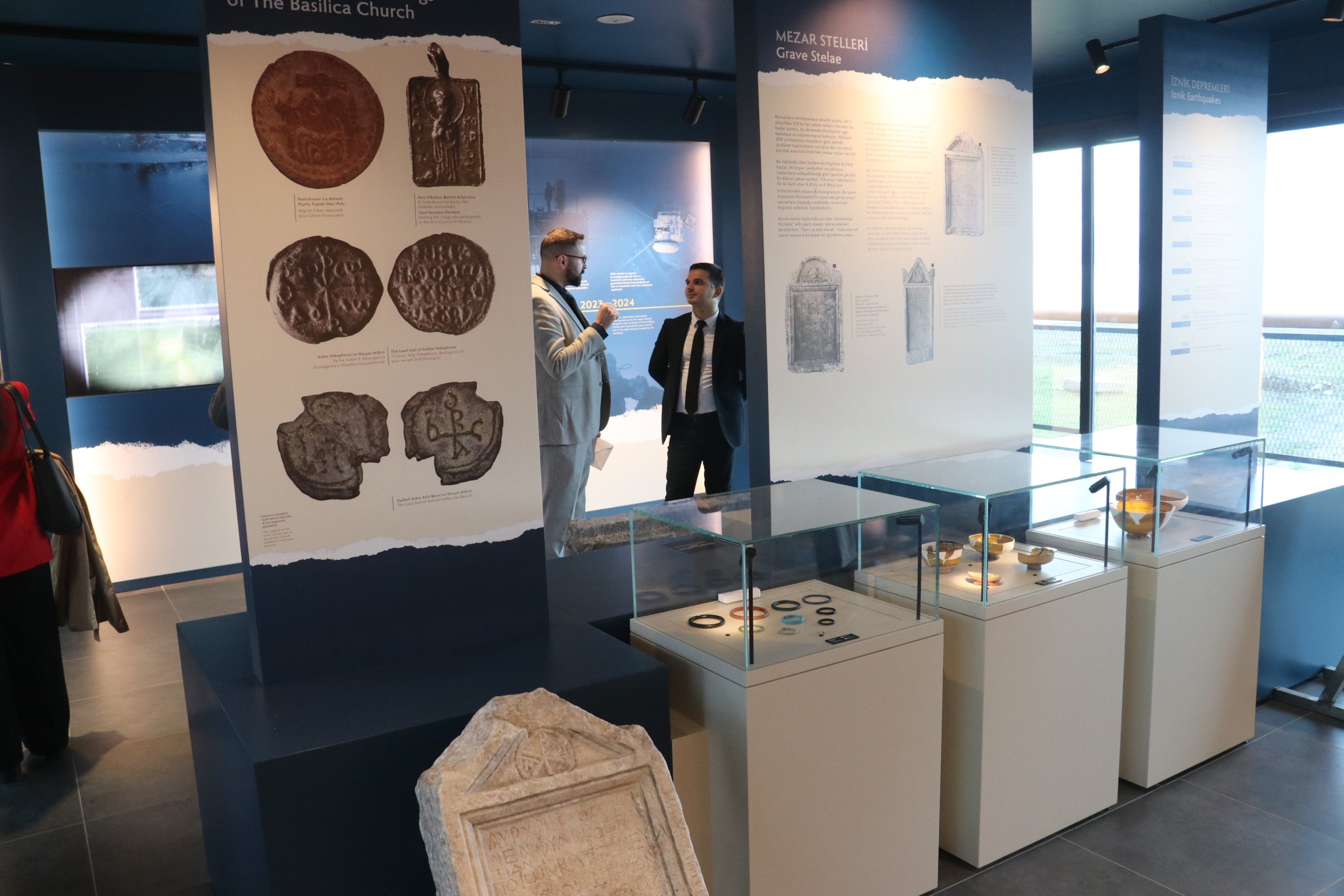
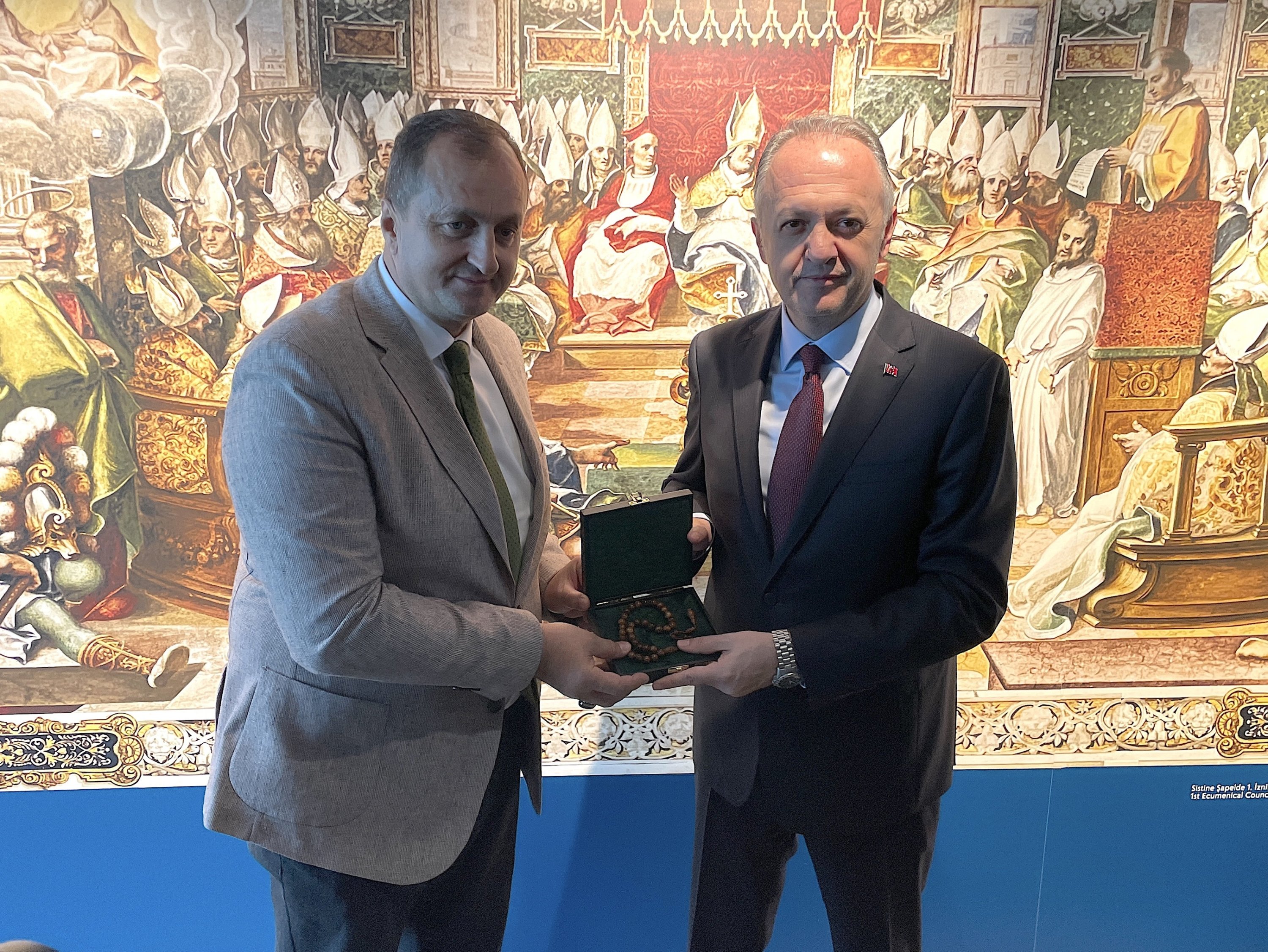
Following the speeches, the visitor center was officially opened with a ribbon-cutting ceremony. Mayor Bozbey and other dignitaries toured the site from the observation deck, receiving detailed explanations from professor Mustafa Şahin about the excavation work. Guests also explored the newly established museum, which visually traces the region’s historical timeline. As a token of remembrance, Bozbey presented Dede Korkut books to Deputy Minister Yazgı and Director General Inceciköz.