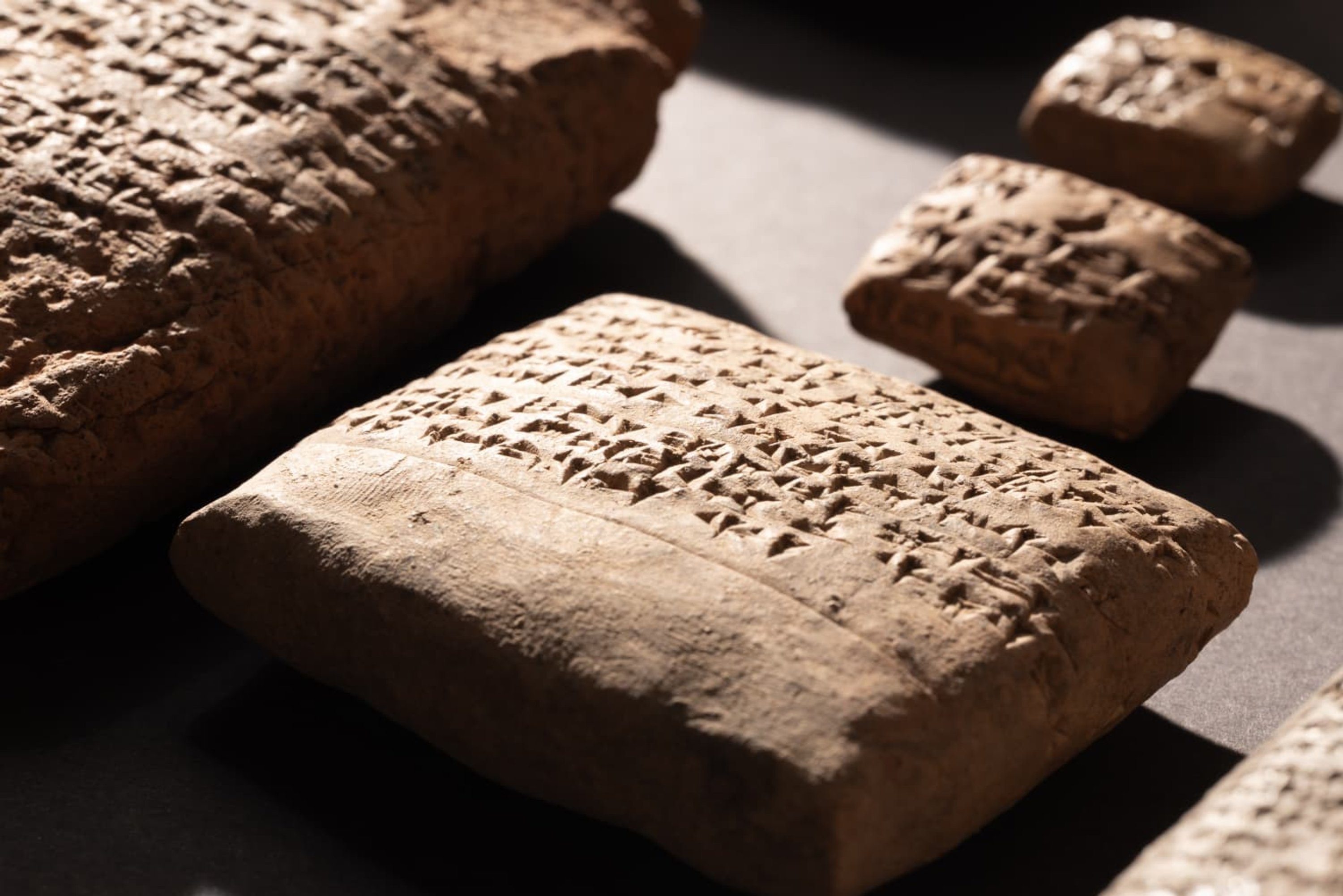
A royal archive unearthed at the ancient Hittite settlement of Samuha, in present-day Sivas in central Türkiye, has shed new light on the Hittite Empire, revealing records of a deadly epidemic, military threats and royal life dating back about 3,400 years.
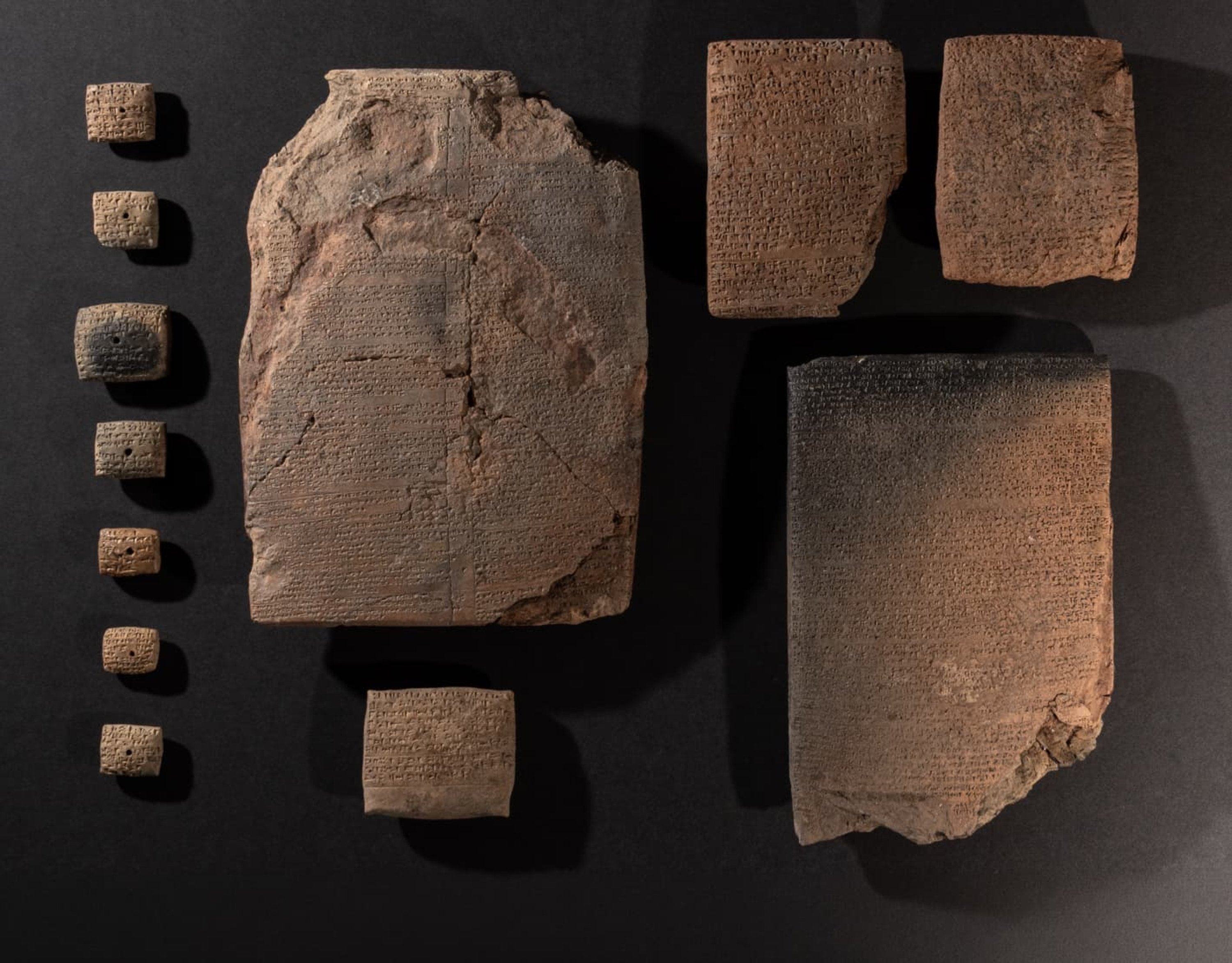
Culture and Tourism Minister Mehmet Nuri Ersoy announced that archaeologists uncovered 131 cuneiform tablets and fragments during the 2026 excavations at Kayalıpınar in Sivas’ Yıldızeli district. Together with 53 tablets and fragments found at the site last year, the number of discoveries has reached 184.
The documents, dating to the reign of King Tudhaliya II, are considered the most extensive Hittite-language archive discovered in the 21st century, according to the excavation team.
The ancient settlement is known as Samuha in Assyrian and Hittite sources. The tablets, written in Hittite and Hurrian, provide firsthand records of state administration, military affairs, religious practices and the experiences of the royal family.
“The royal archive at Kayalıpınar has taken its place in history as the most comprehensive Hittite-language archive uncovered in the 21st century,” Ersoy said in a statement shared on social media.
Among the most striking documents are records concerning a high-fever epidemic that spread from city to city and appears to have particularly affected children and infants.
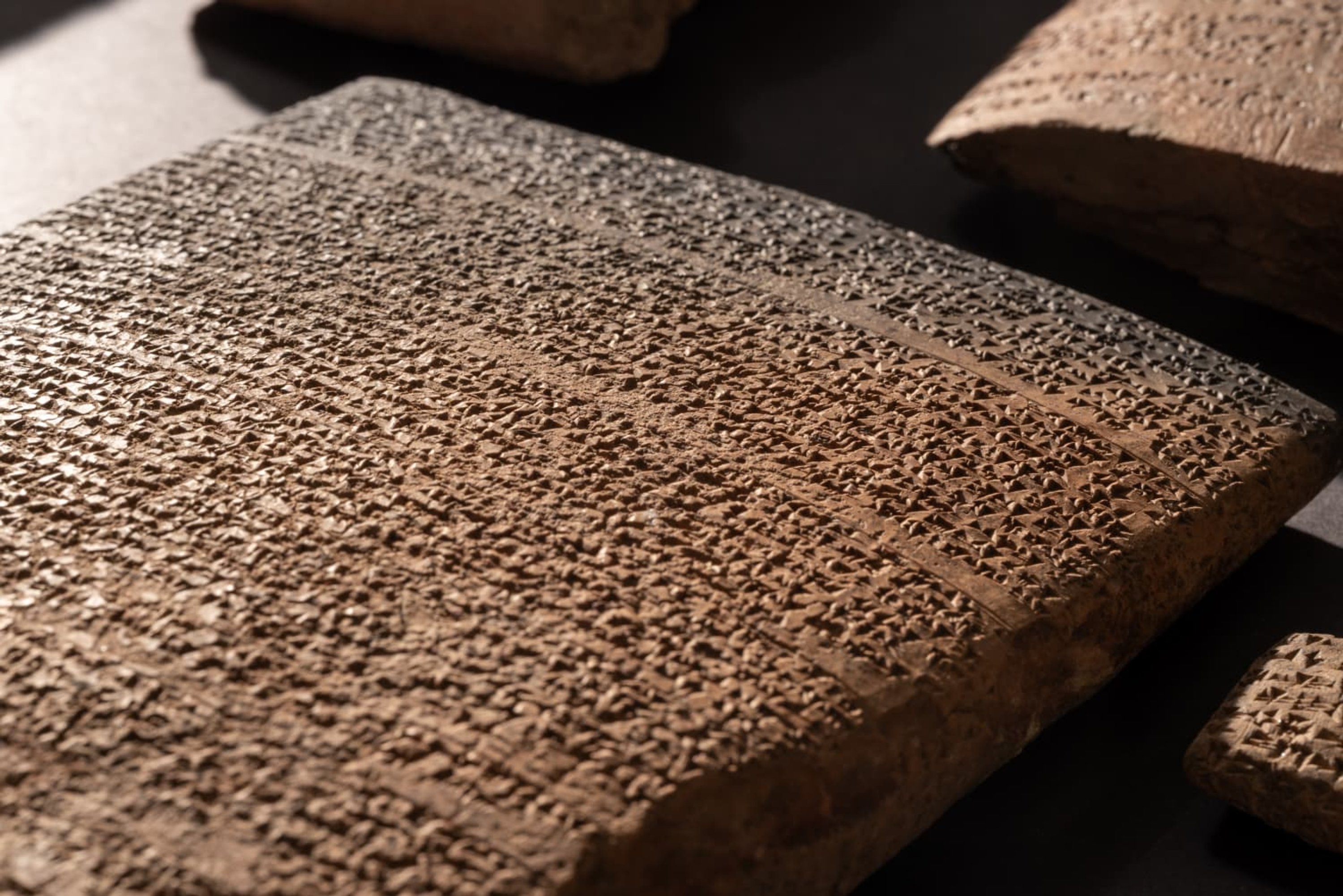
The tablets show that the health of young princes and princesses, as well as children of high-ranking Hittite officials, was monitored through divination rituals during the outbreak. The records also reflect the concern caused by the disease within the royal family.
One document describes a baby princess who was still being breastfed and whose health was being closely monitored. Diviners sought to determine her future through omens. Another tablet records her death and the funeral rites performed for her.
A separate tablet sent to the king by a diviner indicates that the princess fell ill in Ziulila, a city whose location has not yet been identified.
The archive also contains evidence of the military pressures facing the Hittite state.
In a letter sent by Hittite generals in western Anatolia to the king at Samuha, the commanders warned that the Hittite territory was surrounded by enemies. They requested soldiers, horses and chariots to confront the threat.
The generals warned that the Hittite army could be destroyed if the requested reinforcements failed to arrive. They also told the king that they would not accept responsibility for the consequences if the necessary support was not provided.
The newly discovered texts also offer insight into Hittite divination practices, particularly the use of birds to interpret omens.
One tablet records the journeys of bird diviners who left Samuha and traveled through different regions. Their routes, the cities where they stayed and the birds they observed were recorded in a format resembling a diary.
The documents also provide previously unknown information about how bird omens were observed, evaluated and interpreted by the Hittites.
The archive includes texts covering divination, correspondence, rituals and prayers, offering researchers new material for studying Hittite religious practices as well as the development of the Hittite language and scribal culture.
The 53 cuneiform tablets and fragments discovered in 2025 are believed to have belonged to the same royal archive. With the 131 new finds from this year's excavations, the collection now comprises 184 tablets and fragments.
The texts are dated to the reign of Tudhaliya II and are expected to provide new information on Hittite political and military history, religious practices, language and administrative culture.
Excavations at Kayalıpınar have been conducted since 2021 with the permission of the Culture and Tourism Ministry under the direction of associate professor Çiğdem Maner of the Department of Archaeology and History of Art at Koç University.