The 4th Kazan Global Youth Summit, jointly organized by Russia's government of Tatarstan and the Islamic Cooperation Youth Forum (ICYF), took place on Aug. 28-29 at the Kamal Theater in Kazan, under the theme “Education of Personality in the Era of Global Changes: Values-Based Career Development.”
The opening ceremony of the summit was attended by Tatarstan Deputy Prime Minister Leyla Fazleyeva, ICYF President Taha Ayhan and Timur Suleymanov, advisor to the president of the Republic of Tatarstan, Rustem Minnikhanov.
In her remarks, Deputy Prime Minister Fazleyeva welcomed the international gathering, underscoring the importance of such events in shaping global youth policy agendas. She highlighted that this year’s summit brought together more than 200 delegations from 45 countries, reflecting the summit’s growing global appeal and increasing international engagement.
Fazleyeva emphasized the summit's importance, stating, “I am confident that today will bring numerous opportunities to strengthen collaboration. The Republic of Tatarstan remains committed to and open for dialogue.”
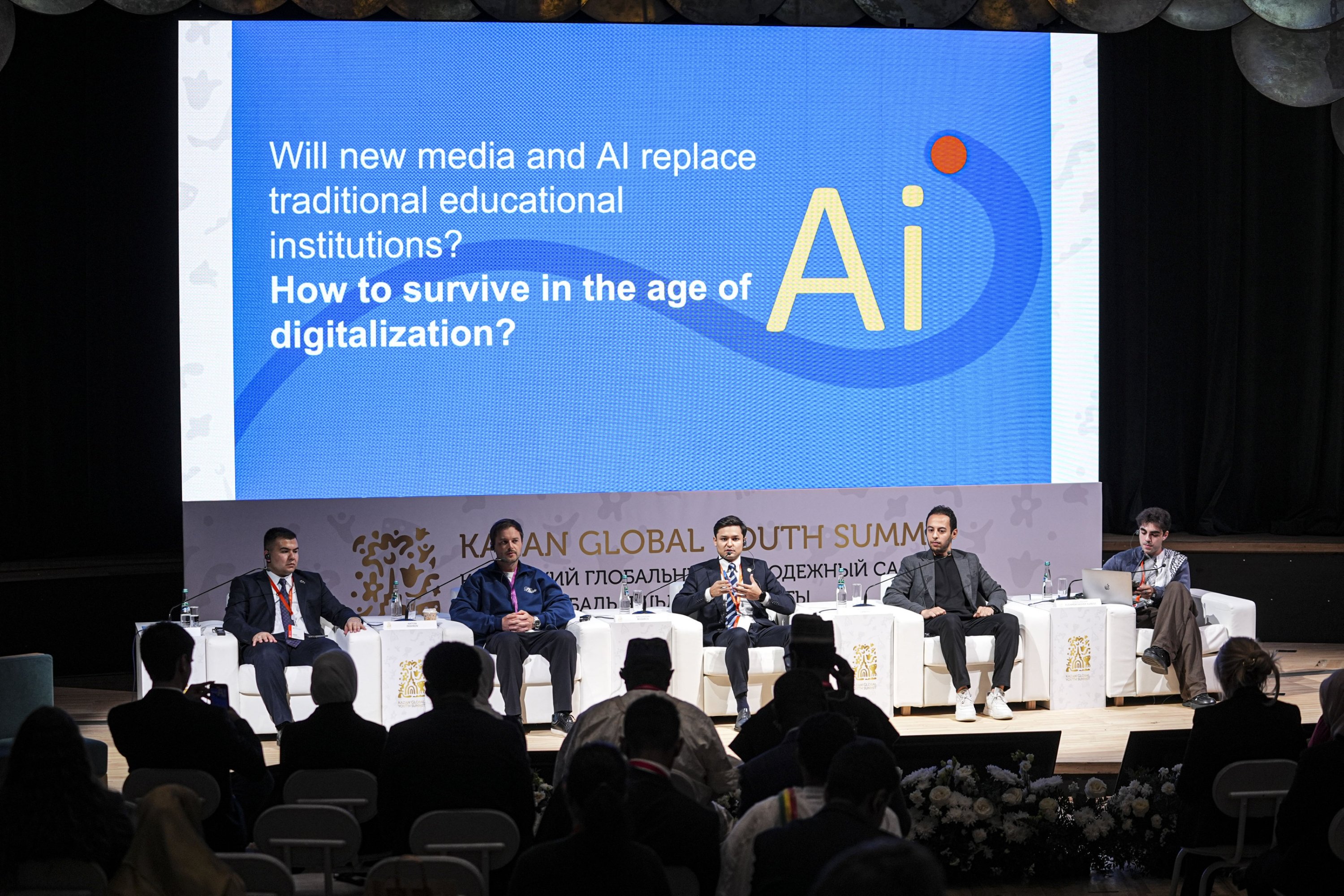
On the first day, the summit featured a variety of sessions exploring the intersection of artificial intelligence, new media, education and values-based learning. One notable session addressed the question, “Will New Media and Artificial Intelligence Replace Traditional Educational Institutions? How to Survive in the Era of Digitalization?” Participants discussed how AI and digital tools can complement, rather than replace, traditional education, emphasizing the importance of critical thinking, teamwork, and human interaction.
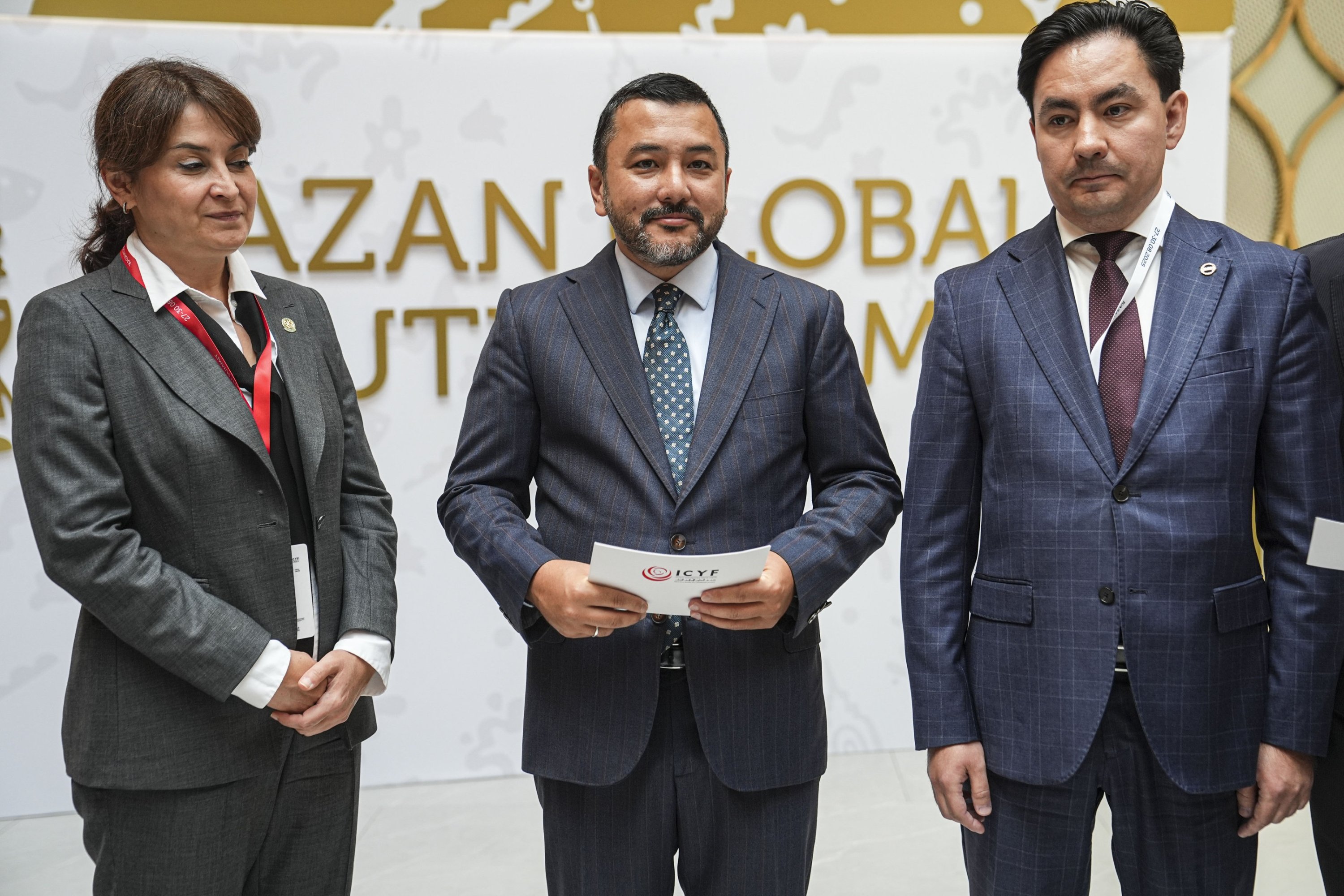
Following the opening ceremony, Taha Ayhan, president of ICYF, spoke to Daily Sabah, “First of all, I am grateful to the Turkuvaz group and especially to Daily Sabah, because from the very first day, in all activities of the Islamic Cooperation, you have amplified our voices and increased our visibility. The youth of the Muslim world need every kind of support, particularly in terms of visibility."
“The first version of the Kazan Global Youth Summit is a legacy of Kazan being named the Youth Capital of Tatarstan, which coincided with the 1,800th anniversary of Islam in the northern part of the world. This year, we are discussing the theme of education and employment in an era of challenges, with values as the central focus. In the first version of the summit in 2022, we addressed family values and we are continuing that tradition by connecting timeless values to contemporary issues," he added.
“This year, we have welcomed numerous ministers, policymakers and representatives from around the world. We also have participants from 40 countries, selected from 7,000 applications, demonstrating the strong interest of global youth. There is also significant participation from International and Turkish organizations. Additionally, universities are actively involved, particularly through partnerships with Russia’s Ministry of Higher Education, with all federal university rectors joining the summit." Ayhan said.
“Our aim is to create a global platform for open discussion among policymakers, nongovernment organisations (NGOs), civil society representatives and, of course, the youth themselves. We hope the discussions and resulting recommendations will contribute meaningful input to the United Nations Assembly," addressing current global crises, Ayhan highlighted that Gaza would be a central topic this year, given the ongoing humanitarian catastrophe over nearly two years. He noted that the summit is not only about envisioning solutions for future challenges but also confronting urgent issues. Participants are committed to addressing the situation frankly, with the hope that their recommendations will encourage actionable solutions.
Responding to the role of the summit in helping Muslim youth engage with Western culture while preserving their identity, Ayhan explained that the event demonstrates how Muslim youth from diverse regions, including Australia, Latin America, North America and Africa, share a global community. Despite differences in cultural environments, Islam provides common values that also align with universal human values, connecting Muslim identity to a broader sense of humanity.
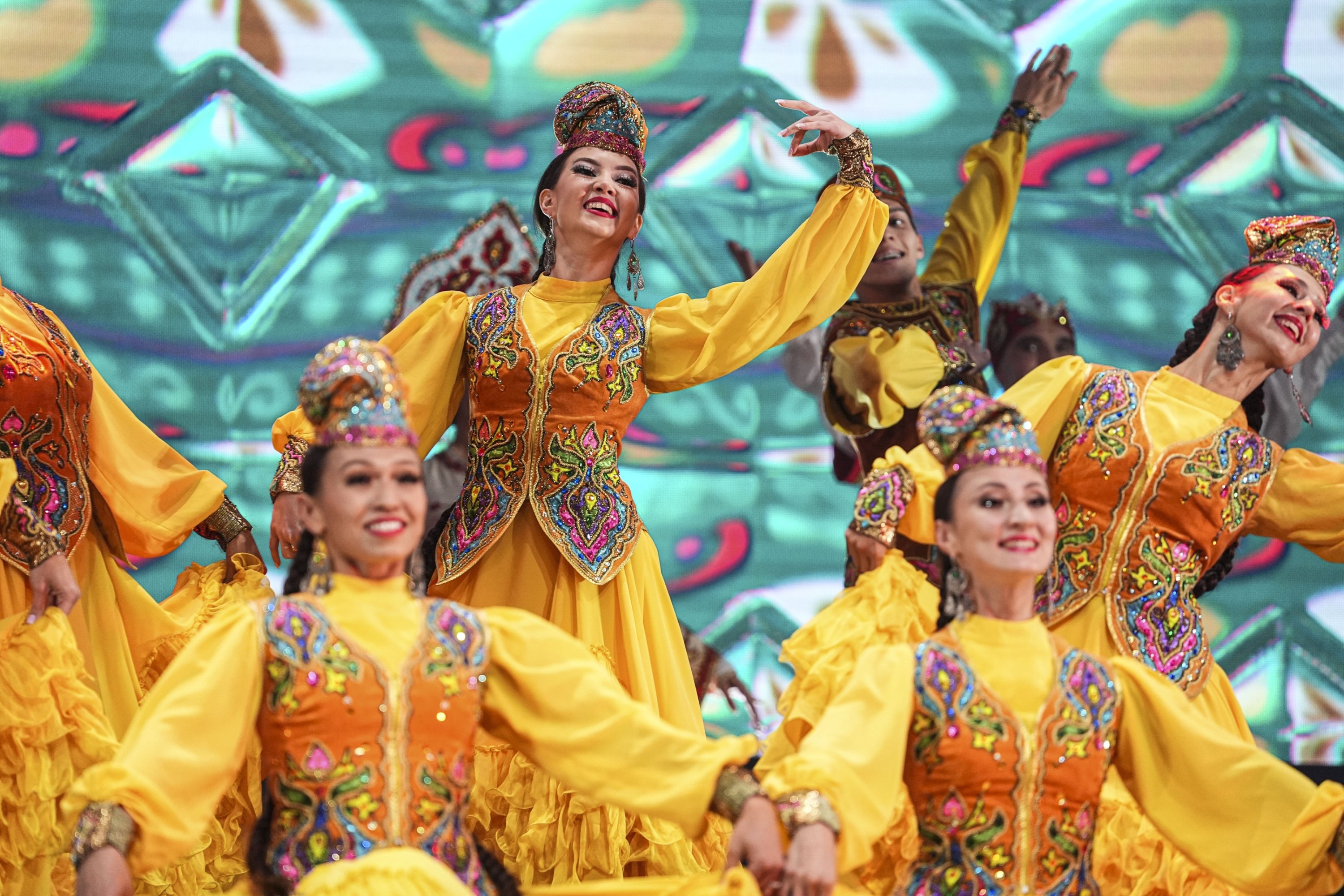
As part of the summit, the "Global Young Leaders Awards" ceremony was held to recognize outstanding achievements in various fields. The event also featured a rich program of cultural performances, including traditional and contemporary music, dance ensembles from various countries, theatrical acts, and visual arts displays, which highlighted the diversity and creativity of the youth participants.
The awards were presented in various fields, including social entrepreneurship, youth-led initiatives, individual achievements, research, cultural preservation, media influence and mentorship.
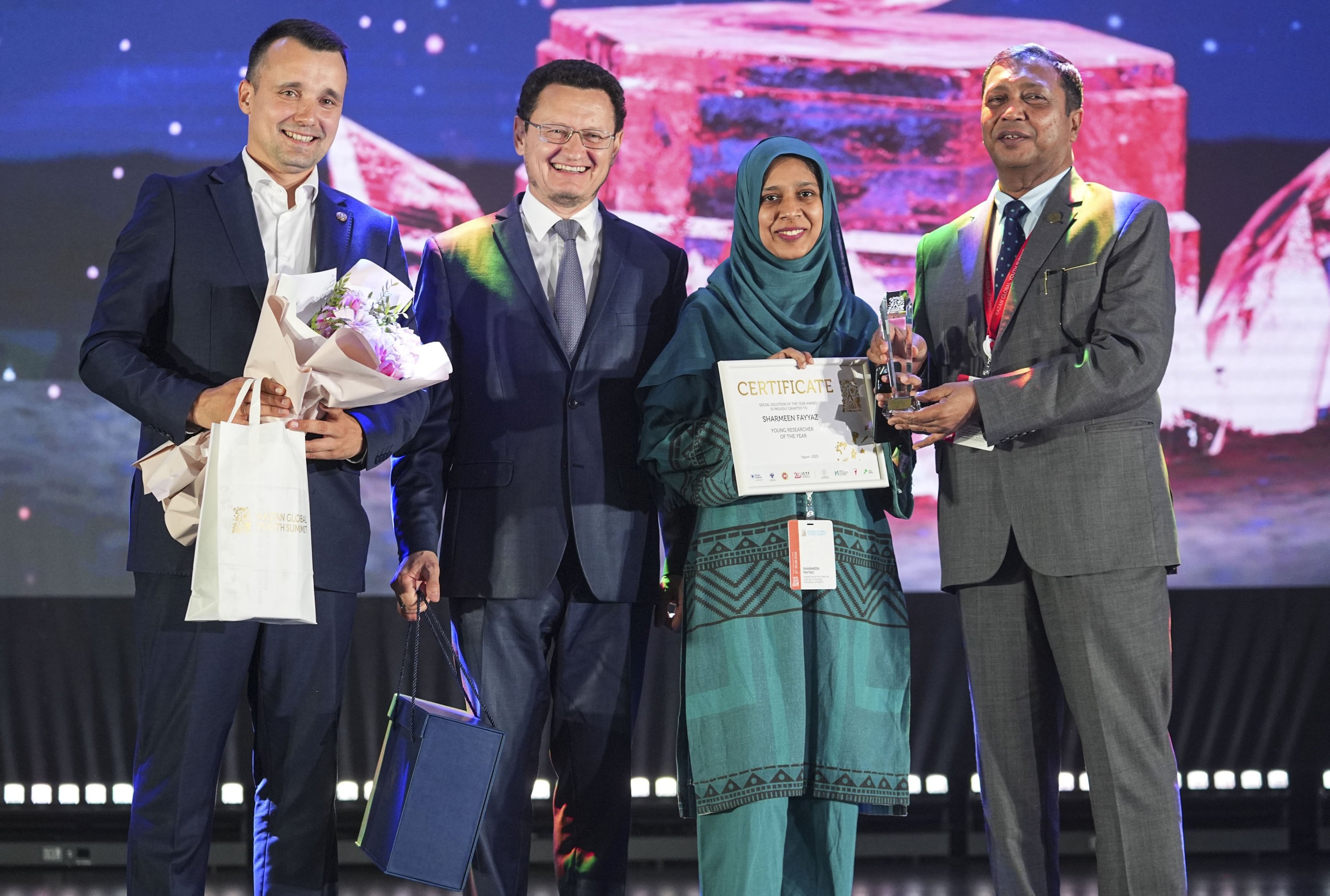
Young Person of the Year Sharmeen Fayyaz from Pakistan told Daily Sabah that she was honored to receive the award, describing it as a significant recognition of her work as a young researcher. “I’m very happy to be nominated for this award and to be part of this event,” she said.
About the event itself and its impact on youth, Fayyaz said, “The discussions were very insightful and exactly what we needed. For example, the morning session on AI and its implications was particularly useful. Another session focused on how to train and guide children effectively, which is very timely. I learned a great deal about how to educate children and help them use AI responsibly, as they will be living in an era where AI is increasingly dominant. This experience has given me practical ideas to implement when guiding the next generation.”
Dr. Amina Obaid Alhajri, director general of the OIC Cultural, Social and Family Relations, told Daily Sabah following the award ceremony, “First of all, I am very glad to be part of this successful event again. This year’s summit focuses on a very important topic: artificial intelligence. The key question is whether artificial intelligence will reshape the future of education, and I believe the answer is yes, we are going to see significant changes in education through AI."
“This event brings together all stakeholders, including leaders, international organizations and governments, to discuss the opportunities and challenges posed by this transformation. The summit will serve as a platform for deliberation and we aim to develop recommendations that all participating organizations can follow," she said.
Russia's Tatarstan President Rustem Minnikhanov attended the closing ceremony of the event, along with Russia’s Science and Higher Education Minister Valery Falkov and ICYF President Taha Ayhan.
Reflecting on the summit’s achievements, Minnikhanov said, “This event has already launched projects, created mentorship networks and encouraged cross-border collaboration. The challenges we face, including poverty, climate change, and issues of identity, demand leaders who operate with wisdom, courage, and integrity. Let us recommit ourselves to ensuring that education provides knowledge, purpose and the skills necessary for young people to succeed professionally while serving society and humanity.”
The summit’s declaration emphasized that digitalization and artificial intelligence should advance education and enhance learners’ well-being. It is committed to promoting safe, transparent and ethical technologies, protecting children’s rights and data, strengthening teacher training and fostering youth creativity and critical thinking. Recognizing the role of lifelong learning in a changing world, the declaration also emphasized the development of flexible education systems that enable young people to update their knowledge and confidently shape their futures continually.